





Antique Sports Ceramic
Antique sports ceramic pieces capture historical pastimes through earthenware, porcelain, and stoneware, offering collectors tangible links to nineteenth-century athletics and games.
Antique Sports Ceramic
When searching for antique sports ceramic, collectors examine items that celebrate historical athletics, field sports, and leisure pastimes. The objects on this page range across the Georgian, Regency, Victorian, Edwardian, and later periods.
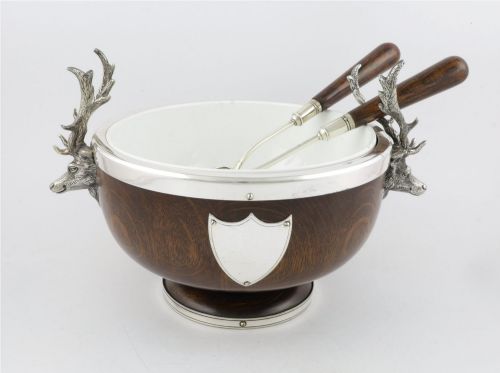
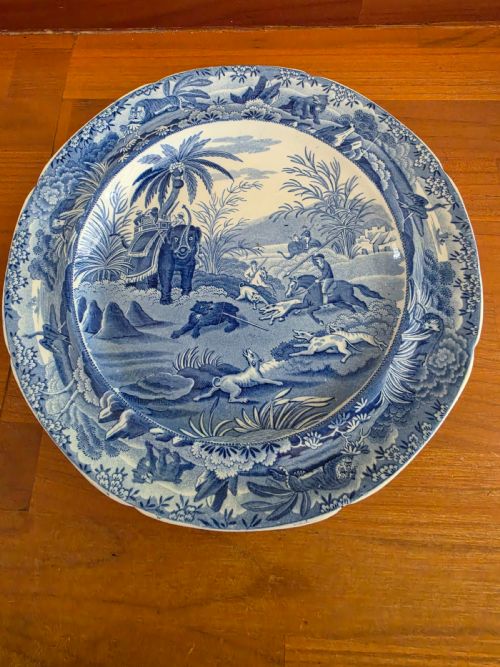
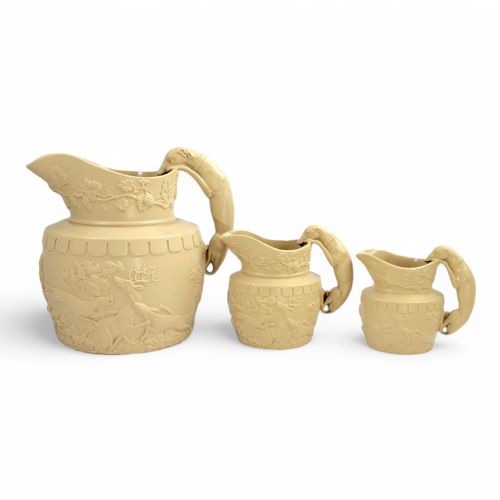
Most items you encounter here take the form of utilitarian vessels or decorative figures linked to specific games and hunts. Common configurations include jugs, pitchers, decorative plates, match strikers, inkwells, and sculptural figures.
The material evidence spans earthenware, pearlware, stoneware, porcelain, and Parian ware. These pieces commemorate activities from cricket and rugby to lawn bowls and hunting.
Materials and manufacturing methods
Potters utilised earthenware, stoneware, and porcelain to form the body of each vessel or figure. Many items employ lead glaze or enamel paint to add surface colour and detail.
Moulding and throwing techniques shaped the clay into functional forms such as jugs, inkwells, and match strikers, whilst Parian ware allowed for detailed sculptural figures of hunting dogs.
Specialised potteries applied hand-painted enamels or salt-glazing to stoneware to achieve durable finishes suitable for everyday tavern or domestic use.
Antique Sports Ceramic Retail Price Guide 2026
Typical asking prices for sports ceramic among the pieces listed under this phrase on Sellingantiques today, from the lower quarter to the upper quarter. They describe what is for sale here now, not the wider market.
A ceramic rugby ball sits ready on a desk as an inkwell, waiting for a literary try.
Assessing quality in sports ceramics
Quality rests upon the crispness of the modelling in figural pieces and the precision of the glaze application. Superior examples retain sharp facial expressions on figures and clear delineation in sporting scenes.
The reputation of the pottery and the complexity of the form distinguish standard production wares from exceptional pieces. Items featuring well-defined sporting subjects command greater attention from collectors.
Spode·Doulton Lambeth·Macintyre Pottery·Phillips & Bagster·Chamberlain Worcester·Royal Bayreuth
The Antique Sports Ceramic Glossary
- Pearlware
- A refined earthenware developed in the eighteenth century featuring a thin glaze that pools with a slight bluish tint. It provided a whiter surface for painted decoration.
- Parian ware
- A fine-grained unglazed porcelain resembling white marble, often utilised for nineteenth-century portrait busts and sculptural figures. It takes its name from Parian marble.
- Stoneware
- A hard, dense pottery fired at high temperatures until vitrified, making it waterproof without glaze. Salt-glazed stoneware was common for utilitarian jugs and inkwells.
- Match striker
- A vessel or holder featuring a textured surface designed for igniting safety matches. These often took whimsical or sporting shapes in ceramic and metal combinations.
Antique Sports Ceramic: Frequently Asked Questions
What sports are depicted on these ceramics?
The available pieces record a variety of historical pastimes including cricket, rugby, lawn bowls, and hunting.
Potters also produced commemorative items featuring animal baiting scenes and general sporting subjects.
How do I identify a nineteenth-century piece?
Dating relies on stylistic markers, materials like pearlware or Parian ware, and specific pottery marks.
Nineteenth-century items often show hand-painted enamel details and characteristic earthenware or stoneware bodies.
Were these items used daily?
Many ceramic objects served practical functions in domestic or public spaces as jugs, inkwells, and match strikers.
Others functioned purely as decorative plates or sculptural figures for display.
What materials were commonly used?
Makers utilised earthenware, stoneware, porcelain, and Parian ware to construct these sports-themed objects.
Surfaces were frequently finished with lead glaze or enamel paint.