



Antique Sporting Pin
An antique sporting pin is a miniature study in pursuit, crafted from precious metals and enamels to celebrate the field and track.
Antique Sporting Pin
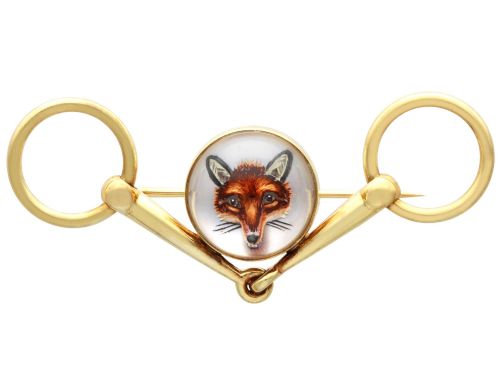
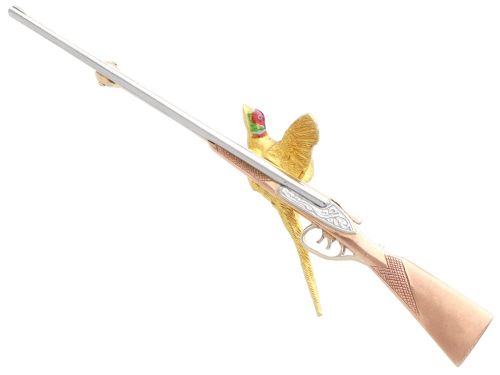
An antique sporting pin encompasses stick pins, brooches, and badges capturing equestrian, hunting, and athletic subjects across Victorian, Edwardian, and mid-century periods. These items range from simple gold bugles to intricate enamel duck brooches and rock crystal animal portraits.
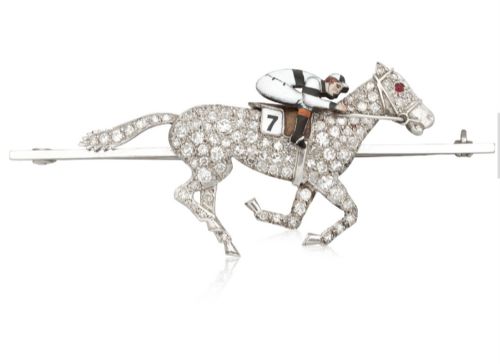
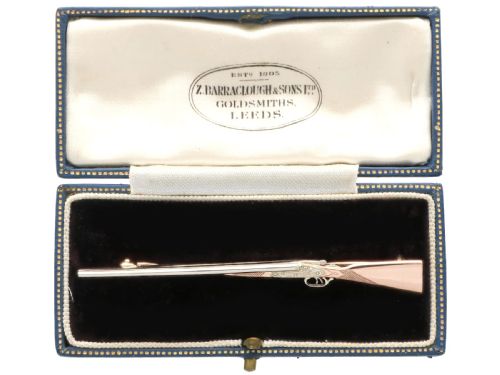
The most common forms on this page include gold hunting and shooting brooches alongside delicate stick pins, reflecting late nineteenth and early twentieth century pursuits. Pieces extend from simple pressed brass cycling designs to diamond-set platinum and gold equestrian subjects.
Makers and retailers varied from local silversmiths to esteemed firms like Garrard & Co, whose platinum-topped racing brooches represent the upper tier of period craftsmanship. Presentations also include sterling silver cricket presentation goblet and tie pin sets and Olympic visitor badges.
Materials and construction
Metals span sterling silver, 9ct gold, 14ct gold, 15ct gold, 18ct gold, and platinum-topped settings, often paired with pressed brass for functional items. Precious stones such as diamonds and rubies accent high-end pieces.
Surface decoration relies heavily on polychrome enamel to render the plumage of ducks or the colours of racing silks with vivid accuracy. Rock crystal is also utilised, occasionally reverse-carved and painted to create three-dimensional animal motifs like fox heads.
Antique Sporting Pin Retail Price Guide 2026
Typical asking prices for sporting pin among the pieces listed under this phrase on Sellingantiques today, from the lower quarter to the upper quarter. They describe what is for sale here now, not the wider market.
Materials represented across the inventory include rock crystal, enamel, diamonds, rubies, sterling silver, platinum, and multiple grades of gold.
Assessing quality and execution
Quality rests in the fidelity of the miniature carving and the precision of the enamel work, where subtle shading distinguishes superior animal depictions from generic production. Gemstone selection and secure setting in gold or platinum mark the distinction between everyday lapel pieces and high presentation items.
Structural complexity also dictates worth, separating simple stamped brass cycling items from multi-part constructions featuring working mechanical elements or detailed gemstone pavé work.
Garrard & Co
The Antique Sporting Pin Glossary
- Stick pin
- A long pin with a decorative head designed to secure a cravat or lapel fold. They frequently feature sporting motifs cast in gold or silver.
- Enamel
- Vitreous material fused to metal through firing, used to add permanent colour to sporting subjects like hunting birds and racing silks.
- Rock crystal
- Clear quartz cut and polished into domes, sometimes reverse-carved to depict animals with optical depth.
- Platinum-topped
- A manufacturing technique where a thin layer of platinum is fused over a gold base to securely hold diamonds and provide a bright white metal surface.
Antique Sporting Pin: Frequently Asked Questions
How were antique sporting pins worn?
These pieces were typically secured to lapels, cravats, or hats during outdoor pursuits and social gatherings.
They served as both functional fasteners and visible markers of a wearer's allegiance to specific sports like hunting, cricket, or equestrian racing.
What metals are used in these pins?
Construction relies heavily on precious metals including sterling silver and various purities of gold such as 9ct, 14ct, 15ct, and 18ct.
Platinum is also found on finer examples, often paired with gold to set diamonds and rubies securely.
How do I date a sporting pin?
Dating relies on stylistic clues, fastener types, and accompanying hallmarks that point to eras like the Victorian, Edwardian, or mid-century periods.
Specific motifs and material combinations, such as platinum-topped gold settings, also help narrow the decade of manufacture.
Are these pins suitable for daily wear?
Most solid gold and silver pieces remain robust enough for occasional modern wear on sturdy fabrics like wool or heavy cotton.
Delicate enamel or gemstone-set examples require more careful handling to avoid chipping or loss of stones.