


Antique Splashback Washstand
An antique splashback washstand brings the honest utility and polished stone surfaces of the Victorian and Edwardian bedroom straight into a modern home.
Antique Splashback Washstand
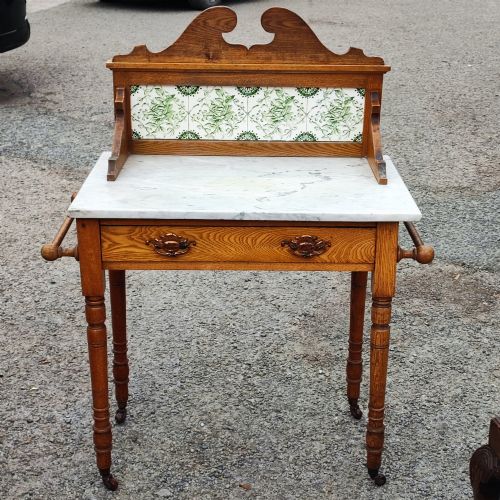
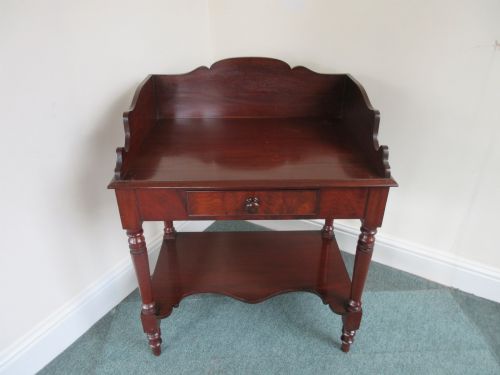
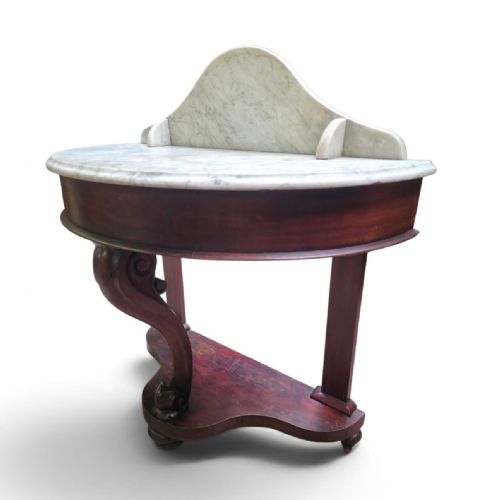
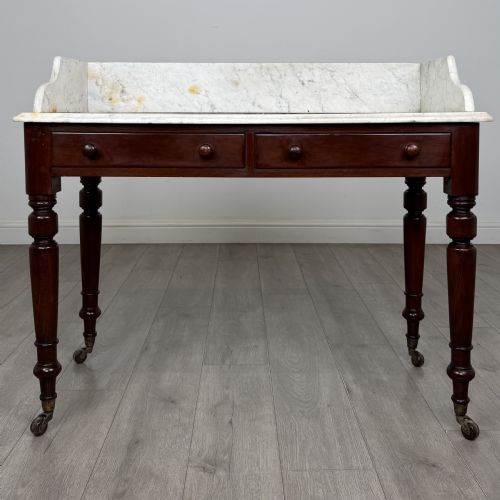
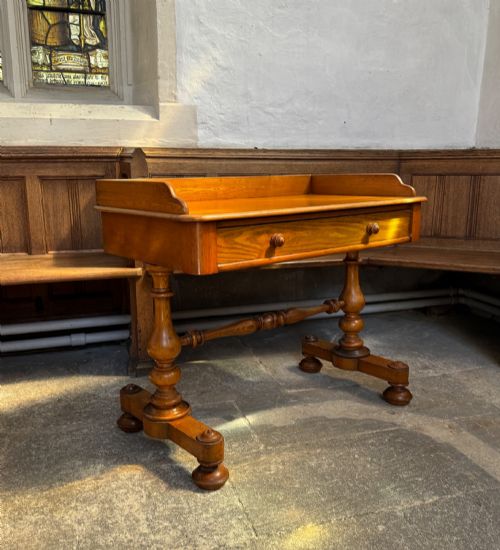
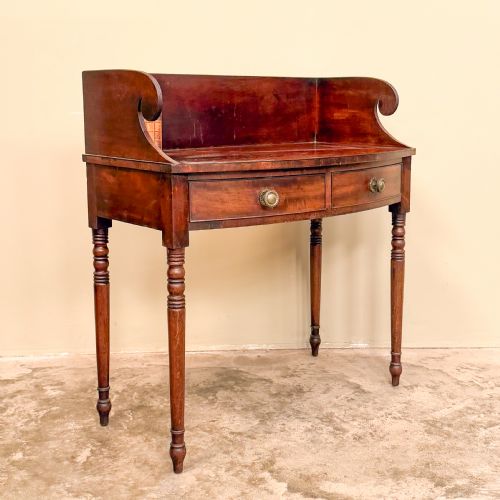
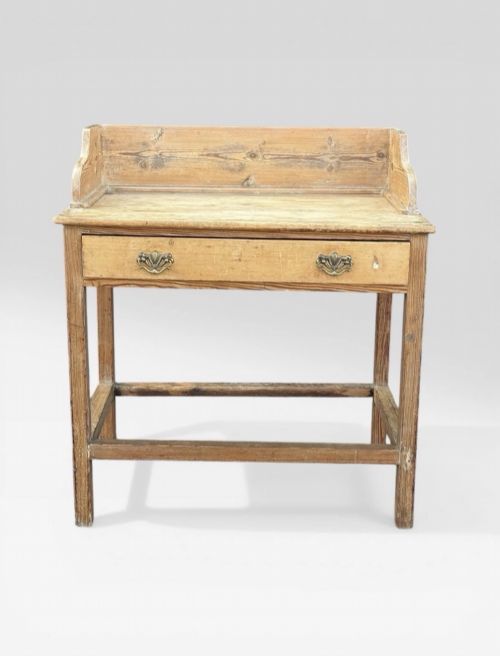
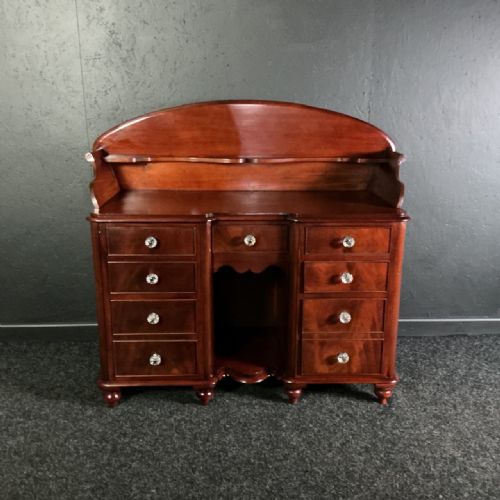
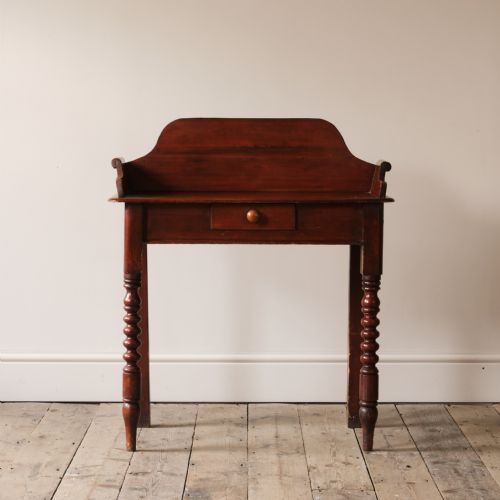
An antique splashback washstand is a bedroom or dressing piece designed to hold a basin and jug, featuring an elevated back to protect the wall from water. The examples found here span the Victorian, Edwardian and late nineteenth-century periods, alongside related forms such as bedside tables and side tables.
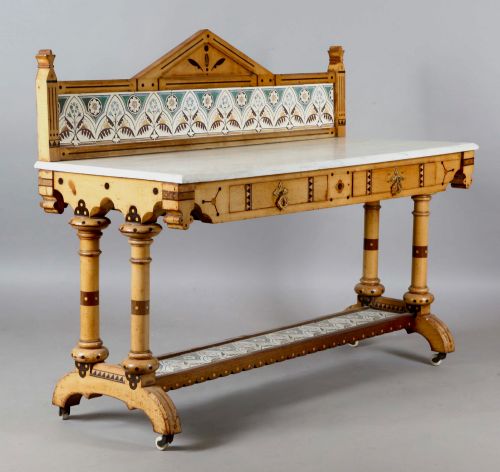
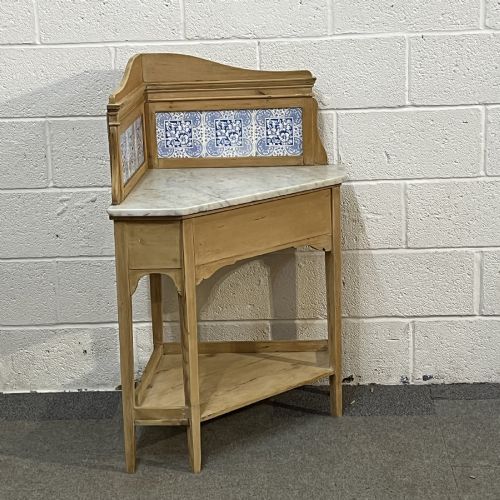
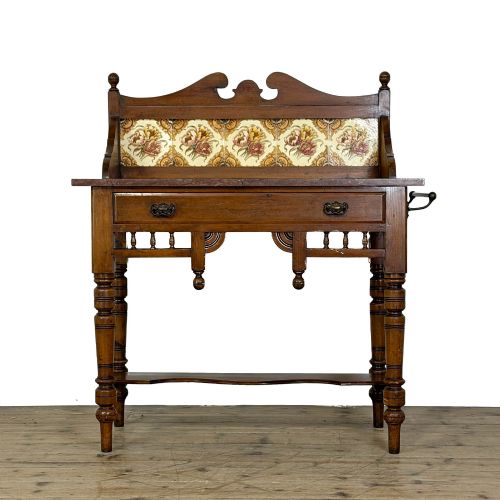
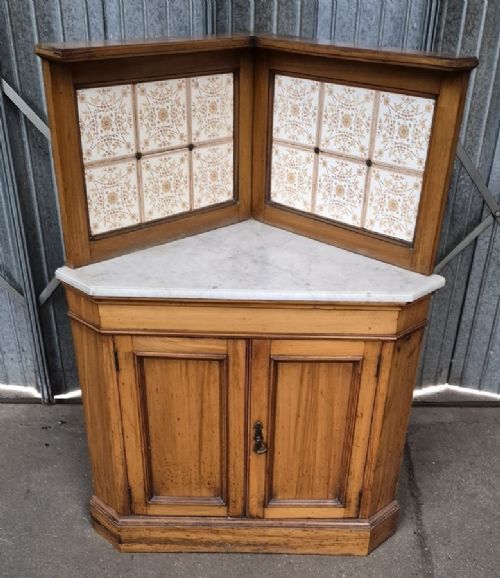
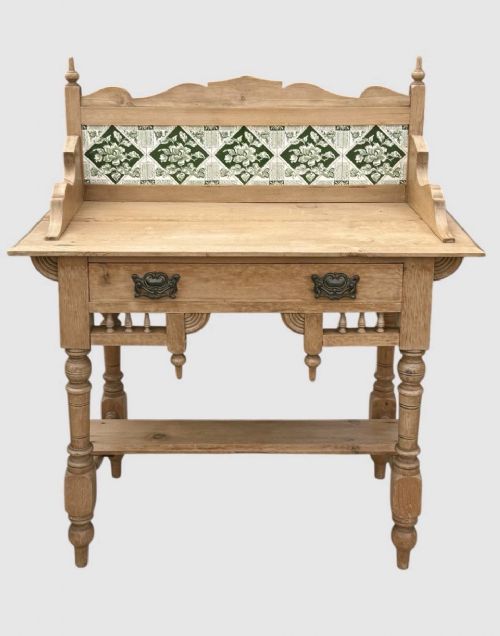
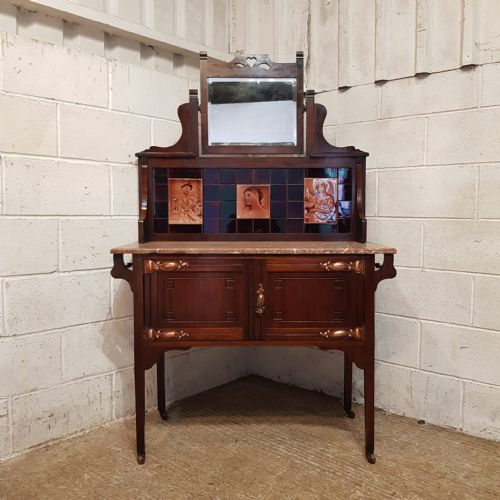
The most common version met on this page is the marble-topped mahogany or pine washstand, often fitted with a tile gallery back and ceramic tiles. These range from substantial architectural pieces in walnut and satinwood down to simpler painted pine or corner washstands.
Origins stretch from English country houses and townhouses to French workshops, reflecting diverse regional styles like Arts and Crafts, Reformed Gothic, Art Nouveau and Regency. Buyers encounter everything from compact rustic basin stands to large, inlaid bedroom furniture.
How they were made
Makers built these pieces primarily from solid and veneered timbers including mahogany, pine, walnut, satinbirch and ash, selected for strength and grain. Cabinetmakers combined these woods with heavy inset marble slabs for water-resistant tops and ceramic tile splashbacks.
Construction techniques involved traditional joinery suited to daily bedroom use, paired with decorative inlays and brass hardware. Decorative elements like Christopher Dresser tiles or painted details finish the structural timber frames.
Antique Splashback Washstand Retail Price Guide 2026
Typical asking prices for splashback washstand among the pieces listed under this phrase on Sellingantiques today, from the lower quarter to the upper quarter. They describe what is for sale here now, not the wider market.
Several washstands arrive paired with writing tables, proving that morning ablutions and correspondence once shared the exact same piece of furniture.
What varies in quality
Quality separates the standard bedroom utility piece from the ambitious architectural commission through the selection of materials, such as rouge marble paired with finely figured mahogany or satinwood inlay. The ambition of the design dictates the tier, moving from plain pine washstands to Reformed Gothic or Arts and Crafts works with specific designer attributions.
The sophistication of the tile gallery and ceramic splashback also marks the division, ranging from plain timber upstands to integrated artistic tile sets by makers like Christopher Dresser. Originality of surfaces, intact marble slabs, and harmonious proportions across corner and straight formats complete the distinction.
Charles Bevan·Walker and Sons·Gillows
The Antique Splashback Washstand Glossary
- Splashback
- The elevated rear panel of a washstand, designed in timber, marble or tile to protect bedroom walls from water. It forms the defining visual feature of these basins stands.
- Tile gallery
- A raised framework holding decorative ceramic tiles above the marble top. These often display Arts and Crafts or Aesthetic movement patterns.
- Rouge marble
- A deep red, variegated limestone used for high-end washstand tops. It provides a striking contrast against mahogany or walnut framing.
- Corner washstand
- A specialised space-saving form designed to fit neatly into a room angle. These appear in both pine and walnut constructions.
Antique Splashback Washstand: Frequently Asked Questions
What is an antique splashback washstand?
An antique splashback washstand is a piece of nineteenth or early twentieth-century bedroom furniture designed to hold a washbasin and water jug.
These pieces feature a raised back panel made of timber, marble or tiles to protect the wall from splashes, and often include a stone top.
How were washstands used originally?
Before plumbed bathrooms became standard in homes, washstands served as the centrepiece for morning washing routines in bedrooms and dressing rooms.
They held a ceramic basin, jug, soap dish and chamberware, combining practical utility with decorative bedroom furnishings.
How do I live with one today?
Today, these washstands function exceptionally well as hall tables, bathroom vanity bases, or decorative side tables in living spaces.
The marble tops and tiled splashbacks provide durable, water-resistant surfaces suited to contemporary utility while retaining historic character.
How do I tell Victorian from Edwardian pieces?
Victorian washstands often display heavier proportions, darker timbers like mahogany and walnut, and elaborate Reformed Gothic or Arts and Crafts detailing.
Edwardian examples tend to feature lighter woods like satinbirch or inlaid mahogany, alongside simpler, airier lines reflective of the turn of the century.