

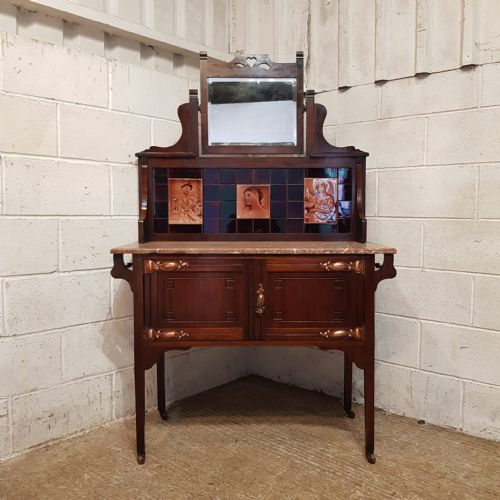
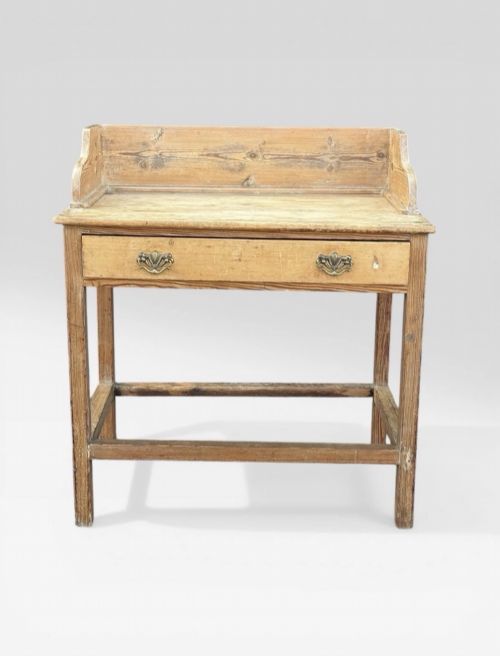
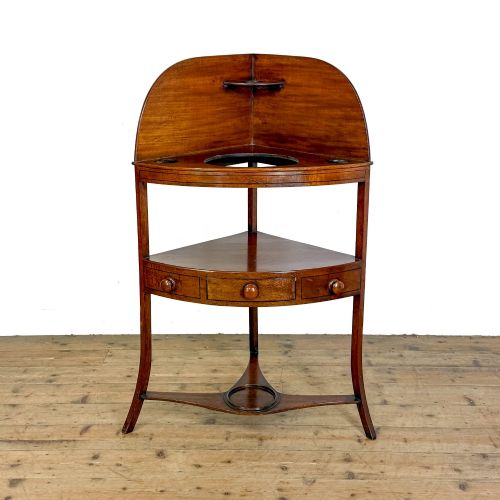
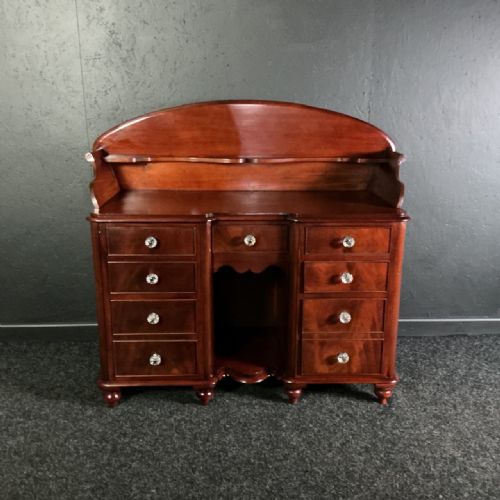


Antique Vanity Wash Table
An antique vanity wash table is a functional domestic washstand that brings period timber and marble into a modern bedroom.
Antique Vanity Wash Table
An antique vanity wash table encompasses a variety of washstands, dressing tables and matching wash sets spanning the Georgian, Victorian and Edwardian periods. Buyers searching this phrase encounter practical pieces designed for personal ablutions before indoor plumbing became universal in every bedchamber.
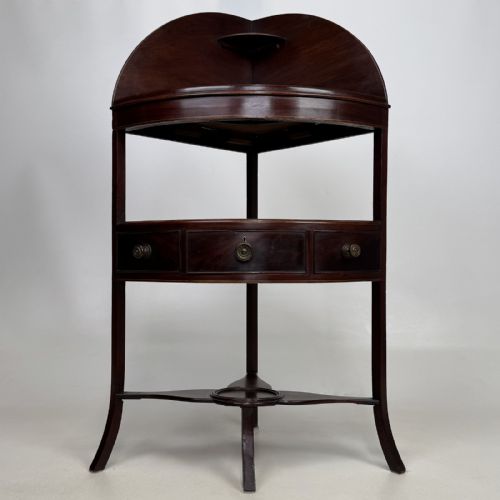
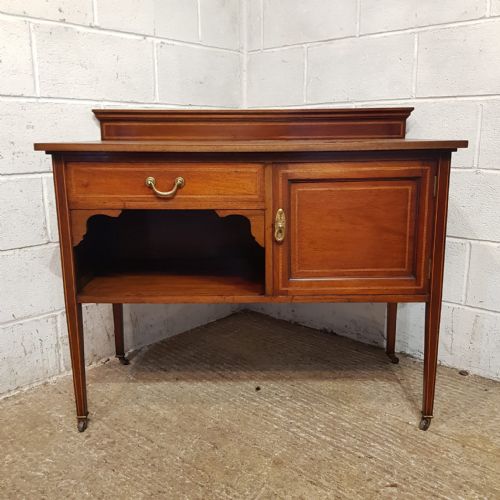
The selections available here rely heavily on nineteenth century craftsmanship, featuring forms ranging from compact corner washstands to substantial marble topped side tables. Mahogany, pine and ash predominate, often accompanied by brass hardware, glass vessels and ceramic basins.
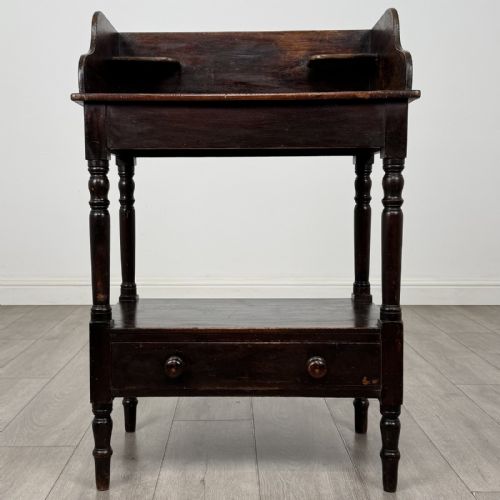
Simpler rustic pine and painted examples sit alongside sophisticated George III satinwood and mahogany gentleman's wash stands. Regional and stylistic variations include French Provincial, Arts and Crafts, Art Nouveau and Regency designs.
Materials and construction
Makers utilised dense hardwoods such as mahogany, satinbirch and ash alongside utilitarian softwoods like pine for the main framework of each wash table. Structural joints relied on traditional cabinetmaking techniques suited to supporting heavy stone surfaces and daily use.
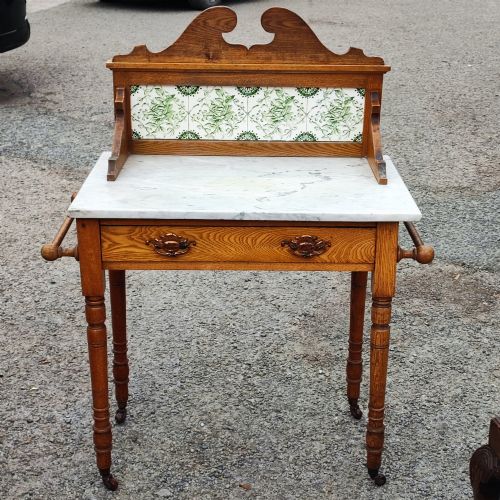
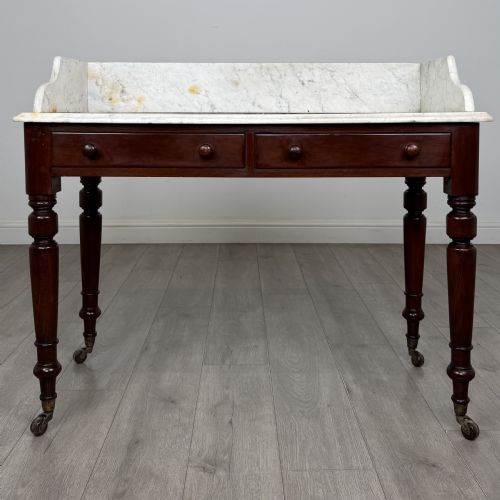
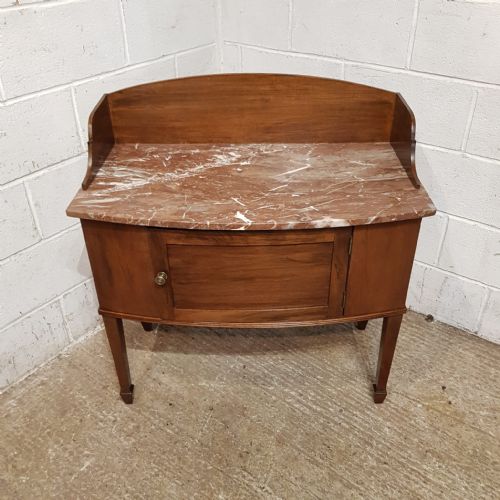
Slab marble, particularly white and rouge varieties, provided a durable, water-resistant top designed to withstand splashing during morning routines. Brass fixtures, ceramic inserts and glazed glass completed the construction of these functional furniture items.
Antique Vanity Wash Table Retail Price Guide 2026
Typical asking prices for vanity wash table among the pieces listed under this phrase on Sellingantiques today, from the lower quarter to the upper quarter. They describe what is for sale here now, not the wider market.
Listings feature mahogany, pine, ash, satinbirch, brass, marble and glass across Victorian, Edwardian, Georgian and Regency periods.
What separates the finest examples
The distinction between standard utility furniture and superior examples lies in the selection of timbers and the integration of decorative details. Finer pieces incorporate figured mahogany, delicate satinwood inlay or sculpted marble tops that elevate a utilitarian object into a refined item of interior decoration.
Structural integrity and the retention of original fixtures, such as brass gallery rails or matching ceramic basins, determine the integrity of a surviving washstand. Superior execution is visible in the precision of the joinery and the harmonious balance of timber and stone.
The Antique Vanity Wash Table Glossary
- Washstand
- A piece of furniture designed to hold a basin, jug and washing accessories for personal hygiene. These items became staples of bedroom furnishing during the eighteenth and nineteenth centuries.
- Gallery
- A raised wooden or brass rail positioned around the back and sides of a wash table top. This feature prevented water splashes from reaching the wall behind the furniture.
- Marble top
- A solid stone slab fitted to the surface of a washstand to provide a waterproof and hygienic working area. White and rouge varieties are frequently encountered on Victorian and Edwardian pieces.
- Corner washstand
- A specialised furniture form engineered to fit neatly into the corner of a room to save space. These often feature curved bow fronts and tiered shelving.
- Wash set
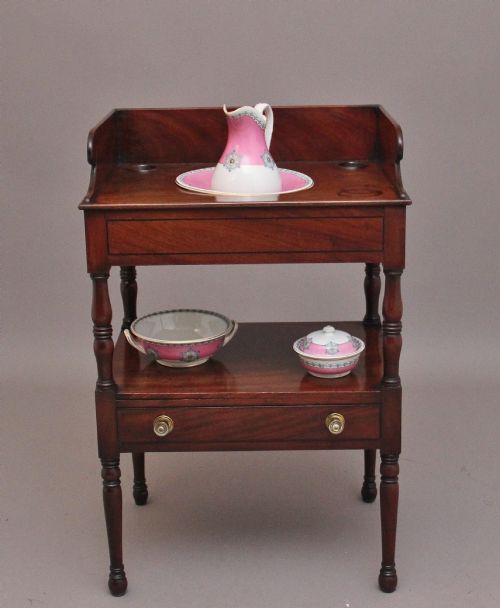
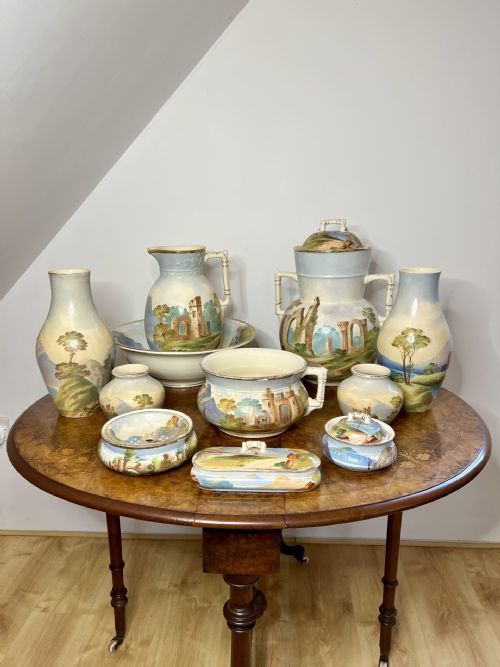
- A matching collection of ceramic vessels, typically comprising a large basin and jug, used in conjunction with a wash table. These sets complete the functional setup of period bedroom furniture.
Antique Vanity Wash Table: Frequently Asked Questions
How were wash tables used originally?
These pieces served as the primary washing station in bedrooms before modern plumbing was installed in houses. Users placed a ceramic basin and jug of water on the top surface for morning ablutions.
Lower tiers and cupboards often held soap dishes, chamber pots and fresh towels. They were essential daily furniture items found in almost every respectable bedchamber.
Where can I place a wash table today?
An antique wash table makes a practical and characterful addition to a modern bathroom or bedroom. The waterproof marble or wooden surfaces easily support contemporary toiletries and decorative items.
Smaller corner versions fit neatly into unused architectural angles in hallways or cloakrooms. They provide useful surface area while introducing period timber texture to an interior.
How do I identify a Victorian washstand?
Victorian examples frequently combine heavy mahogany or pine frames with thick marble tops and three-quarter galleries. They often display robust proportions and practical storage cupboards beneath the washing surface.
Later Victorian pieces may incorporate satinbirch or feature softer rustic finishes. Comparing the wood species and hardware style helps distinguish them from earlier Georgian items.
What is the difference between a washstand and a dressing table?
A washstand was built specifically to accommodate water jugs, basins and splashes, frequently utilising stone or tile surfaces. They prioritize water-resistant materials over cosmetic mirrors.
Dressing tables are generally designed for grooming and cosmetics, usually incorporating attached mirrors and shallow drawers for brushes. While both inhabit the bedroom, their original functions determined their material construction.