


Antique Spanish Carved Saint
An antique spanish carved saint is a wooden devotional figure carrying the weight of centuries, sought for quiet presence and hand-wrought tradition.
Antique Spanish Carved Saint
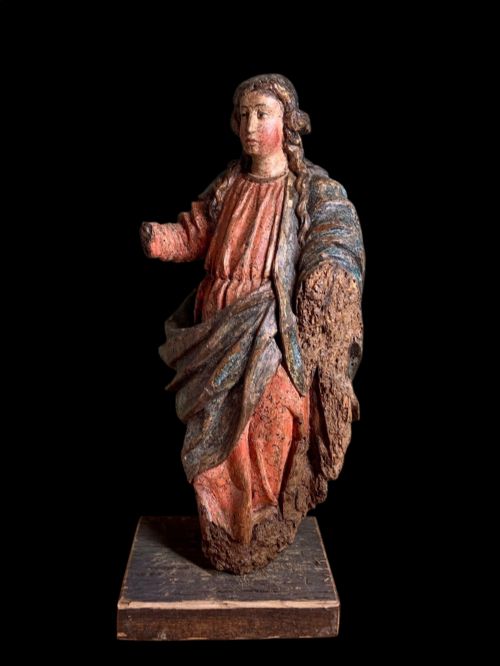
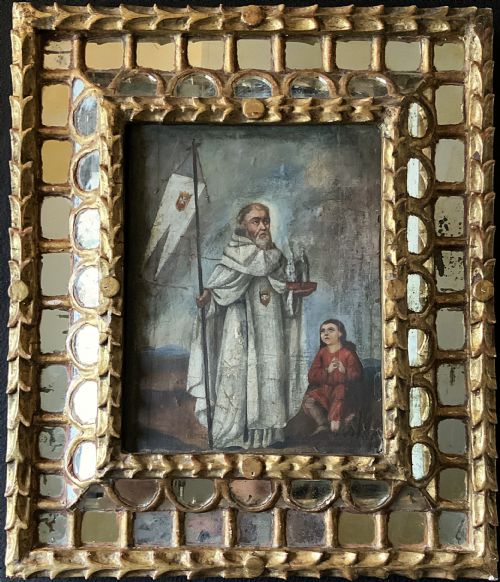
An antique spanish carved saint represents a devotional tradition stretching from the sixteenth century through the nineteenth century, encompassing forms such as religious statues, home altars, and character heads. Buyers encounter figures depicting specific holy figures like St. Roche, St. Jude, or Saint Francis, alongside acolyte candlestick figures and the Christ child holding the orb.
The objects span multiple stylistic movements, including Gothic, Baroque, and Spanish folk art, reflecting both ecclesiastical grandeur and rural devotion. Most examples found on this page date from the seventeenth and eighteenth centuries, shaped by hand from walnut and other woods.
Materials and construction methods
Craftsmen shaped these devotional figures primarily from carved wood, applying gesso layers to prepare surfaces for subsequent decoration. Polychrome paint and gold leaf brought the sculptures to life, creating robes and flesh tones that caught candlelight in dim chapels.
Some works incorporate glass eyes or delicate fabric elements, particularly in capipote figures designed for dressing in real garments. The underlying carving ranges from robust architectural timber to finely detailed walnut busts.
Listings feature works spanning the sixteenth century to nineteen hundred, utilising carved wood, gesso, gold leaf, and polychrome paint within Baroque and folk art styles.
Evaluating the craftsmanship
The distinction between standard devotional carvings and superior works lies in the depth and expression of the wood carving itself. Anatomical accuracy in the hands and face, alongside the vitality of the remaining polychrome paint and gold leaf, marks the better examples.
Original surface preservation heavily influences the character of each piece. Retaining the authentic layers of gesso and early paint without excessive later overpainting distinguishes a superior artefact from heavily restored alternatives.
The Antique Spanish Carved Saint Glossary
- Polychrome
- Painted in several colours, this technique decorated wooden sculptures with lifelike flesh tones and richly patterned garments. It defines much of early European religious art.
- Gesso
- A plaster mixture applied to wooden sculptures as a smooth base for gilding and painting. It helps secure the bond between wood and the surface decoration.
- Capipote
- A devotional figure with a carved head and hands attached to a cage-like wooden frame for clothing. These figures were dressed in actual textiles for processions and altars.
- Giltwood
- Wood carved and decorated with thin sheets of gold leaf. This finish added luminosity to ecclesiastical interiors.
- Acolyte
- An assistant in religious services, whose likeness often appeared on carved candlesticks supporting liturgical lights. These figures served functional roles in church settings.
Antique Spanish Carved Saint: Frequently Asked Questions
What is a capipote figure?
A capipote is a specific type of devotional sculpture featuring a carved wooden head and hands mounted to a simple underlying armature. These figures were traditionally dressed in real textiles for religious processions and home displays.
They allowed owners to change the garments according to liturgical seasons or feast days. Surviving examples offer insight into historic devotional practices.
How are these wooden sculptures dated?
Datation relies on stylistic markers from periods like the Gothic, Baroque, or Spanish folk art traditions. Tool marks, wood shrinkage, and the composition of underlying gesso layers also provide clues to age.
Comparing costume details, facial carving techniques, and known workshop styles helps narrow the century of creation. Expert analysis of the polychrome paint layers confirms whether finishes are original.
Were these figures meant for homes?
Many smaller sculptures and home altars were created for private domestic devotion rather than large churches. Wealthy families maintained household shrines for daily prayer and contemplation.
These domestic pieces often display a more intimate scale and folk art influence compared to grand cathedral works. They brought religious observance directly into the living spaces of historical households.
How should I care for antique wood?
Antique carved wood requires stable indoor humidity and protection from direct sunlight to prevent cracking and paint flaking. Sudden temperature shifts can damage the delicate gesso and polychrome layers.
Dusting should be done gently with a dry, soft brush rather than cleaning solutions. Preserving the original surface requires avoiding moisture and chemical polishes entirely.