


Antique Solid Wood Console
An antique solid wood console brings substantial timber character and functional surface area into a hallway or living room.
Antique Solid Wood Console
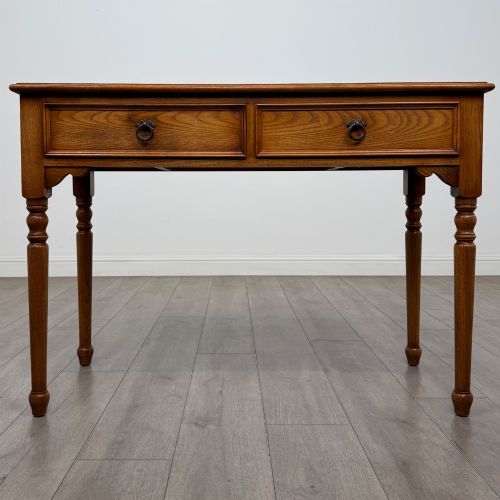
When you search for an antique solid wood console, you encounter heavy timber furniture designed for domestic use across several centuries. The selection ranges from early oak side tables and walnut serving pieces to later mahogany and teak examples.
Most pieces you meet here are side tables, serving tables, and writing desks rather than fitted wall-mounted consoles. They appear across periods including the seventeenth, eighteenth, and nineteenth centuries, alongside Edwardian and early twentieth-century interpretations.
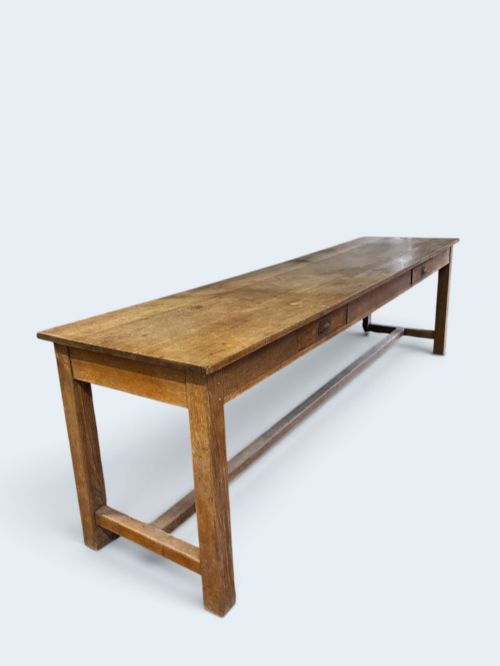
Makers and craftsmen utilised robust timbers suited to daily utility, resulting in forms that function as sturdy sideboards, tea tables, and occasional tables. Each item demonstrates the structural requirements of its specific period, from simple farmhouse boards to carved tables.
How these consoles were made
Makers constructed these tables predominantly from solid timbers such as oak, mahogany, walnut, teak, and rosewood. Joinery relied on traditional methods suited to heavy wood, ensuring long-term stability without relying on modern adhesives.
Surface treatments and hardware involved simple brass pulls, iron supports, and hand-applied finishes that developed patinas over decades of use. Carving and turning techniques varied by style, producing bamboo-turned legs or elaborate Spanish Baroque detailing depending on the regional origin.
The documented periods span from the 17th century through the 18th and 19th centuries into the Edwardian era and 1920.
What varies in quality
Quality separates through the selection of timber grain and the integrity of the original construction. Superior examples retain their initial patination and structural fastenings without excessive timber replacement.
The sophistication of the carving and turning work distinguishes standard domestic items from finer decorative pieces. Proportions and the clever use of small spaces also mark out the more successful designs in this category.
The Antique Solid Wood Console Glossary
- Patina
- The surface sheen and coloration developed by timber through age, handling, and exposure to light over many decades.
- Drop-leaf
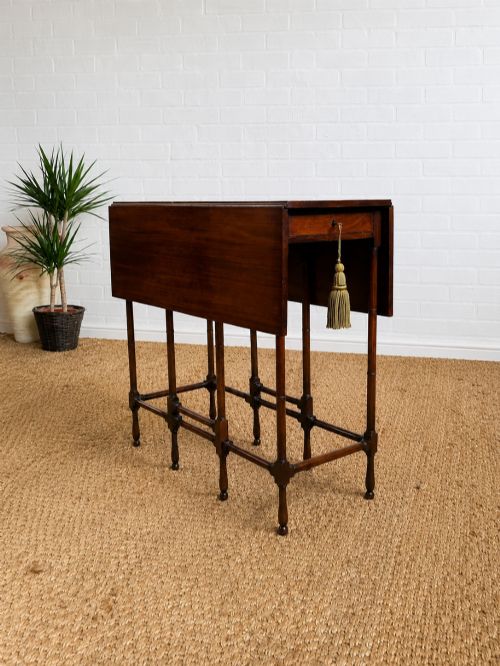
- A table design featuring hinged flaps that fold down to reduce the footprint or lift up to extend the surface area.
- Dresser base
- A low wooden sideboard typically fitted with drawers or cupboards, originating as a functional kitchen or dining room utility piece.
- Sutherland table
- A narrow drop-leaf table with exceptionally slim legs, designed to fold completely flat when not in use.
Antique Solid Wood Console: Frequently Asked Questions
What is an antique solid wood console used for?
These tables serve as practical surface areas in hallways, living rooms, and dining spaces for lamps, books, and decorative objects. Their sturdy timber construction allows them to function reliably for daily domestic tasks.
Historically, similar forms acted as serving tables, writing desks, or tea tables depending on their specific drawer configurations and top designs.
How do I date an antique solid wood console?
Dating relies on identifying the primary timber, construction joints, and stylistic details typical of specific centuries. Oak and walnut predominate in earlier periods, whereas mahogany and teak become common later on.
Stylistic cues such as bamboo-turned legs, heavy Baroque carving, or simple Edwardian lines help narrow the manufacturing era.
How do I care for solid wood furniture?
Maintain timber surfaces by keeping them away from direct heat sources and sudden humidity changes that cause wood to split. Regular dusting with a dry cloth protects the finish and preserves the natural patina.
Avoid harsh chemical cleaning products that strip historical wax and oil finishes from the antique wood.
Where should I place a console in my home?
Place a console table against a hallway wall or behind a sofa to provide a convenient surface for everyday items. Narrow proportions make them suitable for transitional spaces where floor area is restricted.
Ensure the height matches surrounding furniture and the room's proportions for a balanced interior arrangement.