




Antique Soapstone Carving
An antique soapstone carving brings tactile depth to a desk, capturing intricate figures and scholarly forms through soft mineral surfaces.
Antique Soapstone Carving
An antique soapstone carving encompasses scholar's desk accessories, figural sculptures, and decorative vessels originating primarily from Chinese and Victorian workshops. Buyers seeking these works encounter brush pots, desk seals, and animal groups fashioned from steatite and soapstone.
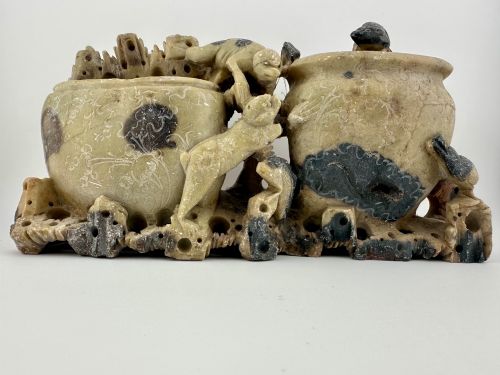
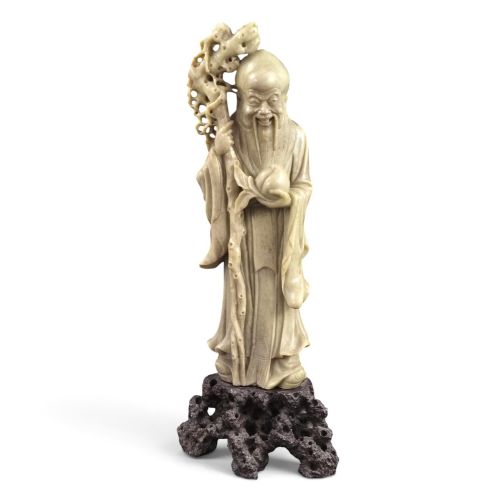
The selections span the nineteenth century through the early decades of the twentieth century, including Qing Dynasty and Republic Period examples. Formats range from single figures of Shoulao or Buddha to complex double brush washers and puzzle cups.
Materials and construction methods
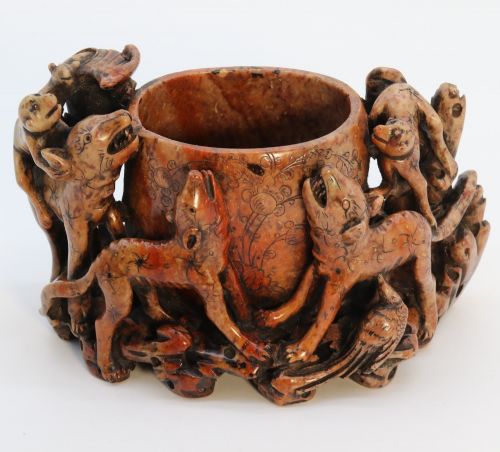
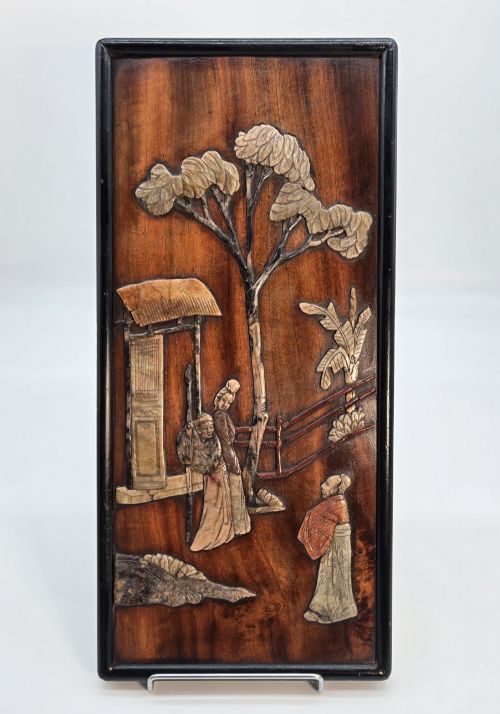
Artisans carved these objects directly from soapstone, steatite, and hardstone, occasionally mounting them within wooden frames, oak structures, or black lacquer panels. The softness of the mineral permitted deep undercut relief work and fine facial detailing.
Secondary elements incorporate brass, gilt metal, and lacquer alongside hardwood bases and stands. Desk accessories often combine stone elements with fitted wooden components designed for scholar's tables.
Certain stone animals wear permanent expressions of mild astonishment while guarding desks.
Distinctions in quality and execution
The integration of supportive elements, such as custom carved hardwood stands or fitted oak display frames, distinguishes higher tier examples. Natural colour variation within the stone further elevates the visual appeal of a sculpture.
The Antique Soapstone Carving Glossary
- Steatite
- A compact variety of talc-schist commonly known as soapstone, valued for its softness and suitability for detailed carving. This mineral forms the primary body of the sculptures.
- Brush Washer
- A scholar's vessel designed for cleaning calligraphy brushes in East Asian literati culture. These items often incorporate carved animal or landscape motifs.
- Chi Dragon
- A traditional motif depicting a juvenile or hornless dragon, frequently carved in low relief upon seals and vessels. The design has ancient roots in Chinese ornamentation.
- Seal
- A carved stamp or block used for personal signatures, typically topped with animal figures such as Foo dogs or mythical beasts. These objects served administrative and artistic functions.
- Shoulao
- The Taoist deity of longevity, regularly depicted as an elderly man with an elongated forehead and a staff. Sculptures often present this figure seated or standing among attendants.
Antique Soapstone Carving: Frequently Asked Questions
How were soapstone carvings used?
Many of these objects functioned as scholar's desk accessories, including brush pots, paperweights, and seals for stamping documents. Others served purely decorative purposes within studies and reception rooms.
Figural groups and animal studies also occupied domestic spaces as cabinet ornaments and display pieces, reflecting traditional symbolism and cultural narratives.
How do I care for soapstone?
Soapstone is a relatively soft mineral that requires gentle handling to prevent surface abrasions and chipping on delicate protrusions. Dust the surface regularly with a soft, dry cloth rather than using liquid cleaning agents.
Keep pieces away from direct heat sources and harsh chemicals to preserve the natural finish and any associated wooden mounts or lacquer frames.
How are periods identified?
Dating relies upon stylistic markers associated with Qing Dynasty production, Victorian framing techniques, and early twentieth-century workshop traditions. Tool marks, the treatment of figures, and the integration of auxiliary materials provide further chronological clues.
Comparative analysis with documented cabinet pieces and desk seals helps establish the likely decade of manufacture.
What is a Chinese seal?
A Chinese seal is a carved stone block featuring a personal or bureaucratic signature at the base, surmounted by an ornamental sculpture. Common top carvings include Foo dogs, dragons, and Buddhist figures.
These items combined utilitarian function with sculptural artistry, frequently resting on scholar's desks alongside brush washers and inkstones.