


Antique Single Accent Chair
These antique single accent chairs bring immediate character to a corner, drawing on centuries of craftsmanship in mahogany, walnut, oak, and elm.
Antique Single Accent Chair
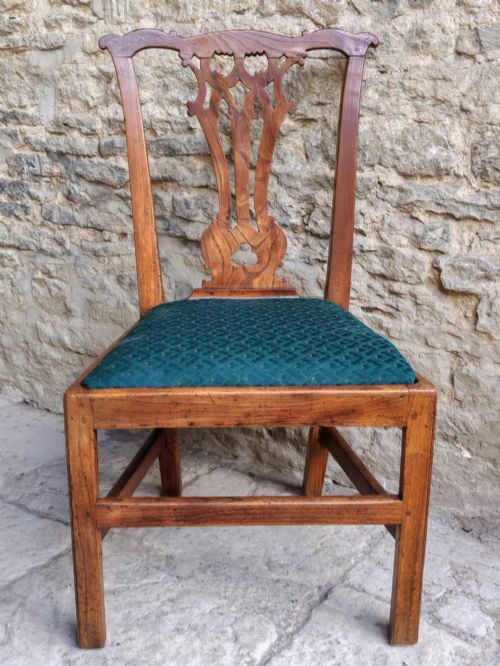
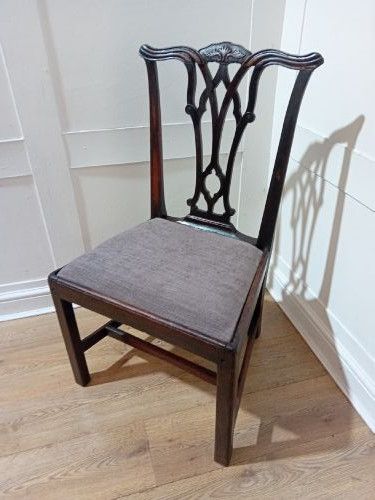
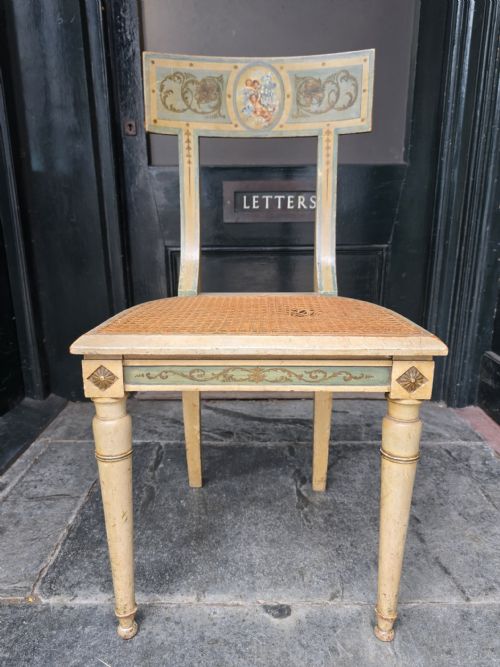
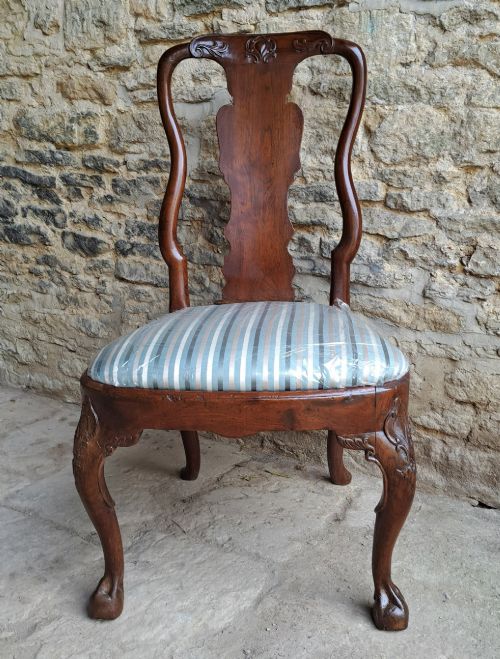
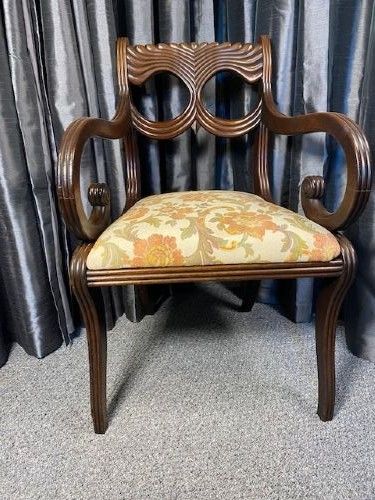
An antique single accent chair serves as a striking standalone piece in a room, offering both function and historical charm. When searching for an antique single accent chair, buyers encounter various forms including side chairs, armchairs, hall chairs, and dining chairs used individually.
The selection ranges widely across periods, encompassing 17th century, 18th century, Regency, and Victorian eras. Regional farmhouse styles in elm sit alongside formal Georgian mahogany pieces and carved oak designs.
Most examples function as bedroom chairs, desk chairs, or hall seats, chosen to introduce texture and period detail to a specific spot. Different regional workshops and changing domestic habits over the centuries shaped the variety of forms available today.
Materials and construction methods
Timbers selected by makers included sturdy hardwoods such as mahogany, walnut, oak, and elm, chosen for durability and grain. Timber preparation involved careful seasoning and traditional joinery to ensure structural integrity across centuries of use.
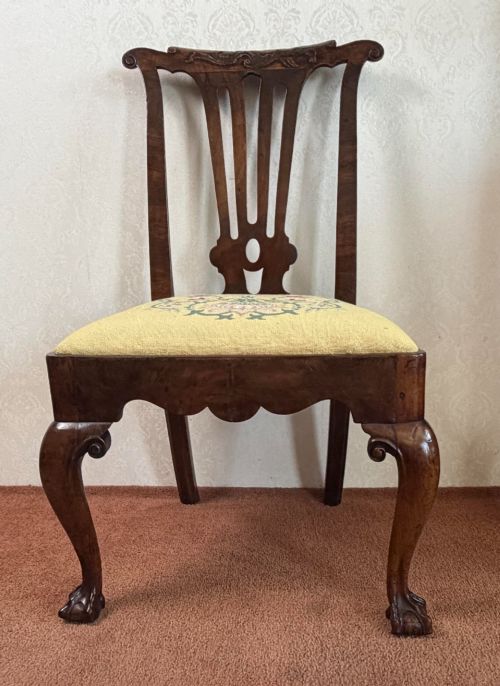
Upholstery and seating surfaces varied from solid wood and rush seats to needlepoint, tapestry, and fabric upholstery. Hand-carved details, pierced splats, and painted finishes appeared on formal models, whilst country pieces relied on simpler turned or carved elements.
Current listings feature materials ranging from solid oak and elm to figured mahogany and walnut, spanning the seventeenth through to the early twentieth century.
Distinctions in craftsmanship and design
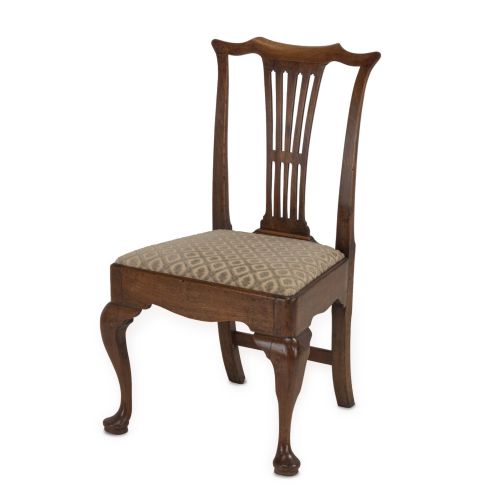
The sophistication of the carving and the choice of timber set finer pieces apart from utilitarian seating. Superior examples exhibit crisply executed pierced splats, harmonious proportions, and dense, well-figured timbers like Cuban mahogany or English walnut.
Integrity of construction and the retention of original elements dictate the standing of a piece within its period. Chairs displaying thoughtful hand-carved backrests and period-appropriate upholstery materials represent the higher tier of surviving examples.
The Antique Single Accent Chair Glossary
- Carver chair
- An armchair, typically heavier and more imposing than a side chair, often placed at the head of a table or used as a prominent accent.
- Splat
- The vertical wooden strip down the centre of a chair back, which makers often shaped, pierced, or carved for decorative effect.
- Needlepoint
- A form of canvas work embroidery used for upholstery, providing durable and decorative seat coverings on period chairs.
- Drop-in seat
- A removable upholstered frame that fits into the seat rail of a chair, common in 18th-century seating.
Antique Single Accent Chair: Frequently Asked Questions
Where should I place an accent chair?
An antique single accent chair works well in a hallway, bedroom corner, or beside a desk where a statement piece is needed.
Because these chairs are designed to be viewed from multiple angles, they suit spaces where the back and carved details remain visible.
How do I identify a Georgian chair?
Georgian chairs often feature mahogany or walnut construction, with notable stylistic markers like pierced splat backs and cabriole legs.
Examining the timber and joinery helps distinguish pieces from this period against later Victorian revivals.
Can I use an antique chair daily?
Most wooden side and hall chairs remain sturdy enough for regular seating if the frame joints are sound.
Checking the stability of the timber and the condition of the rush or upholstered seat ensures the chair handles everyday use.
What is a hall chair?
A hall chair is a rigid, wooden seat traditionally placed in entrance halls and featuring carved or painted family crests.
These pieces prioritise architectural presence and durability over cushioned comfort.
How do I care for antique wood?
Keeping wooden furniture away from direct sunlight and sudden temperature changes protects the finish and timber.
Applying appropriate wax occasionally helps maintain the lustre of mahogany, walnut, and oak surfaces.