
Antique Silvered Table Stand
An antique silvered table stand brings polished weight and reflective elegance to a dining surface, combining utility with ornamental grace.
Antique Silvered Table Stand
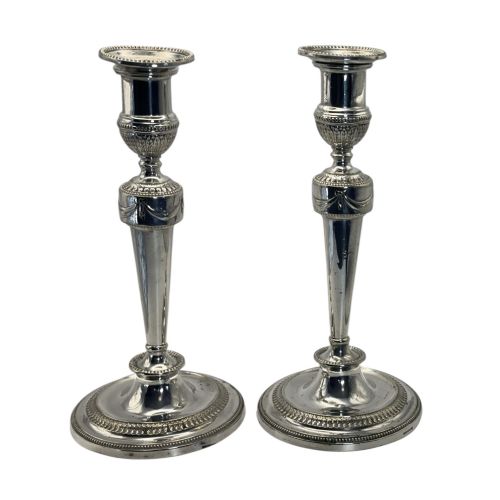
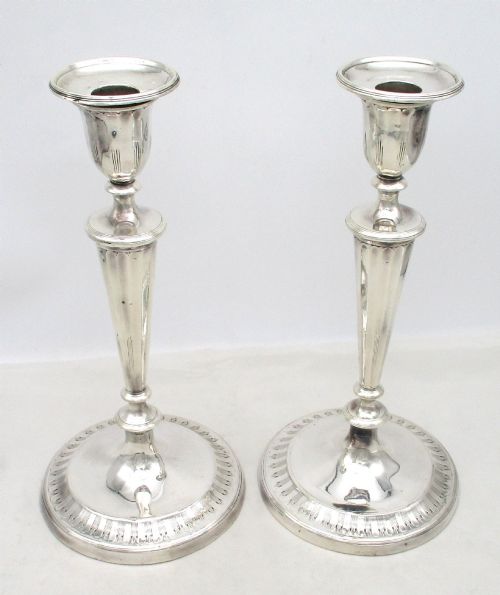
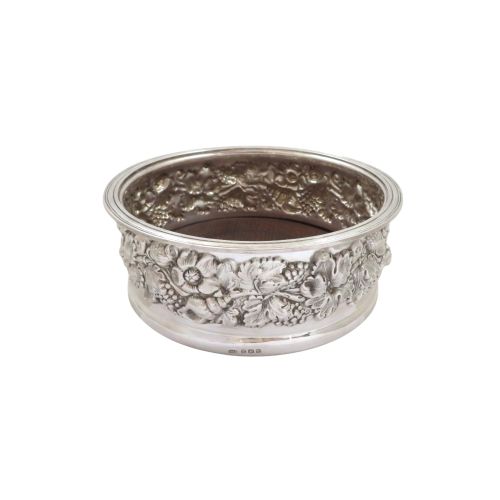
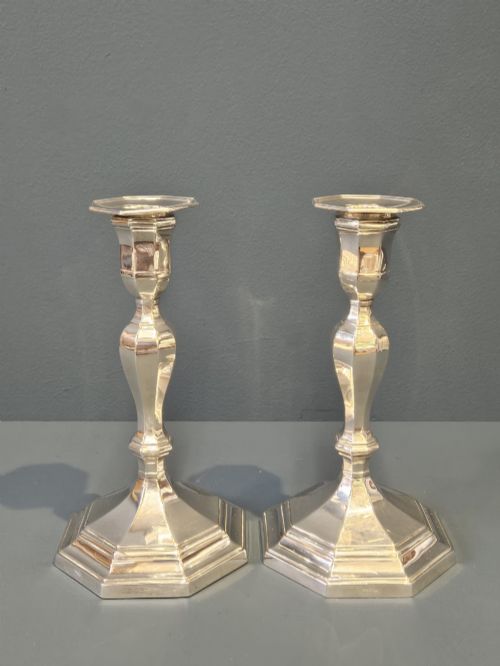
When you search for an antique silvered table stand, you enter a diverse field of decorative metalwork and functional dining accessories. The listings reveal that these pieces encompass a wide assortment of forms rather than a single uniform shape, spanning from towering candlesticks and grand centrepieces to intimate menu holders, cruet sets, and wine coasters.
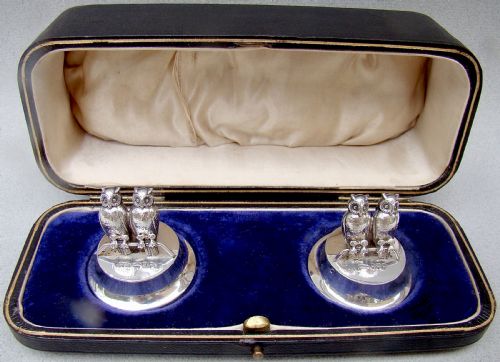
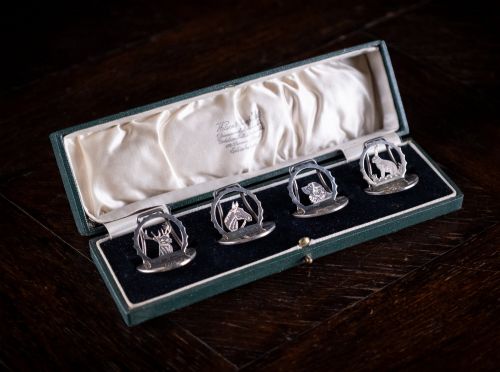
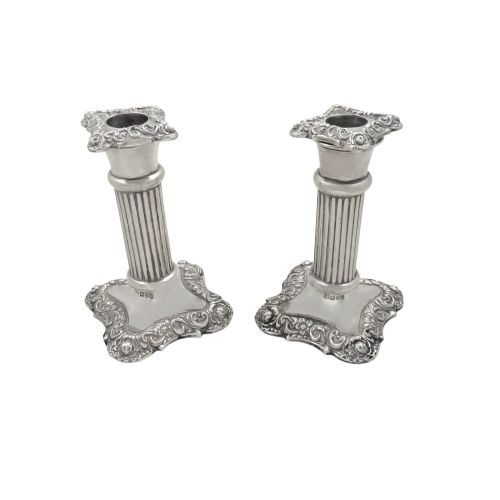
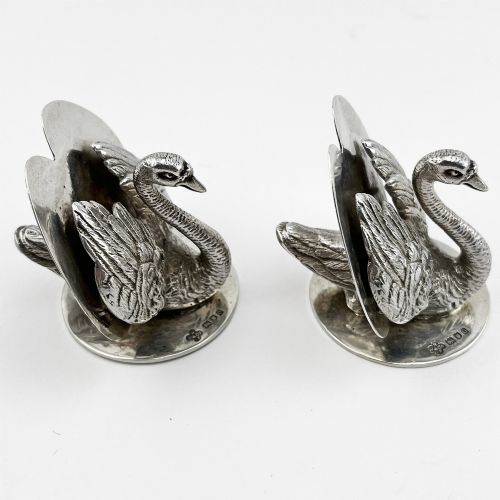
The objects most frequently met on this page belong predominantly to the Edwardian and Victorian eras, alongside select pieces from the nineteenth and early twentieth centuries. Candlesticks in Corinthian column designs and figural menu holders featuring animals or birds appear regularly among the offerings.
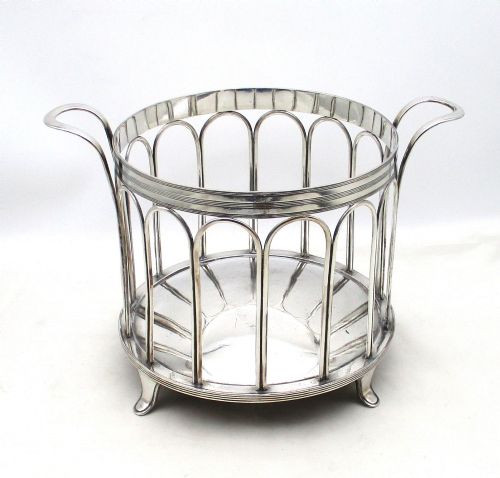
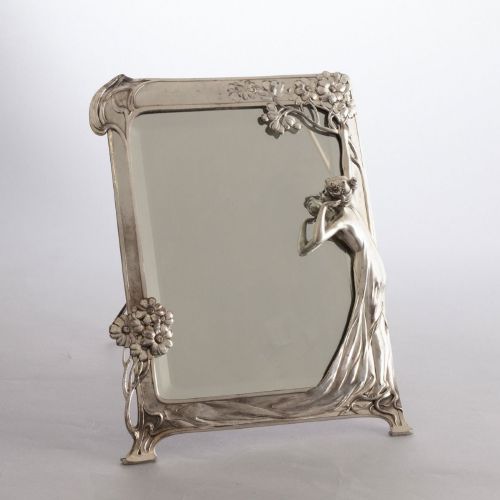
Origins vary across British workshops as well as continental makers, utilising sterling silver, silver plate, and electroplated nickel silver. Buyers will also encounter specialised serving pieces such as bottle coasters, extending dish stands, and vanity mirrors that share the characteristic silvered finish.
Materials and construction methods
Makers utilised solid sterling silver and heavy silver plating over base metals such as nickel silver or copper, frequently incorporating cut glass, wood, velvet, and enamel into the designs. Techniques involved casting, embossing, and silver plating to achieve the reflective surfaces seen across the pieces.
Heavier items often relied on weighted bases filled with resin or plaster to ensure stability, particularly in tall candlesticks and column supports. Structural joints were soldered or mechanically fastened, while decorative details such as Corinthian capitals and figural motifs were cast separately and applied by hand.
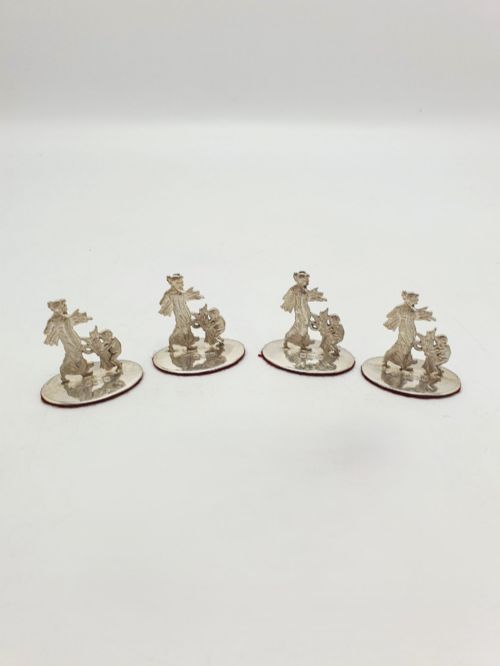
Among the miniature menagerie of menu holders, a cheeky monkey playing drums shares the table with watchful owls and leaping fish.
Distinctions in craftsmanship
Quality rests in the crispness of the chasing, the weight of the metal, and the integrity of the underlying structure. Superior examples display sharply defined figural modelling and robust gauge silver or thick plating that resists wear.
Design complexity and maker reputation separate standard production items from exceptional commissions. Pieces bearing clear hallmarks from notable silversmiths or established retailers command greater interest through documented provenance and superior finishing.
Mappin & Webb·Levi & Salaman·A Wilcox·Christofle·Garrard & Co·Sampson Mordan·Brook & Son·WMF
The Antique Silvered Table Stand Glossary
- Sterling silver
- An alloy containing a high proportion of pure silver combined with other metals for durability. British pieces typically display standard assay marks.
- Silver plate
- A thin layer of silver bonded to a base metal core such as copper or nickel silver. Old Sheffield Plate involves fusing silver to copper under heat.
- Cruet set
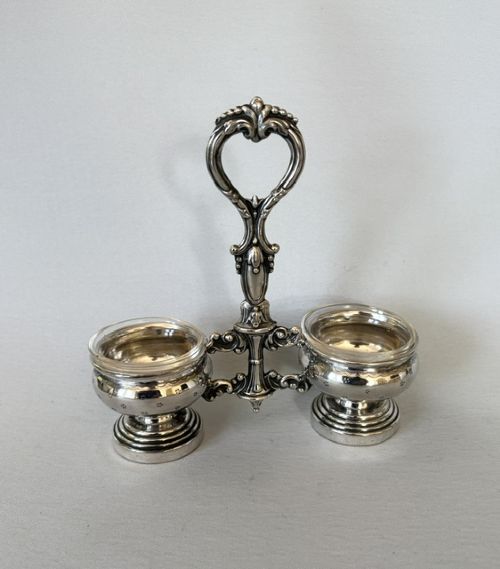
- A matched collection of bottles, jars, or castors designed to hold condiments and seasonings at the dining table. They frequently sit within a silvered metal frame or stand.
- Menu holder
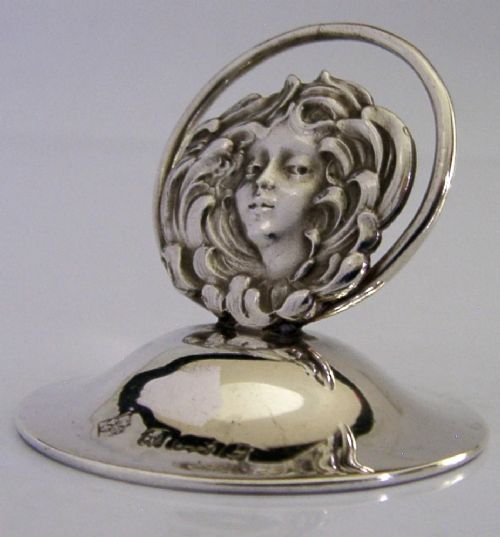
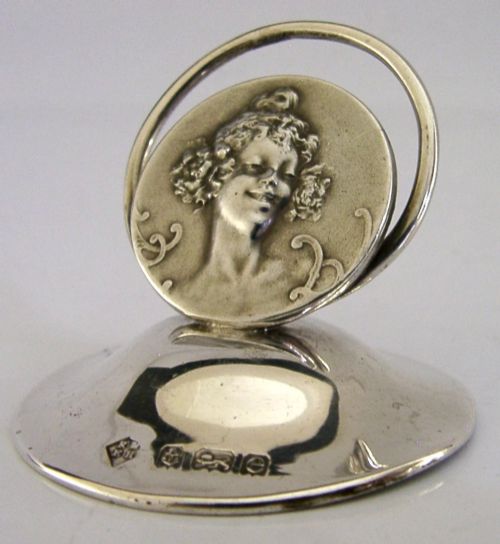
- A small decorative stand used to display dining menus or place cards on a table. Edwardian examples often depict whimsical animals, birds, or figural scenes.
- Corinthian column
- An architectural style adapted for candlesticks featuring ornate capitals decorated with acanthus leaves. This classical form remained popular throughout the Victorian and Edwardian periods.
Antique Silvered Table Stand: Frequently Asked Questions
What is an antique silvered table stand?
An antique silvered table stand refers to decorative and functional metal tableware pieces finished with silver or silver plating. These items include candlesticks, cruet sets, coasters, and display frames.
They were designed to elevate dining and dressing tables both practically and aesthetically. The category covers various forms produced from the nineteenth century through the early twentieth century.
How were silver plated stands made?
Makers constructed these stands using base metals like copper or nickel silver coated with a layer of pure silver. Techniques ranged from early fusion plating methods to later electroplating processes.
Heavier structural components were often cast or spun, while decorative borders and figural elements were applied separately by hand.
How do I care for antique silvered items?
Care requires gentle cleaning with specialised silver cloths to remove tarnish without harming the underlying plating or metal. Avoid harsh abrasive cleaners or chemical dips that strip the surface.
Store pieces in dry environments away from direct sunlight and humidity to preserve the reflective finish. Handling items with clean hands or cotton gloves prevents oils from accelerating tarnishing.
How can I date my table stand?
Dating relies on examining manufacturer stamps, style characteristics, and assay hallmarks where present. British silver typically carries date letters and maker marks that pinpoint the exact year of production.
Stylistic cues such as Edwardian neoclassical revival or Art Deco geometric lines also help assign pieces to specific decades. Comparing construction methods provides further clues to the period of manufacture.