

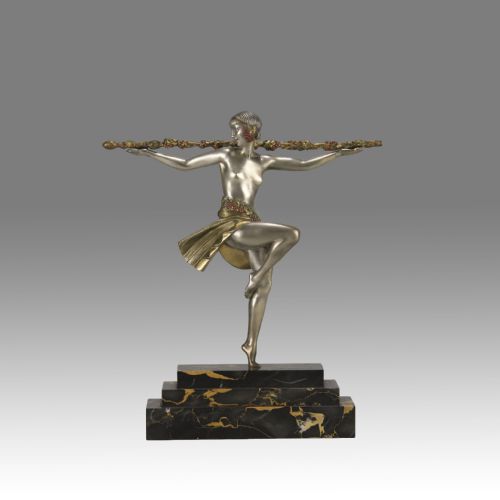
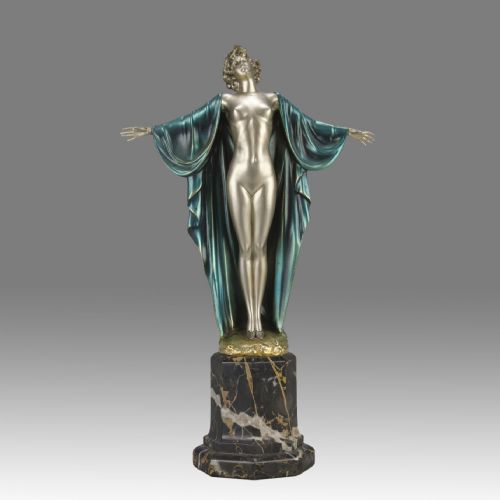
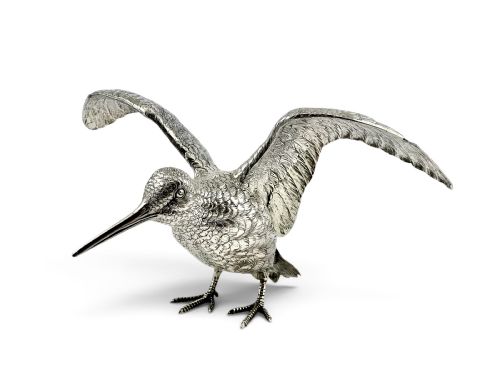
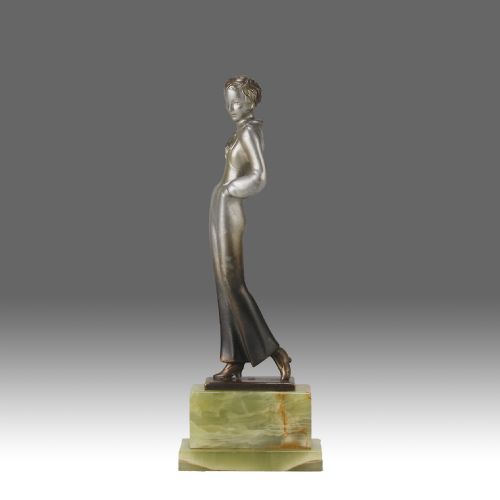
Antique Silvered Sculpture
When you handle an antique silvered sculpture, you touch an era where metals and patinas met to capture dancers, animals, and machines with striking fidelity.

Antique Silvered Sculpture
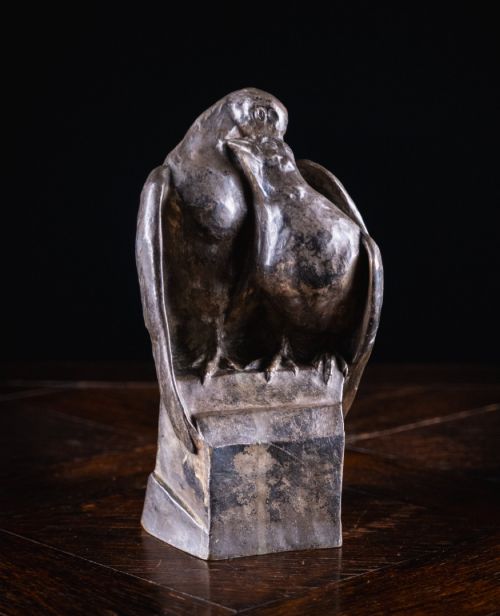
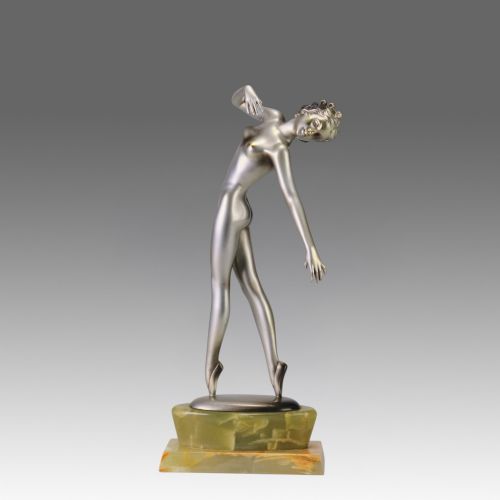
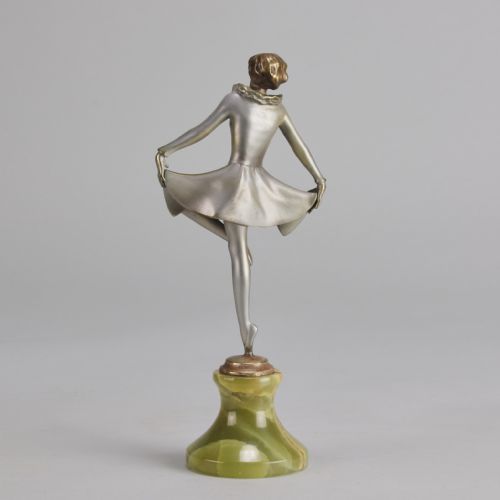
An antique silvered sculpture encompasses figural works, table ornaments, and desk accessories created across the nineteenth and twentieth centuries, spanning Victorian, Edwardian, and Art Deco eras.
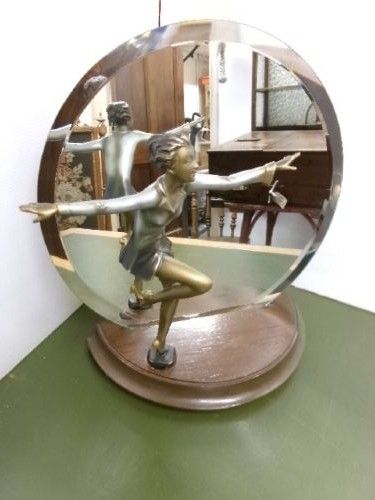
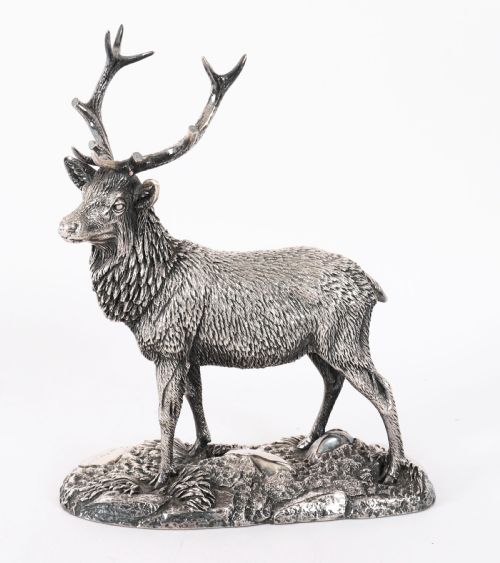
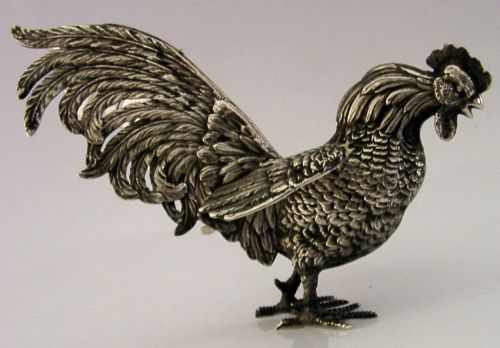
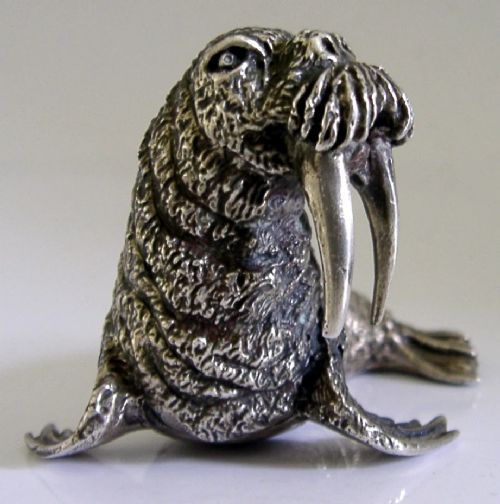
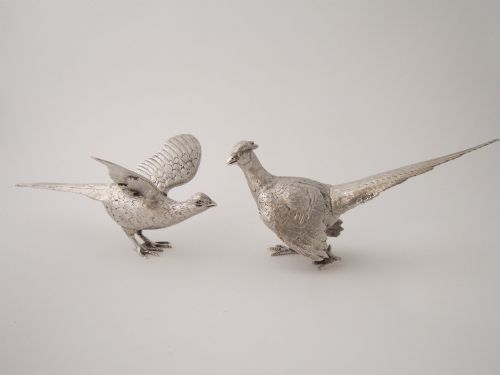
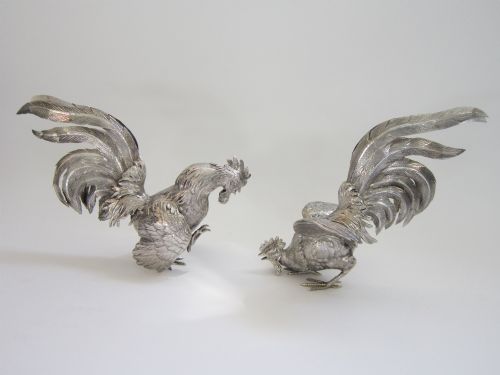
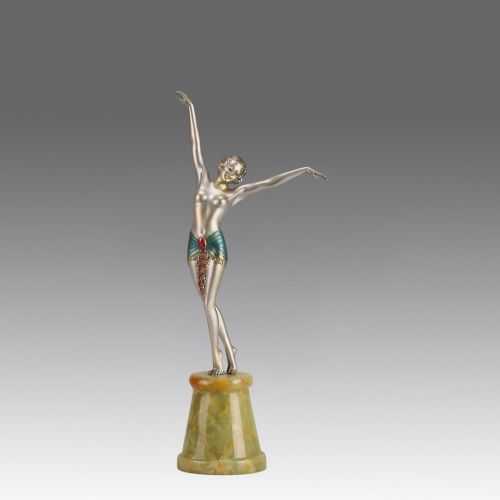
The objects take many forms, from animalier studies of stags, pheasants, and cockerels to human figures including dancers, riders, and mythological subjects.
Buyers most frequently encounter pieces fashioned from bronze, spelter, and sterling silver, often mounted on bases of marble or onyx.
Materials and casting techniques
Makers utilised casting methods in bronze, silvered bronze, and spelter, applying cold-painted or silvered surfaces to achieve tonal depth.
Many sculptures incorporate mixed media elements, pairing metal figures with carved marble bases, wooden mounts, or ivory details.
Millinery mould blocks made of aluminium sit alongside bronze dancers, proving that hat-makers and sculptors shared an unexpected industrial affinity.
Craftsmanship and finish
The standard of a piece rests upon the crispness of the cast and the retention of its original silvered or cold-painted surface.
Finer works display meticulous chiselling by hand after casting, whilst simpler commercial items show softer details and uniform machine finishing.
Tom Mackie·Pierre le Faguays·Ferdinand Preiss·Josef Lorenzl·Frederique Cederlund-Ozanne·Berthold Muller·Gotthilf Jaeger·Edward John Barnard·Claire Jeanne Roberte Colinet·Demetre Chiparus·Pierre Laurel
The Antique Silvered Sculpture Glossary
- Animalier
- A nineteenth-century artistic movement dedicated to the realistic portrayal of animals, particularly predators, game birds, and horses. Works in this style demand anatomical accuracy and dynamic posture.
- Spelter
- An alloy of zinc and lead used widely as a cost-effective alternative to bronze during the Art Deco period. It takes patination readily but requires careful handling due to its relative softness.
- Cold-painted bronze
- A technique where paint is applied to a bronze casting without subsequent firing, common in Austrian workshops of the early twentieth century. The finish remains susceptible to flaking if exposed to moisture.
- Silvered bronze
- Bronze or brass that has received a chemical or electrolytic coating of silver to mimic solid silver objects. This surface develops a characteristic soft patina over decades of gentle oxidation.
Antique Silvered Sculpture: Frequently Asked Questions
How do I clean an antique silvered sculpture?
Dust the piece gently with a dry, soft brush to remove surface particles without disturbing the delicate metallic skin. Avoid all liquid silver dips, abrasive polishes, and chemical cleaners that will strip the historic silvering entirely.
For stubborn grime, consult a professional conservator who understands patinated metal surfaces. Keeping the object away from direct sunlight and damp environments preserves the finish for decades to come.
What is the difference between solid silver and silvered bronze?
Solid silver objects carry British hallmarks indicating the assay office, standard mark, and date letter of creation. They are heavy throughout and possess a distinct metallic resonance when tested by an expert.
Silvered bronze or spelter pieces have a base metal core beneath a thin exterior coating of silver. Over time, friction at high points reveals the warmer bronze or grey spelter metal underneath.
Are these sculptures signed by the artist?
Many figures from the Art Deco period bear cast signatures or foundry marks directly upon the bronze or the integral marble base. Signatures should appear crisp and integrated into the casting process rather than scratched on afterwards.
Unsigned pieces remain common, particularly among anonymous animalier studies and utilitarian desk ornaments from the Edwardian era. Quality of execution often outweighs the presence of a signature when evaluating these works.
Where were most of these sculptures displayed originally?
Makers designed these objects to sit upon mahogany desks, marble mantelpieces, and drawing room occasional tables as decorative conversation pieces. Desk accessories like inkstands and paperweights served functional roles alongside their artistic display.
Larger figures often functioned as presentation trophies or architectural models commemorating aviation and sporting victories. Today, collectors place them on bookshelves, cabinets, and dedicated display surfaces.