

Antique Silvered Decanter
These pieces known as an antique silvered decanter bring together glass bodies and precious metal mounts from periods spanning the Georgian era to the Edwardian years.
Antique Silvered Decanter
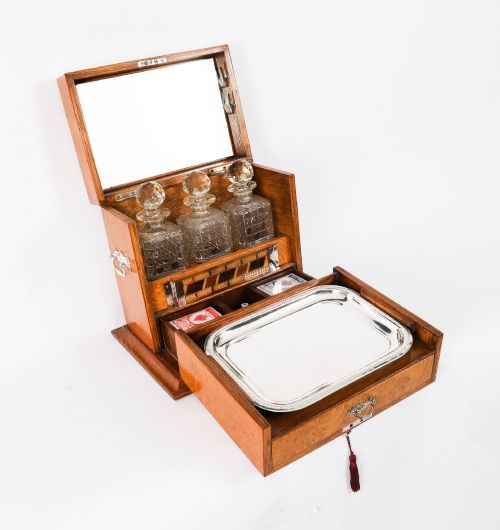
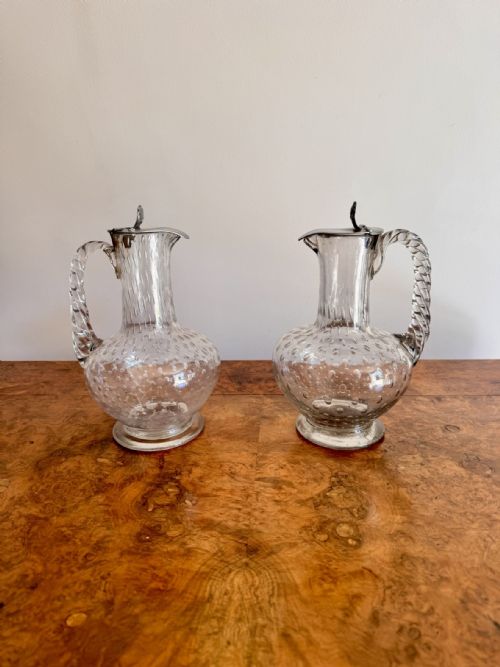
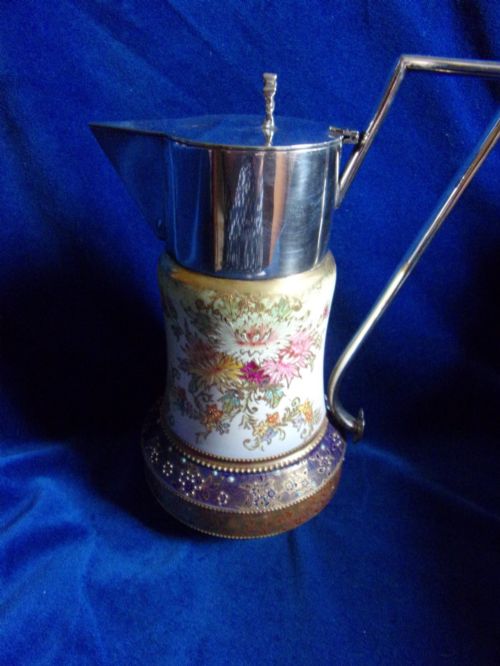
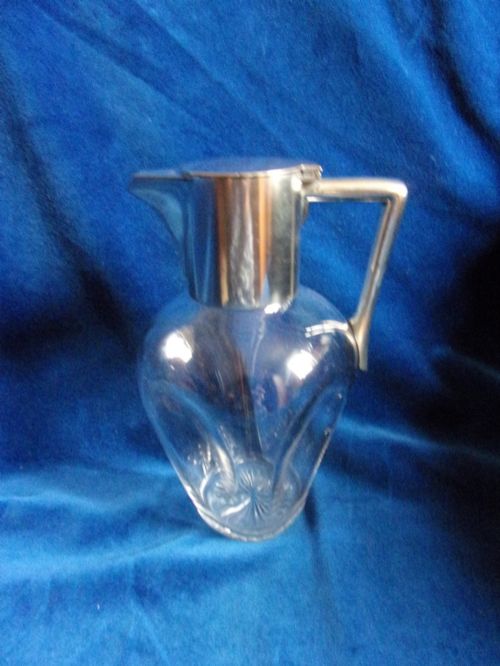
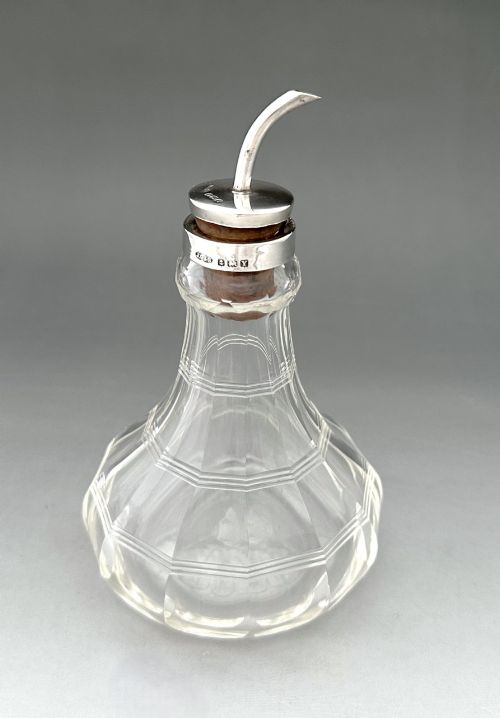
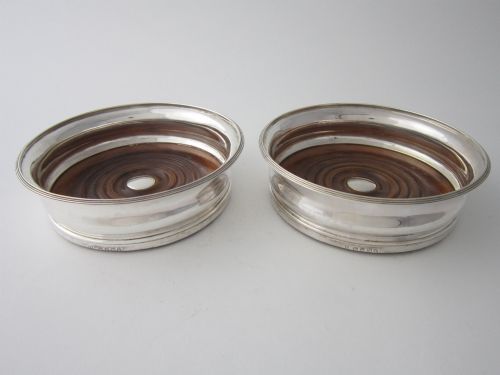
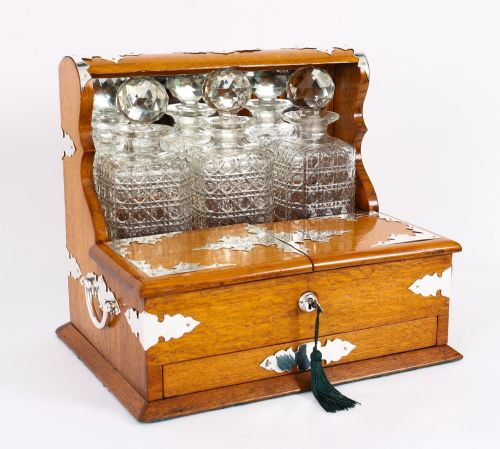
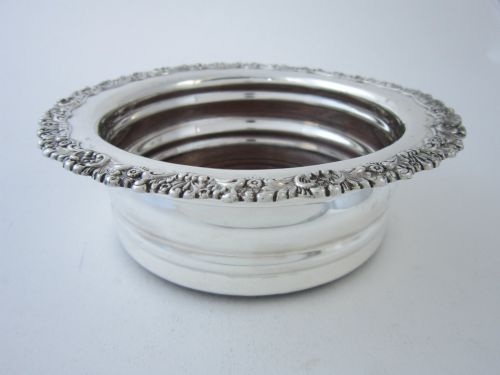
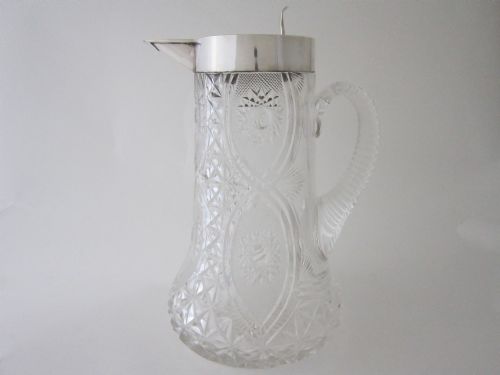
An antique silvered decanter brings together diverse drinking vessels and serving pieces, most frequently encountered as cut glass bodies fitted with sterling silver collars, mounts or labels. The selection spans distinct eras including the Georgian, Victorian and Edwardian periods, alongside related barware such as claret jugs, wine coasters, tantaluses and spirit barrels.
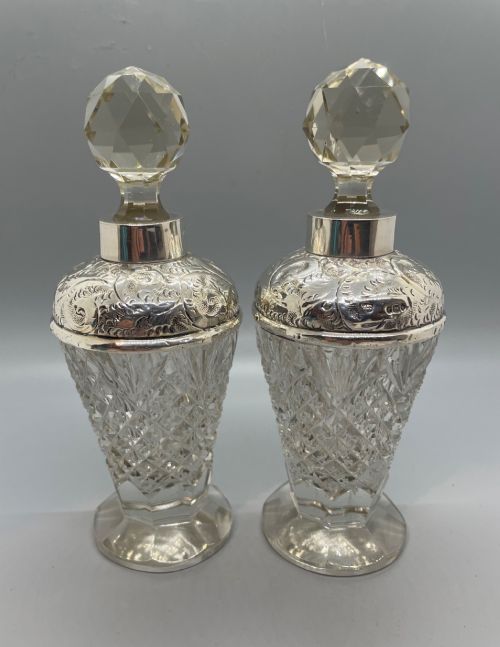
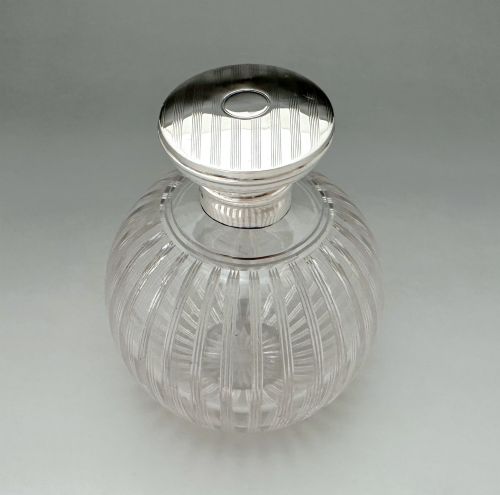
Buyers seeking this phrase encounter both clear cut crystal decanters with silver mounts and specialised pieces like silver overlay perfume bottles or silvered green glass decanters. The forms range from simple collar-shaped decanters to elaborate novelty jugs and games compendiums housing multiple bottles in oak frames.
How they were made
Makers shaped the glass bodies through blowing and deep cutting, producing heavy crystal and glass surfaces designed to reflect light alongside metal components. Artisans combined these glass elements with sterling silver, silver plate, Old Sheffield plate and occasionally wood such as oak for tantalus frames.
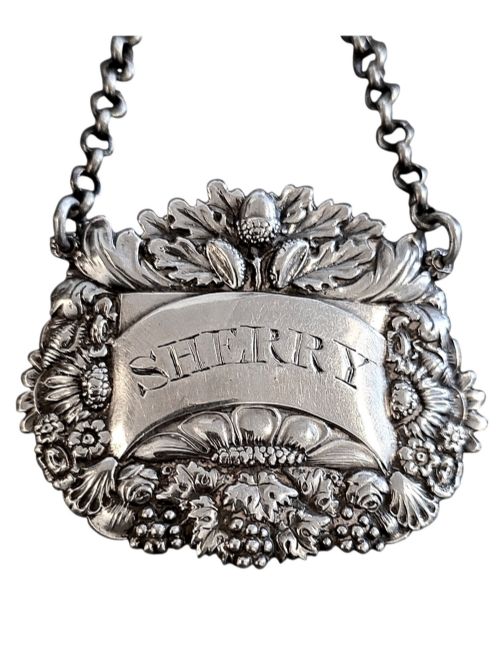
Silversmiths formed the mounts, collars and decanter labels through casting, hammering and detailed engraving, frequently incorporating floral motifs or heraldic designs. Overlay techniques involved adhering silver directly onto the glass body before final chasing and polishing.
The listings span multiple centuries, incorporating materials like cut crystal, sterling silver, silver plate, oak, and specialised glass varieties.
What varies in quality
Quality rests upon the crispness of the glass cutting and the weight of the silver mounts, where thicker gauges of sterling silver indicate superior manufacture. The integration between the metal collar and the glass neck demonstrates the maker's precision.
The distinction between standard production items and finer examples involves the clarity of the hallmarks, the depth of hand-engraved decoration on the silver labels and jugs, and the preservation of original stoppers paired correctly to the vessel.
Elizabeth Morley·Asprey and Co. Ltd·Digby Scott Benjamin Smith·John Reily·Lowe and Sone·Gorham·Henry Matthews·Walker and Hall·Solomon Hougham·Thomas Wallis II
The Antique Silvered Decanter Glossary
- Tantalus
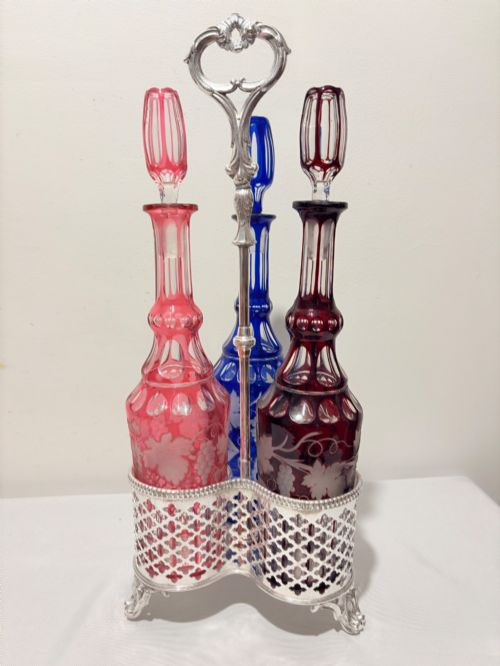
- A locked wooden frame holding decanters that displays the contents while preventing unauthorized access to the liquor inside. These typically date from the Victorian and later periods.
- Claret Jug
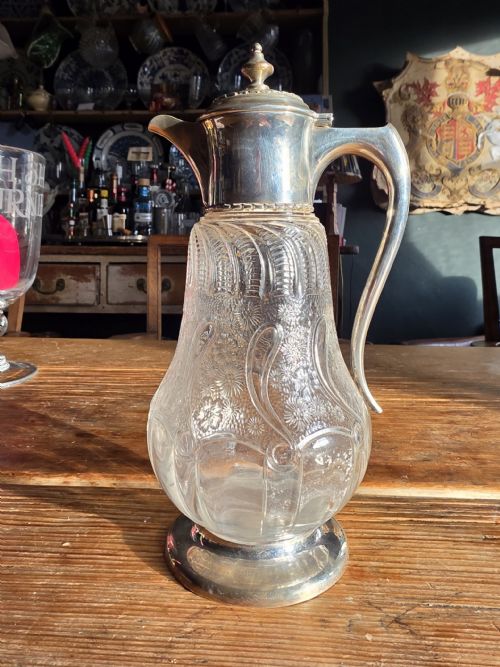
- A specialised pouring vessel designed for red wine, combining a glass or crystal body with a hinged silver mount, handle and spout. Many feature elaborate floral engraving.
- Decanter Label
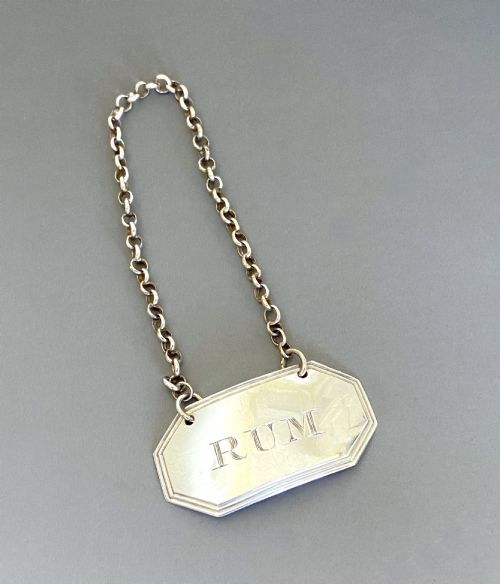
- A small silver tag hung by a chain around the neck of a bottle to identify the contents such as port, sherry or madeira. These bear maker marks and period hallmarks.
- Old Sheffield Plate
- A composite material made by fusing a thin sheet of silver to a thicker copper base before rolling. This technique predates modern electroplating.
- Silver Overlay
- A decorative technique where molten or sheet silver is applied directly to a glass or ceramic surface in intricate patterns. It gained popularity during the Art Nouveau era.
Antique Silvered Decanter: Frequently Asked Questions
How do I identify the date of a silver mount?
British silver mounts carry hallmarks that include a date letter, a assay office mark and a maker mark. These stamped symbols allow collectors to trace the exact year and city of manufacture.
Unmarked silver plate or foreign pieces rely stylistic clues such as the cut of the glass and the overall form to establish a reliable date range.
Are decanter stoppers original?
Many decanters retain their original stoppers, which were ground to fit the specific neck of that vessel during manufacture. Matching number marks on the base and stopper often confirm authenticity.
Replacements are common due to breakage over time, so checking the fit and glass tone helps determine if a stopper belongs to the piece.
What is Old Sheffield Plate?
Old Sheffield Plate is an early form of plated metal created by fusing silver to a copper core through heat and pressure. The resulting sheet was then worked into items like bottle coasters.
Under magnification or along exposed edges, the underlying copper layer occasionally shows through, distinguishing this method from later electroplating.
How were tantalus frames used?
A tantalus held three or more decanters securely within a wooden frame fitted with a locking metal bar across the stoppers. This kept the valuable spirits secure in dining rooms and studies.
Servants kept the key, preventing guests or household staff from pouring drinks without permission during the Victorian and Edwardian eras.