





Antique Silvered Console Table
An antique silvered console table brings striking reflective surfaces and grand architectural proportion to an interior, making it a dramatic choice for a hallway or reception room.
Antique Silvered Console Table
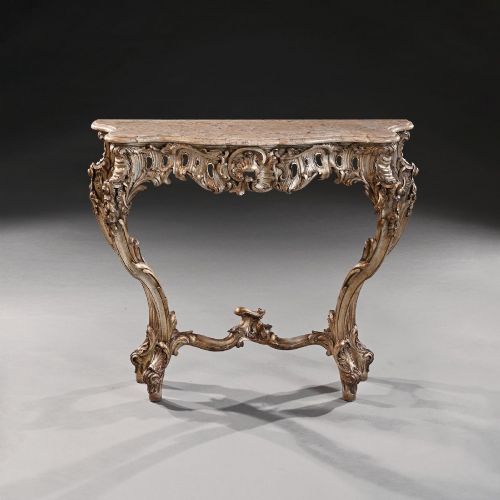
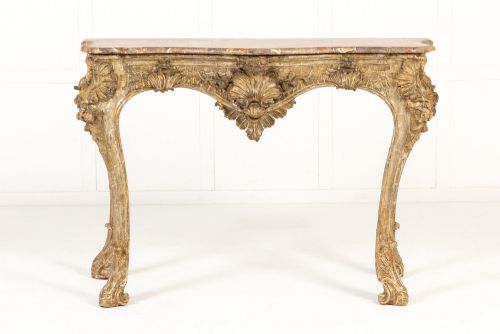
An antique silvered console table combines ornate carving with reflective metallic finishes, originating primarily from Georgian and eighteenth-century European workshops. These pieces frequently appear in Italian rococo, Dutch marquetry, and George III stylistic traditions.
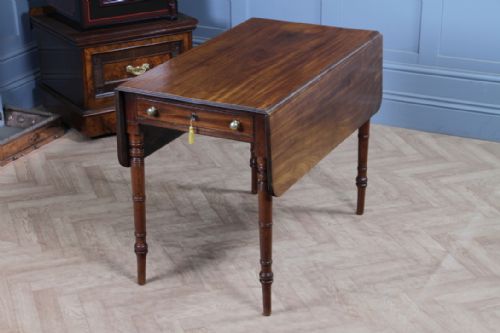
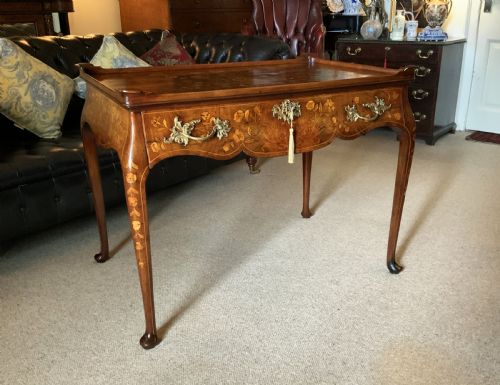
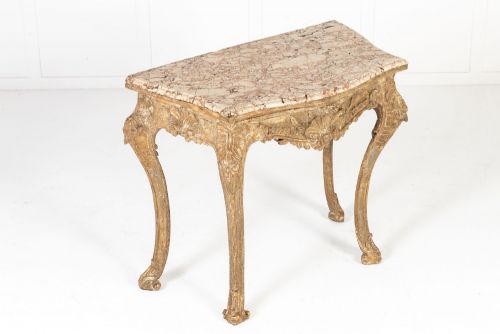
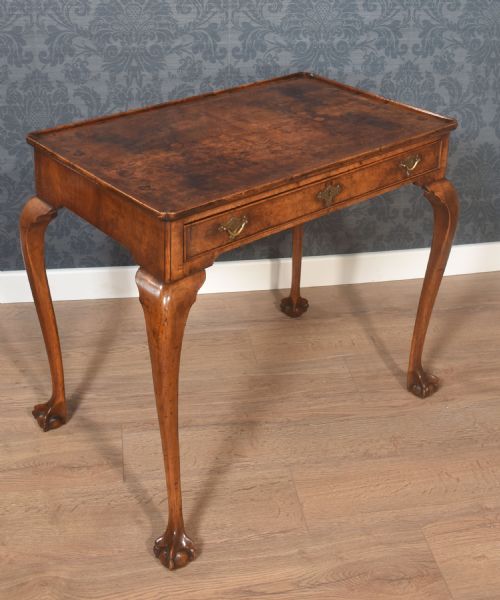
Buyers encounter forms ranging from small eighteenth-century Italian console tables with shaped marble tops to eighteenth-century walnut tea and silver tables. These furniture pieces served diverse domestic roles, functioning as serving surfaces, display ledges, or tea tables.
How they were made
Cabinetmakers constructed the primary carcase and legs using dense timbers such as mahogany and walnut, occasionally incorporating decorative marquetry depicting flowers and birds. Timber preparation required precise joinery to support heavy stone elements or frequent daily use.
Surfaces received elaborate treatments of gesso and silver leaf or silver gilt to create the characteristic metallic brilliance seen on Italian rococo and George III examples. Artisans applied these metallic layers by hand over carved wooden substrates to highlight intricate scrollwork and moulding.
Listings span the Georgian period, the eighteenth century, the nineteenth century, and the nineteen thirties, incorporating mahogany, walnut, marble, silver leaf, and gesso.
What varies in quality
The refinement of the hand-carved ornament dictates much of the distinction between standard examples and exceptional pieces. Crisp detailing in the foliage, scrolls, and legs separates skilled workshop production from simpler output.
The integrity of the original silver leaf, silver gilt, and gesso application determines the visual impact of the surface. Superior tables retain their layered metallic depth and harmonious relationship with the underlying timber or stone tops.
Elkington and Co
The Antique Silvered Console Table Glossary
- Console table
- A wall-mounted or freestanding table designed to stand against a vertical surface, frequently featuring decorative front legs and a shaped top. These tables often anchor formal reception rooms and hallways.
- Silver leaf
- Extremely thin sheets of beaten silver applied to gesso-coated wooden surfaces to simulate solid metal decoration. This technique imparts a bright, reflective finish popular in eighteenth-century Italian and English design.
- Silver gilt
- Silver applied over another metal base or wood, often treated to resemble solid precious metal through specialised coating methods. It provides durability alongside a rich, metallic lustre.
- Gesso
- A plaster-like mixture applied to wood to create a smooth surface for subsequent gilding or painting. It allows carvers to achieve sharp, intricate relief details before the metallic leaf is laid down.
- Marquetry
- The art of applying small pieces of veneer to a structure to form decorative patterns, pictorial scenes, or floral motifs. Dutch cabinetmakers utilised this technique extensively on eighteenth-century tables.
Antique Silvered Console Table: Frequently Asked Questions
Where should I place a console table?
Console tables fit naturally against entrance hallway walls, beneath large mirrors, or in formal drawing rooms. Their shallow depth allows them to occupy circulation spaces without obstructing movement.
In living areas, they function effectively as display surfaces for lamps, ceramics, or decorative objects. Their reflective silvered surfaces help brighten darker corners of a room.
How do I identify the period of a table?
Dating relies on examining the timber species, joinery methods, and stylistic vocabulary present in the carved decoration. Eighteenth-century examples often exhibit hand-cut joints, dense mahogany or walnut bodies, and characteristic rococo or George III motifs.
Later nineteenth-century pieces may display heavier proportions or revivalist details influenced by earlier eras. Comparing the hardware, secondary woods, and surface finishes helps confirm the era of manufacture.
What is the difference between a console and a silver table?
A console table is primarily architectural, designed to stand against a wall and sometimes secured to it for stability. A silver table traditionally refers to a specific eighteenth-century tea or display table form intended for holding silver service items.
While both share high-status materials and fine cabinetmaking, their original domestic functions and top configurations varied. Listings on this page encompass both forms alongside related occasional tables.