

Antique Silvered Candleholder
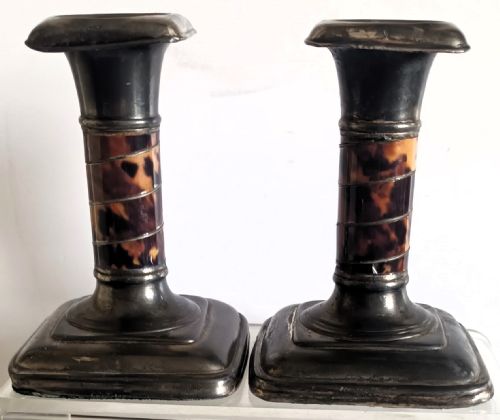
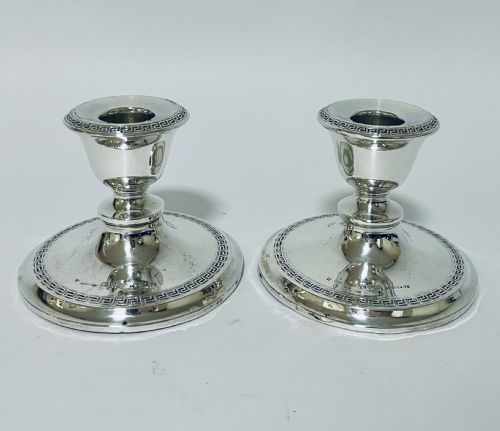
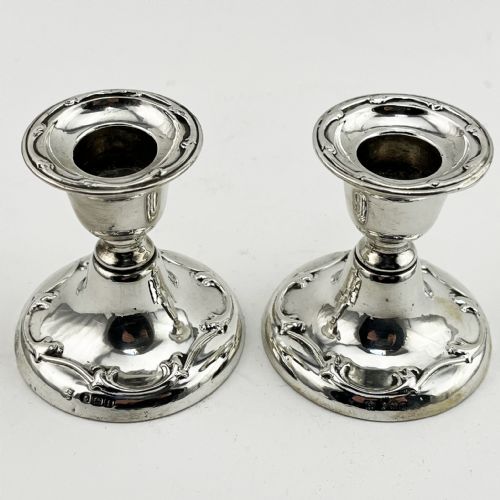
These antique silvered candleholder examples bring period light and metalwork into domestic rooms, ranging from small desk models to tall altar-style pairs.
Antique Silvered Candleholder
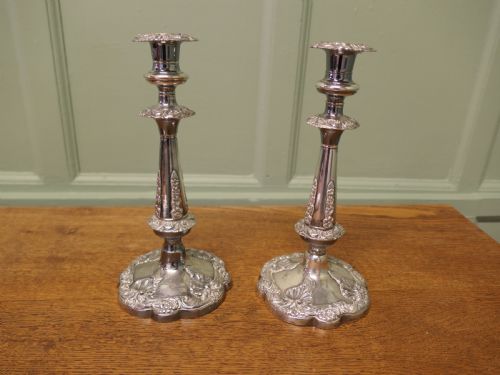
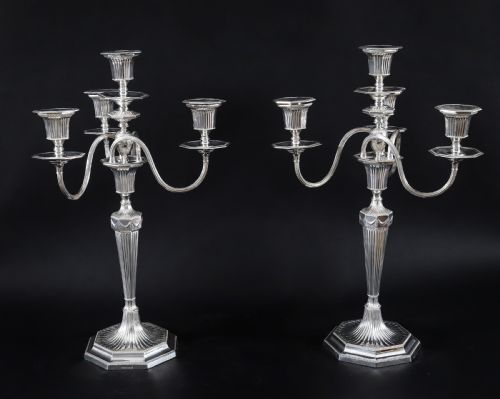
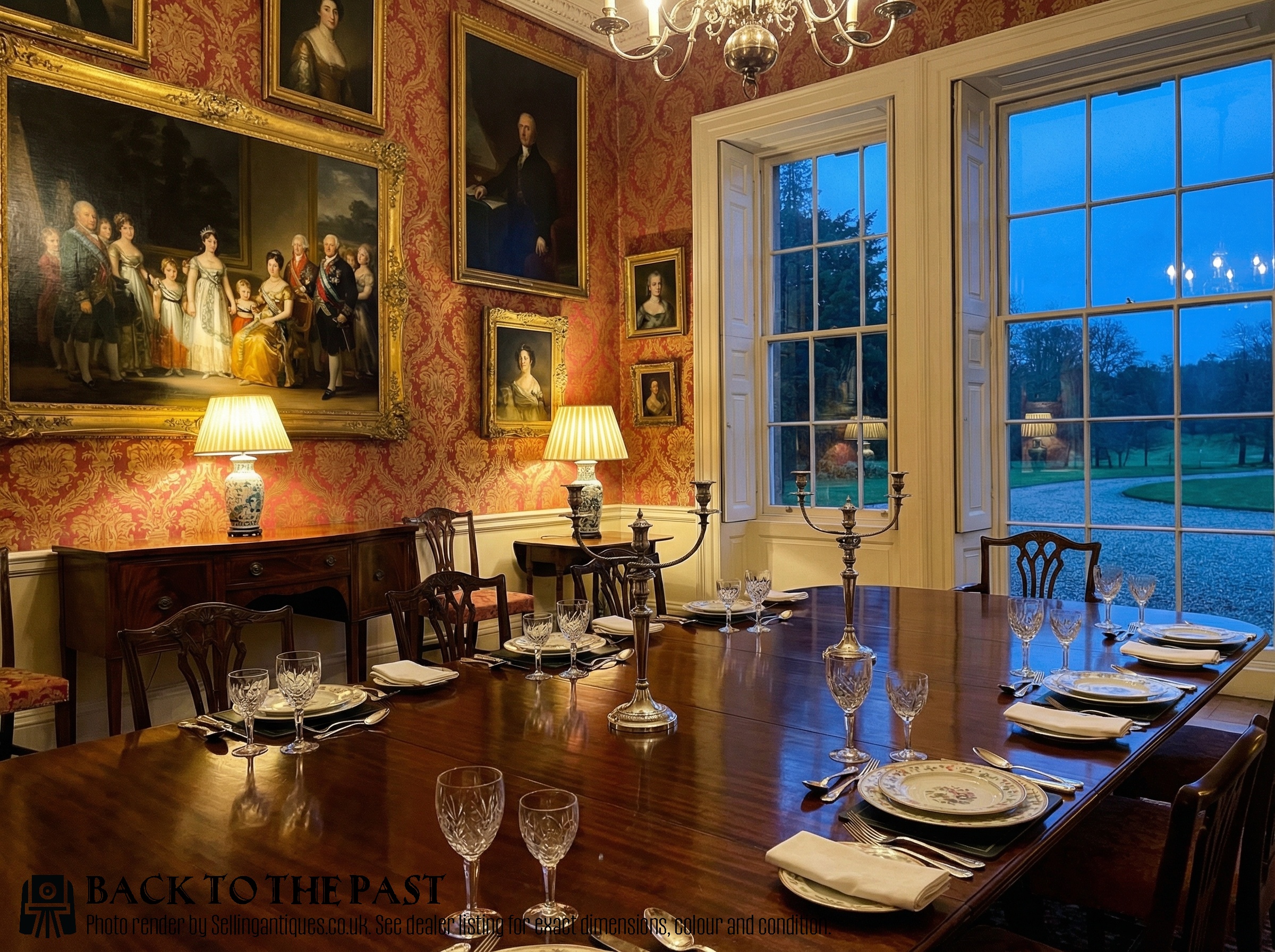
An antique silvered candleholder encompasses candlesticks, candelabras, chambersticks, wall sconces, and wall mirrors made across the eighteenth, nineteenth, and twentieth centuries. The selection leans heavily towards pairs of sticks and multi-light branches suited for dining tables and mantelpieces.
Makers utilised solid sterling silver, silver plate, Old Sheffield plate, pewter, brass, copper, spelter, and carved wood to produce these domestic lighting items. Styles span Georgian, Victorian, Edwardian, Neoclassical, Arts and Crafts, Art Nouveau, and Rococo Revival periods.
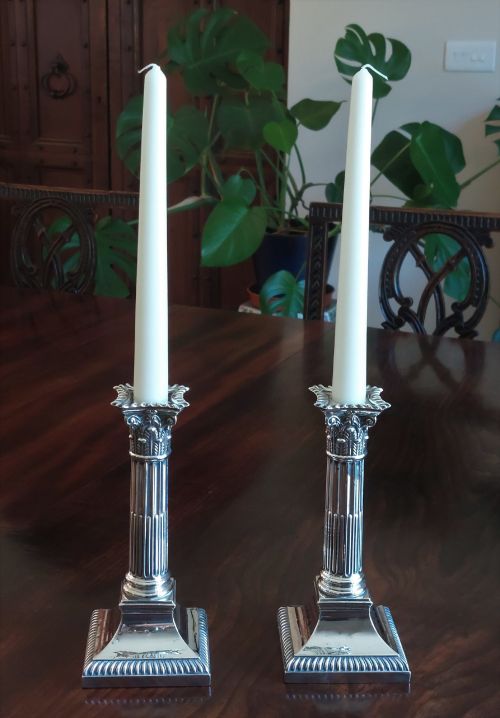
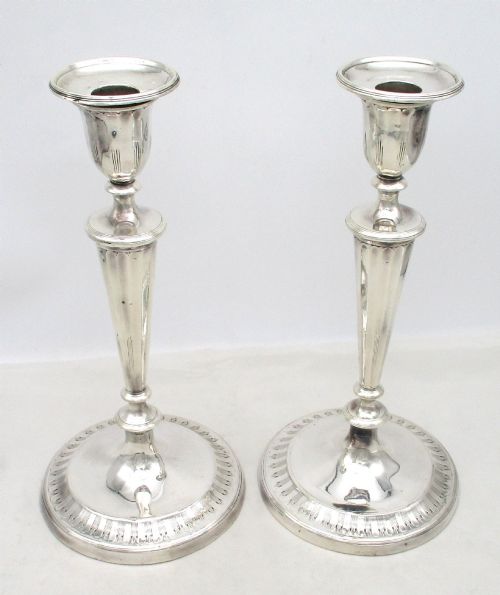
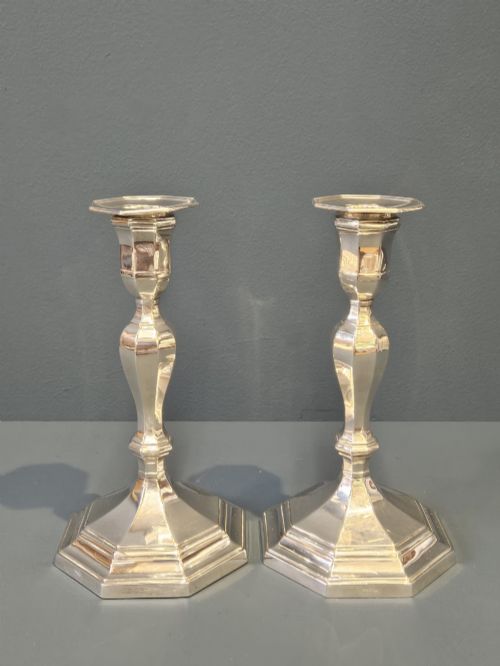
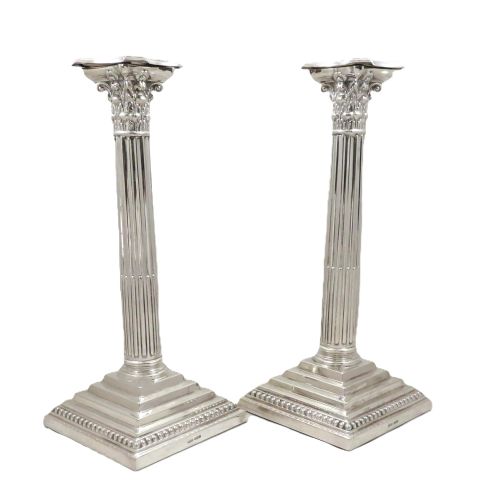
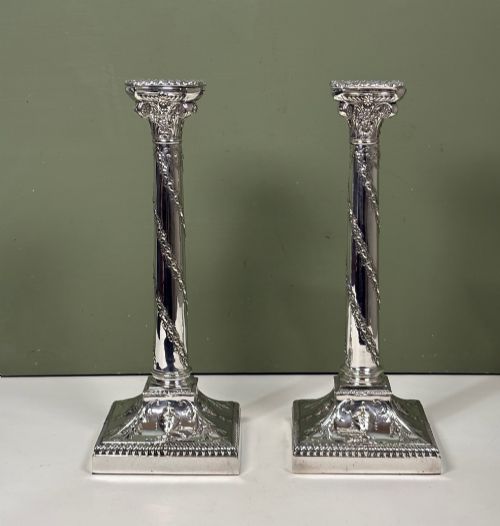
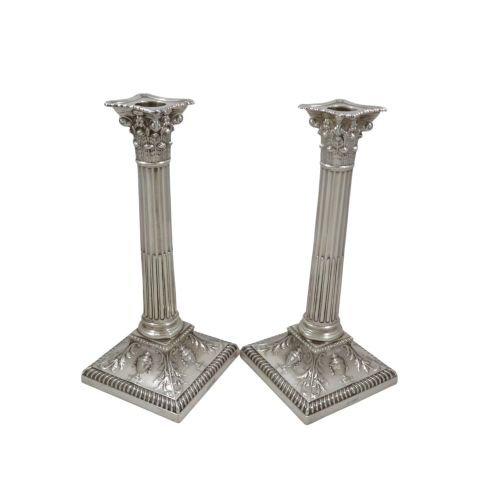
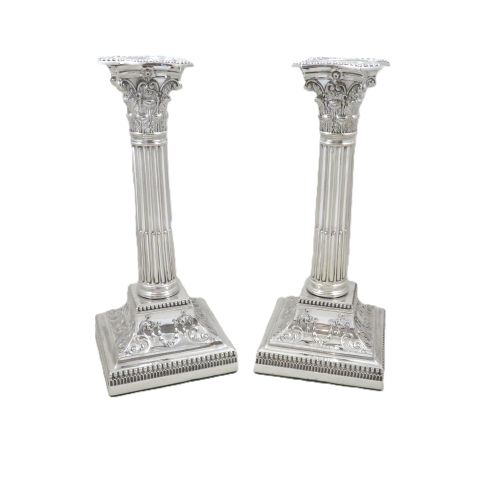
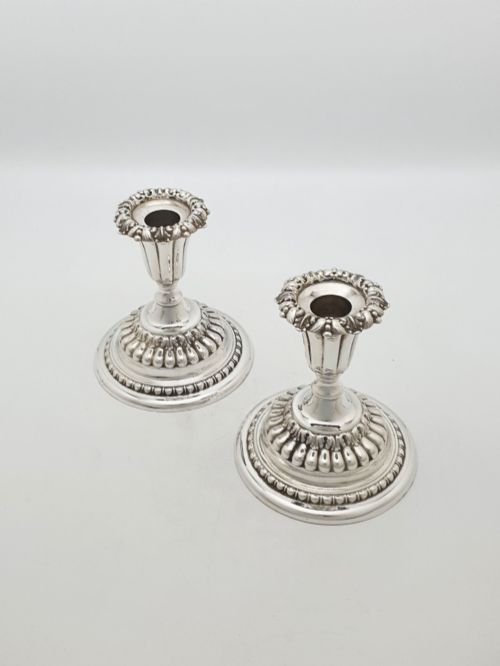
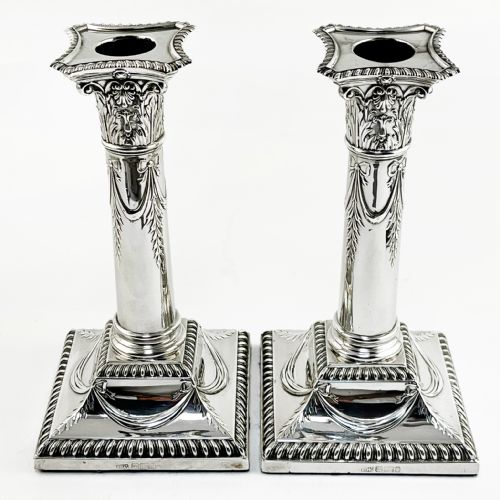
The forms vary from monumental Corinthian columns and telescopic shafts down to low dwarf candlesticks and compact chambersticks. Buyers encounter everything from formal neoclassical revival designs to organic pewter and art deco figurative pieces.
How they were made
Metals such as sterling silver and silver plate were shaped through casting, stamping, and spinning, often weighted internally with resin or plaster to provide stability. Plated items applied thin layers of silver onto base metals like copper or white metal using early fusion methods or later electroplating.
Pewter and brass components were cast in moulds and subsequently hand-finished, while carved wooden altar-style candlesticks received layers of silver leaf or silver paint. Makers constructed multi-light candelabras with detachable branches and nozzles to accommodate wax drips.
Artisans employed chasing and engraving techniques to delineate fluting, bead work, and classical foliage upon columns and bases. Telescopic mechanisms relied on closely fitted sliding brass tubes housed inside the main shaft.
Some dwarf candlesticks stand low enough to illuminate midnight reading without crowding a bedside table.
What varies in quality
The crispness of cast ornamentation distinguishes superior examples from softer, worn productions where repeated casting or excessive polishing has smoothed away detail. Heavy gauge metalwork and substantial weighting impart a solid feel absent in thin, easily dented alternatives.
Intact original plating without extensive base metal telegraphing represents higher grade execution on silver-plated pieces. Maker marks, city hallmarks, and clear date letters indicate workshop standards and supervisory assay office control.
Structural integrity of joints, straightness of columns, and proper seating of removable nozzle inserts reflect careful historical assembly and preservation.
Garrard & Co·Hawksworth Eyre·James Fenton·John Cafe
The Antique Silvered Candleholder Glossary
- Sterling silver
- A silver alloy containing 92.5 percent pure silver by mass and 7.5 percent other metals, usually copper. This standard composition guarantees precious metal purity across British hallmarked pieces.
- Old Sheffield plate
- A composite material made by fusing a thin sheet of sterling silver to a thicker copper base before rolling into sheets. This early plating method produces a warm tone where the underlying copper occasionally shows through at high wear points.
- Chamberstick
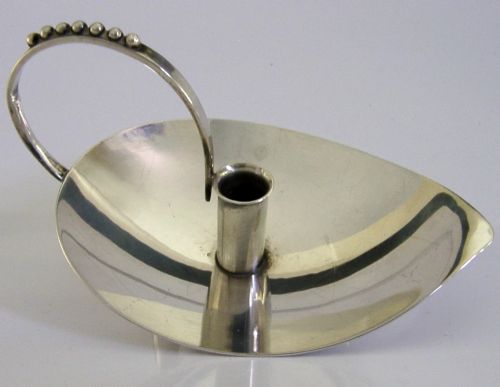
- A low candlestick fitted with a saucer base and a loop handle for carrying through a house. They frequently include a small conical snuffer resting in the tray.
- Corinthian column
- A classical architectural column form featuring ornate acanthus leaves on the capital. Candlesticks cast in this style emulate ancient stone pillars.
- Candelabra
- A branched lighting fixture holding multiple candles upon a single base. These branch units are often detachable to convert the piece into a standard pair of sticks.
- Telescopic
- A shaft design incorporating sliding sections that permit height adjustment. This mechanical feature allows the candlestick to extend or contract.
Antique Silvered Candleholder: Frequently Asked Questions
How do I clean silvered candleholders?
Use a soft cloth and a gentle, non-abrasive silver polish to remove tarnish from solid silver and plated surfaces without stripping the metal layer.
Avoid harsh dips or scrubbing on plated items, as older silver layers can wear through to the base metal beneath.
Were these used with real candles?
Yes, these items were made to hold tallow or beeswax candles for domestic illumination before electric lighting became common.
Modern tapered candles can be used safely provided they fit securely into the nozzle or drip pan.
How do I date a silver candlestick?
Hallmarks on sterling silver pieces include date letters, maker marks, and assay office symbols that pinpoint the exact year of manufacture.
Style indicators like neoclassical columns or art nouveau motifs help narrow down unmarked plated or pewter items.