
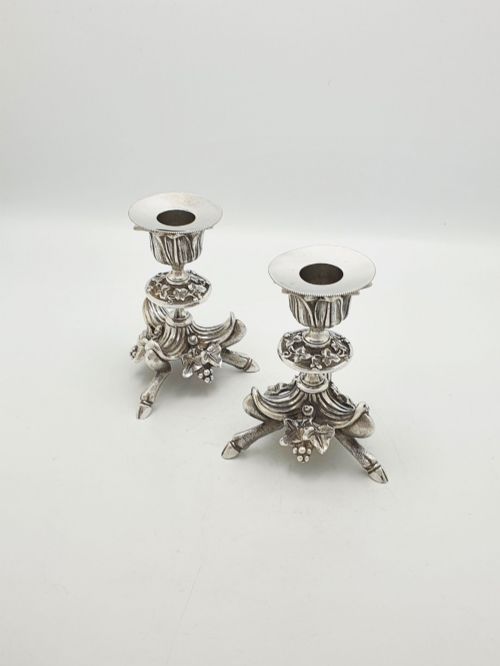

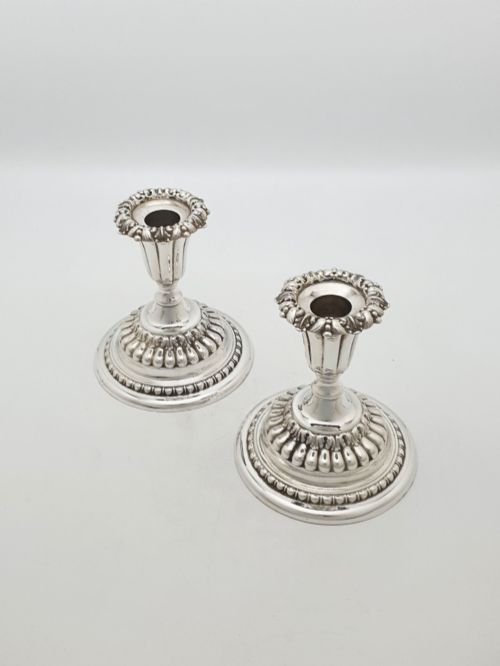
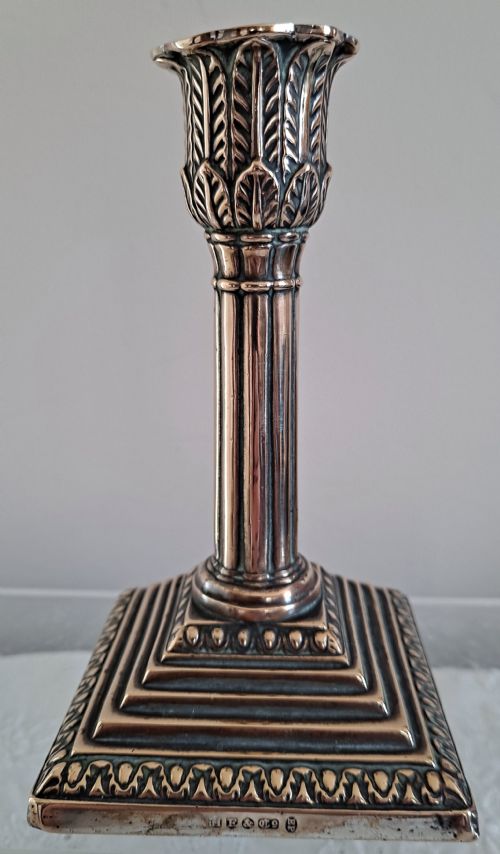
Antique Silvered Candle Stands
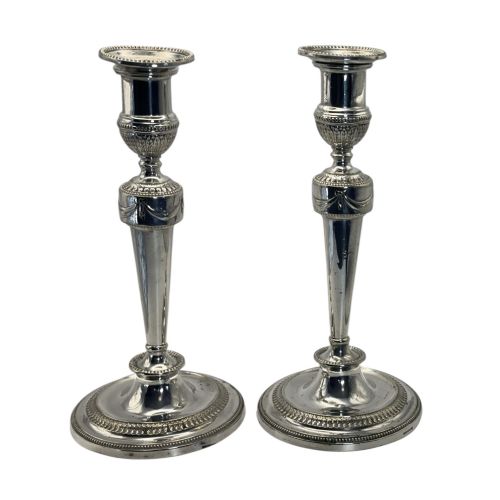
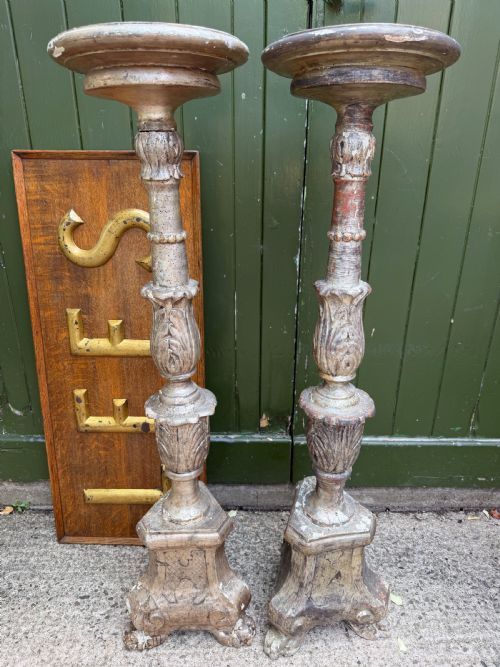
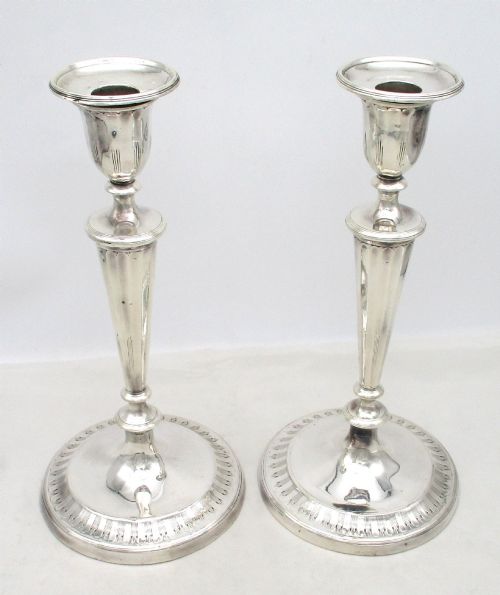
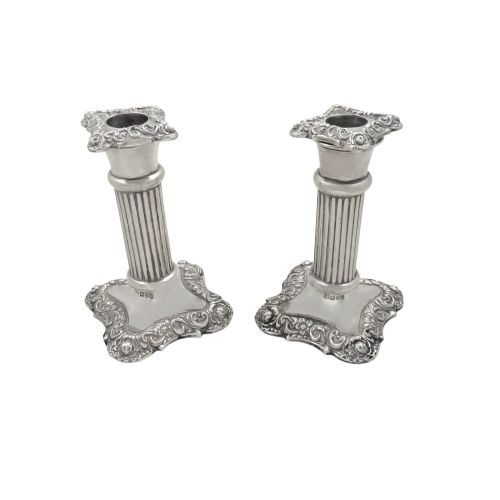
Antique silvered candle stands bring sculptural form and reflective warmth to a room, ranging from carved Italian wooden altar pieces to sleek Art Deco metalwork.
Antique Silvered Candle Stands
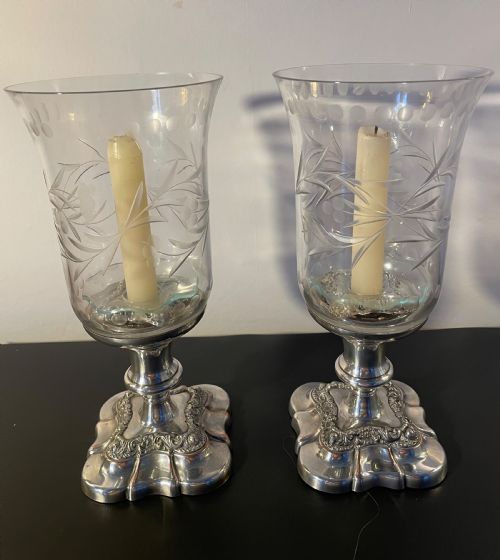
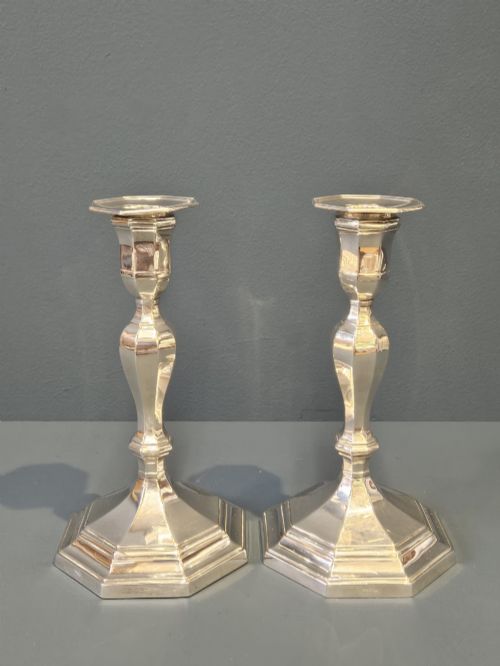
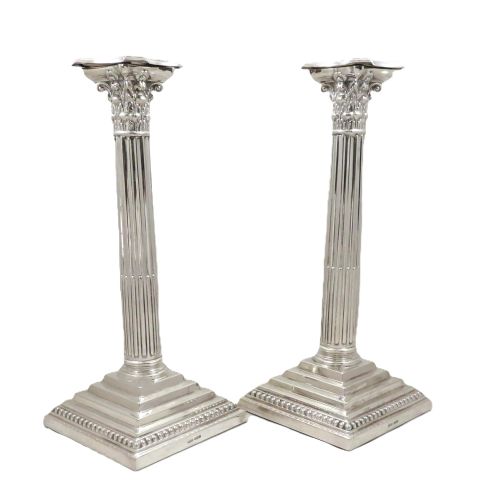
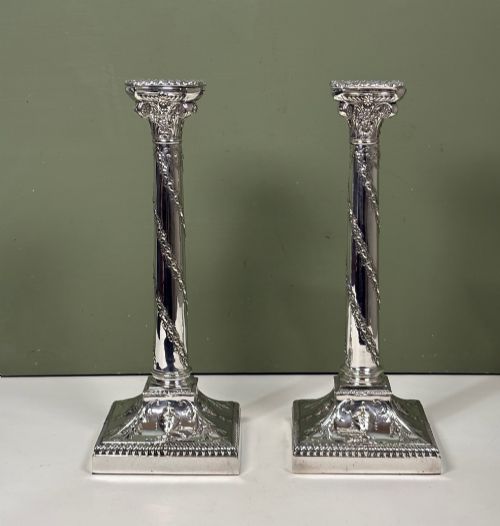
When searching for antique silvered candle stands, buyers encounter a diverse selection of lighting fixtures spanning multiple centuries. The objects listed under this description encompass tall wooden torcheres, multi-light candelabra, desk models, and standard pairs of candlesticks.
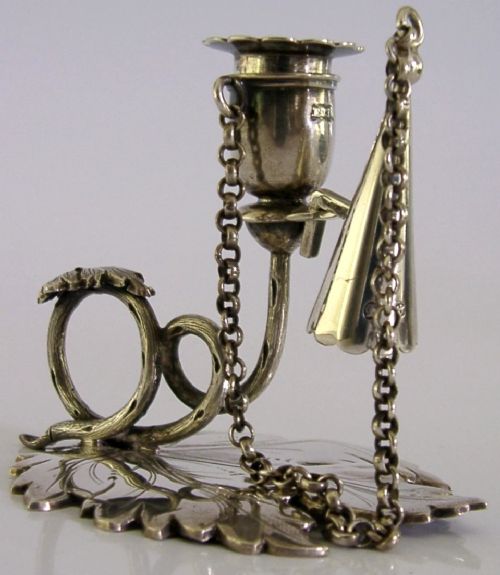
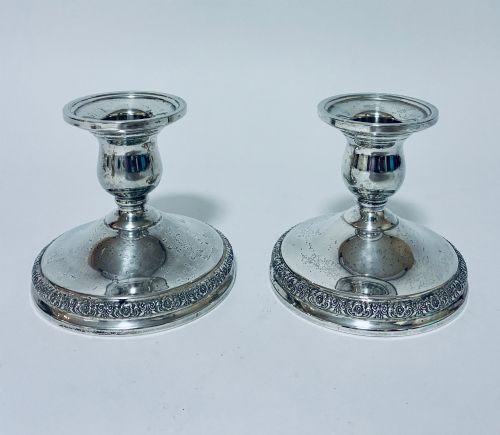
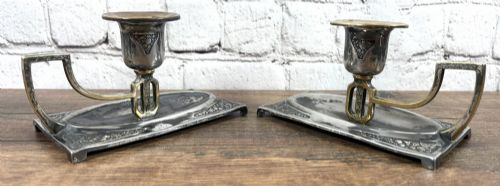
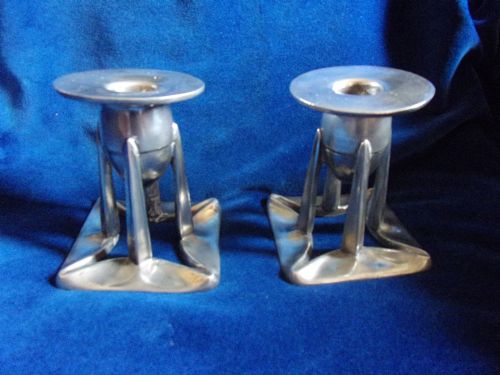
The versions most commonly met on this page date from the nineteenth and early twentieth centuries, reflecting Victorian, Edwardian, and Art Deco tastes. Makers utilised various metallic finishes and reflective surfaces to achieve the desired illumination effect in domestic interiors.
Originating from British, Continental, and Italian workshops, these items serve both functional and decorative purposes. Buyers select them for their period character and the interplay of light upon silvered or plated surfaces.
Materials and methods of construction
Artisans constructed these stands from a foundation of base metals, hardwoods, or pewter, applying silver leaf, electroplating, or Old Sheffield plating to create the metallic exterior. Sterling silver and silver-plated copper form the primary structural components for many English table examples.
Carved wooden Italian torcheres rely on traditional carpentry techniques, receiving a silvered finish over gesso. Pewter and Britannia metal pieces often utilise specialised casting methods, sometimes incorporating enamel panels or tortoiseshell details as seen in Arts and Crafts designs.
Listings feature items from the eighteenth century through to the mid-twentieth century, encompassing George V, Edwardian, and Art Deco periods.
Distinctions in manufacture and design
The distinction between standard production items and finer pieces rests upon the crispness of the casting and the depth of the metalwork. Hand-chased detailing on sterling silver or substantial copper and pewter work indicates superior craftsmanship.
Design integrity also defines the upper tier, where recognised designers or silversmith firms contributed distinct stylistic visions. Preserved original surfaces on plated or silvered items maintain the integrity of the piece.
Archibald Knox·Mappin & Webb·WMF·Liberty & Co·Smith & Sissons & Co·Peter and Anne Bateman
The Antique Silvered Candle Stands Glossary
- Torcheres
- Tall standing ornamental candle holders designed to elevate a light source. They frequently feature carved and silvered wooden shafts.
- Old Sheffield Plate
- An early method of fusing a thin sheet of silver to a thicker copper base. This technique produces a distinctive warmth visible where the base metal shows through wear.
- Electroplated Nickel Silver
- Abbreviated as EPNS, this material became common in the nineteenth century. An electrical current bonds a layer of pure silver to a nickel brass alloy base.
- Candelabra
- A branched candlestick holding multiple lights on separate arms. Many antique examples allow the branches to be removed for use as standard single candlesticks.
Antique Silvered Candle Stands: Frequently Asked Questions
How do I clean antique silvered candle stands?
Silver-plated and sterling surfaces require gentle cleaning with a specialised microfibre cloth and mild silver polish to avoid removing the plating. Lacquered or silver leaf wooden stands only need dusting with a dry cloth.
Harsh chemical dips strip away historical patination and damage underlying base metals. Care must be taken around weighted bases and delicate applied ornaments.
Can I use real candles in these stands?
Most antique candle holders accommodate standard taper candles, though inner sockets occasionally require careful sizing. Drip catchers should be used to protect vulnerable silvered or plated surfaces from hot wax.
Placing tall torcheres or slender table sticks in secure locations prevents tipping during use. Many collectors prefer LED alternatives for everyday lighting to preserve the interior socket condition.
How do I date a silver-plated candle stand?
Hallmarks on sterling silver provide exact assay office years, while silver-plated items rely on maker marks and stylistic cues. Victorian and Edwardian examples often feature registration numbers or manufacturer stamps on the base.
Neoclassical and Arts and Crafts design motifs also help narrow the production window. Construction methods, such as the use of loaded bases or threaded components, point to specific manufacturing eras.