



Antique Silver Top Jars
These antique silver top jars combine heavy cut glass or crystal vessels with gleaming sterling silver lids, offering practical elegance for any dressing table.
Antique Silver Top Jars
When you search for antique silver top jars, you encounter a diverse range of vanity items, scent bottles, and dressing table jars spanning from the Victorian era through the Edwardian period and into the Art Deco years of the 1920s.
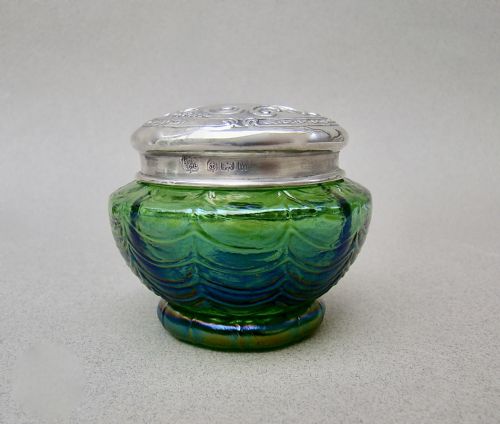
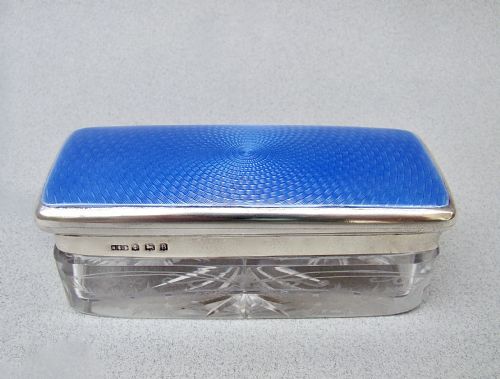
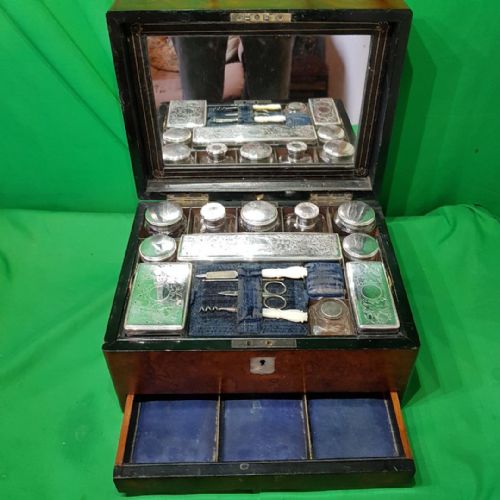
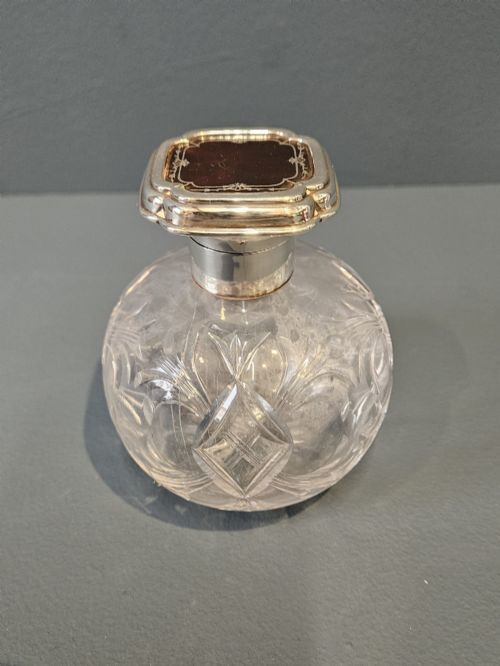
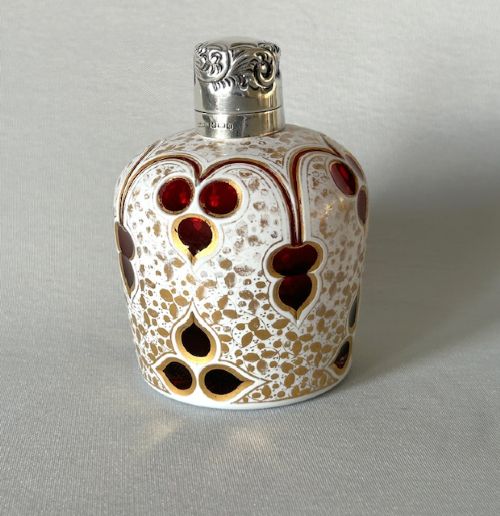
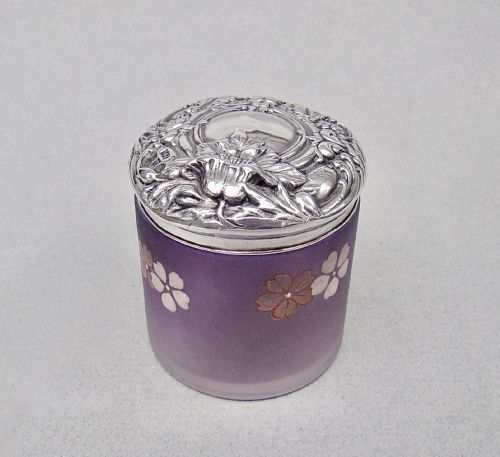
The most common forms on this page include cut glass scent bottles, enamel-lidded trinket boxes, and substantial dressing table jars mounted with hallmarked sterling silver or silver plate.
Vessels range from simple moulded glass containers to elaborate coloured cranberry glass and Bohemian crystal, often designed to hold perfume, powder, or small personal treasures.
Materials and construction methods
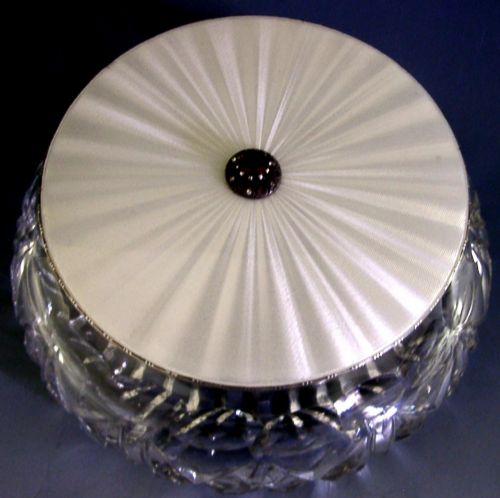
These pieces rely on the combination of blown or cut glass and shaped sterling silver, with individual workshops utilising techniques like wheel-cutting for crystal and guilloché enamelling for decorative lids.
Silversmiths stamped their wares with hallmarks indicating the assay office and year, such as Birmingham or London hallmarks from the early 20th century, securing the silver mounts firmly to the glass or ceramic bodies.
Materials span sterling silver, cut crystal, tortoiseshell, enamel, and velvet, reflecting Victorian, Edwardian, and Art Deco tastes.
Assessing quality and craftsmanship
Quality in these objects lies in the depth and clarity of the glass cutting, the weight of the sterling silver lid, and the precision with which the metal meets the glass rim.
Pieces featuring additional decorative elements like translucent guilloché enamel, tortoiseshell inserts, or specialised glass colours such as cranberry and amethyst represent a higher tier of period manufacture.
A. J. Pepper & Co·Henry Clifford Davis·Walker & Hall·Goldsmiths and Silversmiths Co·Jonathan Douglas·Barnsley & Co·Adie Brothers Ltd·William Comyns
The Antique Silver Top Jars Glossary
- Guilloché enamel
- A decorative technique involving intricate geometric patterns machined into metal beneath a translucent layer of coloured enamel. This method was widely utilised on Art Deco vanity sets and jar lids.
- Sterling silver
- An alloy consisting of silver and other metals, usually copper, standardised for purity. Most British pieces carry hallmarks identifying the specific maker and assay office.
- Cut crystal
- High-clarity glass containing lead oxide, faceted with wheel-cut designs that refract light. It forms the heavy, brilliant body of many dressing table jars and scent bottles.
- Biscuit barrel
- A covered ceramic or glass container used for storing biscuits on the dining table. Many examples feature silver-plated or solid silver swing handles and mounts.
- Hallmark
- An official stamp applied by an assay office to indicate the purity of precious metal, the maker's mark, and the year of manufacture.
Antique Silver Top Jars: Frequently Asked Questions
How do I date an antique silver top jar?
You can determine the date by examining the hallmarks stamped on the silver lid or mount, which indicate the assay office and year letter. Stylistic cues such as Art Deco geometric lines or Victorian floral engraving also help place the piece in its era.
Comparing the manufacturing techniques of the glass body, whether mould-blown or hand-cut, provides additional confirmation of the period.
What were dressing table jars originally used for?
These jars served a practical role on Victorian and Edwardian dressing tables, holding cosmetics, creams, hairpins, and perfumes. Their secure silver lids kept powders dry and scents contained.
Wealthy households displayed matching sets as part of an elaborate daily grooming routine.
How should I clean antique silver lids?
Clean the sterling silver lids gently using a soft microfibre cloth and a specialist silver polish, taking care to avoid rubbing any glass or enamel sections. Prevent polish from lodging in engraved details or hallmark indentations.
Wash the glass bodies separately in warm soapy water and dry them thoroughly before reattaching the lid.
Are all silver top jars made of sterling silver?
Many pieces feature solid sterling silver, which carries official hallmarks denoting the metal's purity and the year of manufacture. Other pieces utilise silver plate over a base metal, particularly larger items like biscuit barrels.
Inspecting the interior or base for stamps helps differentiate solid silver from plated alternatives.