
Antique Silver Table Salts
These antique silver table salts bring small-scale elegance to the dining table, offering everything from Georgian cauldron forms to Victorian novelty designs.
Antique Silver Table Salts
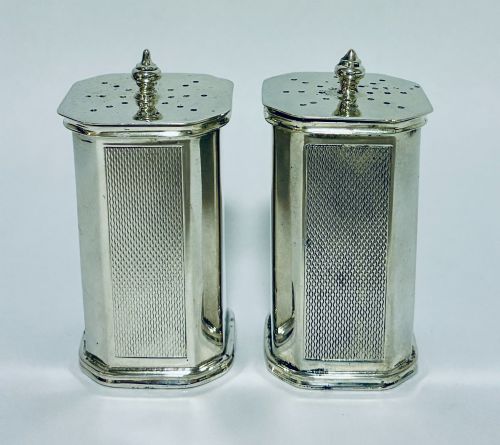
When you search for antique silver table salts, you encounter small open vessels and enclosed cellars designed to hold salt at the dining table. These pieces span Georgian, Victorian, and Edwardian periods, appearing singly or in matched pairs and larger cruet sets.
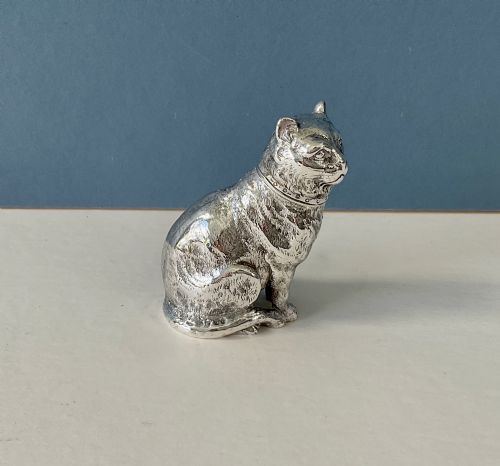
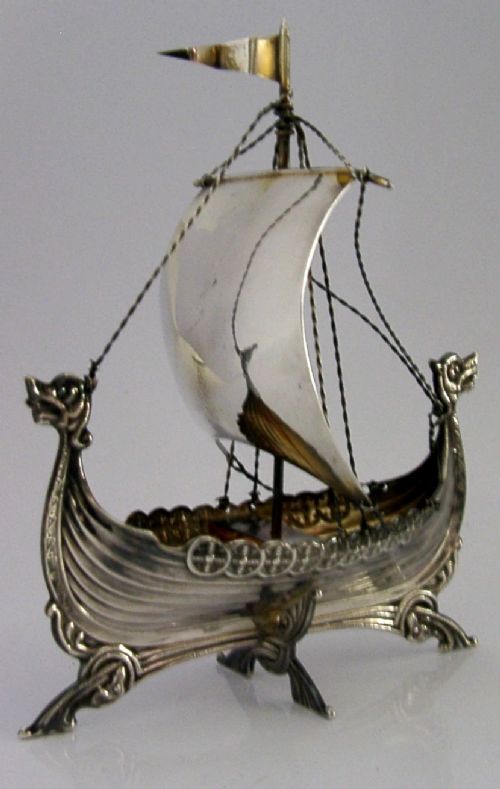
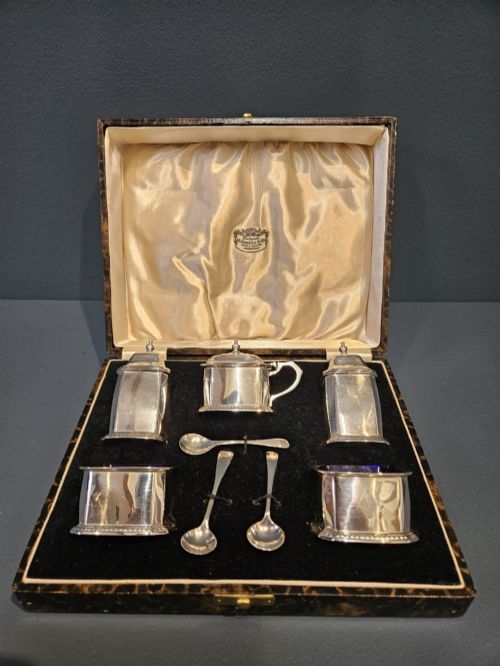
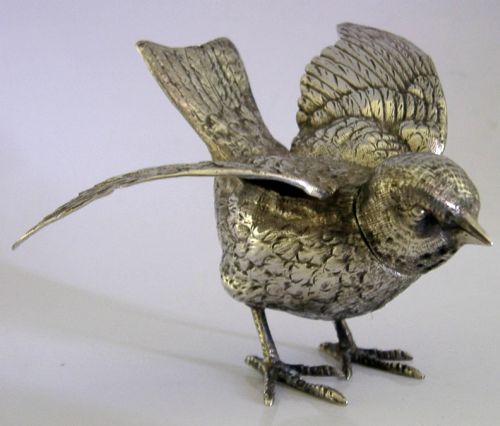
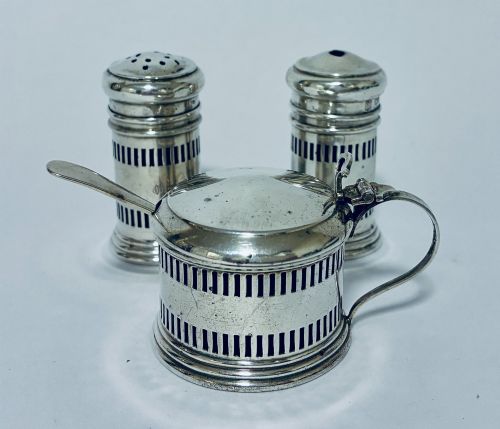
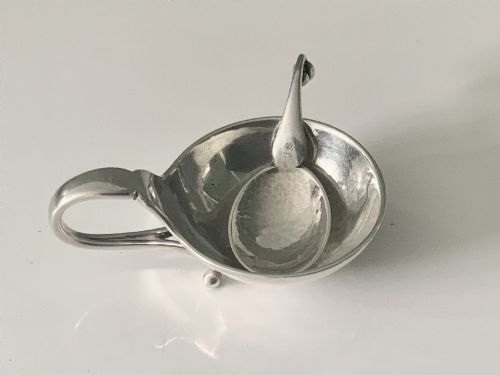
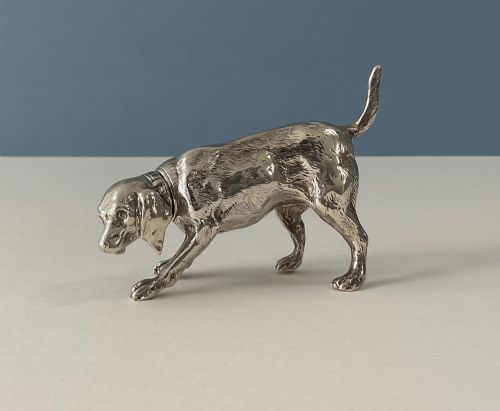
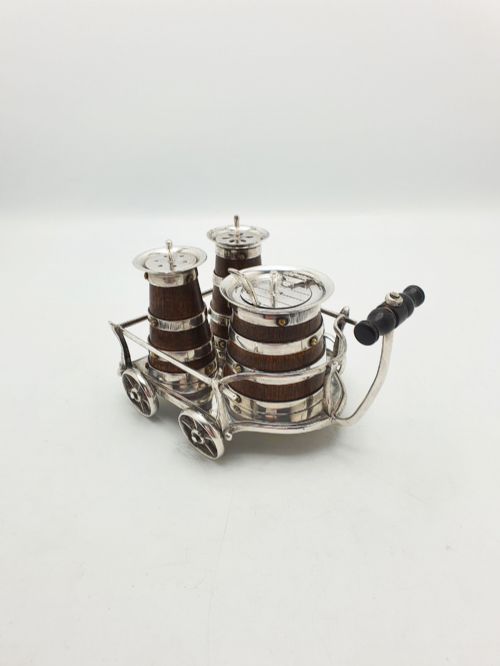
The items listed here range from simple open silver salt cellars to novelty animal shapes and fitted condiment sets. You will regularly find traditional cauldron salts alongside shaped dishes and cut glass inserts.
How they were made
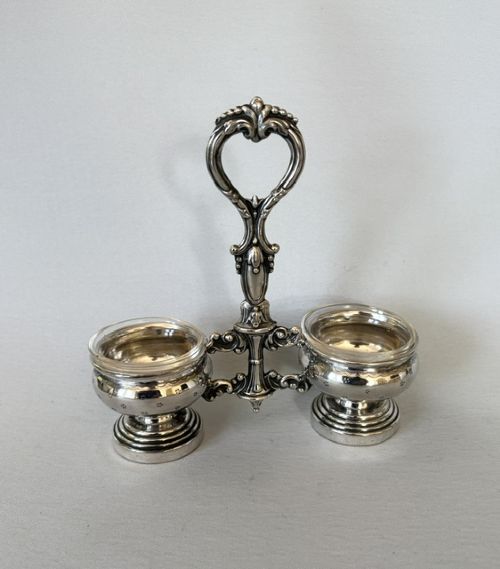
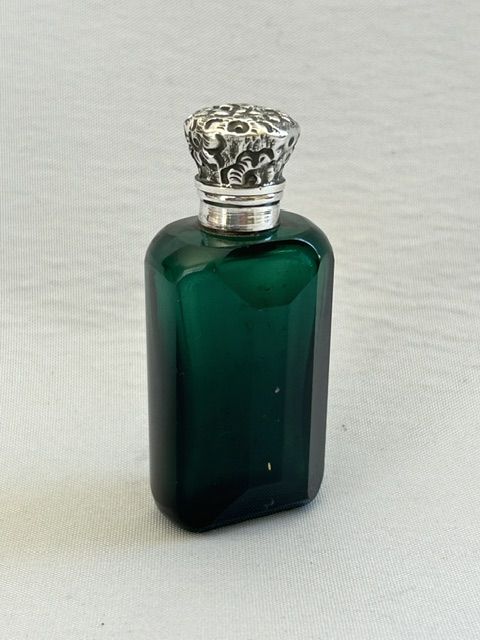
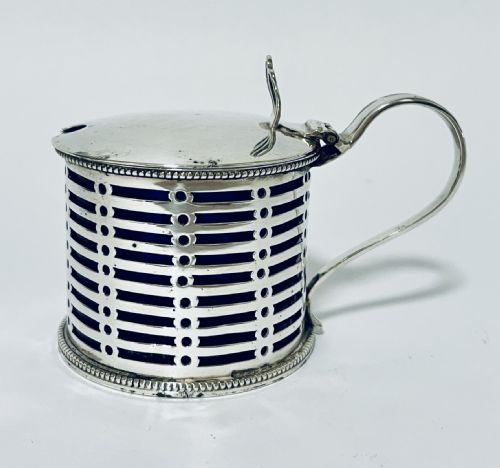
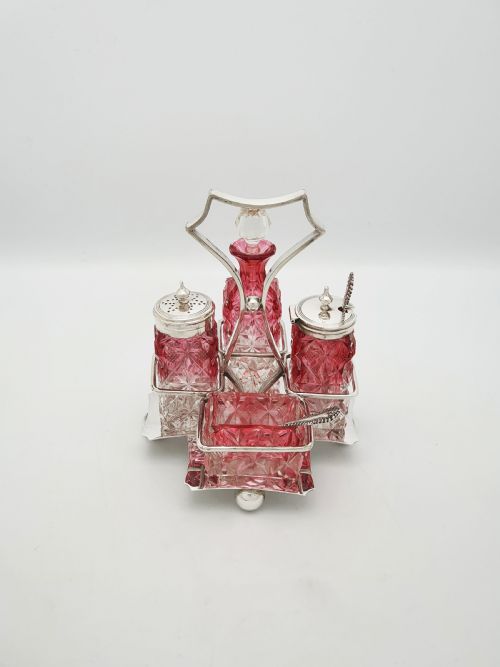
Silversmiths utilised sterling silver and silver plate, frequently combining the metal with coloured cut glass such as cobalt or cranberry liners. Some pieces incorporate horn, satin, and velvet within their construction.
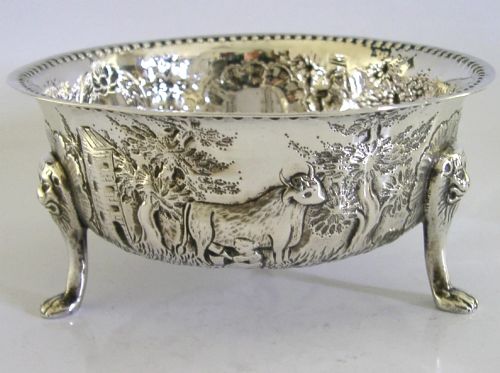
Techniques visible across the inventory include piercing, casting, and repoussé work, alongside glass-cutting for internal liners. Makers also applied partial gilding to the interiors of silver bowls and pedestal dishes.
The inventory spans multiple eras, capturing Georgian, Victorian, Edwardian, and Art Deco design movements.
What varies in quality
The standard of execution separates standard production items from master silversmith work, particularly in the crispness of cast details on novelty pieces and floral designs. Heavier gauge silver and intact, well-fitted glass liners elevate a piece.
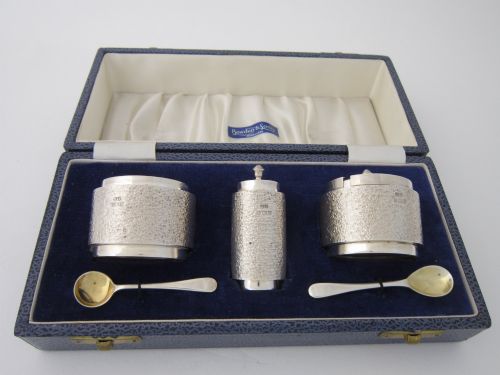
Original fitted presentation cases and complete matched sets with corresponding spoons demonstrate higher initial expenditure and careful preservation through successive generations.
David Hennell·William Bateman·Josiah Williams & Co·Georg Jensen
The Antique Silver Table Salts Glossary
- Cruet set
- A collection of glass or silver bottles and salt cellars held in a shared frame for the dining table. These often included mustard pots and pepper shakers alongside the main salt cellars.
- Trencher salt
- An early low open salt cellaring form, typically square or round, placed on the dining table before individual small cellars became common.
- Cauldron salt
- A small bowl shaped like a traditional cooking pot, usually raised on three short feet and popular throughout the Victorian era.
- Cobalt glass
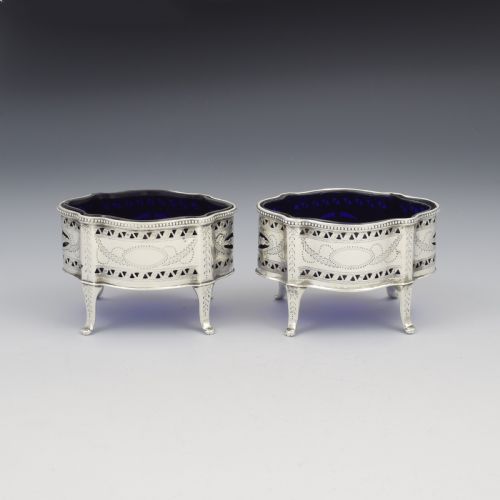
- Deep blue glass utilised widely as an interior liner inside open silver salt cellars to protect the metal from corrosion.
- Quaich
- A traditional shallow two-handled drinking vessel adapted in some Victorian instances as a novelty salt cellar.
Antique Silver Table Salts: Frequently Asked Questions
How were table salts used?
Diners used table salts to hold loose salt near their plates before individual shakers became standard practice on dining tables. Guests would take a pinch of salt from the open vessel using a small matching spoon or the tip of a knife.
In larger settings, central cruet sets held multiple condiment containers within reach of everyone at the table. These vessels were integral to formal dining rituals across the Georgian and Victorian periods.
How do I spot a matched pair?
Examine the maker marks, town hallmarks, and date letters stamped on the base or rim of each salt cellar. True matched pairs share identical dimensions, weight, and decorative motifs executed by the same hand.
Slight variations in casting or engraving often indicate pieces assembled into a pair at a later date rather than created together.
Are glass liners original?
Many surviving open salt cellars retain their original cut or moulded glass liners, particularly cobalt blue or cranberry glass examples. Original liners fit the internal dimensions precisely without rocking or catching on the silver rim.
Replacements remain common because glass liners endured frequent washing and accidental breakage over centuries of use.