

Antique Silver Table Novelty
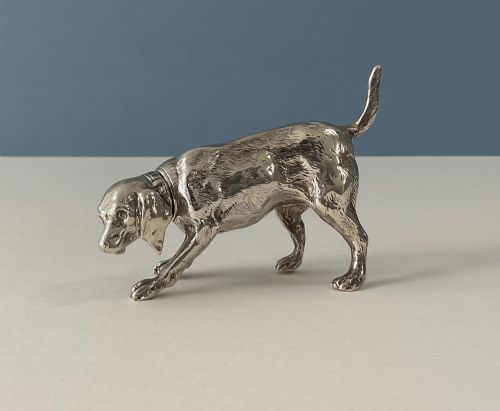
When you search for an antique silver table novelty, you find functional dining and desk pieces shaped as animals, birds and architectural forms from the Victorian and Edwardian periods.
Antique Silver Table Novelty
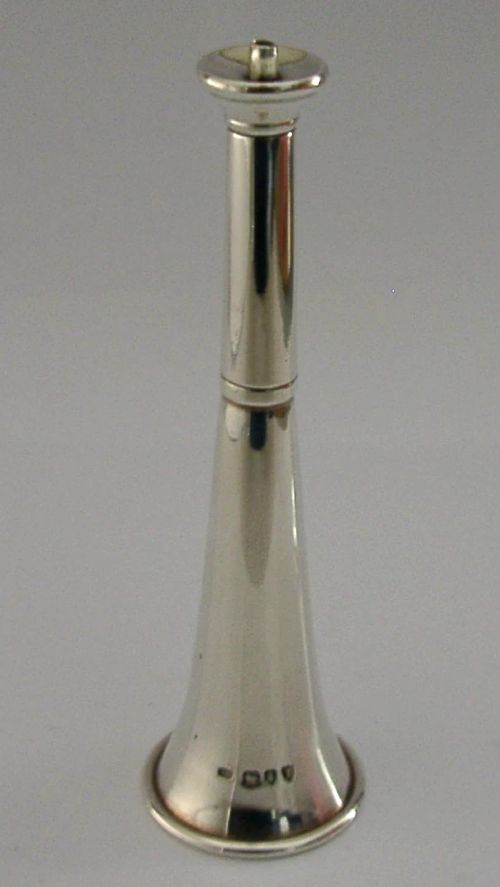
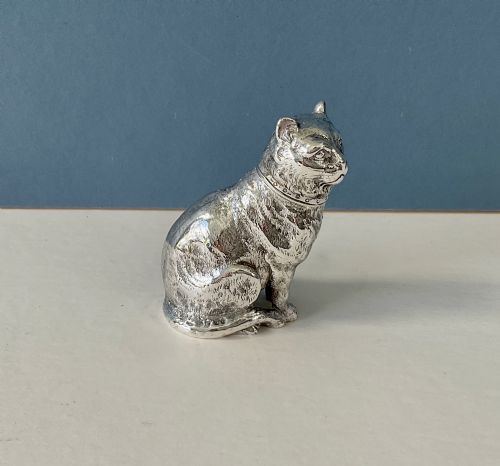
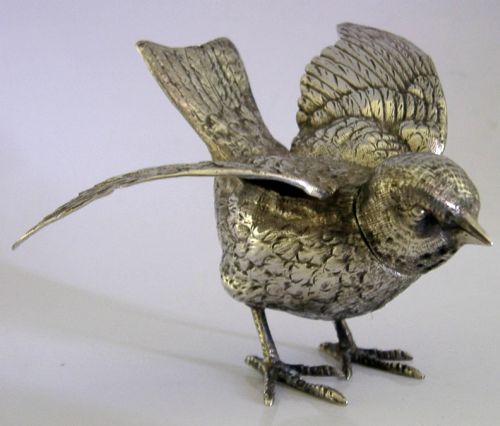
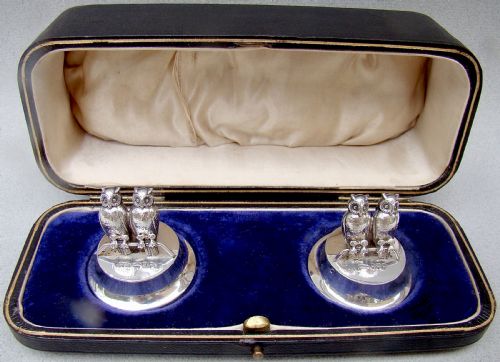
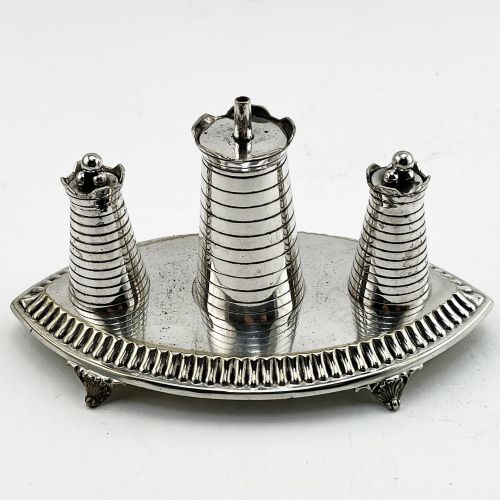
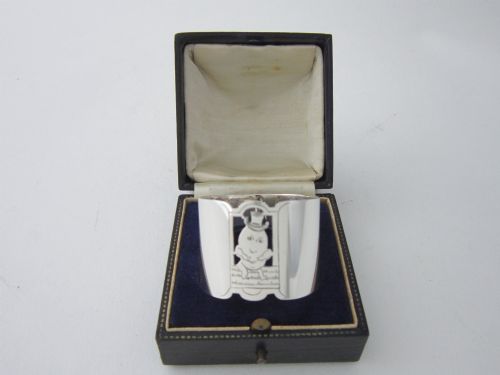
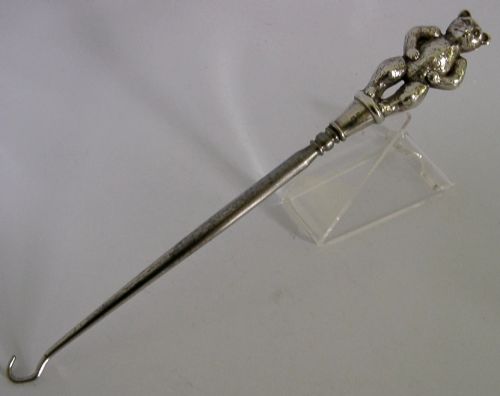
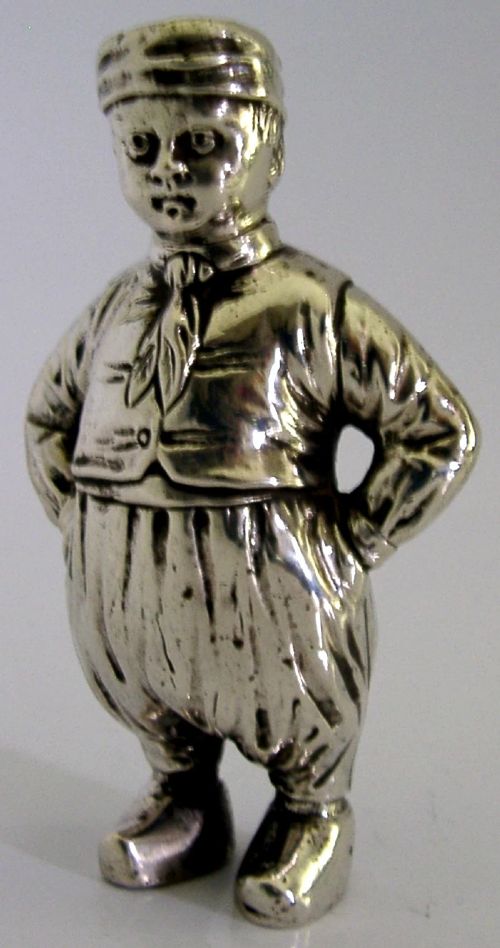
An antique silver table novelty transforms everyday dining and desk accessories into whimsical conversation pieces shaped as animals, birds, hunting horns and miniature vehicles. You will frequently encounter pepper pots moulded as owls, cats and chicks, alongside menu holders, cigar lighters and cruet sets.
The objects span the Victorian, Edwardian and Art Deco eras, produced by British silversmiths and continental workshops. They range from small condiment pots to substantial table lighters and spoon warmers designed to amuse dining guests.
How They Were Made
Silversmiths utilised sterling silver and silver plate, frequently combining the metal with oak, walnut, glass, velvet and wood to create textured bases and fitted interiors. Pieces were cast, chased and hand-modelled to achieve realistic feathers, fur and architectural details.
Makers employed hinged components and screw fittings to make functional items like pepper pots and cigar lighters accessible while maintaining the sculptural illusion of the animal or object.
Antique Silver Table Novelty Retail Price Guide 2026
Typical asking prices for silver table novelty among the pieces listed under this phrase on Sellingantiques today, from the lower quarter to the upper quarter. They describe what is for sale here now, not the wider market.
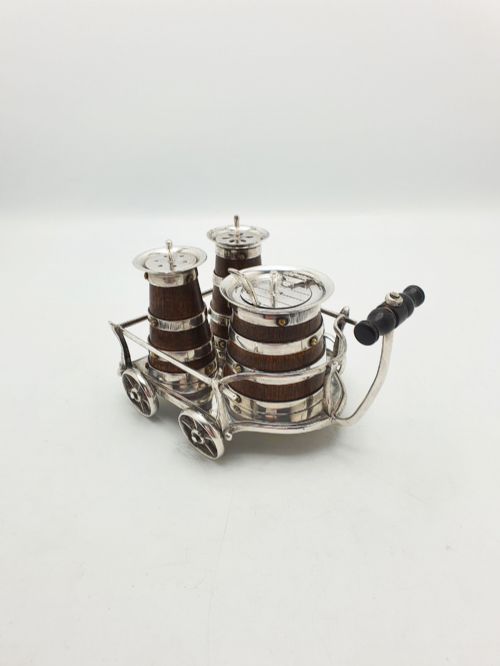
Dinner guests reached for pepper pots shaped like baby chicks and match holders disguised as wheelbarrows.
What Varies In Quality
Quality rests in the sculptural fidelity of the modelling and the crispness of the chasing across feathers, fur and facial expressions. The top of the range demonstrates anatomical precision and balanced proportions in custom casts, whereas lower tiers rely on generic stampings.
The presence of clear hallmarks, maker marks and original fitted cases elevates a piece, showing whether a workshop produced a dedicated model or assembled standard components.
Levi & Salaman·Grey & Co·Josiah Williams & Co·Sampson Mordan·Boaz Moses
The Antique Silver Table Novelty Glossary
- Cruet set
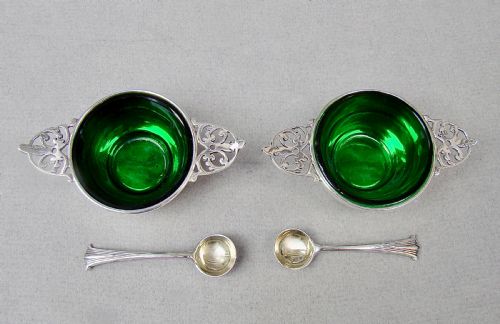
- A matched collection of condiment bottles or pots held in a stand for the dining table. They frequently incorporate novelty designs such as farmyard animals or miniature carriages.
- Table lighter
- A mechanical device for igniting cigars and cigarettes, styled as a classical oil lamp, lighthouse or canoe. These sit permanently on a desk or smoking table.
- Spoon warmer
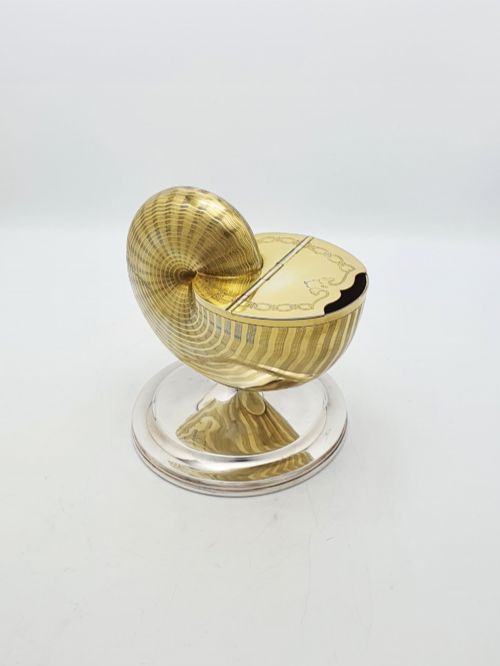
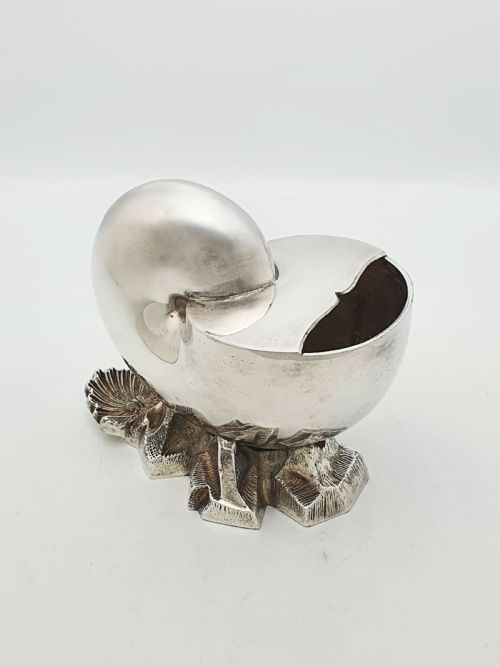
- A Victorian vessel designed to hold hot water for warming silver spoons before serving soup or pudding. They take decorative forms such as nautilus shells and metal urns.
- Menu holder
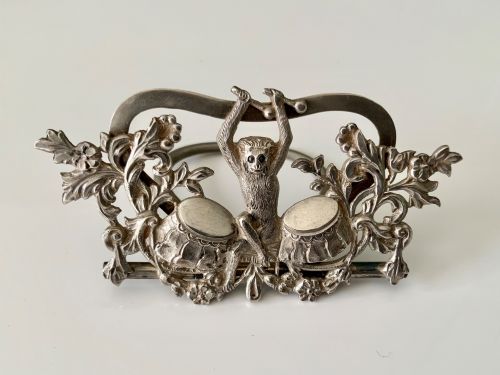
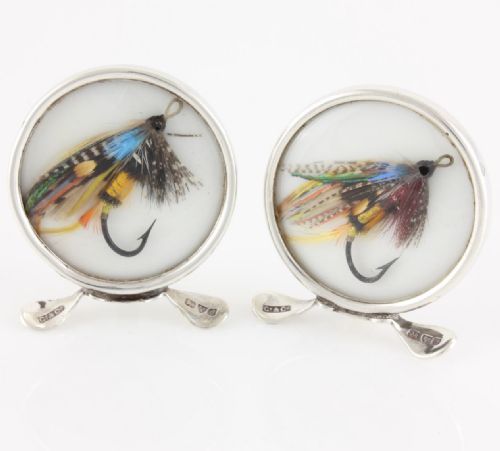
- A weighted clip or stand placed on a dining table to display the meal schedule. Collectors prize examples shaped as birds, monkeys and fishing items.
- Sterling silver
- An alloy containing a high proportion of pure silver combined with other metals for durability. British items carry standard hallmarks confirming this standard.
Antique Silver Table Novelty: Frequently Asked Questions
How were table novelties used?
They performed everyday domestic tasks such as holding pepper, mustard, matches, menus and cigars while sitting on dining tables or smoking desks. Guests would interact with the mechanism, such as removing an owl's head to dispense pepper.
Many items doubled as decorative ornaments when not in active use during meals.
How do I date an antique silver piece?
British pieces typically feature hallmarks stamped directly onto the metal, indicating the assay office, date letter and maker's mark. These stamps provide the exact year of manufacture.
Stylistic cues such as Edwardian naturalism or Art Deco geometry also help determine the era of production.
How do I clean antique silver novelties?
Use a soft cloth and a gentle silver polish formulated for antiques to preserve fine chasing and engraved details. Avoid abrasive dips that can strip dark patination from recessed areas.
Store pieces away from direct sunlight and damp environments to maintain the metal finish and any fitted wooden or glass elements.