

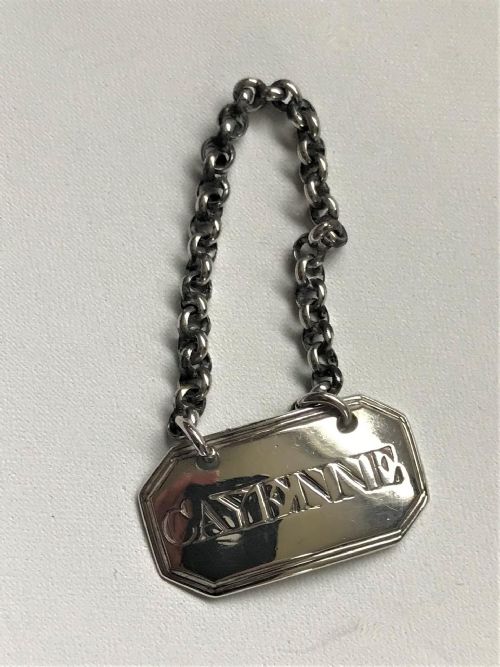


Antique Silver Spice
Antique silver spice items, from nutmeg graters to casters, bring finely worked craftsmanship and historical dining customs straight to the table.
Antique Silver Spice
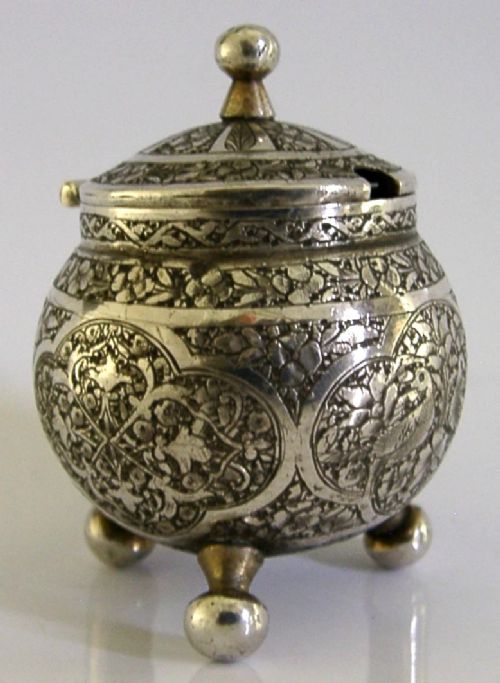
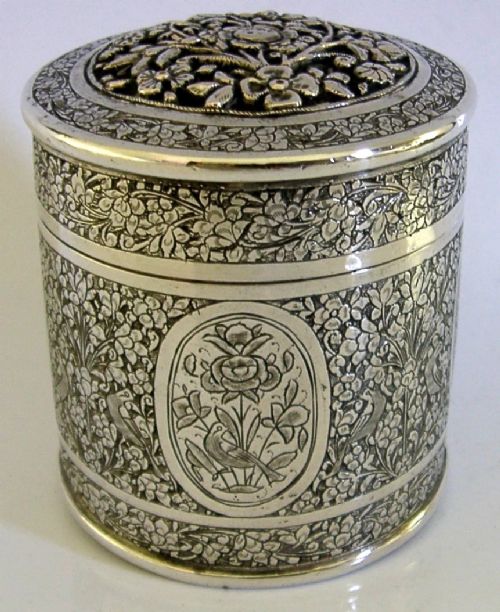
When searching for antique silver spice, buyers encounter a specialised range of small domestic vessels and implements designed for seasoning food at the dining table. These pieces include miniature nutmeg graters, sifter spoons, condiment sets, pepper pots, and sugar castors originating from the Georgian, Victorian, and Edwardian eras. The selection frequently spans diverse international origins, encompassing English sterling silver, Ottoman boxes, Indian silver containers, and European novelty animal forms.
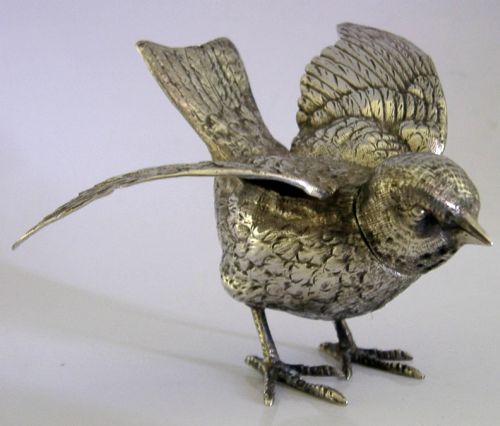
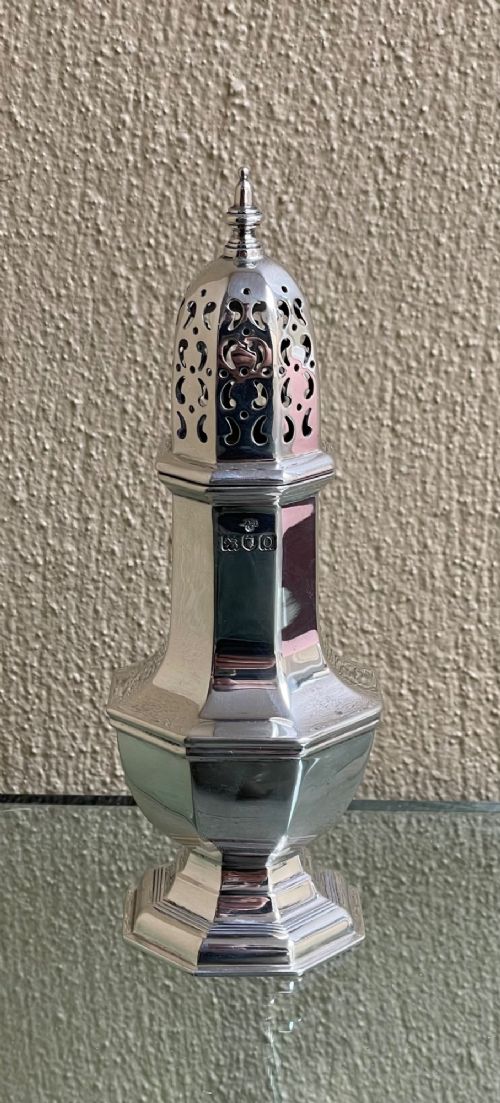
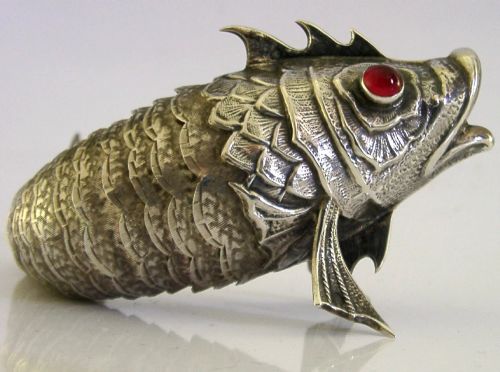
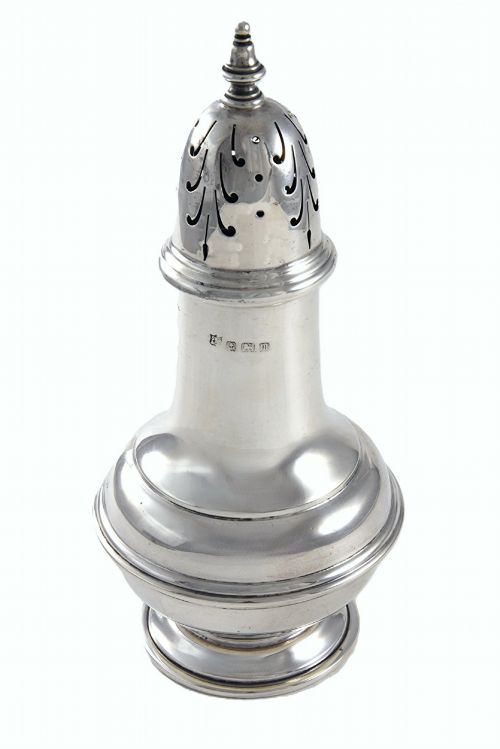
The version most commonly met on this page is the functional tabletop shaker or caster, alongside pocket-sized nutmeg graters from the eighteenth and nineteenth centuries. These utilitarian objects reflect changing dining fashions and the historic importance of precious spices in domestic households. Collectors also find novelty spice boxes shaped as fish, birds, and animals, which demonstrate the lighter side of period silversmithing.
How they were made
Makers primarily utilised sterling silver, solid silver, and silver plate, often combining metalwork with cut glass or steel components within graters and cruet sets. Artisans shaped these materials through casting, raising, and hammering, applying detailed hand-chasing, embossing, and piercing to decorate surfaces.
Specialised techniques governed specific forms, such as the folding steel rasp fitted inside cylindrical and acorn-shaped nutmeg graters, or the articulated hinges engineered into animal-shaped boxes. Hallmarks stamped directly into the silver record the assay office, date letter, and maker's mark, anchoring each piece to a precise workshop and year.
Listings feature items spanning the Georgian, Victorian, and Edwardian periods, alongside Ottoman and Indian colonial pieces.
What varies in quality
Quality in antique silver spice pieces rests upon the crispness of the original chasing and the structural integrity of moving parts like hinges and screw-fit lids. Pieces boasting deep, unrubbed relief ornamentation and fully legible hallmarks command greater appreciation than those worn smooth by centuries of handling and polishing.
The architectural balance of casters, the precise fit of sifter pierced covers, and the complexity of novelty forms set finer examples apart from standard utilitarian wares. Maker attribution further distinguishes the work, with pieces bearing marks of noted silversmiths demonstrating superior design execution.
Charles Thomas Fox·Stephen Adams·Daniel Field·Simon Pantin·James Dixon And Sons Ltd·Evald Nielsen·Boaz Moses
The Antique Silver Spice Glossary
- Nutmeg grater
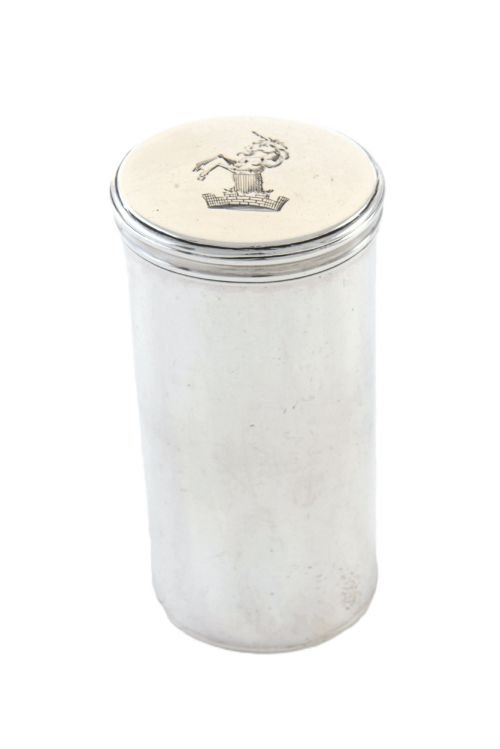
- A small pocket or table container featuring an internal steel rasp for grating whole spices before use. These portable silver pieces date frequently from the Georgian and Victorian periods.
- Caster
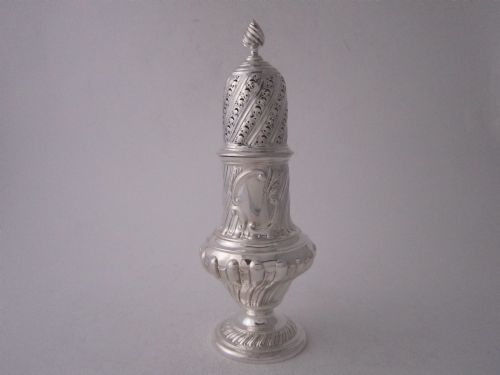
- A small perforated vessel used for sprinkling sugar or dry seasonings over food. They typically feature slip-on or bayonet-fitting pierced covers.
- Muffineer
- An alternative term for a sugar caster or shaker, historically used at breakfast tables for scattering sugar over muffins. They share the characteristic pierced dome top of pepper pots.
- Cruet set
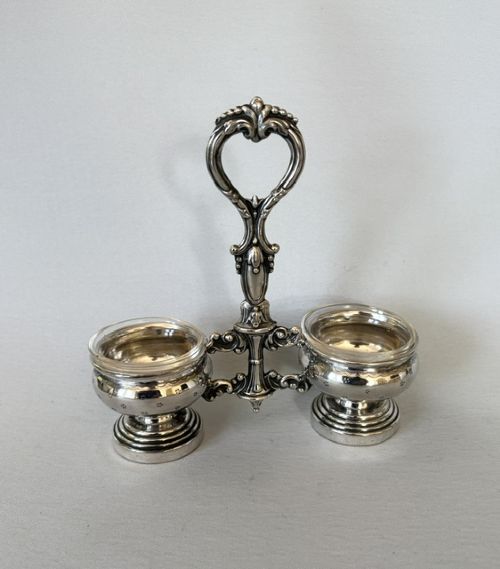
- A matched group of bottles or containers holding condiments, vinegar, oil, and spices, usually fitted into a silver or silver-plated frame with a central handle. Sets vary from simple dual stands to multi-bottle arrangements.
- Hallmark
- An official stamp or series of marks applied to precious metal items to guarantee the standard of purity. These marks typically indicate the maker, assay office, and year of manufacture.
Antique Silver Spice: Frequently Asked Questions
What is a nutmeg grater used for?
Nutmeg graters were used to grate hard whole nutmegs directly into drinks and food at the table or in the kitchen. The silver containers kept the aromatic spice safely stored when not in use.
These pocket-sized items became status symbols during the Georgian and Victorian eras when exotic spices were expensive luxuries. Collectors prize them for their ingenious folding rasps and miniature proportions.
How do you clean antique silver spice boxes?
Antique silver requires gentle cleaning with a soft cloth and a specialised silver cleaner to preserve the underlying metal and fine detail. Harsh abrasive pastes or excessive scrubbing can permanently wear away delicate hand-chased decoration and rub hallmarks.
Keeping pieces dry and storing them away from direct sunlight protects any integrated silk linings or glass components found in related cruet sets.
What are sifter spoons?
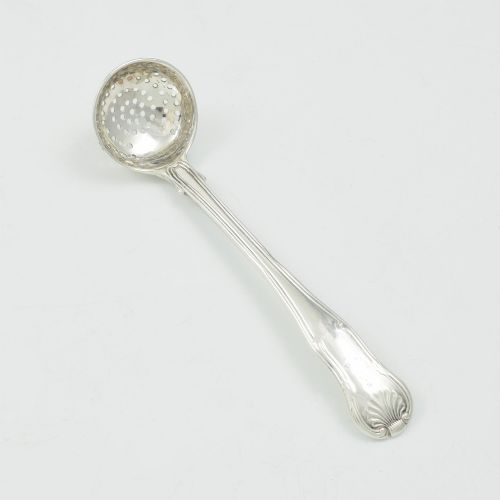
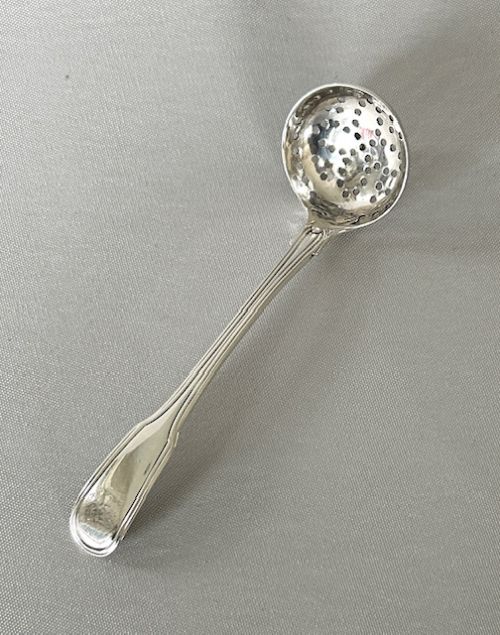
Sifter spoons feature a broad, pierced bowl designed to sprinkle sugar or spice powders onto food while holding back larger lumps. They were standard accompaniments to tea services and sugar bowls.
Georgian examples often display intricate pierced patterns in geometric or floral motifs, reflecting the decorative standards of the period.
How can I date an antique silver spice container?
Dating relies primarily on the stamped hallmarks, which record specific symbols and letters corresponding to the assay office and year of manufacture. Stylistic clues such as shape, engraving style, and structural fastenings also help identify periods like Georgian, Victorian, or Edwardian.
Comparing the maker's mark against historical records provides a reliable method to establish precise production eras.