


Antique Silver Slide
These antique silver slide pieces span desk accessories, wine coasters, and hair ornaments crafted across the Georgian, Victorian, and Edwardian eras.
Antique Silver Slide
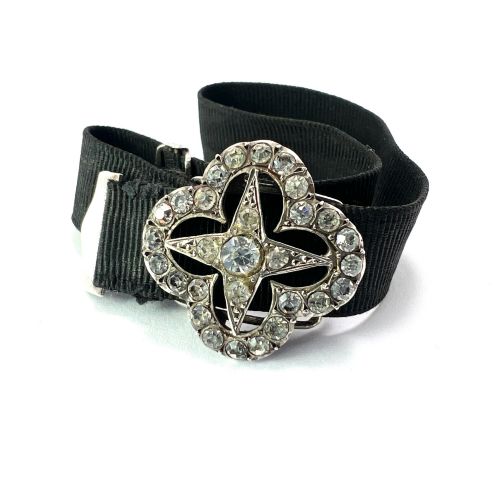
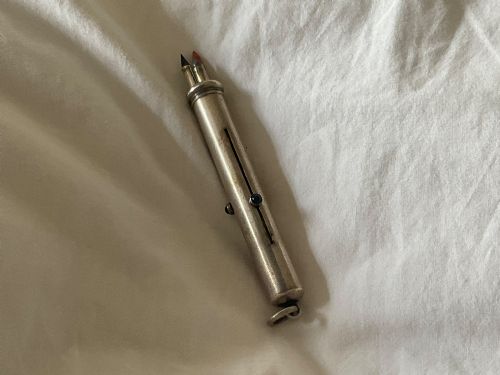
The term antique silver slide encompasses a diverse group of objects sharing a sliding or moving mechanism, alongside items historically known as wine slides or bottle coasters. Buyers searching this phrase will find a mix of scientific instruments, hair slide combs, belt buckles, stamp cases, and propelling pencils alongside traditional table ware.
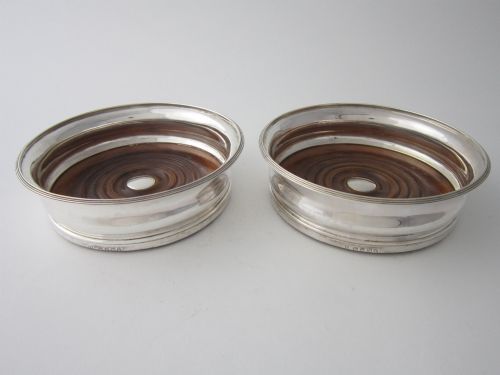
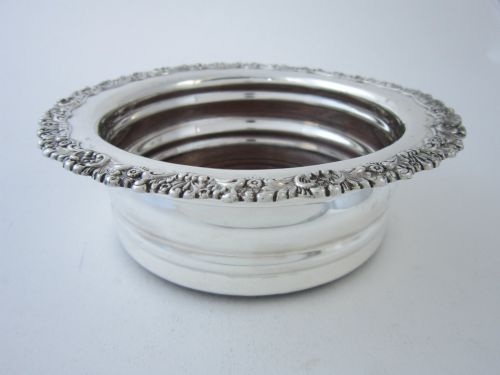
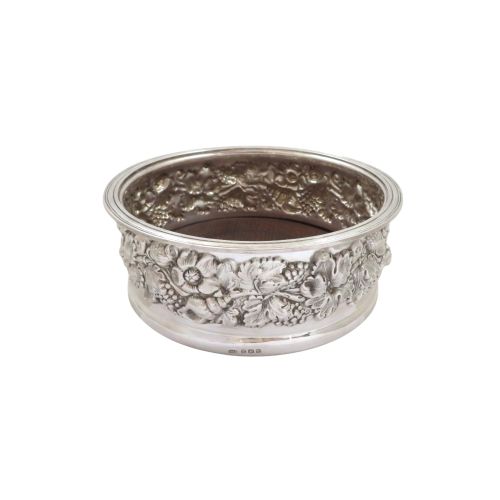
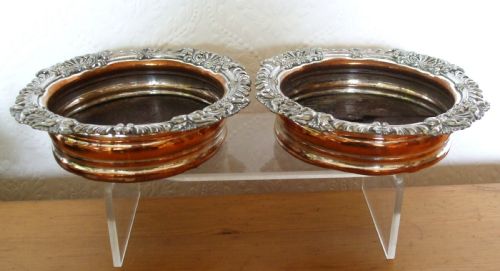
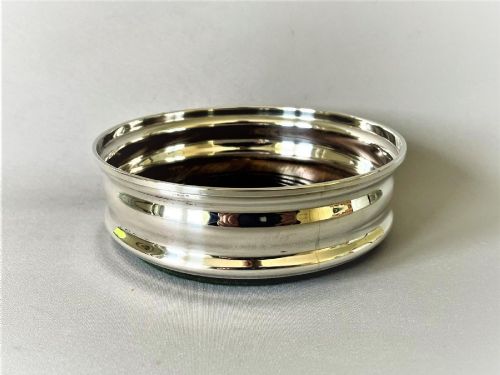
Wine coasters, frequently called slides in period contexts, dominate the available selection. These desk and dining pieces appear in sterling silver, silver plate, and old Sheffield plate, often paired with turned mahogany, oak, or copper bases.
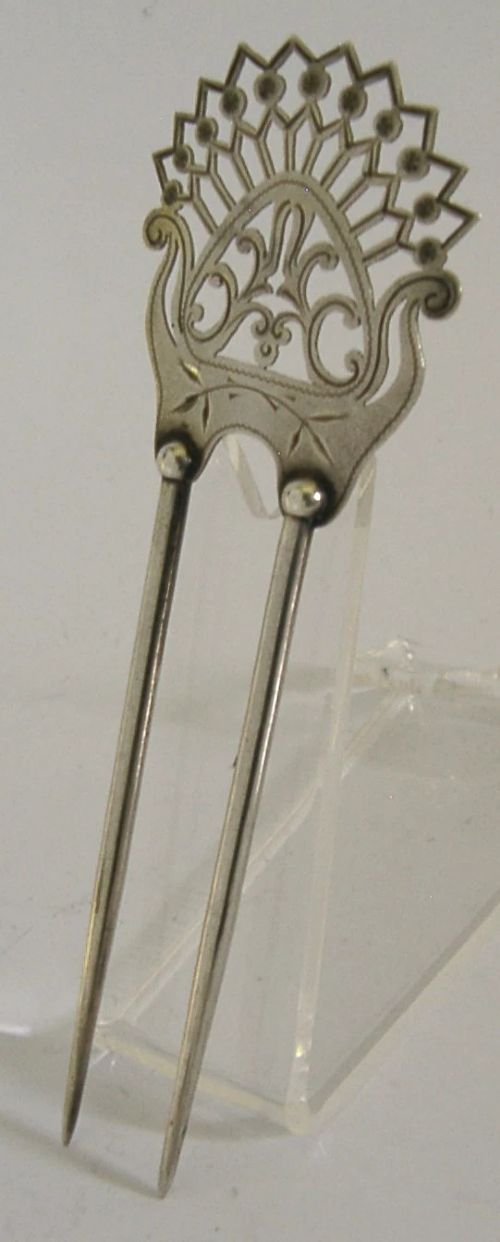
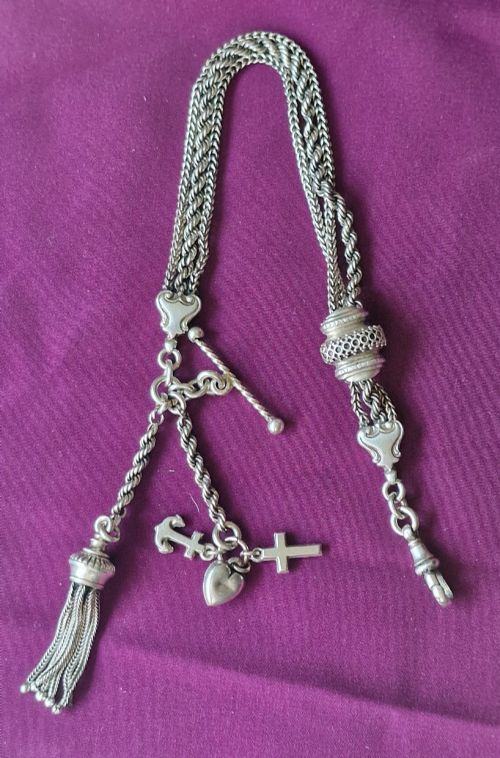
Smaller personal accessories also populate the category, including sterling silver and enamel hair slide combs from the Edwardian period, pocket watch chains, and chatelaine slider items. Each form utilises metalwork characteristic of its specific decade of manufacture.
Materials and construction methods
Makers utilised sterling silver and silver plate, alongside old Sheffield plate where a thin sheet of silver is fused to a copper base. Many dining coasters incorporate wooden bases made from mahogany and oak, often turned and fitted with a central button or silver shield.
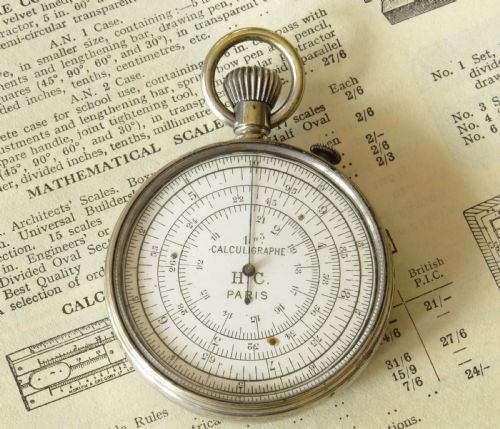
Construction techniques include piercing, chasing, and engraving on the metal elements, alongside specialised mechanisms for pencils, stamp cases, and calculator slide rules. Personal accessories such as hair combs combine sterling silver mountings with articulated teeth and enamel detailing.
The listings span the Georgian, Victorian, Edwardian, and mid-twentieth-century periods, utilising silver, silver plate, mahogany, oak, and copper.
Judging quality in these pieces
Quality rests upon the crispness of the chased or engraved detail and the structural integrity of any moving parts. Pieces with smooth sliding mechanisms and heavy gauge silver or thick old Sheffield plating represent the higher tier of production.
The integration of secondary materials such as turned hardwood bases or enamel panels affects the overall finish. Well-preserved hallmarks, clear maker marks, and balanced proportions distinguish superior examples from standard workshop output.
H H Curtis·Sampson Mordan·Pemberton·William Padley
The Antique Silver Slide Glossary
- Old Sheffield Plate
- A fused composite material made by melting a sheet of silver onto a heavier copper ingot. This technique was widely utilised before the invention of electroplating.
- Chatelaine
- A decorative belt hook worn from the waist with suspended chains carrying utility items such as watches, keys, or stamp cases. These functional accessories often incorporate sliding components.
- Wine Coaster
- A small circular dish designed to hold a wine bottle on the dining table, historically referred to as a wine slide. They protect polished wood surfaces from moisture and heat rings.
- Sterling Silver
- An alloy consisting of silver and other metals, usually copper, meeting a specific purity standard of fineness. It serves as the primary precious metal for the domestic wares and personal items listed here.
- Slide Rule
- A mechanical analog computer utilising adjustable linear or circular scales for mathematical calculations. Pocket-sized versions from the late nineteenth century frequently employed metal sliding indicators.
Antique Silver Slide: Frequently Asked Questions
What is an antique silver slide?
An antique silver slide refers to objects that incorporate a moving track or items historically termed slides, such as wine bottle coasters. The category covers a broad spectrum of domestic and personal items.
These pieces range from dining table coasters and desk accessories to hair combs and pocket watch chains. Each item utilises silver or silver plate combined with materials like wood, enamel, or glass.
How were wine coasters used?
Wine coasters were placed on dining tables during the eighteenth and nineteenth centuries to hold bottles of wine or decanters. They allowed hosts to slide bottles smoothly across polished mahogany surfaces between guests.
Many examples feature felt or turned wood bases to protect the furniture. Their raised sides kept bottles secure while passing around the table.
How do I date a silver slide?
Dating relies heavily on hallmarks stamped into the metal, which indicate the assay office, the year letter, and the maker's mark. Stylistic indicators also provide clear chronological markers.
Georgian pieces display different decorative motifs compared to Victorian or Edwardian examples. Art Nouveau hair slides, for instance, show distinct organic curved lines typical of the early twentieth century.
Are these items made of solid silver?
The materials vary between solid sterling silver, silver plate, and old Sheffield plate. Dining coasters frequently employ silver plating over a base metal or incorporate wooden centres.
Personal items like hair combs and pencils are often made from sterling silver, whilst larger serving pieces utilise plated construction methods. Maker marks and hallmarks generally clarify the composition.