



Antique Silver Shovel
An antique silver shovel brings tactile grace to tea leaves, sugar, and pastry, offering a charming miniature form for daily service.
Antique Silver Shovel
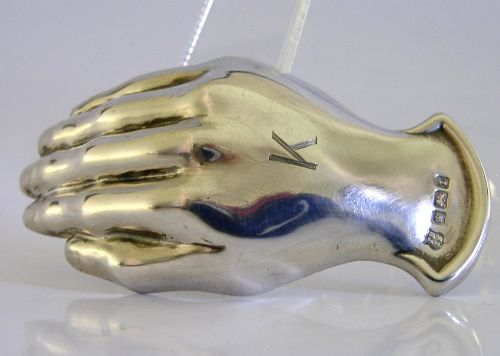
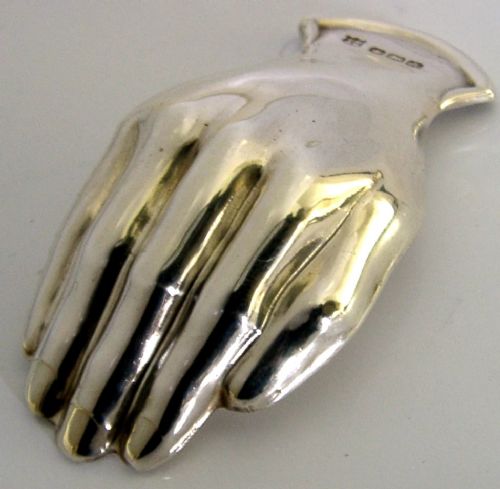
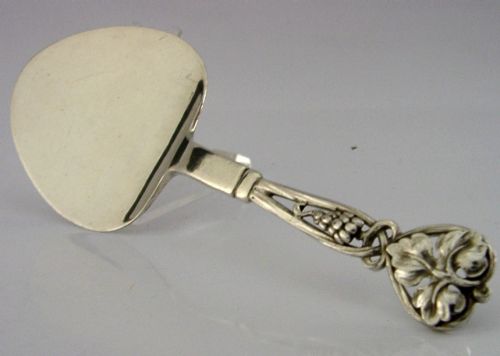
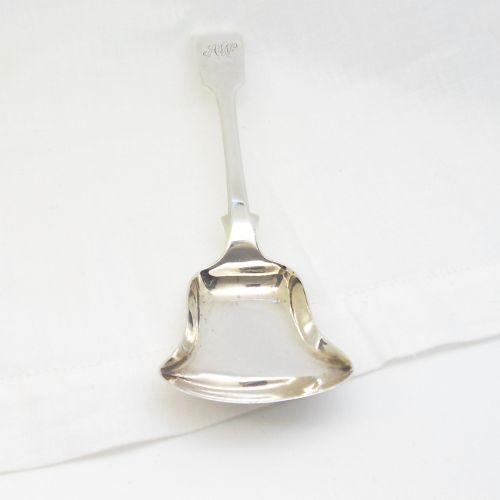
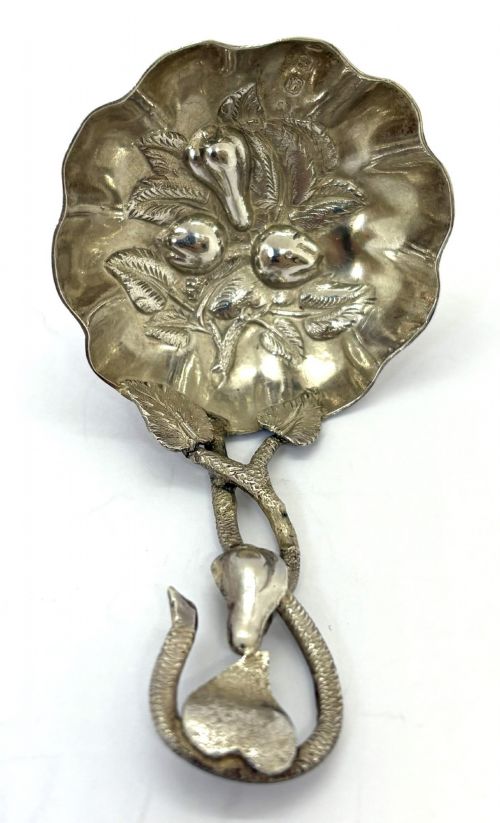
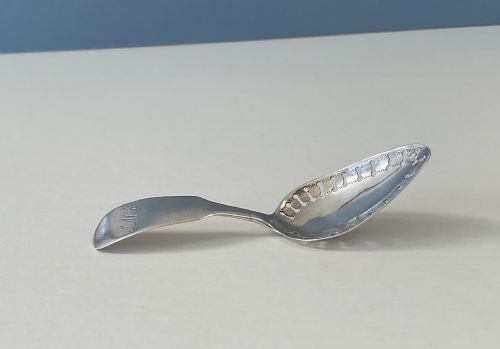
When you search for an antique silver shovel, you encounter a fascinating split between miniature tea caddy spoons and full-sized hearth tools. The smaller items emerge most frequently on this page, taking the form of delicate tea caddy spoons, sugar shovels, and pastry servers fashioned in sterling silver.
The larger domestic items appear as polished steel fire irons and fireplace companions, sometimes accented with brass or iron. These fireplace accessories share the shovel profile but serve the hearth rather than the tea table.
Originating across the Georgian, Victorian, and Edwardian periods, these pieces reflect distinct stylistic eras from Scottish Provincial to Arts and Crafts and Art Deco. Makers working in London, Newcastle, Glasgow, and beyond stamped their wares with regional pride and strict assay marks.
What varies in quality
The crispness of the chasing and the weight of the sterling silver define the upper tier of tea caddy spoons and pastry servers. Pieces bearing clear regional or London hallmarks by notable makers display superior definition in their shovel bowls and handles.
Among the larger fire irons, quality rests in the uniformity of the polished steel and the balance of the companion set. Well-proportioned items demonstrate careful hand-finishing rather than mass-produced uniformity.
John Walton·Mappin & Webb·Georg Jensen·George Unite·George Wintle
The Antique Silver Shovel Glossary
- Caddy spoon
- A short-handled spoon designed for measuring tea leaves from a caddy. These small vessels often take shovel forms with flat, wide bowls.
- Sterling silver
- A silver alloy containing ninety-two point five percent pure silver by mass and seven point five percent other metals, usually copper. This standard alloy ensures durability for domestic cutlery and serveware.
- Parcel-gilt
- A decorative treatment where only specific portions of a silver object are gilt with a thin layer of gold. This technique highlights interior bowls or engraved motifs.
- Hallmark
- An official stamp applied to precious metals indicating the standard of purity, the assay office, and the year of manufacture. These marks provide reliable dating evidence.
- Fire irons
- A matched set of domestic tools including a shovel, tongs, and poker used for tending a coal or wood fire. They are frequently forged from polished steel.
Antique Silver Shovel: Frequently Asked Questions
What is a silver shovel spoon used for?
These small shovels served principally as tea caddy spoons or sugar shovels for transferring loose leaves and granules from storage jars to pots. Their broad, flat bowls made them practical instruments for dry goods.
Over time, collectors came to prize them as decorative examples of miniature silversmithing rather than purely utilitarian kitchen implements.
How do I date a Georgian silver shovel?
Dating relies heavily on the stamped hallmarks showing the assay office symbol, the sovereign's head, and a specific date letter corresponding to the active year of the workshop.
Stylistic cues such as bright-cut engraving or plain fiddle patterns also help narrow down the decade of manufacture.
How should I clean antique silver shovel pieces?
Gentle washing in warm soapy water with a soft cloth removes everyday dust and oils without harming the historic surface. Avoid harsh abrasive dips that strip away the natural patina accumulated over centuries.
Polishing should be done sparingly and only with dedicated silver cloths to preserve crisp hallmarks and engraving.