

Antique Silver Rim
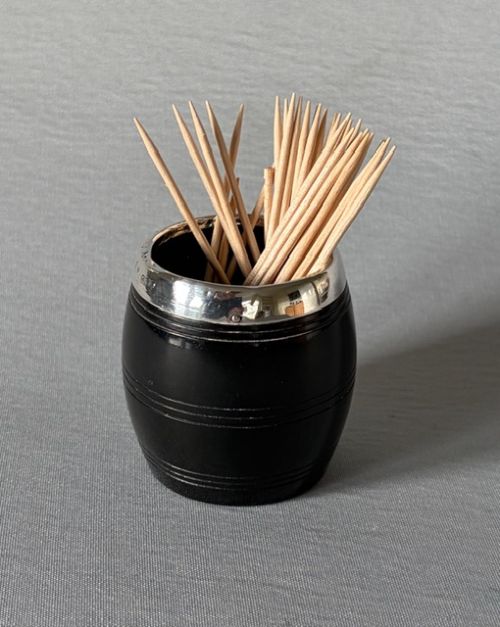
These pieces with an antique silver rim combine gleaming metal mounts with glass, ceramic or timber bodies, bringing tactile weight and period character to a table.
Antique Silver Rim
When you search for antique silver rim, you are looking at functional and decorative items finished with a metallic edge, collar or mount. The selection here leans heavily towards Edwardian and Victorian examples, alongside Art Deco designs from the 1920s.
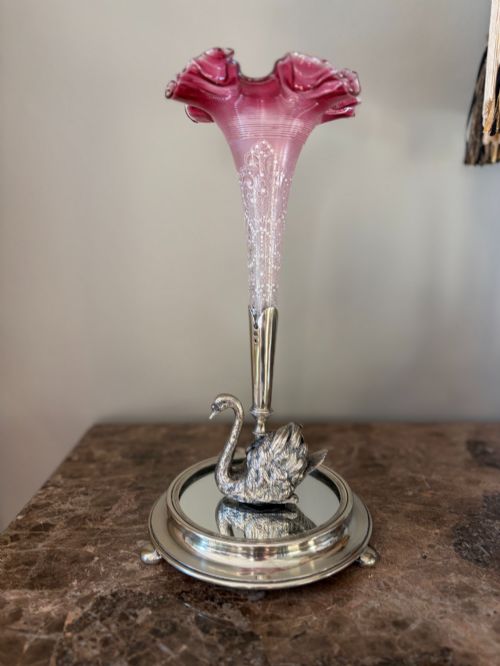
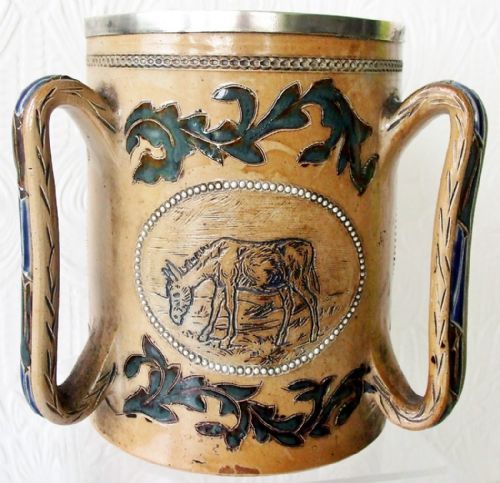
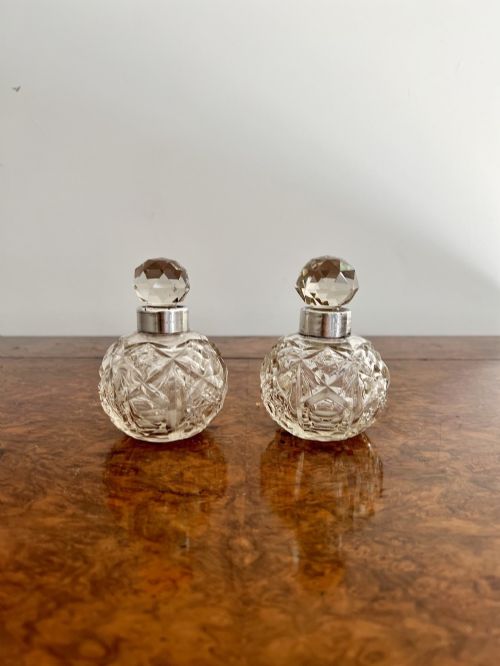
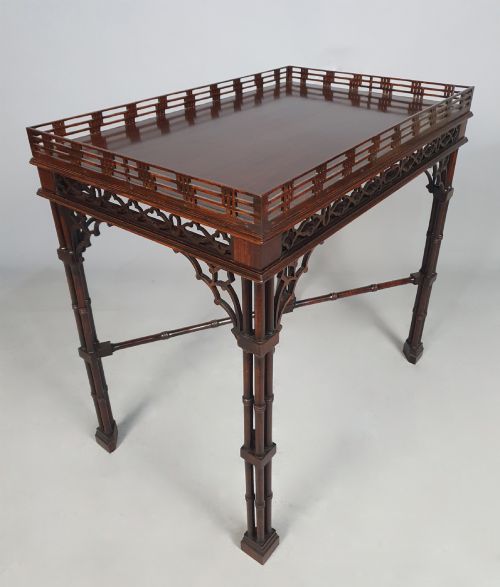
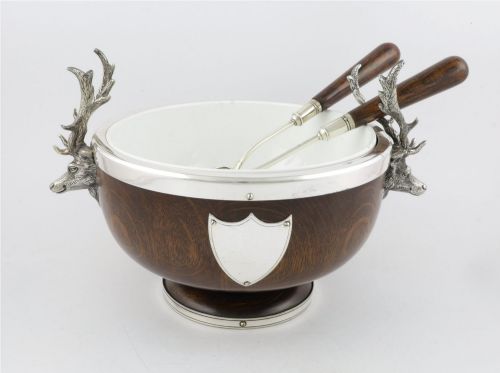
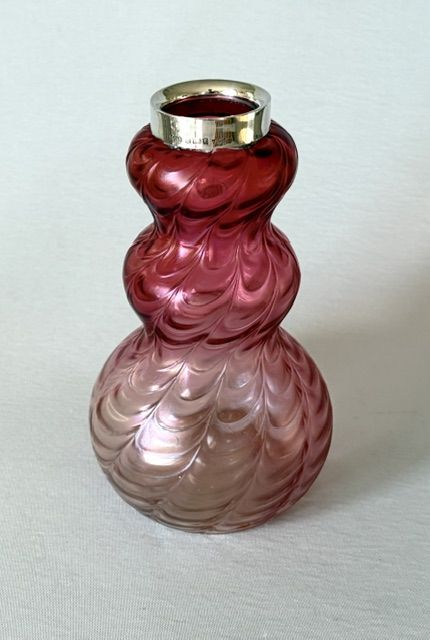
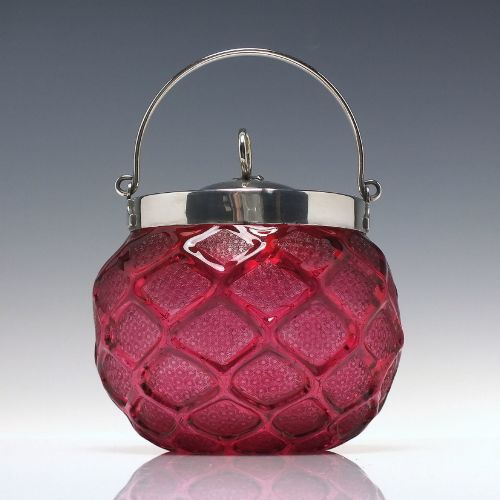
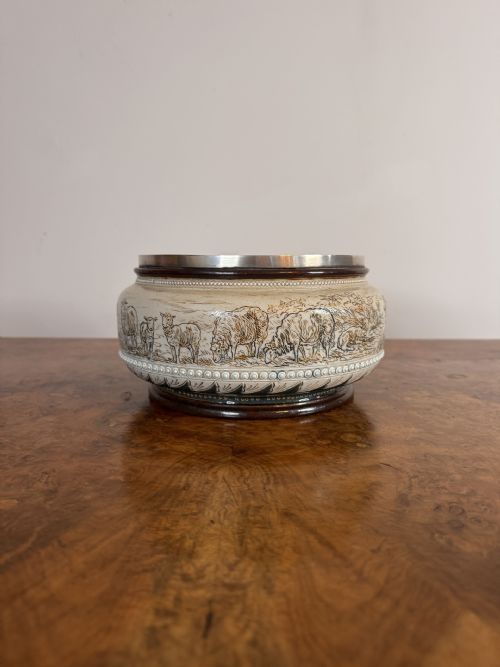
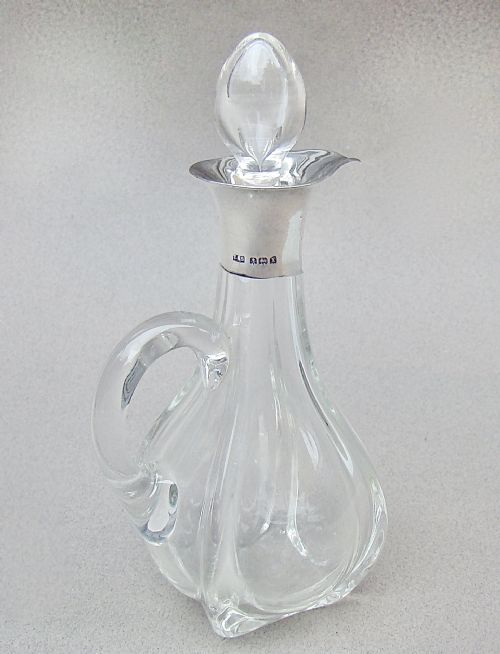
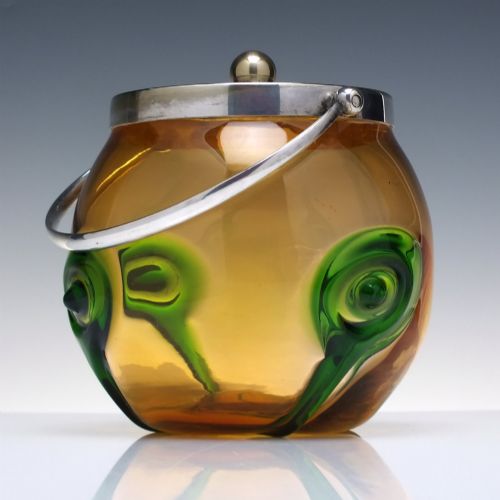
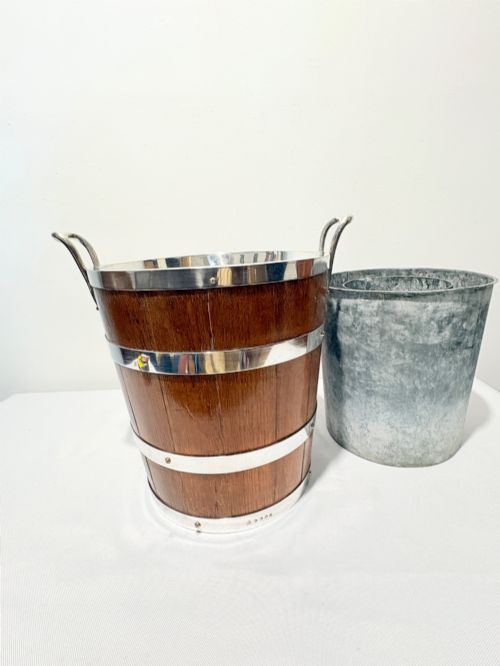
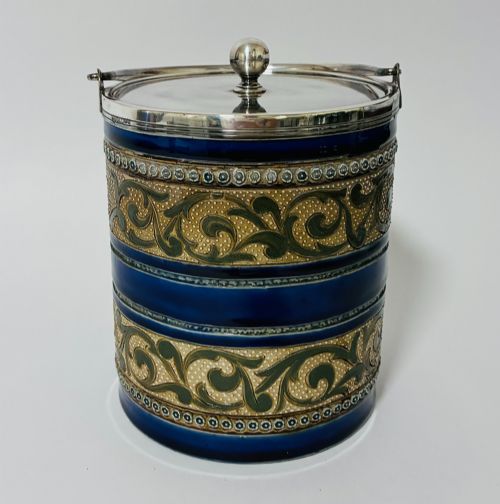
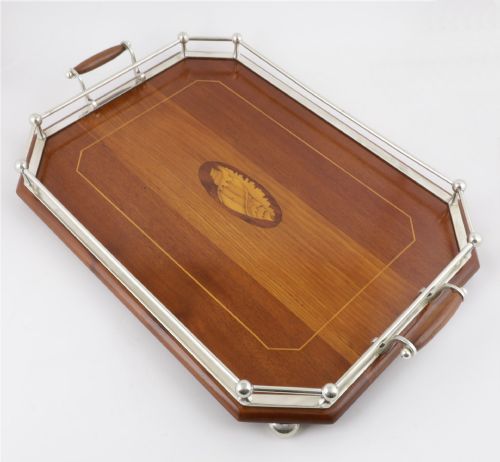
You will encounter a diverse mix of forms on this page, ranging from serving trays and salvers to cut glass decanters, stoneware jars and wooden bowls. Many combine sterling silver or silver plate with contrasting bodies like Doulton Lambeth stoneware, Vaseline glass and oak.
Origins span English workshops alongside Continental European pieces, such as French ice buckets and Chinese export coin dishes. The silver component usually frames the object, functioning as a structural rim, a protective collar or a decorative border.
Materials and construction methods
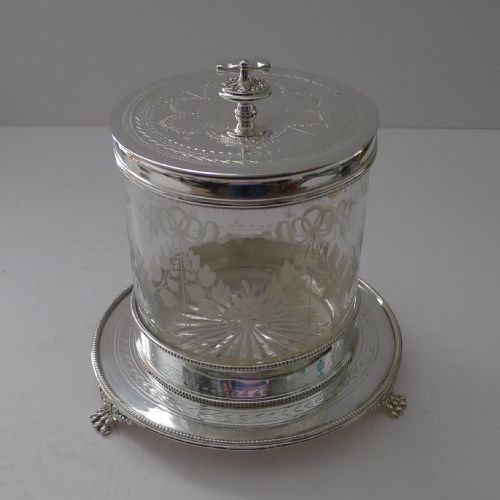
Makers combined sterling silver or silver plate with organic and vitreous materials, mounting metal rims onto cut glass bodies, glazed ceramics and dense hardwoods like mahogany and oak. Silver was often soldered or secured directly onto the edges of glass bowls and ceramic jugs.
Techniques such as repoussé work, piercing and engraving appear frequently on the metal elements, creating textured floral borders or geometric Art Deco patterns. Stoneware and pottery bodies were shaped and fired before receiving their protective metal collars and hinged lids.
Antique Silver Rim Retail Price Guide 2026
Typical asking prices for silver rim among the pieces listed under this phrase on Sellingantiques today, from the lower quarter to the upper quarter. They describe what is for sale here now, not the wider market.
Listings feature items from the 18th, 19th, and early 20th centuries, incorporating sterling silver, silver plate, cut glass, oak, mahogany, and stoneware.
Judging the standard of manufacture
Quality rests upon the crispness of the metalwork and the harmonious integration of the silver mount with the central body. Superior pieces display deep, clean chasing and securely fitted collars that sit flush against glass or ceramic.
The weight of the silver or the thickness of the silver plating distinguishes finer items from standard production pieces. Well-preserved glass and unblemished ceramic bodies that retain their original silver mounts without looseness represent the better end of the range.
Tiffany And Co·William Comyns·James Spackman·William Rudkins
The Antique Silver Rim Glossary
- Silver plate
- A base metal, such as copper or nickel brass, coated with a thin layer of silver. This technique allowed manufacturers to produce decorative tableware at a lower cost than solid sterling silver.
- Repoussé
- A metalworking technique where the artisan hammers the silver from the reverse side to form a raised design in relief on the front. It is commonly found on Edwardian and Victorian decorative rims and baskets.
- Stoneware
- A heavy, durable ceramic fired at high temperatures until vitrified. Pieces from potteries like Doulton Lambeth often featured fitted silver rims and collars.
- Salver
- A flat tray used for serving drinks or presenting items, typically manufactured in silver plate or sterling silver. They frequently feature decorative borders and resting feet.
- Vaseline glass
- A type of glass containing uranium dioxide that produces a distinctive yellow-green colour. It appears in Edwardian and Art Nouveau centerpieces paired with silver mounts.
Antique Silver Rim: Frequently Asked Questions
What is an antique silver rim?
An antique silver rim refers to the metal border, collar or mount applied to the edge of a glass, ceramic, or wooden object. These mountings were designed to protect vulnerable edges and add decorative contrast.
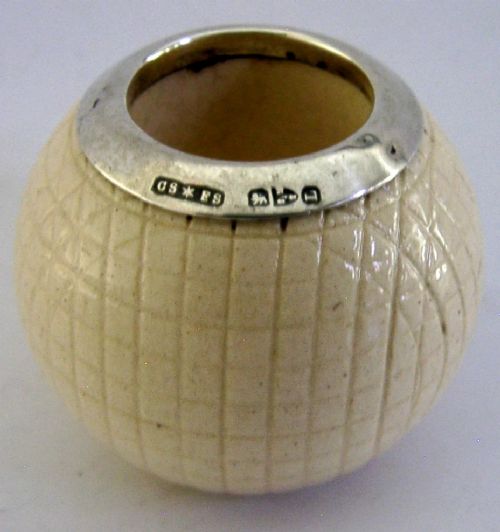
You will find this feature on a wide variety of items on this page, including decanters, bowls, trays, and match strikers spanning the Victorian, Edwardian, and Art Deco periods.
How do I clean silver rims safely?
Clean silver rims using a soft cloth and a gentle silver polish, taking care to avoid harsh abrasives that might scratch the surrounding glass, ceramic or wood. Apply the polish sparingly directly to the metal.
Keep cleaning agents away from porous materials like unglazed stoneware or crocodile skin to prevent staining or moisture damage during the process.
Were silver rims purely decorative?
While highly decorative, silver rims often served a practical purpose in protecting fragile materials like glass and pottery from chipping during daily use. Collars on decanters and mustard pots also helped secure hinged lids.
Makers combined utility with style, using repoussé work and engraved patterns to elevate functional household items into attractive display pieces.
How do I date a silver rim piece?
Dating these items usually relies on hallmarks stamped into the silver, along with the overall style of the piece, such as geometric Art Deco lines or floral Edwardian repoussé. Maker's marks can pinpoint specific workshops and active years.
Non-hallmarked silver plated items are dated by stylistic cues, manufacturing techniques, and the type of secondary material, such as Vaseline glass or Doulton Lambeth stoneware.