




Antique Silver Rim Bowl
An antique silver rim bowl brings together lustrous metal and contrasting bodies like cut glass or ceramic, offering a striking centrepiece for any table.
Antique Silver Rim Bowl
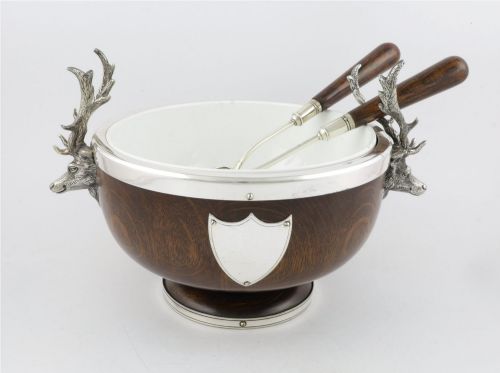
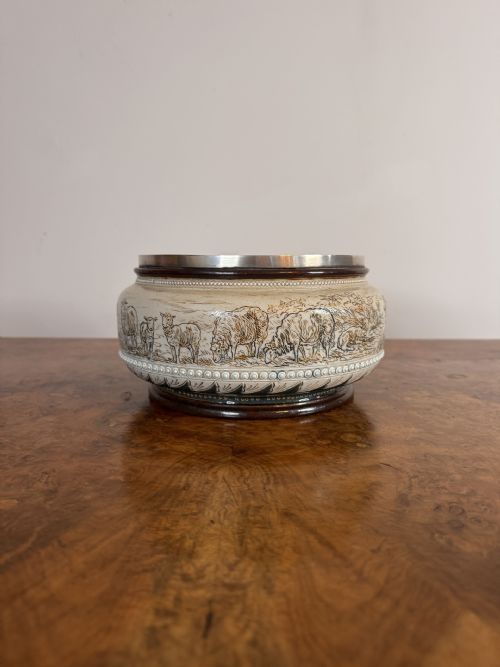
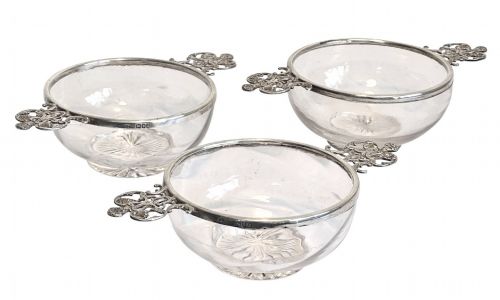
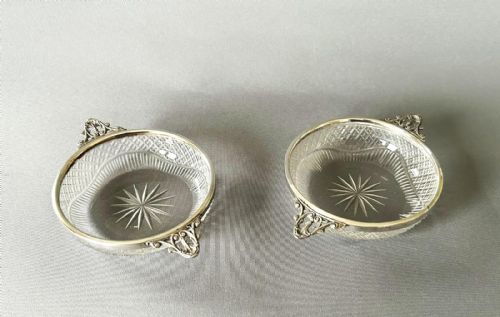
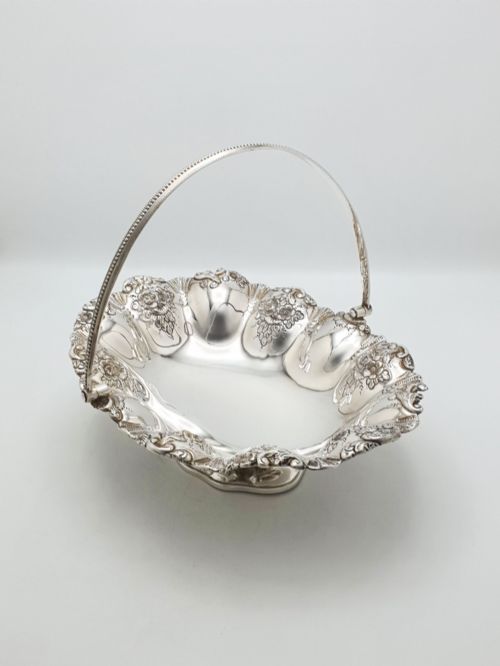
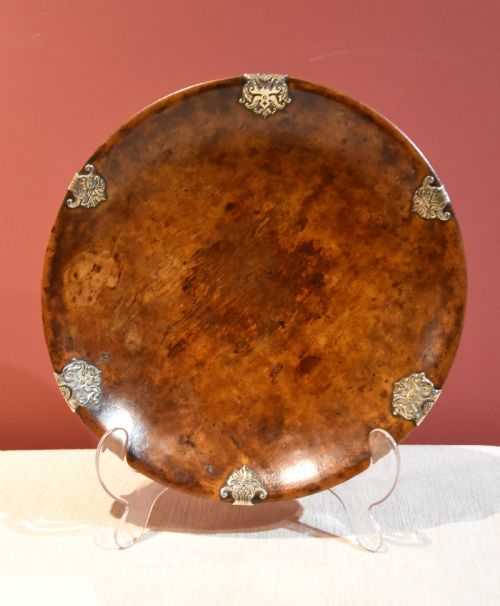
The pieces appearing on this page span several distinct periods including the Victorian and Edwardian eras, alongside pieces from the nineteenth and twentieth centuries. Domestic serveware and display items dominate the selection, often featuring mounts of sterling silver or silver plate fastened to glass or wooden bodies.
Origins vary from English workshops to American firms and Chinese export pieces, reflecting global design influences across different decades. Buyers often select these vessels for their decorative utility on dining tables and sideboards.
Materials and construction methods
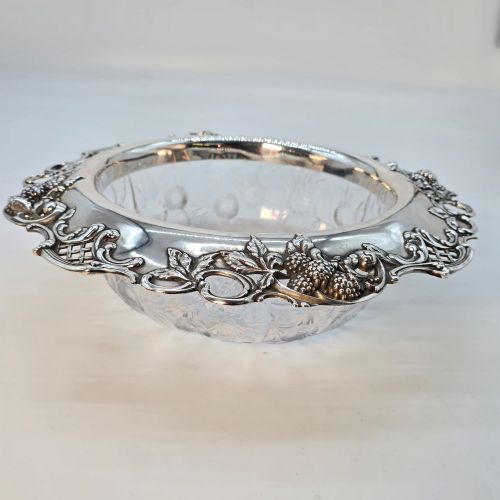
Silversmiths and manufacturers united metal borders with non-metallic vessels using secure mounts, bezels, and structural pins. Sterling silver and silver plate form the rims, whilst the main bodies utilise cut glass, crystal, vaseline glass, oak, burr walnut, and ceramic.
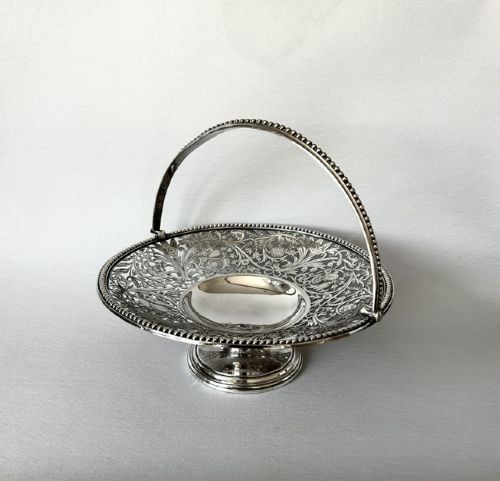
Techniques such as floral repoussé work, piercing, and enamel detailing embellished the silver components. Glass bodies were frequently mould-blown or hand-cut to catch the light against the polished metal trims.
Antique Silver Rim Bowl Retail Price Guide 2026
Typical asking prices for silver rim bowl among the pieces listed under this phrase on Sellingantiques today, from the lower quarter to the upper quarter. They describe what is for sale here now, not the wider market.
Some Edwardian bowls wear their silver rims like jaunty top hats, steadfastly refusing to reveal whether they prefer holding fruit or spare buttons.
Factors influencing quality and craftsmanship
The weight and thickness of the silver rim relative to the vessel body indicate the grade of manufacture. Heavier gauge silver and substantial mounts denote superior workshop standards.
The clarity and depth of hand-cut glass or the precision of ceramic glazes separate standard production items from masterworks. Integration between the rim and the underlying material reveals the maker's technical skill.
Tiffany and Co.·William Comyns·Doulton Burslem·Frank Butler·S Kirk and Son·Walter Brind
The Antique Silver Rim Bowl Glossary
- Sterling silver
- A silver alloy containing 92.5 percent pure silver and 7.5 percent other metals, usually copper, ensuring durability for decorative tableware.
- Repoussé
- A metalworking technique where the artisan hammers the silver from the reverse side to form a raised design on the front.
- Vaseline glass
- A type of glass coloured with uranium dioxide that exhibits a distinctive greenish-yellow fluorescence under ultraviolet light.
- Monteith bowl
- A bowl featuring a scalloped or notched removable rim designed to hold wine glasses by their stems.
- Hallmark
- An official stamp applied to precious metals indicating the standard of purity, the maker, and the year of assay.
Antique Silver Rim Bowl: Frequently Asked Questions
How do I clean an antique silver rim bowl?
Clean the silver rim gently using a specialist silver cloth while avoiding abrasive polishes that might damage the surrounding glass or ceramic body. Ensure moisture does not seep between the silver mount and the fitted vessel during the cleaning process.
Store the bowl in a dry environment away from direct sunlight to prevent tarnishing and to protect organic materials like oak or burr walnut from drying out.
Were these bowls used for food?
Many examples served practical functions on the dining table, holding fruit, salads, sugar, or bonbons during Victorian and Edwardian meals. Others functioned purely as decorative centrepieces or trinket dishes.
Examine the interior for wear or utensil marks to understand how an individual piece was utilised by its original owners.
How can I tell the period of a bowl?
Examine the silver hallmarks, which often reveal the exact assay office and date letter for British pieces. Stylistic markers such as Edwardian floral motifs or Art Nouveau sinuous lines also help narrow down the decade of manufacture.
The combination of materials, such as vaseline glass paired with silver plate, frequently points towards specific eras like the late nineteenth or early twentieth century.
Is the rim removable on all bowls?
Most silver rims are permanently fixed to the glass or ceramic body using secure mountings or adhesives appropriate to the period. Certain specialised forms, such as Monteith bowls, feature removable rims designed to be lifted off for serving.
Check the construction carefully before attempting to separate any component of the bowl to avoid damaging the antique mount.