



Antique Presentation Dish
An antique presentation dish carries the weight of ceremony and gratitude, offering a tangible record of past events through silver, oak, and engraved copper.
Antique Presentation Dish
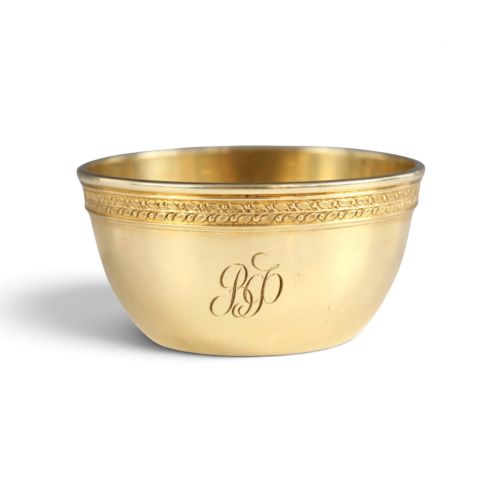
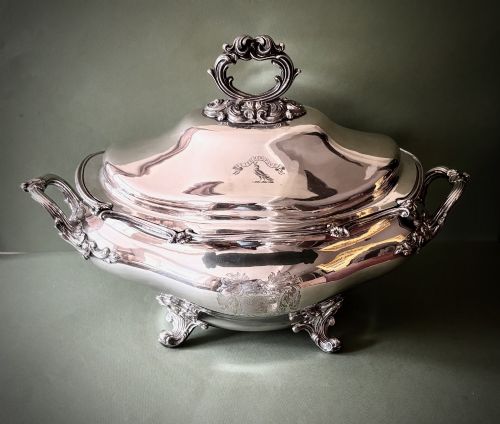
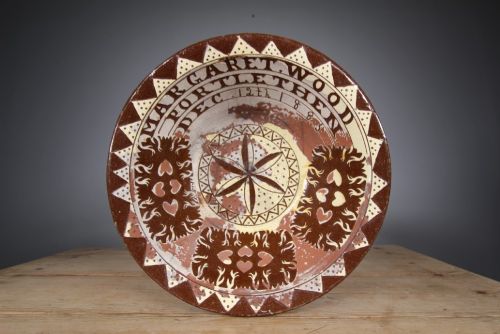
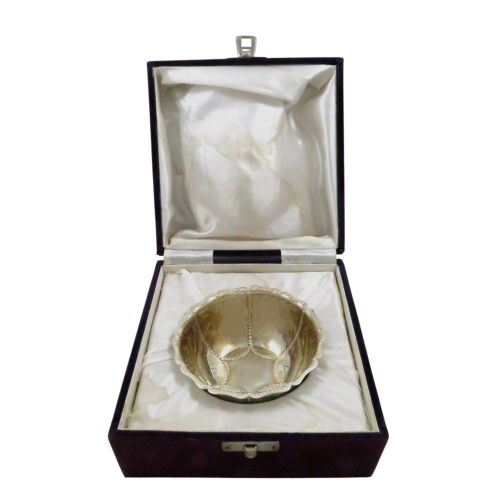
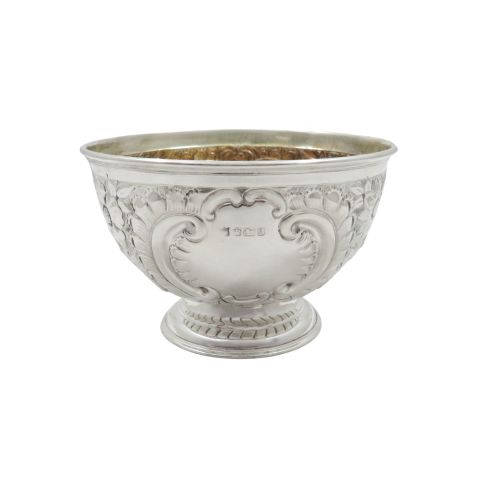
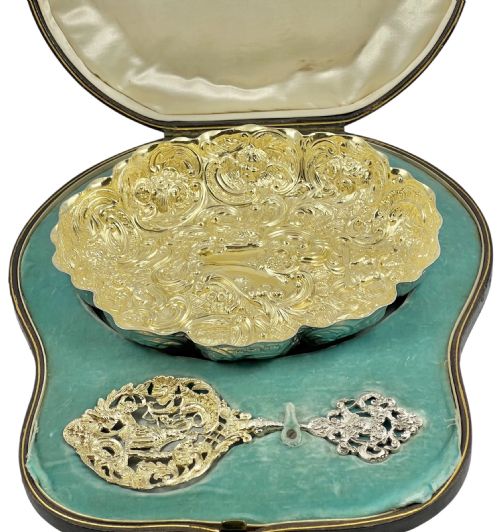
An antique presentation dish represents a distinct category of commemorative and ceremonial vessels designed to mark notable occasions, often carrying inscriptions or specific presentation context. These pieces surface in forms ranging from heavy trays and footed bowls to covered tureens and fitted cases.
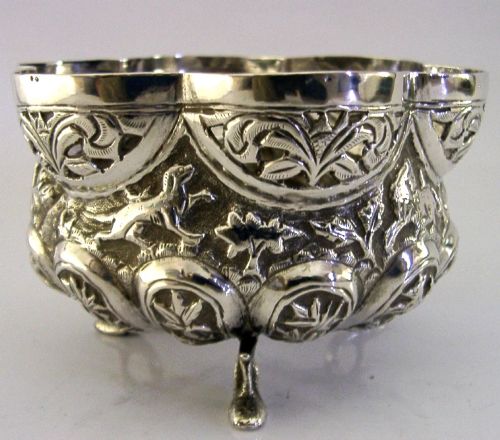
The versions most commonly met on this page span the Victorian and Edwardian eras, with sterling silver and silver plate prevailing alongside regional variations such as Anglo-Indian and Persian metalwork. Functional items like sugar baskets, butter dishes, and lidded boxes frequently share this ceremonial background.
Makers utilised various mediums to suit the gravity of the award, incorporating ceramic inserts, oak mounts, and velvet linings alongside precious metals. Each piece serves as both a decorative object and a historical marker of communal or personal recognition.
Materials and construction methods
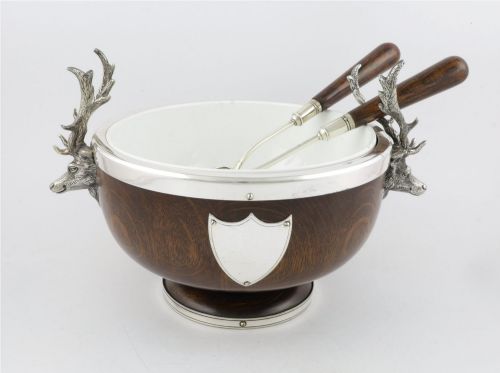
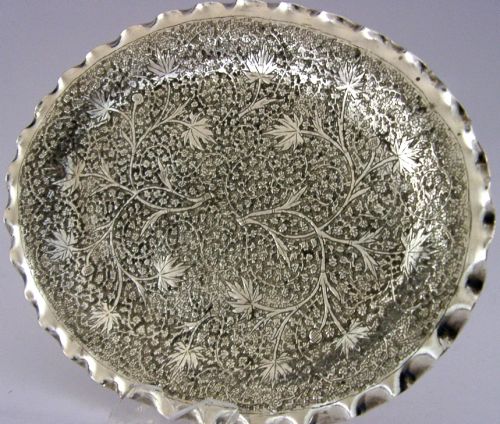
Metalworking dominates this category, utilising sterling silver, silver-gilt, solid silver, and silver plate over base metals like copper and old Sheffield plate. Silversmiths employed techniques such as chasing, repoussé, and hand engraving to ornament surfaces with animal motifs, foliate patterns, and presentation inscriptions.
Mixed media assemblies combine precious metals with organic and ceramic elements, including turned oak bases, fitted velvet interiors, and ceramic bowl inserts. These secondary materials provide structural support and textural contrast to the primary metal vessels.
Antique Presentation Dish Retail Price Guide 2026
Typical asking prices for presentation dish among the pieces listed under this phrase on Sellingantiques today, from the lower quarter to the upper quarter. They describe what is for sale here now, not the wider market.
Materials span sterling silver, silver-gilt, solid silver, silver plate, copper, velvet, satin, and ceramic.
Assessing quality in ceremonial metalwork
Quality rests upon the weight of the metal and the crispness of the hand-executed decoration, distinguishing heavy cast or hand-hammered pieces from lighter plated alternatives. Superior examples display deep, legible chasing and secure fixings on mounts, handles, and pedestals.
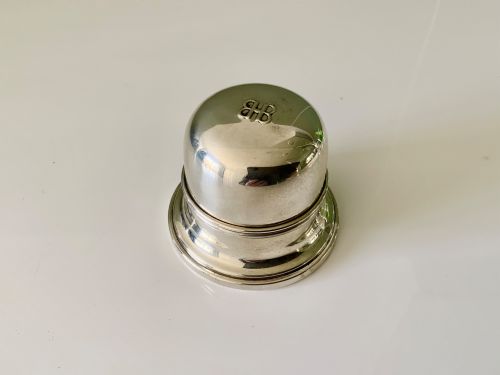
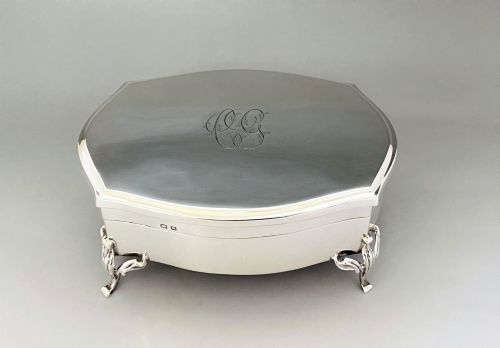
The presence of original fitted presentation cases and documented historical associations elevates the standing of a piece. Finer items demonstrate balanced proportions, careful finishing to the interior surfaces, and clear hallmarks that verify the origin and date of manufacture.
Stephan Wekeva·Seaton Pottery
The Antique Presentation Dish Glossary
- Sterling silver
- A silver alloy containing 92.5 percent pure silver and 7.5 percent other metals, typically copper, chosen for durability in tableware. British pieces carry hallmark stamps verifying this standard.
- Silver-gilt
- Silver that has been coated with a thin layer of gold on its surface, often referred to as vermeil. This technique adds warmth and protects the underlying silver from tarnishing.
- Old Sheffield plate
- An early fused plating method where a sheet of silver is fused to a thicker copper base before shaping. This technique creates a distinct edge where the copper core shows through wear.
- Repoussé
- A metalworking technique where the artisan hammers the metal from the reverse side to form a raised design in relief. Details are then refined from the front using chasing tools.
- Pedestal foot
- A raised architectural support beneath a bowl or dish that elevates the vessel from the table surface. This form appears frequently on Victorian presentation pieces to increase visual prominence.
Antique Presentation Dish: Frequently Asked Questions
How were presentation dishes originally used?
These vessels functioned primarily as commemorative awards, presentation pieces, or testimonial gifts given by institutions, communities, or employers. They marked sporting victories, retirements, or civic milestones and often resided on display tables or sideboard consoles.
While some served functional roles on the dining table for butter, sugar, or fruit, many remained purely decorative tributes housed within custom velvet-lined presentation cases.
What metals are most common in these pieces?
Sterling silver and silver plate form the majority of the metalwork found in this category, accompanied by solid silver variants from regional traditions. Old Sheffield plate and engraved copper also appear among the earlier and larger items.
Secondary materials frequently supplement the metal, including fitted oak mounts, ceramic bowl inserts, and satin or velvet interior linings in presentation boxes.
How can I tell the period of a piece?
British pieces generally rely on official hallmarks stamped into the metal, which record the assay office, date letter, and maker's mark. Stylistic indicators also help, such as the elaborate ornamentation of Victorian design compared to the cleaner lines of Edwardian work.
Regional metalwork from Anglo-Indian or Persian workshops often lacks standard British hallmarks, requiring identification through stylistic motifs, technique, and material composition.
How do I care for antique silver presentation dishes?
Gentle dusting with a soft, dry cloth preserves the surface without removing patination or wearing down delicate chased details. Avoid abrasive cleaners and chemical dips that strip the aged character from engraved inscriptions and relief work.
Store pieces away from direct sunlight and high humidity, particularly items with velvet-lined cases, wooden mounts, or delicate ceramic components that react poorly to moisture.