


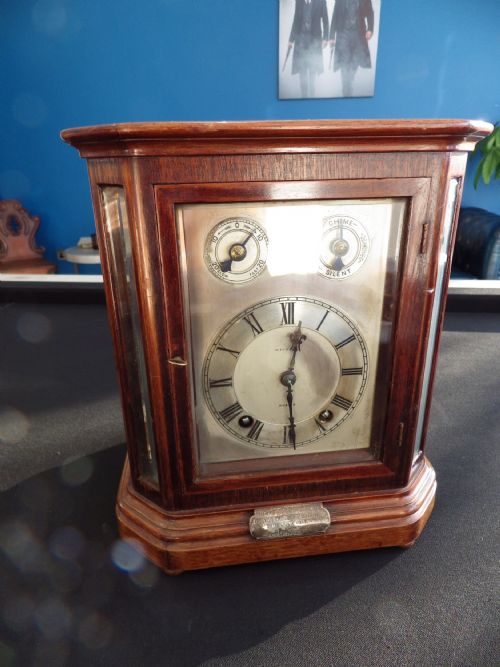

Antique Silver Presentation Case
An antique silver presentation case houses fitted silverware or ceremonial items from the Victorian, Edwardian, and Art Deco periods, offering a glimpse into formal gifting history.
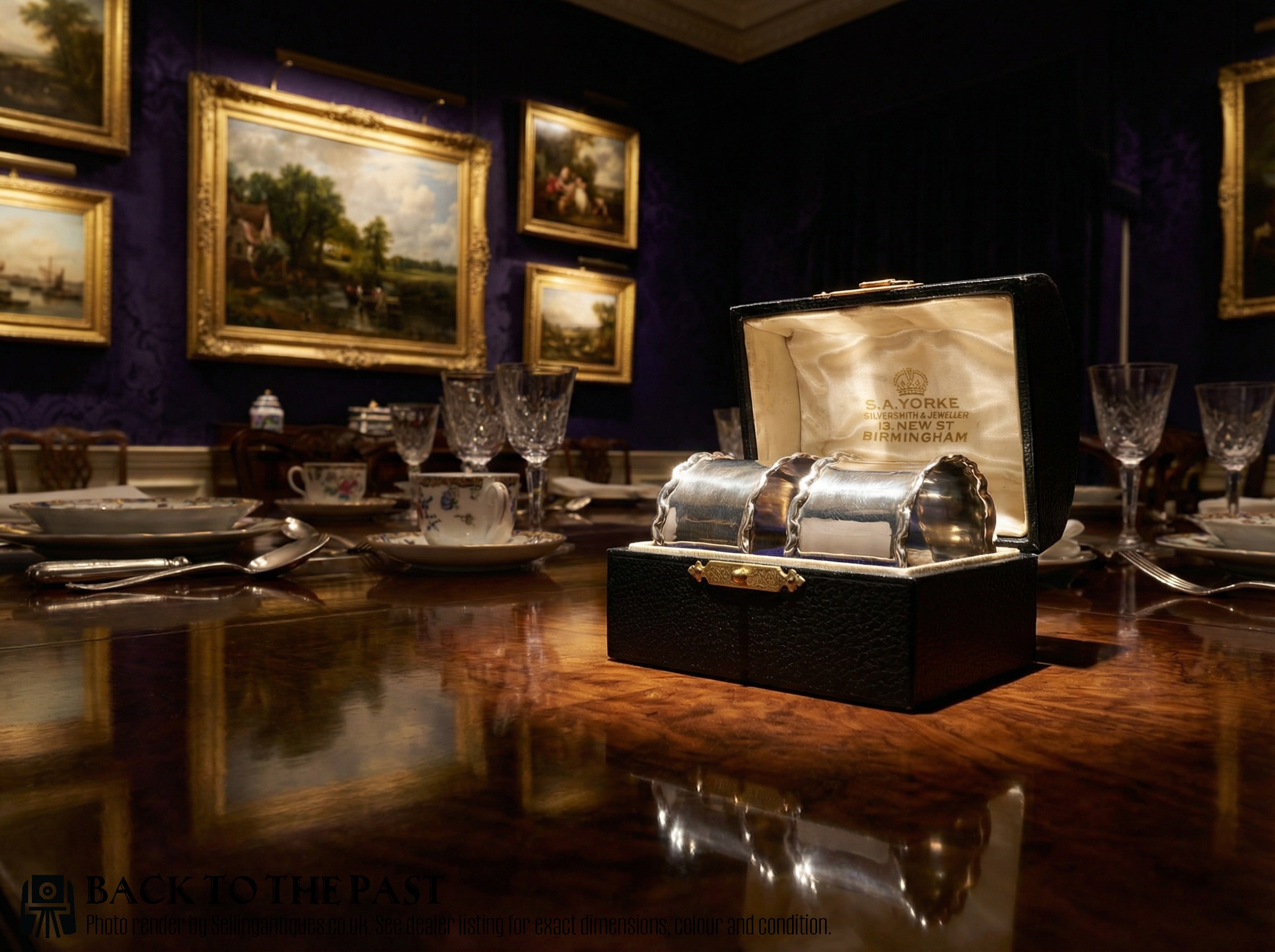
Antique Silver Presentation Case
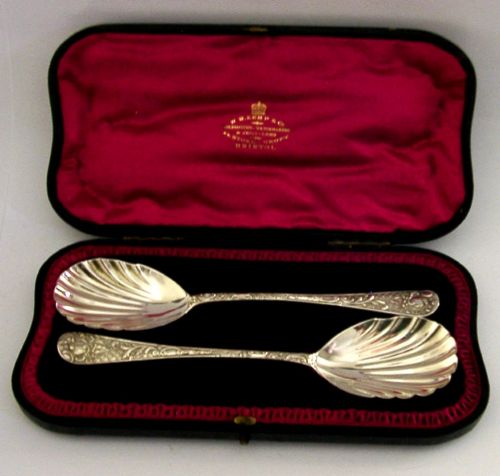
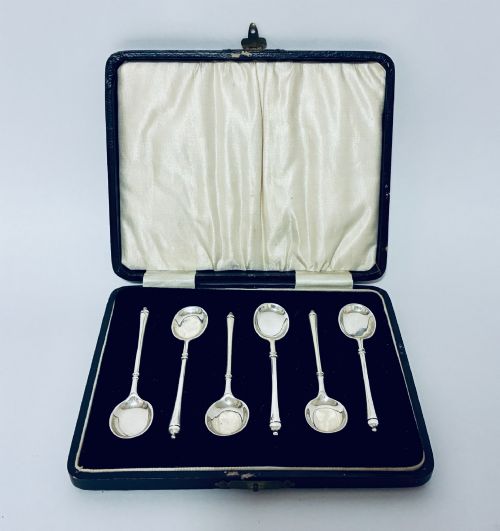
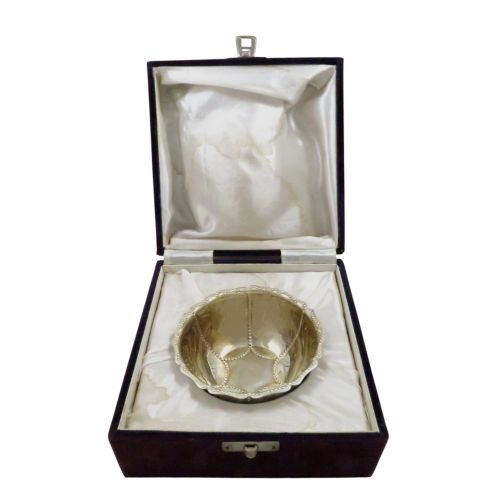
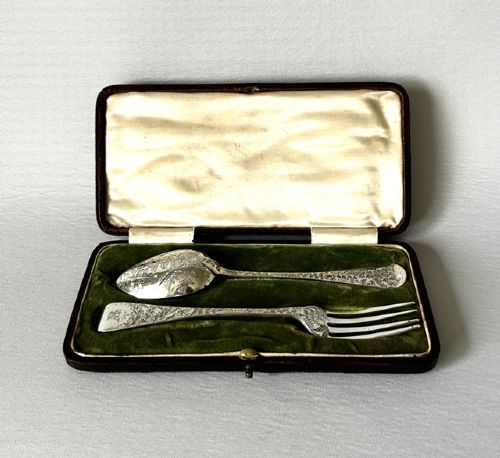
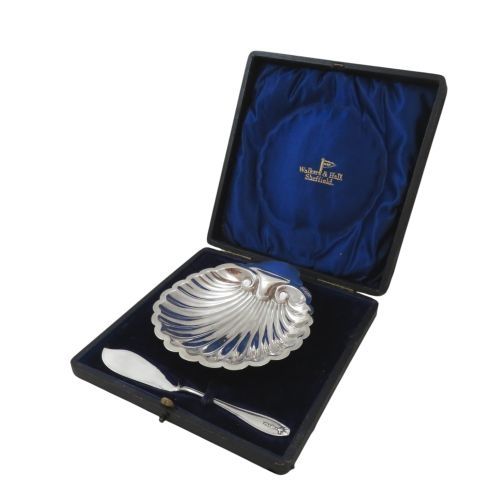
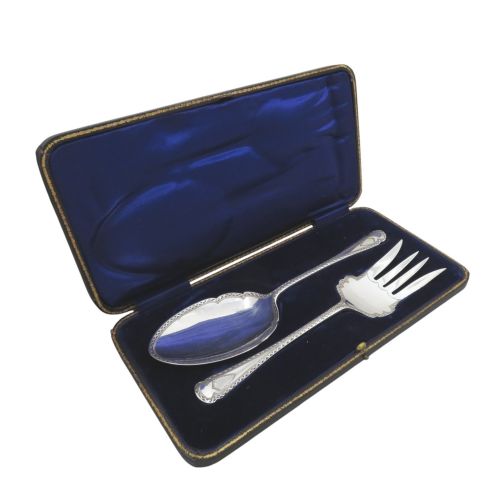
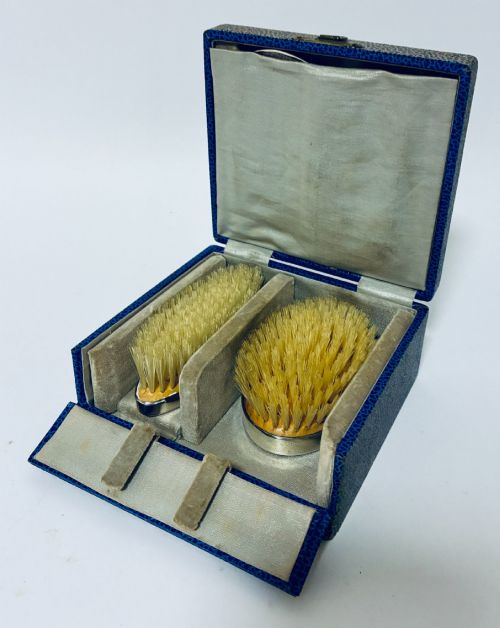
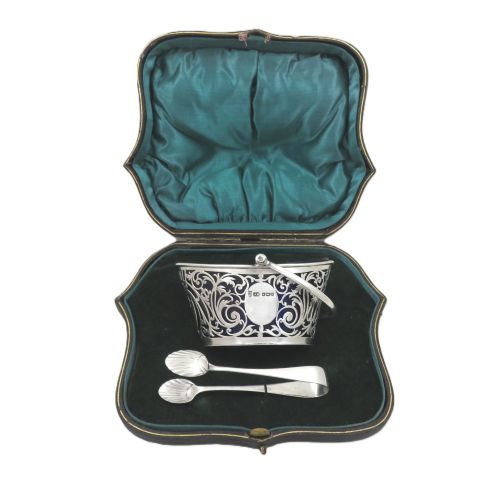
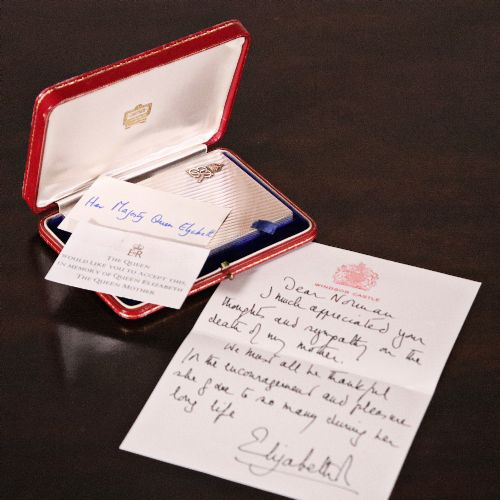
When you search for an antique silver presentation case, you encounter fitted boxes housing everything from christening sets and butter shells to serving spoons, card cases, and desk clocks.
The most common examples on this page date from the Victorian and Edwardian eras, often featuring fitted interiors designed to showcase flatware, bowls, or vesta cases given for milestones or commemorations.
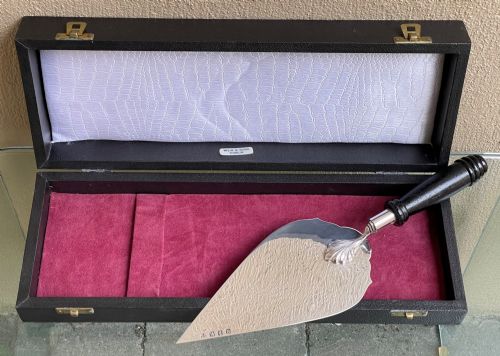
These items range from functional cutlery services to single presentation trowels, keys, and batons, each nestled within a protective exterior shell.
Materials and construction
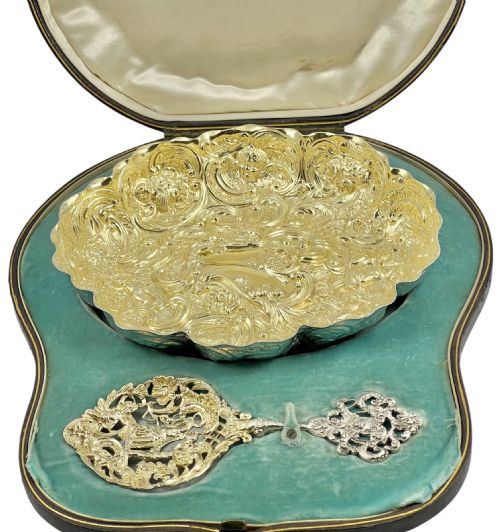
The exterior shells are typically formed from leather, leatherette, or wood, while the internal recesses are lined with velvet, silk, or satin to cushion the metalwork.
The objects held inside utilise sterling silver, sometimes highlighted with silver gilt, alongside supporting materials such as mother-of-pearl, tortoiseshell, and glass.
What separates examples
Quality rests upon the preservation of the fitted interior and the precision with which the lining accommodates the specific silver object.
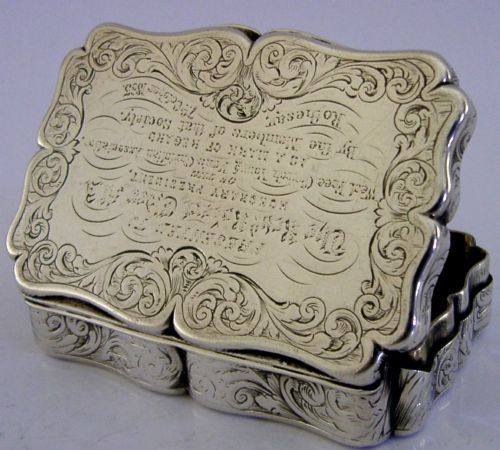
The execution of the silver itself, whether in the depth of chasing on a bowl or the crispness of a engraved dedication, distinguishes standard production from exceptional commissions.
Cartier·Alfred Clark·William Devenport·John Round·Robert Stebbings
The Antique Silver Presentation Case Glossary
- Sterling silver
- A silver alloy containing 92.5 percent pure silver by mass and 7.5 percent other metals, usually copper. This standard alloy provides the durability required for frequently handled presentation pieces.
- Silver gilt
- Silver that has been coated with a thin layer of gold on its surface. This technique adds warmth and protects the underlying silver from tarnishing in enclosed cases.
- Presentation inscription
- Text engraved onto the silver object or an internal plaque recording a date, recipient, and occasion. These inscriptions document the original historical context of the gift.
- Fitted interior
- A custom-shaped recess inside a box, lined with fabric to hold a specific piece of silverware securely in place. This design prevents movement and damage during transport.
Antique Silver Presentation Case: Frequently Asked Questions
What were presentation cases used for?
These boxes served to protect and elevate formal gifts given for retirements, weddings, sporting achievements, and christenings. The fitted interior displayed the silver items securely during the presentation ceremony.
They also functioned for safe storage and transport, keeping delicate items like travelling clocks, card cases, and cutlery sets free from dust and tarnish when not in use.
How do I date an antique presentation case?
Dating relies primarily on the hallmarks stamped onto the silver items housed within the case, which indicate the assay office and year of manufacture. Stylistic clues in the box exterior and fabric lining also help confirm the period.
Dedication inscriptions on the silver or plaques inside the lid often provide an exact year for the presentation event, aligning closely with the hallmarked date.
How do I care for silver in a lined box?
Keep the silver inside its fitted case in a stable environment away from direct sunlight and high humidity, which can accelerate tarnishing and degrade vintage fabric linings. Avoid placing the case near heating vents.
Clean the silver sparingly using appropriate polish only when necessary, taking care to prevent cleaning agents from staining the delicate velvet, silk, or satin interior.
Are all cases made of leather?
While leather and leatherette are common exterior coverings for these items, the underlying structure of the box is usually sturdy wood or thick card formed to protect the contents. Some specialty pieces feature alternative exterior treatments.
The interior materials also vary, utilising velvet, silk, satin, or paper linings tailored to the luxury level of the original commission.