

Antique Silver Piece
An antique silver piece represents a tangible link to centuries of craftsmanship, offering functional beauty and historical character to a room.
Antique Silver Piece
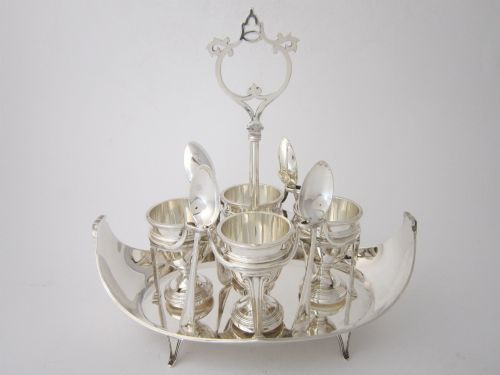
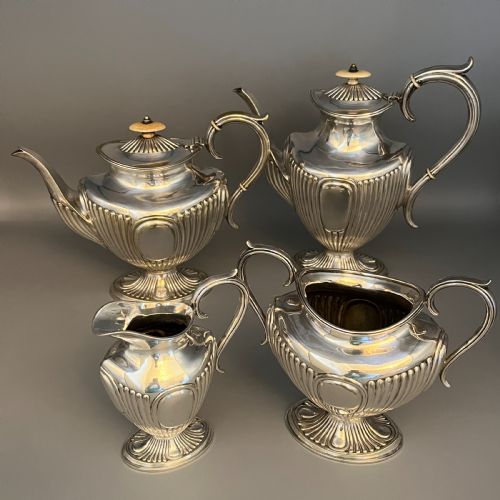
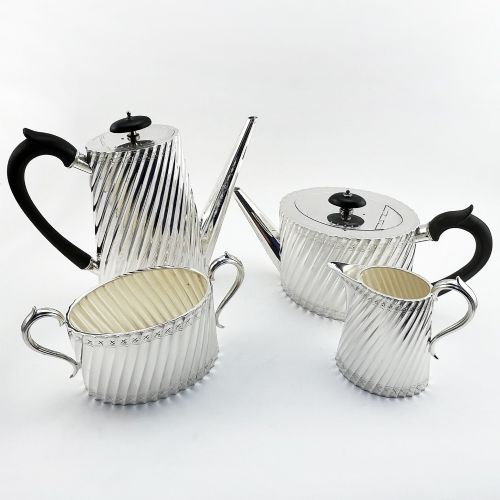
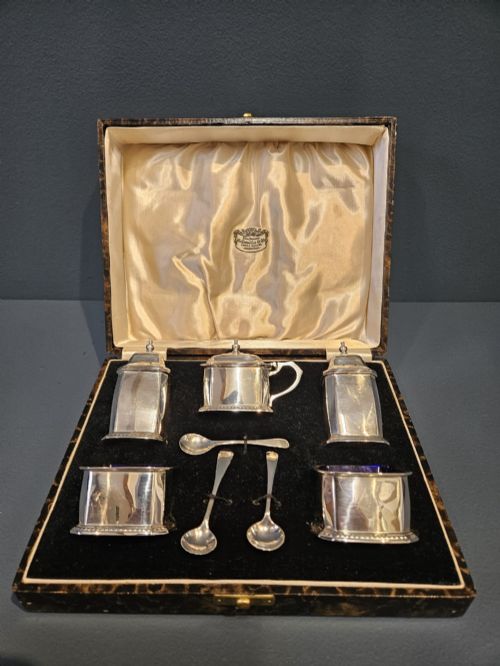
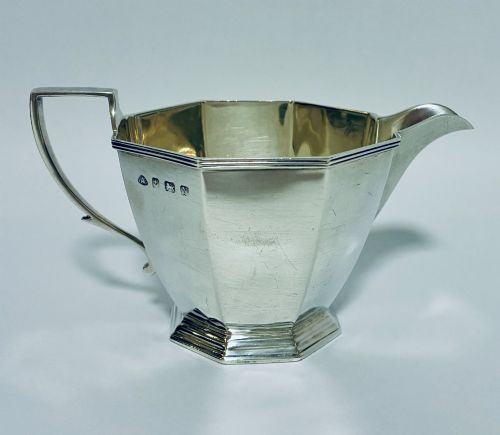
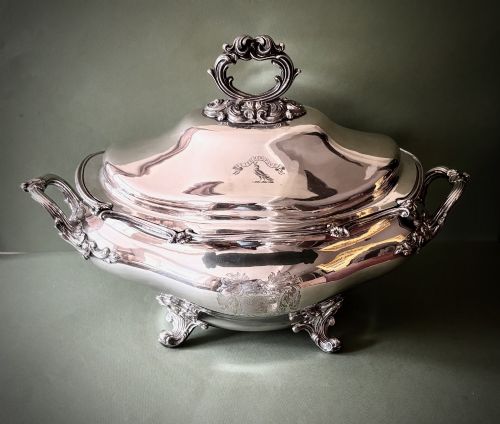
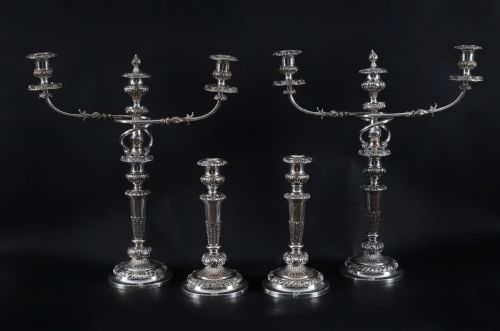
An antique silver piece encompasses a wide variety of domestic items, ranging from tea services and cruet sets to individual spoons, jugs, and desk accessories. These objects span multiple periods, with Victorian, Edwardian, and Georgian eras heavily represented alongside later twentieth-century iterations.
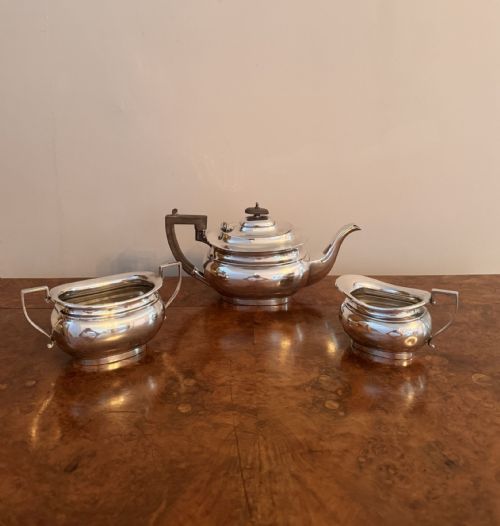
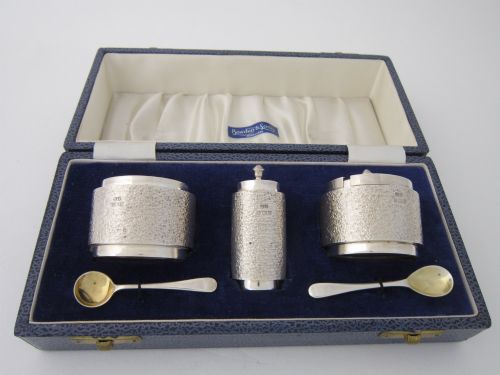
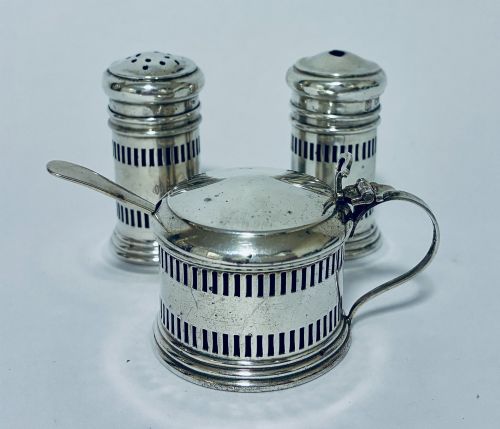
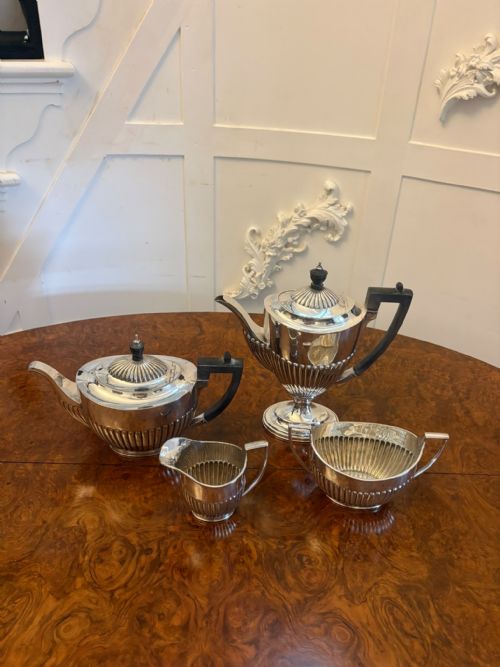
The most common forms encountered on this page include matching tea and coffee sets, condiment containers, and tableware made from sterling silver or silver plate. Buyers often seek out these functional vessels to bring period elegance into daily dining and entertaining.
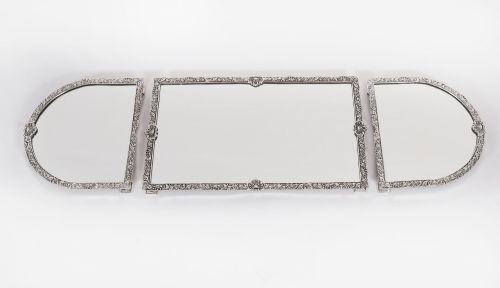
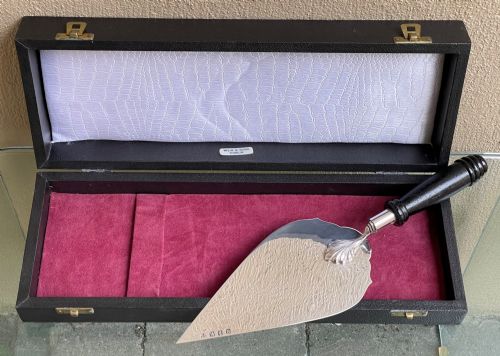
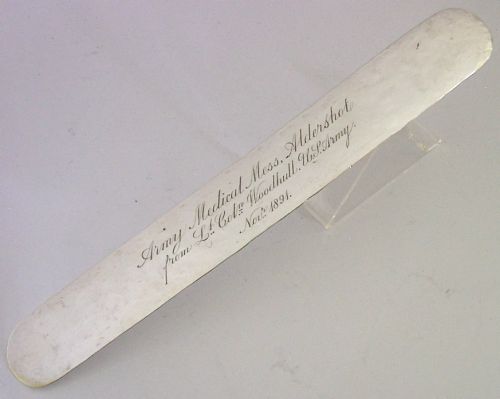
Beyond tableware, the selection includes desk ornaments, pocket watches, flatware sets, and decorative presentation items. Each object carries the distinct stylistic markers of its time of manufacture, from ornate Victorian detailing to sleek Art Deco lines.
How they were made
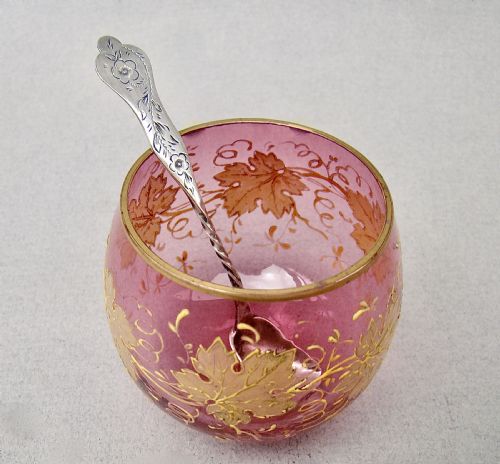
Makers utilised sterling silver and silver plate, frequently combining the metal base with secondary materials such as glass, wood, ebony, velvet, and ebonised wood. These mixed-media pieces required specialised joinery to secure glass liners or wooden handles safely to metal frames.
Manufacturing techniques relied heavily on silversmithing traditions including casting, hammering, and embossing, alongside silver plating methods like Old Sheffield Plate. Artisans formed hollowware from sheet metal and cast decorative mounts separately before soldering the elements together.
Antique Silver Piece Retail Price Guide 2026
Typical asking prices for silver piece among the pieces listed under this phrase on Sellingantiques today, from the lower quarter to the upper quarter. They describe what is for sale here now, not the wider market.
What varies in quality
The distinction between standard items and exceptional examples lies in the crispness of the chasing, the weight of the metal, and the harmony of the overall design. Master silversmiths achieved deeper relief in embossed work and cleaner lines in handles and spouts.
Makers' marks and hallmarks play a significant role in establishing the pedigree of an item, distinguishing high-workshop output from anonymous mass production. Preservation of original gilt interiors, matching components within sets, and minimal wear to silver plating also determine the desirability of a piece.
Joseph Rodgers & Sons·Paul Storr·Walker and Hall·Christofle·Tiffany and Co·Crisford and Norris·Marson and Jones
The Antique Silver Piece Glossary
- Sterling silver
- An alloy containing a high proportion of pure silver combined with other metals to ensure durability. This standard material forms the foundation of most high-grade antique tableware.
- Silver plate
- A manufacturing method where a thin layer of silver is fused or electroplated onto a base metal such as copper or brass. This technique allowed makers to produce large vessels affordably.
- Cruet set
- A matched collection of small containers designed to hold condiments like salt, pepper, mustard, and vinegar at the dining table. They frequently sit within a dedicated metal frame or stand.
- Old Sheffield Plate
- An early method of fusing a sheet of silver to a thicker copper core before rolling them into sheets. This precursor to electroplating yields a distinct warm tone as the underlying copper occasionally shows through.
- Hollowware
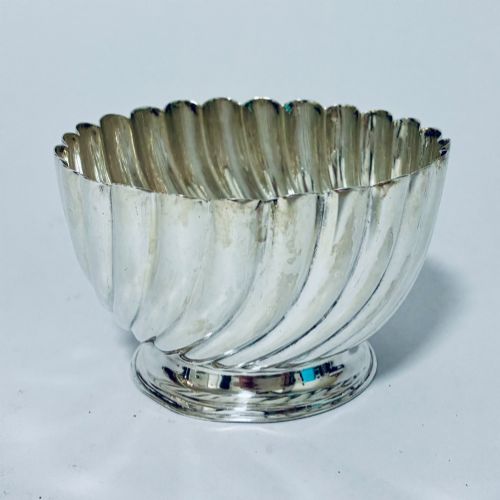
- Tableware items such as teapots, jugs, bowls, and sugar basins that possess internal volume. These pieces were traditionally raised from flat metal sheets or cast in sections.
Antique Silver Piece: Frequently Asked Questions
How do I clean silver?
Clean silver gently using a specialist soft cloth and a mild, non-abrasive silver polish formulated specifically for antiques. Avoid harsh scrubbing that can wear down thin silver plating or obliterate delicate hand-engraved details.
Store pieces in dry environments away from direct sunlight and rubber materials, which can accelerate tarnishing. Regular, gentle maintenance preserves the natural lustre and historical patina of the metal.
What is the difference between sterling and plate?
Sterling silver consists of a solid, regulated alloy of silver throughout the entire object, whereas silver plate applies a thin exterior coating of silver over a base metal. Hallmarks usually stamped directly onto the piece help confirm the solid metal standard.
Silver plate offers the visual appeal of precious metal at a more accessible weight and cost. Over decades of use, plated items may show base metal through areas of heavy friction.
How can I date my silver piece?
Dating silver relies heavily on official hallmarks stamped by assay offices, which include maker marks, standard marks, and date letters that correspond to specific years. Stylistic clues such as handle shapes, decorative motifs, and manufacturing techniques also narrow down the period.
Comparing the object to documented pieces from known makers provides further verification. Reference books dedicated to silversmiths and hallmarking codes remain essential tools for accurate identification.
Are these sets complete?
Completeness varies depending on the specific item type, with many tea services, cruet sets, and flatware collections retaining their matching components. Replacement pieces occasionally find their way into older sets over generations of use.
Examining the individual hallmarks and stylistic consistency across all components helps determine if a service remains entirely original. Partial sets still function effectively for display and everyday use.