



Antique Silver Picks
Antique silver picks bring specialised utility to the table, offering refined service for seafood and cocktails alike.
Antique Silver Picks
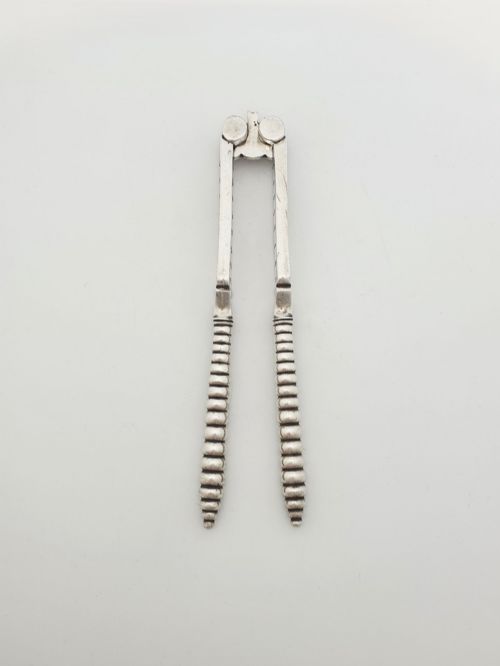
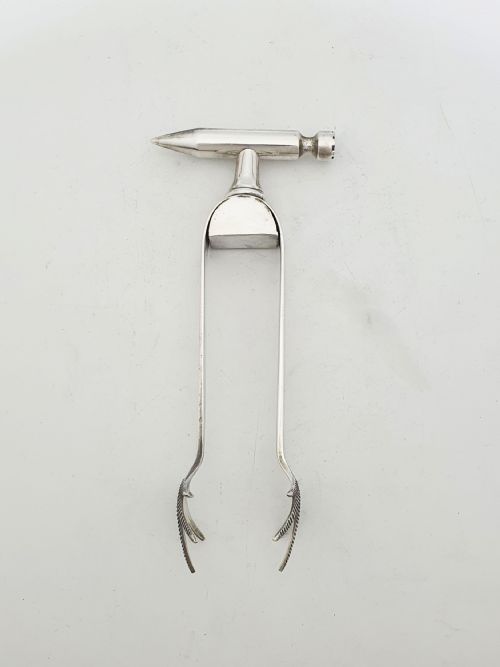
When you search for antique silver picks, you encounter specialised implements designed for specific culinary tasks, most notably seafood consumption and cocktail service. The pieces appearing here range from Victorian nut and seafood tools to Art Deco cocktail sticks and mid-century lobster picks.
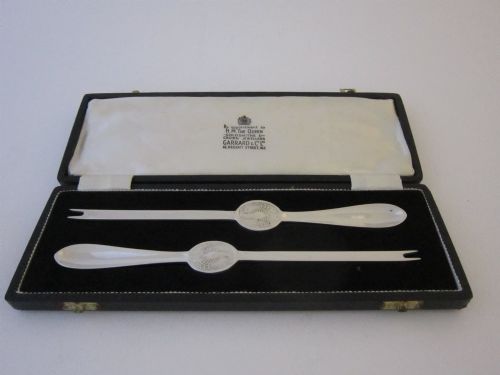
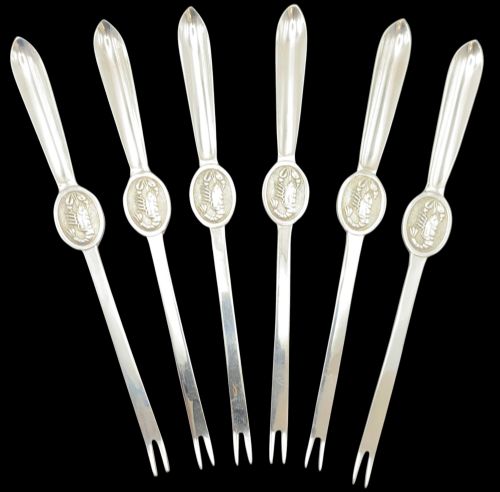
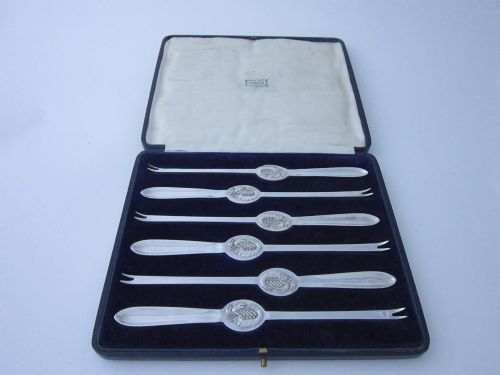
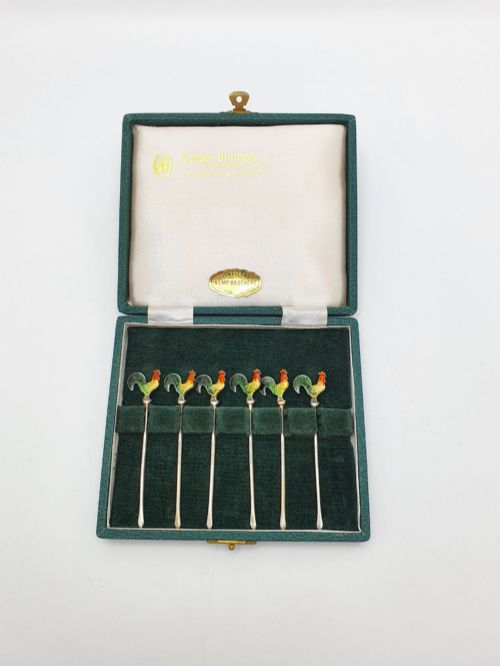
The selection is dominated by seafood instruments, such as sterling silver and silver plated lobster picks often housed in fitted presentation boxes. Alongside these, cocktail sticks from the 1920s and 1930s frequently appear, often featuring enamel work or novelty figures.
Origins span British and French workshops, with traditional British makers sitting alongside continental Art Deco designers. Buyers are most likely to meet cased sets of six or twelve, reflecting formal dining habits of the late nineteenth and early twentieth centuries.
How antique silver picks were made
Manufacturing relies primarily on sterling silver and silver plate, shaped into slender shafts with pointed or hooked ends suitable for extracting shellfish or spearing garnishes. Many examples incorporate supplementary materials like coloured enamel, Bakelite, wood, or glass holders to add visual contrast.
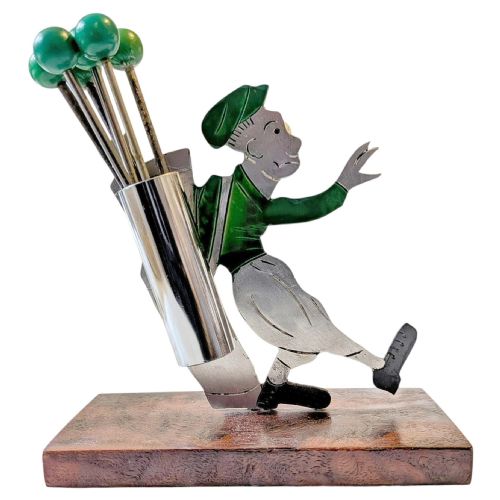
Art Deco pieces frequently utilise cast novelty figures, such as golfers or cherry motifs, soldered or fitted to metal sticks. Stamped hallmarks on sterling silver items provide clear records of assay office locations and production dates across the Victorian, Edwardian, and George V periods.
Some cocktail picks feature comical French golfers and cherry men to supervise your evening drinks.
What varies in quality
Quality differences emerge in the crispness of the casting on novelty handles and the retention of applied enamel. Pieces featuring hand-painted details or intricate figural work demonstrate superior craftsmanship compared to mass-produced plated alternatives.
The presence of original fitted presentation cases lined in velvet or silk elevates a set's standing. Maker attribution, through clear stamps from established silversmiths, distinguishes standard utilitarian tableware from collected examples.
Garrard·Sudre·Suckling Ltd·Harrods·Walker and Hall·Thomas Bradbury
The Antique Silver Picks Glossary
- Sterling silver
- A silver alloy containing 92.5 percent pure silver by mass, standard in British quality tableware. Items bear hallmark stamps indicating the assay office and date.
- Silver plate
- A base metal substrate coated with a thin layer of pure silver, common in matched seafood sets. This technique offered an accessible alternative to solid silver.
- Hallmark
- An official stamp applied to precious metals indicating purity, maker, and year of assay. These marks allow precise dating of British pieces.
- Enamel
- Vitrified glass fused to metal surfaces through high-temperature firing, utilised for colour on cocktail sticks. It provides vibrant decoration on small-scale items.
- Bakelite
- An early synthetic plastic utilised for handles and holders in mid-century barware and cocktail sets. Its durability suited the clean lines of the Art Deco period.
Antique Silver Picks: Frequently Asked Questions
What are antique silver picks used for?
These implements were originally manufactured for extracting meat from crustaceans like lobsters and crabs during formal dining. They also served modern cocktail hours for spearing olives, cherries, and garnishes.
Many examples survive within fitted boxes intended for gifting or formal entertaining. Their dual utility spans seafood courses and home barware.
How do I date antique silver picks?
Sterling silver examples feature hallmarks that indicate the assay office, standard of silver, and year of manufacture. Examining these stamped letters and symbols allows precise chronological placement.
Pieces without hallmarks rely on stylistic evidence, such as Art Deco geometric motifs or Victorian presentation cases. Materials like Bakelite or specific enamel colours further narrow the production era.
Are silver plated picks durable?
Silver plated items feature a bonded layer over a base metal, offering strength for regular use in dining and bar settings. Proper care preserves the plated surface over decades of handling.
While solid sterling silver represents a higher grade of manufacture, silver plate allows access to decorative sets produced by prominent department stores and silversmiths.
How should I store cased sets?
Cased sets benefit from storage in stable environments away from direct sunlight and excessive humidity to protect original velvet or silk linings. Keeping the pieces within their designated slots prevents scratching.
Handling items by the handle rather than the delicate shaft preserves the structural integrity of older joints and enamel details.