


Antique Silver Novelty Figures
These antique silver novelty figures are delightful sculptural conversation pieces designed to bring whimsy to a desk or table, and you are most likely to meet charming pin cushions and small animal models here.
Antique Silver Novelty Figures
When you search for antique silver novelty figures, you are looking at small, characterful sculptural items that serve a practical function or adorn a surface. The pieces on this page span several periods, reaching from the Georgian era through Victorian and Edwardian times into the twentieth century. You will frequently encounter miniature animal models, functional pin cushions, and whimsical desk accessories.
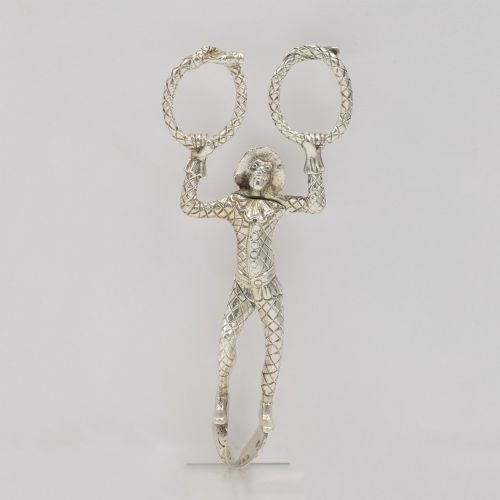
The assortment on this page includes charming creatures such as kangaroos, tortoises, lions, owls, bears, and birds rendered in silver. Alongside these animal forms sit figures like policemen and harlequin monkeys, as well as functional items shaped as condiments and inkwells. These pieces combine playful forms with the craftsmanship of their respective eras.
How they were made
Makers shaped these novelty pieces using sterling silver or silver plate, often combining the metal with fabric, velvet, or felt components particularly in pin cushions. Artisans utilised casting, chasing, and repoussé techniques to render fine details on feathers, fur, and clothing. Glass and metal also appear in specific desk accessories and containers.
The construction balances sculptural form with utility, ensuring that inkstands, toothpick holders, and salt shakers remain stable and functional. Workshops in London and continental centres like Hanau applied traditional silversmithing methods to achieve these complex dimensional shapes.
Object forms range widely from functional inkstands and candlesticks to whimsical animal models, menu holders, and pin cushions.
What varies in quality
The standard of an antique silver novelty figure rests on the crispness of its chasing and the realism of its modelling. Superior examples display fine textural details in the fur, feathers, or facial expressions rather than smooth, generalised surfaces. The weight and solidity of the metal also distinguish substantial desk pieces from lighter items.
Makers' marks and clear hallmarks contribute to the standing of a piece, indicating origin and period authenticity. The integration of secondary materials, such as well-fitted internal glass or original textiles, influences the overall integrity of the object.
Dee and Fargus·Boaz Moses·Thomas Johnson
The Antique Silver Novelty Figures Glossary
- Hallmark
- Official marks stamped on precious metals to guarantee the purity and origin of the piece. These stamps often include maker marks, town marks, and date letters.
- Chasing
- A metalsmithing technique where the artisan punches and hammers the front of the metal to create raised surface decoration and texture. This method brings fine detail to hair, feathers, and clothing on figures.
- Repoussé
- A method of shaping metal by hammering from the reverse side to form a raised design in relief. It works in tandem with chasing to build three-dimensional forms.
- Pin Cushion
- A small domestic accessory designed to hold sewing pins safely and accessibly. In novelty silver, these often take the form of animals fitted with velvet or felt pads.
Antique Silver Novelty Figures: Frequently Asked Questions
What were antique silver novelty figures used for?
Many of these pieces served practical daily functions on desks, dressing tables, or dining rooms while providing amusement. Items such as inkstands, pin cushions, menu holders, and condiment shakers disguised utility beneath whimsical animal or human forms.
Other pieces functioned primarily as table ornaments or decorative desk accessories. They added a touch of personality and conversation to formal Victorian and Edwardian interiors.
How do I care for antique silver figures?
Careful dusting with a soft, lint-free cloth preserves the surface without wearing down fine chasing and delicate details. Avoid harsh chemical dips, which can strip away the natural patination that accumulates over decades.
Keep pieces away from damp environments to protect any internal padding like velvet, felt, or fabric. Proper placement out of direct sunlight prevents textiles from fading and preserves the overall condition.
How can I tell Victorian from Edwardian figures?
Victorian silver pieces often display heavier, more ornate detailing with a distinct stylistic seriousness even within novelty forms. Makers during this reign frequently utilised deep chasing and robust construction.
Edwardian items tend toward slightly lighter forms and sometimes capture a whimsical or naturalistic energy that reflects changing social tastes. Hallmarks and date letters stamped on the silver provide the definitive guide to the exact period of manufacture.
Are these silver figures solid or plated?
The materials vary between solid sterling silver and silver plate depending on the specific piece and its origin. Listings clearly specify whether an item is constructed from solid silver or plated metal.
Solid silver pieces carry hallmarks indicating the metal purity and assay office. Silver-plated items rely on a base metal core coated with a layer of silver.