


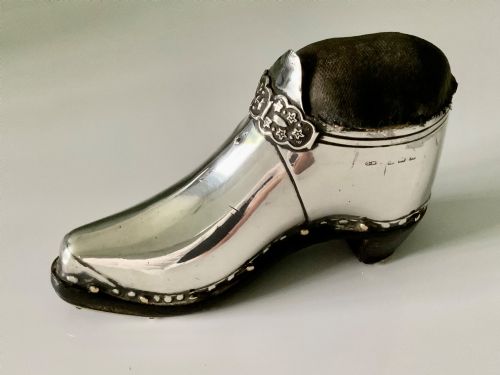


Antique Silver Novelty Cushion
An antique silver novelty cushion is a miniature figural piece designed to hold sewing pins, combining practical needlework tools with whimsical silver design.
Antique Silver Novelty Cushion
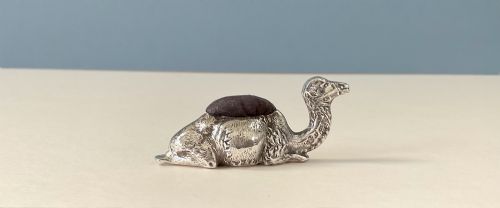
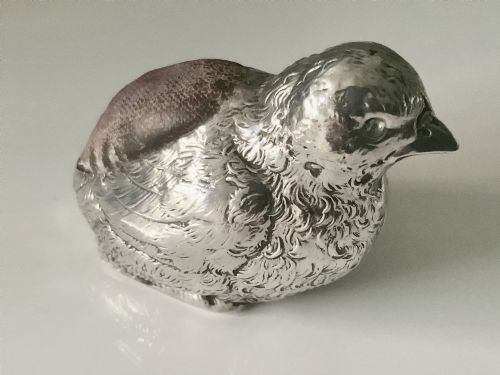
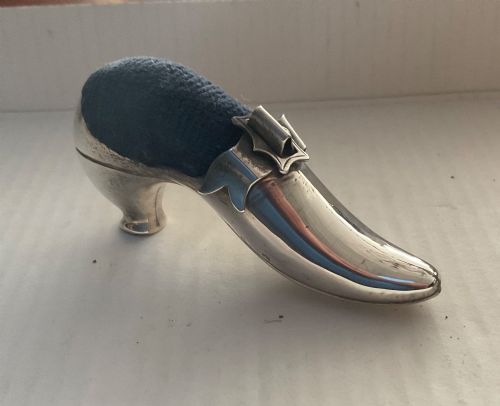
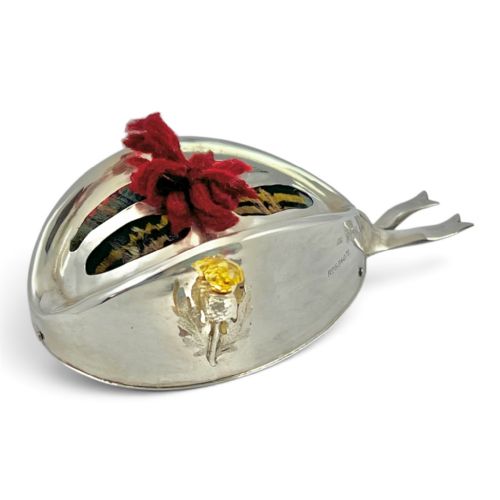
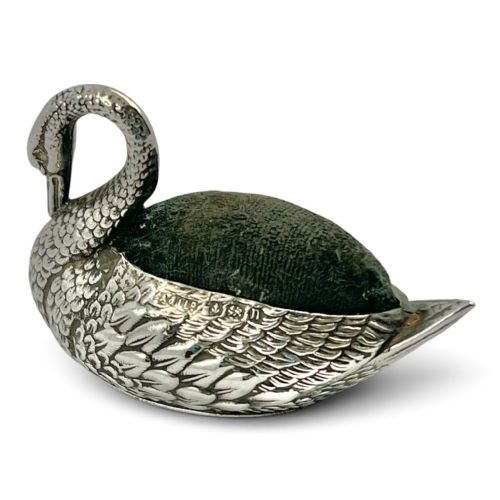
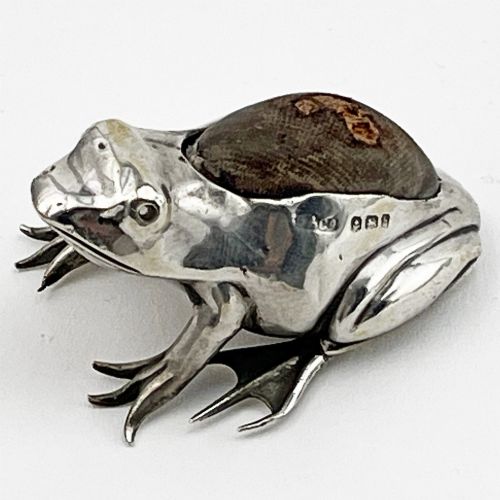
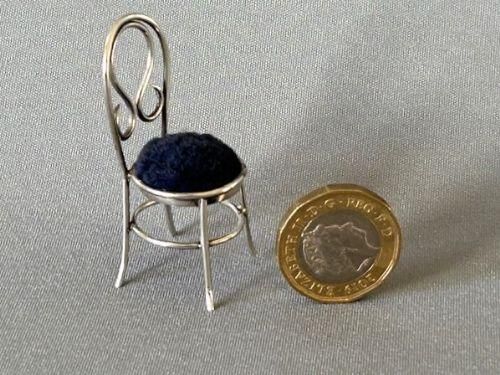
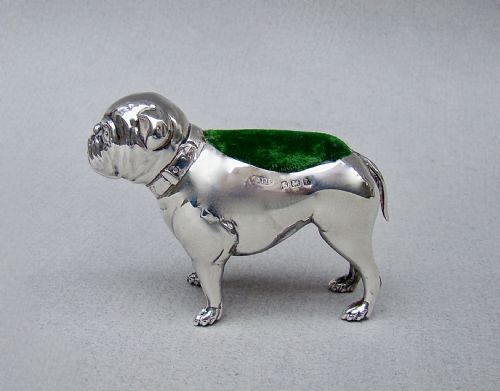
An antique silver novelty cushion takes the form of animals, footwear, vehicles, and everyday objects rendered in miniature. These desk accessories served as functional sewing tools on dressing tables and writing desks during the late nineteenth and early twentieth centuries.
The pieces on this page appear predominantly from the Edwardian and Victorian periods, alongside occasional George V and Regency examples. Animals ranging from pigs and chicks to camels and frogs form the most common subjects, accompanied by boots, canoes, and household items.
Makers shaped sterling silver into detailed figural shells fitted with velvet, fabric, wool, or felt pads. These textiles held pins while the metal body provided a decorative and durable housing.
How They Were Made
Silversmiths utilised stamping, casting, and chasing techniques to form the detailed bodies of birds, animals, and objects from sterling silver and solid silver sheets. These metal components were then hallmarked at regional assay offices such as Birmingham and Chester.
Internal frames were packed and fitted with velvet, silk fabric, felt, or wool to receive sewing pins without damaging the points. Certain designs incorporated mother of pearl or glass elements alongside the primary metal and textile construction.
Listings feature sterling silver combined with velvet, wool, felt, and mother of pearl across Victorian, Edwardian, and George V periods.
What Varies in Quality
The original integrity of the fitted textile cushion and the clarity of the silver hallmarks contribute significantly to desirability. Pieces retaining their matching velvet or felt inserts alongside legible assay stamps demonstrate better preservation.
Adie & Lovekin·Sampson Mordan & Co.
The Antique Silver Novelty Cushion Glossary
- Sterling silver
- A silver alloy containing 92.5 percent pure silver and 7.5 percent other metals, usually copper, used for the bodies of these pieces. This standard alloy provided the durability required for intricate miniature silver smithing.
- Assay office
- An official body that tested and marked precious metals to guarantee their purity. Marks stamped by these offices identify the town of testing and the year of manufacture.
- Novelty silver
- Silver articles shaped into humorous, pictorial, or unusual forms rather than standard domestic shapes. These decorative items became immensely popular for desk and dressing table use during the Victorian and Edwardian eras.
- Pin cushion
- A small stuffed pad used for holding pins safely during sewing and needlework tasks. In these antiques, the pad is housed entirely within a silver figural or sculptural case.
Antique Silver Novelty Cushion: Frequently Asked Questions
What were silver pin cushions used for?
These miniature items sat on dressing tables, sewing desks, and writing surfaces to hold pins close at hand during needlework and tailoring tasks. Wealthy households valued them as decorative ornaments that brought whimsy to everyday sewing.
The textile insert protected needle points while the silver exterior offered a stable, weighted base. They functioned as both practical sewing tools and decorative conversation pieces.
How do I identify an Edwardian pin cushion?
Edwardian examples typically date between 1901 and 1910, often displaying hallmarks from Birmingham or Chester assay offices. Their subjects frequently include realistic animals, miniature vehicles, and household novelties.
Examining the date letter in the silver hallmarks provides the exact year of manufacture. The style of figural modelling also tends to be lighter and more naturalistic than earlier Victorian pieces.
Are the cushion pads made of fabric?
The inserts consist of textile materials such as velvet, silk fabric, wool, or felt packed tightly into the silver frame. These fabrics gripped pin shafts securely without dulling the metal points.
Over decades of use, original textiles often show wear or replacement. Surviving period fabrics add to the authenticity of the piece.
Why are some animal cushions rare?
Certain creatures, such as camels, frogs, and specific bird species, were produced in smaller quantities by silversmiths than standard pigs or elephants. The complexity of casting unusual shapes limited their production numbers.
Makers like Sampson Mordan & Co. produced specialised figural designs that involved intricate metalwork. These scarce models attract greater attention from collectors today.