


Antique Silver Mounted Tableware
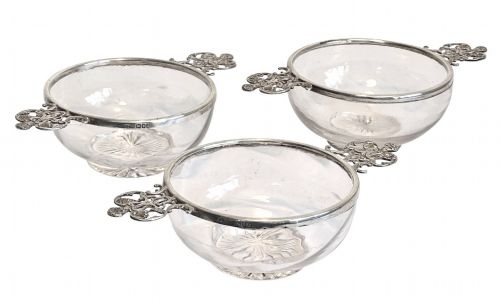
Antique silver mounted tableware brings together glass, ceramics and oak with sterling silver or silver plate for the dining table.
Antique Silver Mounted Tableware
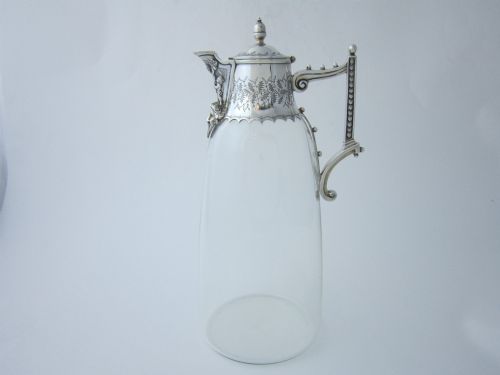
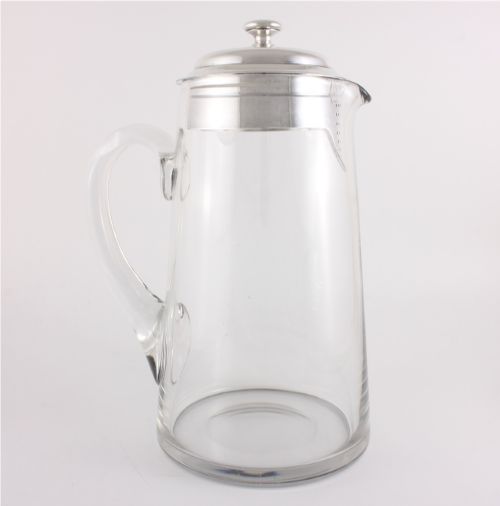
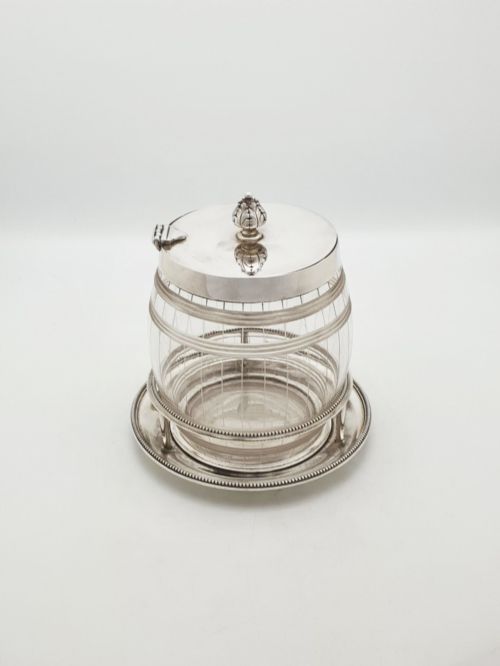
Antique silver mounted tableware comprises functional dining accessories combining a body of glass, stoneware or oak with structural or decorative metal mounts. When you search for antique silver mounted tableware, you encounter pieces designed for serving wine, condiments, biscuits and salads during Victorian, Edwardian and Georgian periods.
How these pieces were made
Makers combined glassblowing, ceramic throwing and wood turning to form the vessels, then secured metal mounts around rims, bases and handles. Silversmiths cast, chased and stamped sterling silver or applied silver plate onto base metals to create secure collars and hinges.
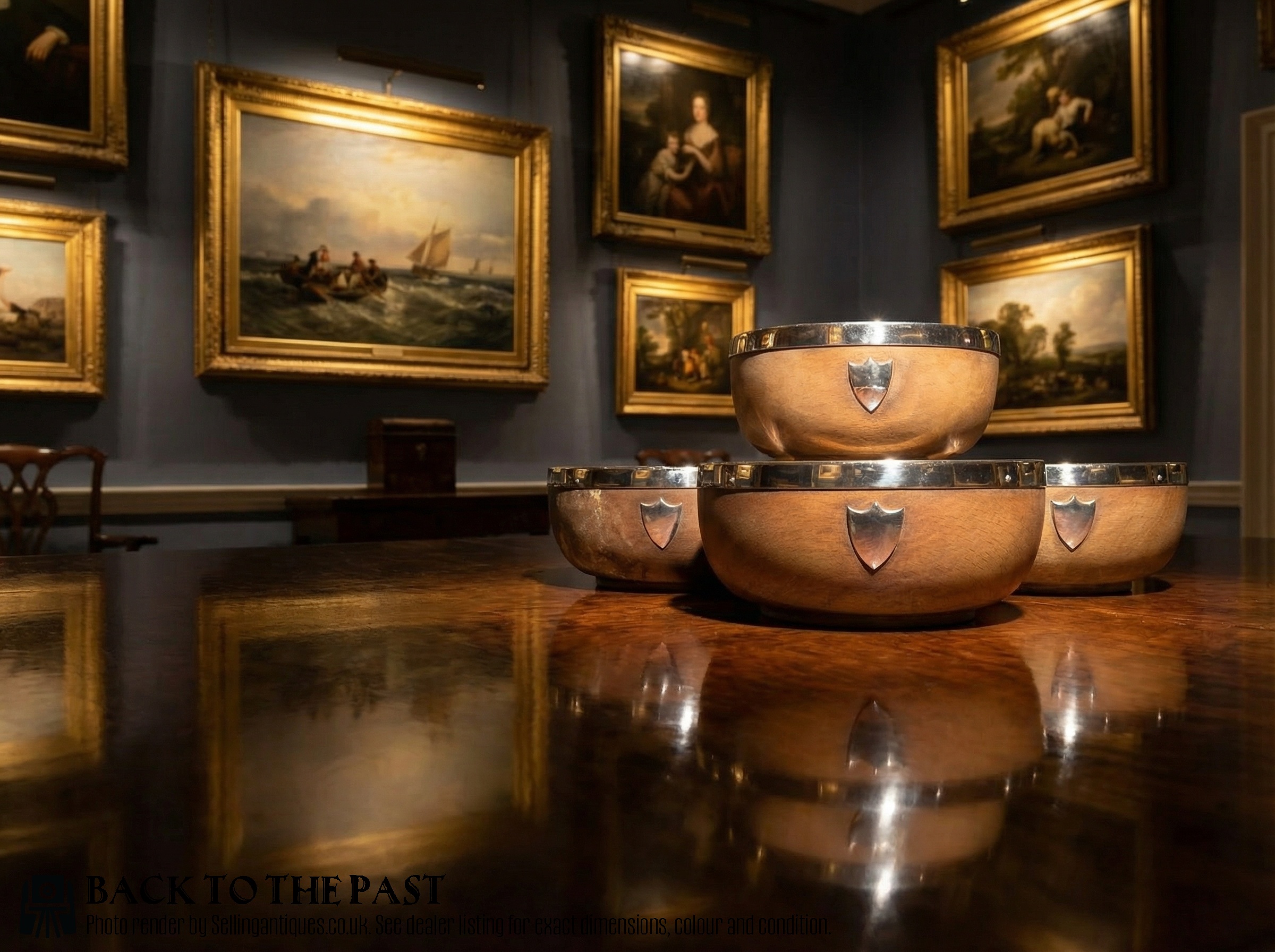
Cut glass vessels required precise wheel-cutting to achieve faceted patterns beneath the silver rims. Oak components were turned on lathes and polished before fitted silver-plated or sterling mounts were attached with screws or pins.
Pepper grinders let Victorians mechanically grind their seasoning at table, ending the era of pre-ground dust.
What varies in quality
Quality rests on the thickness of the silver mounts, the clarity of the glass or density of the stoneware, and the precision of the fit between metal and vessel. Thicker gauge silver maintains its shape better around collars and hinged lids than thin, easily dented plating.
Artisanal input defines the higher end, seen in hand-cut glass facets, hallmarked sterling silver rather than plate, and detailed ceramic work by named makers. The integration of materials reveals the standard of manufacture, where snug joints and balanced weight indicate careful workshop production.
Harrods Ltd·Elkington·William Comyns·Doulton Lambeth·Frank Butler
The Antique Silver Mounted Tableware Glossary
- Sterling silver
- A silver alloy containing 92.5 percent pure silver and 7.5 percent other metals, usually copper, used for high-end mounts and vessels.
- Silver plate
- A layer of silver fused or electroplated onto a base metal such as copper, nickel or brass, providing the appearance of solid silver at a lower cost.
- Cut glass
- Glass decorated by hand on a wheel to create deep geometric or floral facets that catch the light through liquid contents.
- Mount
- A metal collar, handle, rim or base fitted to a non-metal body such as glass, ceramic or wood to strengthen and ornament the piece.
Antique Silver Mounted Tableware: Frequently Asked Questions
How do I clean silver mounts?
Use a soft cloth and a dedicated silver polish, taking care to avoid abrasive contact with the adjacent glass, ceramic or wood surfaces.
Keep polish away from the crevices of chased or engraved ornament by applying it sparingly with a cotton bud.
Can I use these for serving food?
Most glass and ceramic vessels with silver mounts remain entirely functional for serving condiments, biscuits, wine or salads at the modern table.
Check that any antique cement securing the glass to the metal mount has not dried out before filling with liquids.
What is the difference between sterling and plate?
Sterling silver contains a legally regulated high proportion of pure silver and usually bears official assay office hallmarks stamped into the metal.
Silver plate consists of a thin coating over a base metal, which may show base metal underneath where the coating has worn through over generations of use.
How do I identify the period?
Consult the hallmarks on the silver mounts, which often include date letters and maker's marks corresponding to specific assay office records.
Stylistic cues such as the heavy cutting of Victorian glass or the clean lines of Edwardian mounts also point toward a period of manufacture.