

Antique Silver Mount
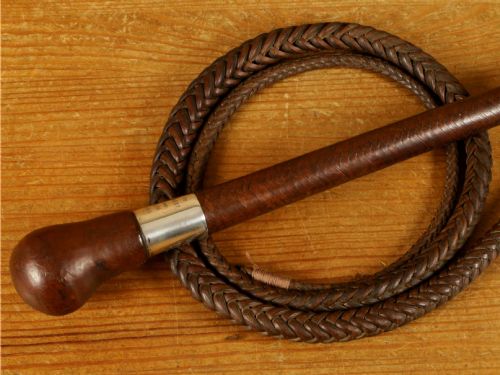
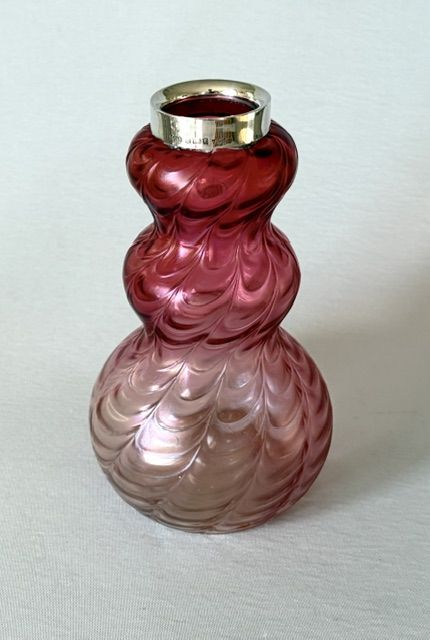
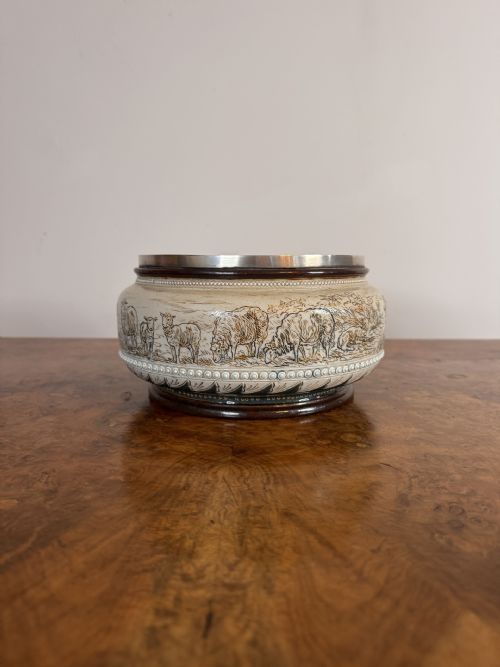
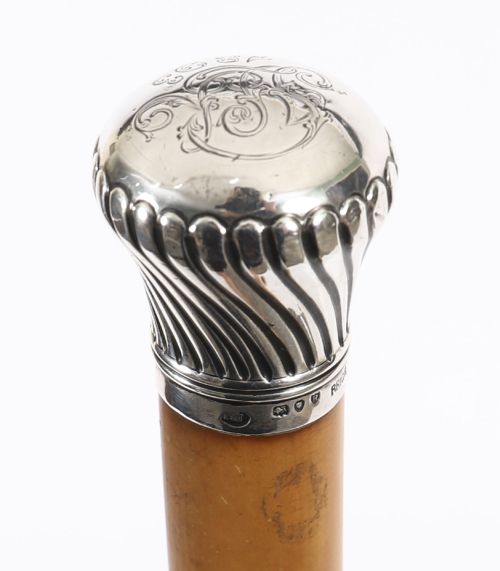
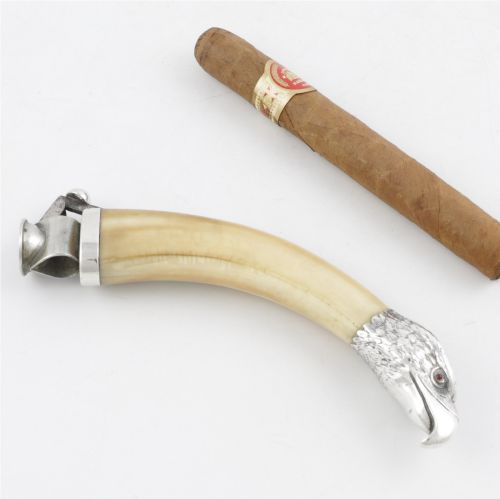
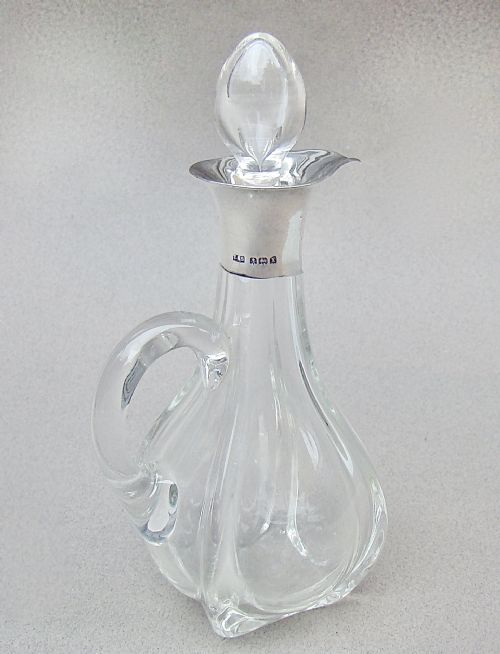
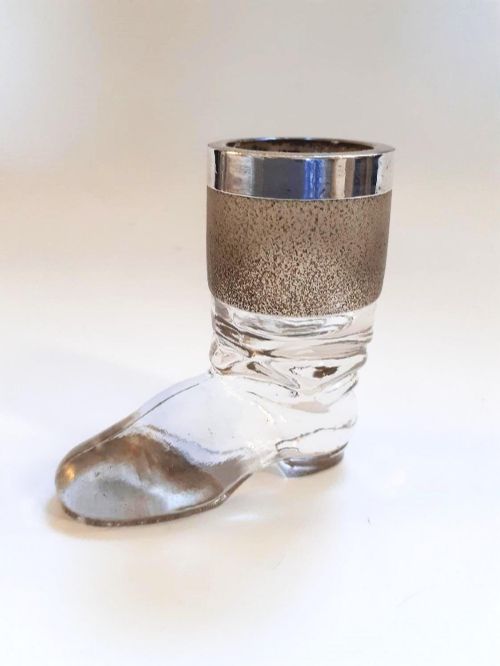
An antique silver mount transforms plain glass, ceramics, and wood into functional objects of display through skilled metalwork.
Antique Silver Mount
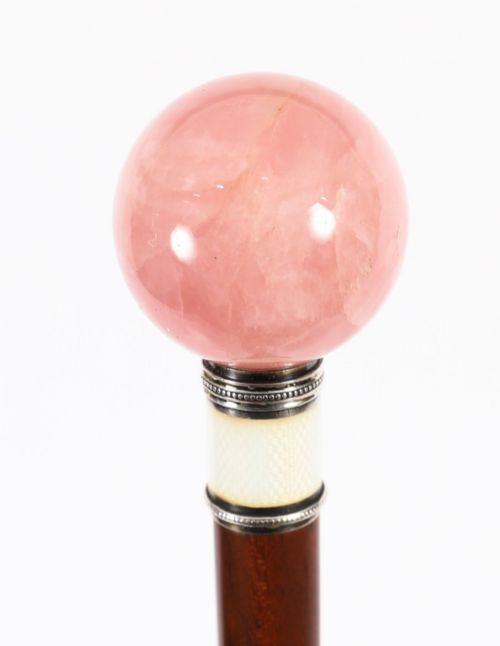
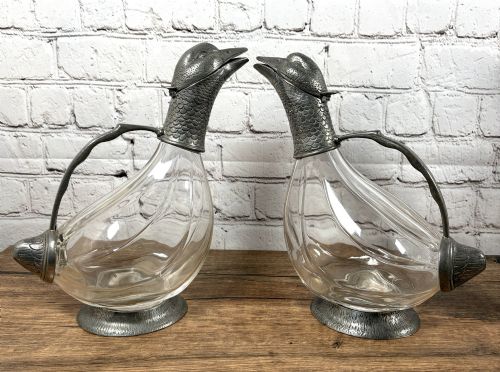
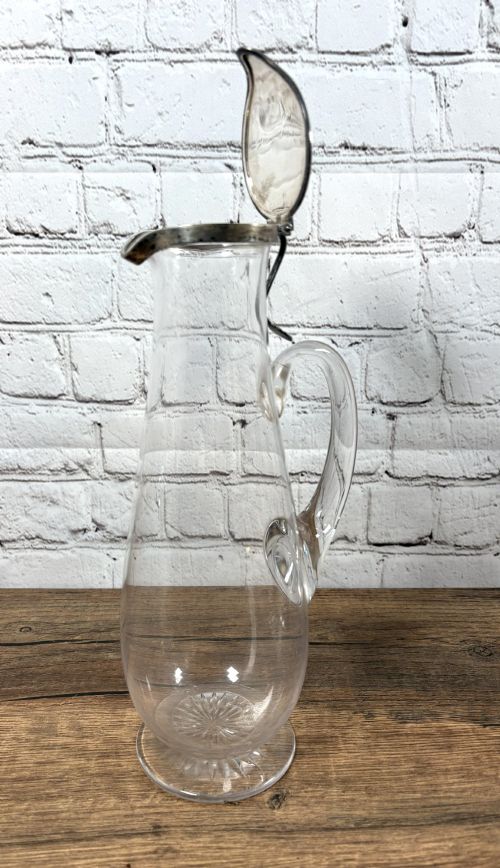
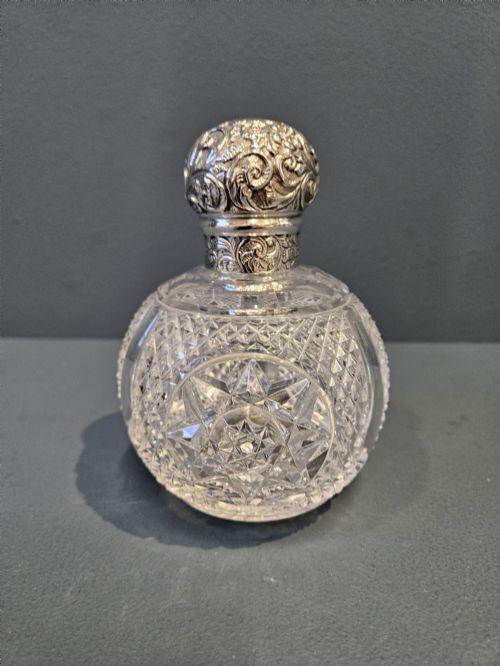
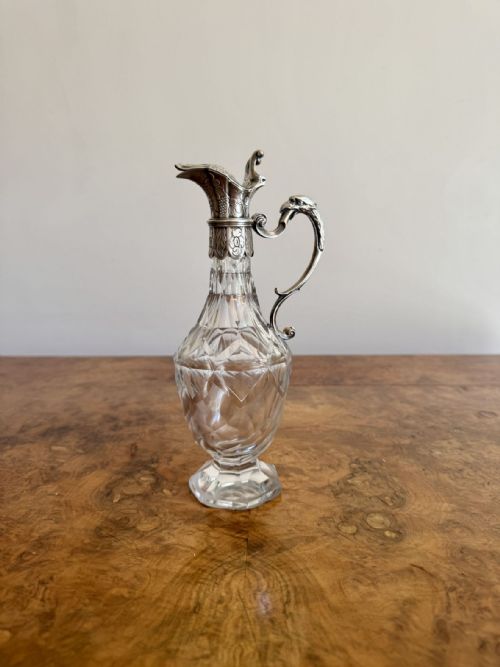
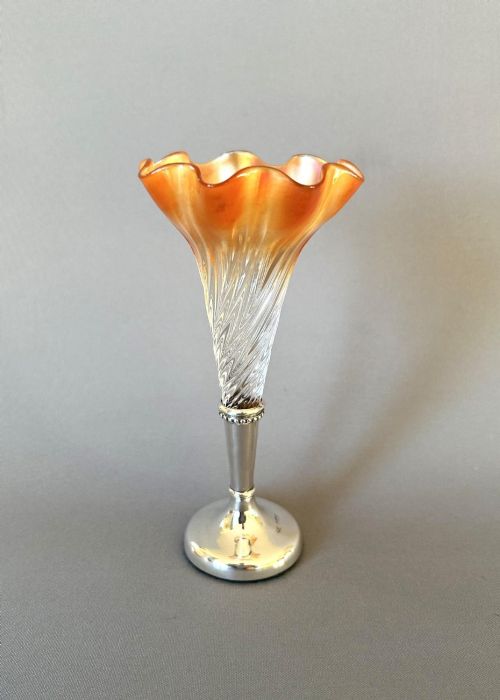
An antique silver mount appears across scent bottles, claret jugs, vanity jars, and walking sticks, uniting precious metal with varied primary materials. These items date primarily from the Victorian and Edwardian eras through to the early twentieth century.
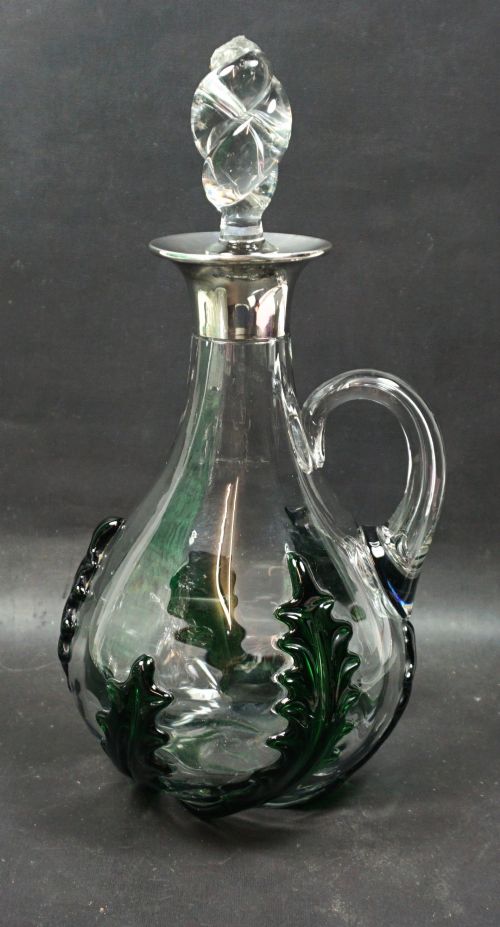
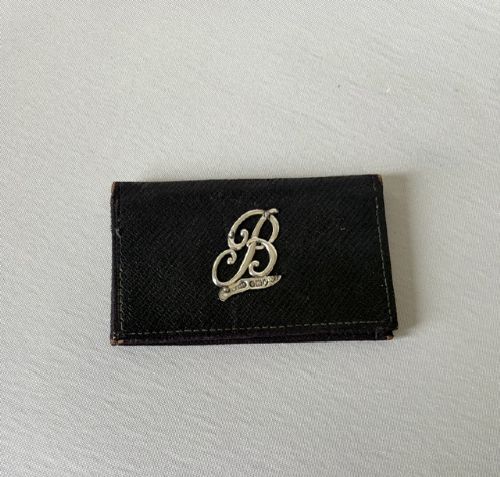
Scent bottles and decanters dominate the selection, often pairing sterling silver or silver plate with cut glass, crackle glass, or coloured glass bodies. Functional accessories like cribbage boards, cigar cases, and pipes also receive metal collars, hinges, and corner pieces.
The aesthetic vocabulary spans Arts and Crafts, Art Nouveau, and Art Deco design movements, reflecting the shifting tastes of the nineteenth and twentieth centuries.
Materials and construction
Craftsmen joined sterling silver, silver plate, and occasionally nine-carat gold directly to non-metal bodies such as cut glass, porcelain, tortoiseshell, leather, and oak. Mounts were shaped through casting, repoussé, and engraving, then secured around bottlenecks, lids, and edges.
Glass elements frequently feature wheel carving, enamel painting, or crackle effects before receiving their protective metal collars and hinged lids. Organic materials like horn, malacca, and animal hooves integrate with metal terminals and mounts using pinned or threaded joints.
Antique Silver Mount Retail Price Guide 2026
Typical asking prices for silver mount among the pieces listed under this phrase on Sellingantiques today, from the lower quarter to the upper quarter. They describe what is for sale here now, not the wider market.
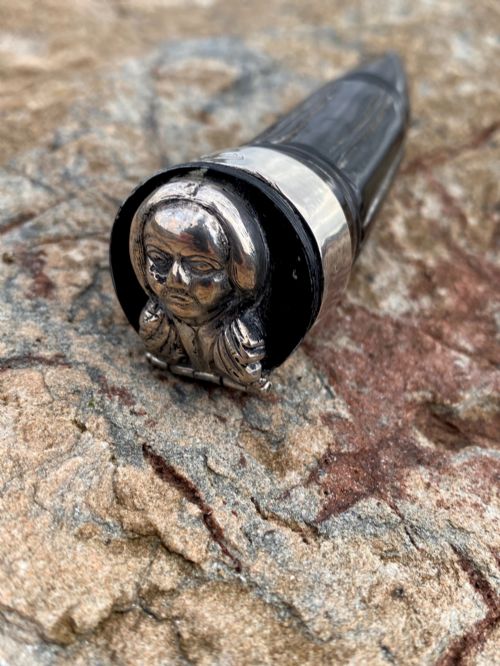
A Victorian horse hoof transformed into a heavy desk paperweight reveals the eccentric utility of nineteenth-century taxidermy mounting.
Evaluating the craftsmanship
Quality rests in the precision of the metal fit against the underlying glass, ceramic, or wood, alongside the crispness of any chased or engraved decoration. Substantial gauge silver and robust hinge mechanisms distinguish superior production from lighter, purely decorative plating.
The artistic integration of the mount with the body material dictates the standing of a piece, where coordinated design between glassmakers and silversmiths creates a unified object.
Carl Heiss Vienna·Georg Adam Scheid·William Comyns·Harrods Ltd·Asprey and Co Ltd·Ollivant and Botsford
The Antique Silver Mount Glossary
- Sterling silver
- An alloy containing 92.5 percent silver by weight, used extensively for durable mounts and lids.
- Silver plate
- A base metal foundation coated with a thin layer of silver, common on larger items like claret jugs and biscuit barrels.
- Repoussé
- A metalworking technique where the smith hammers the design from the reverse side to create relief decoration on the mount.
- Cut glass
- Glassware patterned with deep geometric incisions made by rotating wheels, frequently fitted with silver collars.
- Vinaigrette
- A small ornamental box featuring an internal pierced grille, designed to hold a sponge soaked in aromatic vinegar.
Antique Silver Mount: Frequently Asked Questions
How do I clean tarnished silver mounts safely?
Use a soft microfibre cloth with a mild silver polish designed to lift tarnish without abrasive rubbing.
Keep polishes away from porous companion materials like tortoiseshell, leather, glass, and fabric inserts to prevent staining.
Are hallmarks reliable for dating these items?
British hallmarks stamped into the metal provide exact assay office marks, date letters, and maker's initials.
Foreign pieces or silver-plated items rely on maker stamps, registration numbers, or stylistic indicators for approximate dating.
Why are some glass bottles fitted with silver?
Silver collars and hinged caps provided airtight seals for volatile liquids such as perfumes, colognes, and wines.
Metal mounts also reinforced vulnerable rims and added decorative weight to functional glassware and desk accessories.
Can I use antique scent bottles today?
Most antique bottles function adequately if the internal glass stopper remains intact and the cork seal is sound.
Check that the silver hinge moves freely before filling to avoid straining historical joints.