


Antique Silver Lamp Base
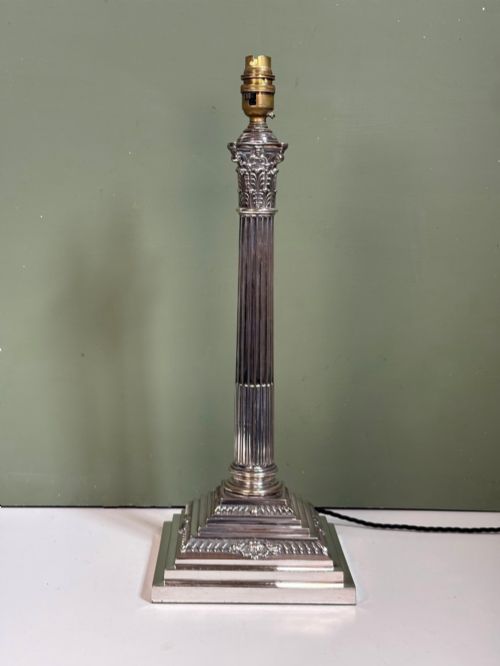
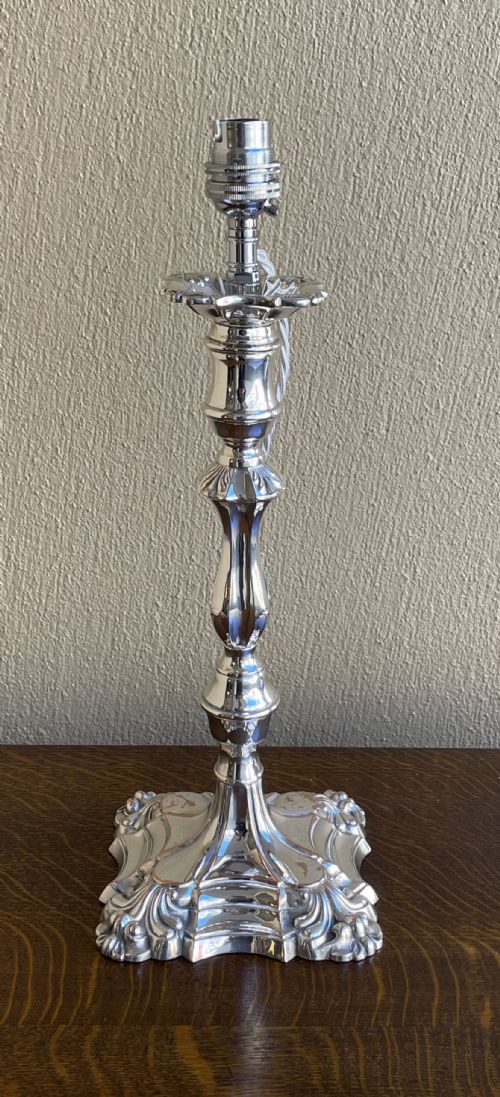
An antique silver lamp base brings period proportion and reflective metal into a room, most often taking the form of a classical column.
Antique Silver Lamp Base
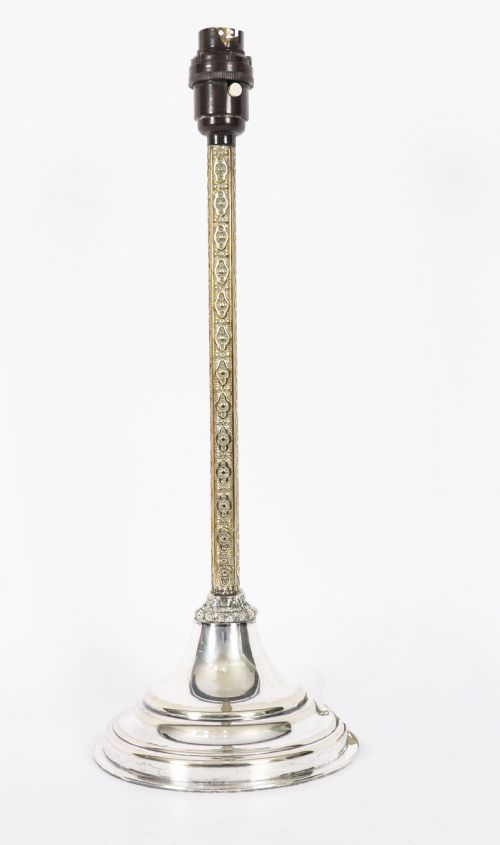
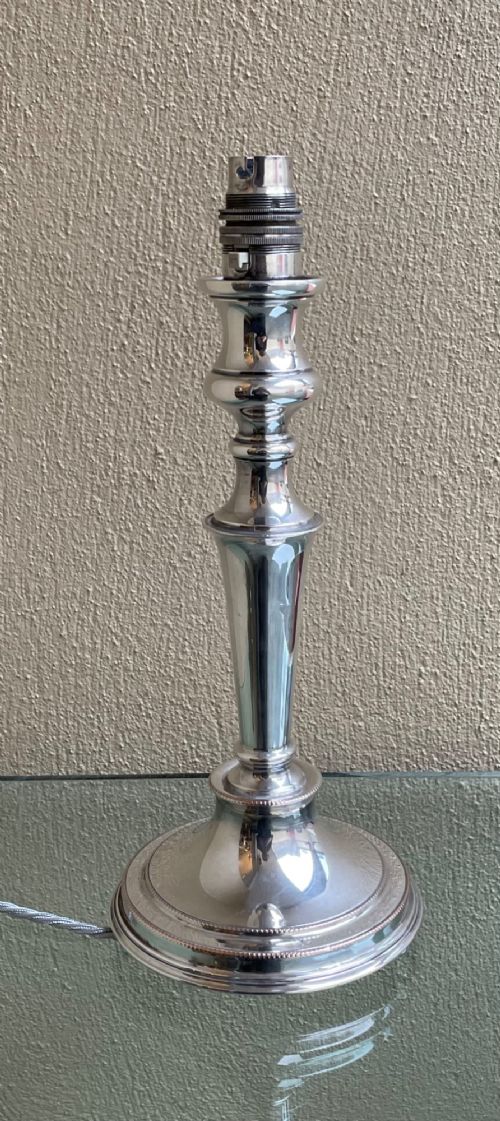
When you search for an antique silver lamp base, you are looking at upright lighting fixtures formed from sterling silver, electroplated nickel silver, or silver-gilt metals. The selection here spans the Victorian, Edwardian, and George V eras, alongside the later decades of the nineteenth century and into the nineteen-twenties.
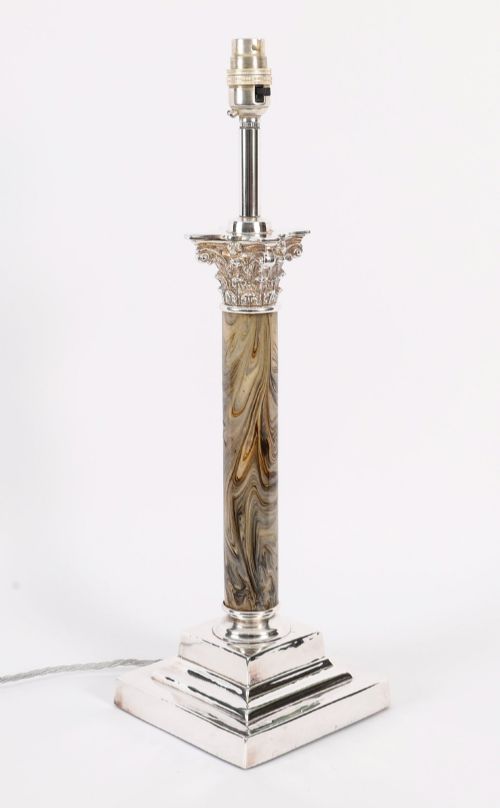
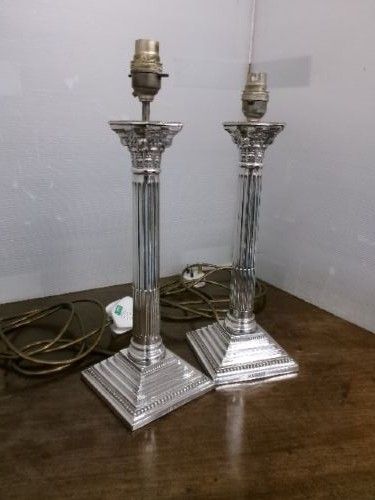
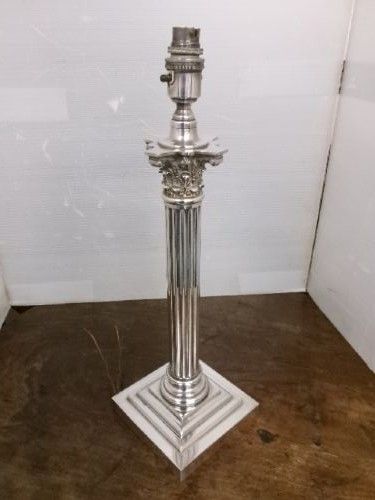
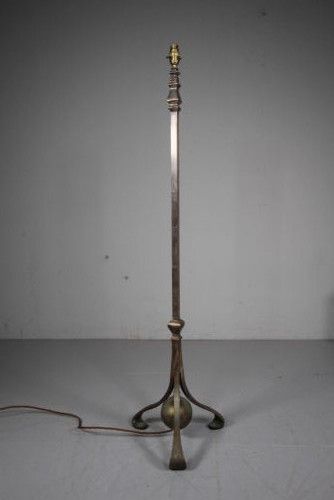
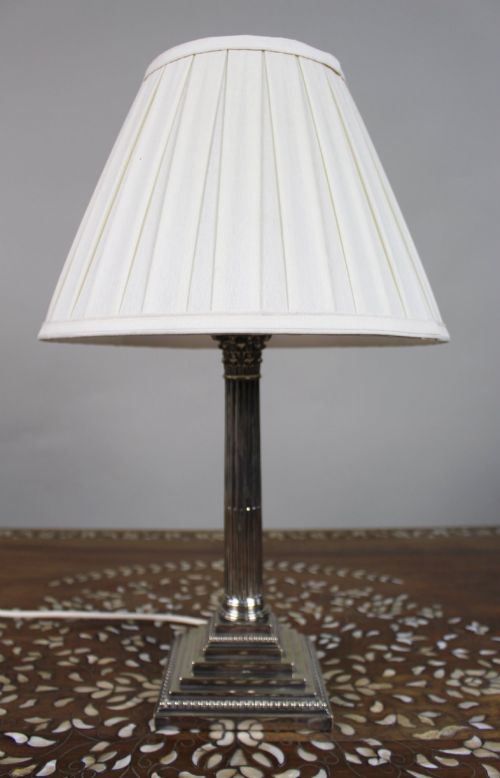
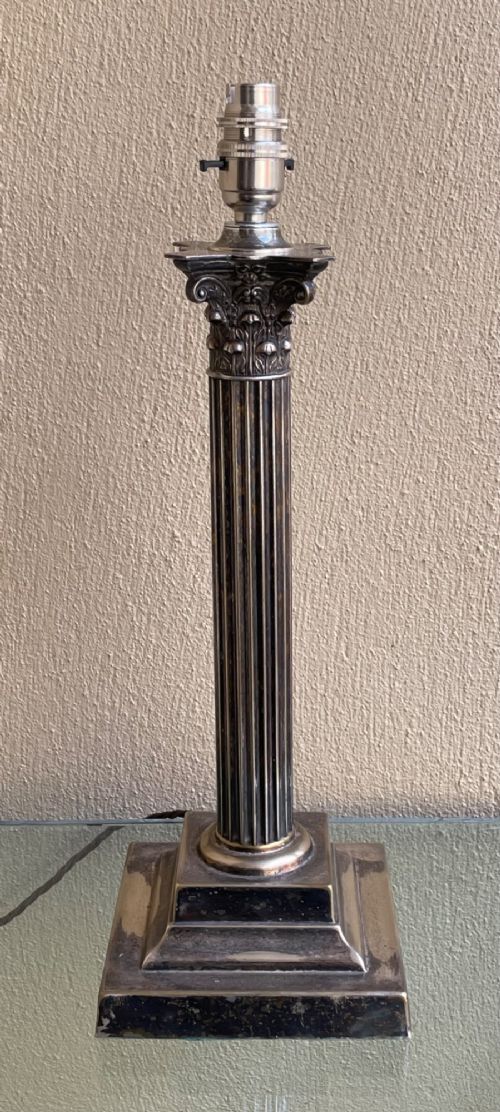
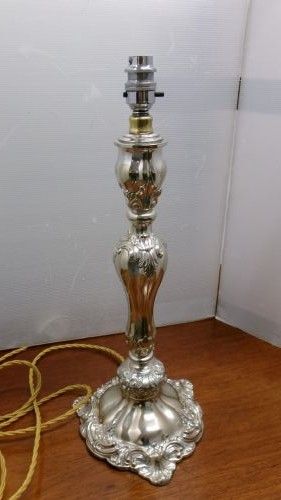
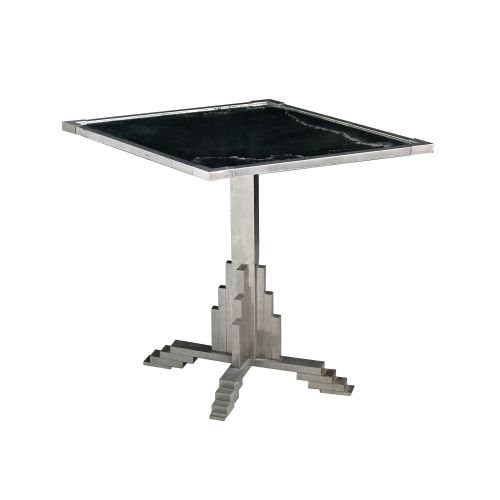
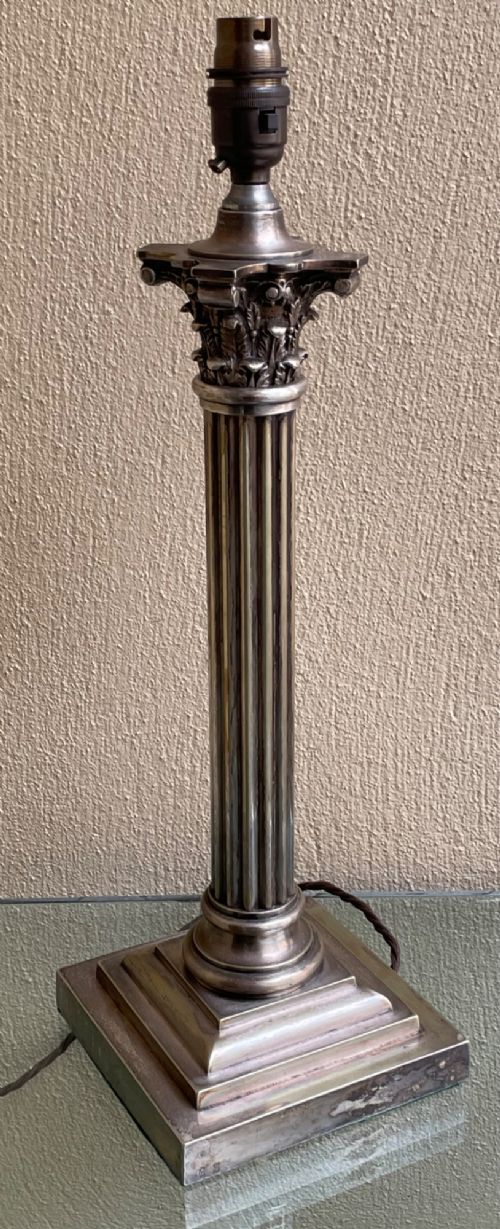
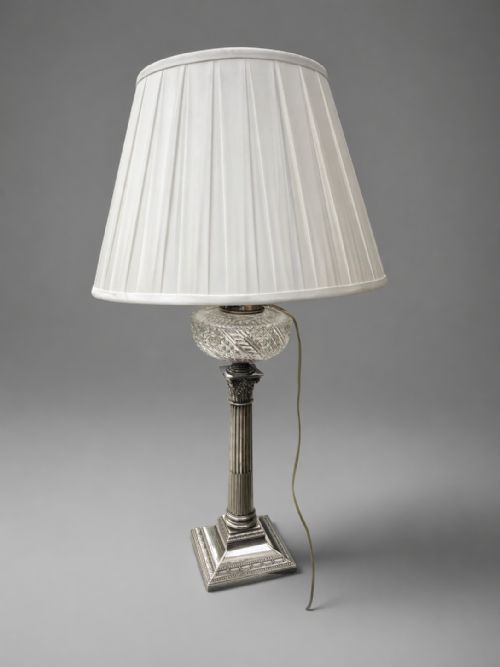
The most common version you will meet on this page is the Corinthian column table lamp, usually rendered in silver plate upon a brass or base metal core. Alongside these architectural shafts, the listings include floor lamps, converted oil lamps, glass and metal combinations, and occasional figural or art deco designs.
Materials and construction methods
Makers constructed these lamp bases primarily using silver plating techniques on base metals like brass or copper, or through solid sterling silver fabrication. Heavier pieces often utilised weighted bases filled with lead or resin to ensure stability when supporting tall shades.
Detailing involved cast architectural capitals, parcel gilt highlights, hand-chased collars, and applied lion's paw feet. Many examples incorporate cut glass, satin glass, or ruby glass reservoirs and columns combined with electroplated metal mounts.
Antique Silver Lamp Base Retail Price Guide 2026
Typical asking prices for silver lamp base among the pieces listed under this phrase on Sellingantiques today, from the lower quarter to the upper quarter. They describe what is for sale here now, not the wider market.
One exceptional piece strays entirely from classical metalwork to utilise a mounted taxidermy deer hoof as an unusual nineteenth-century table lamp base.
Distinctions in manufacture and preservation
The standard of a lamp base depends heavily on the crispness of its cast ornament, particularly the acanthus leaves and volutes on Corinthian capitals. Sharply defined details indicate high-grade initial tooling and careful finishing by the silversmith or manufacturer.
Preservation of the silver layer dictates much of the appeal, as heavy cleaning over generations wears thin plates down to the base metal. Solid sterling pieces or well-maintained heavy electroplate retain their depth of form and structural integrity much better than heavily polished counterparts.
Mappin & Webb·Goldsmiths and Silversmiths Company·Harrison Brothers & Howson·Walter Latham & Son·Palmer & Co
The Antique Silver Lamp Base Glossary
- Corinthian column
- A classical architectural shaft topped with ornate acanthus leaves and scrollwork. This form is the most frequently encountered design among nineteenth and early twentieth century table lamps.
- Silver plate
- A thin layer of pure silver fused or electroplated onto a base metal such as copper, brass, or Britannia metal. It offers the appearance of solid silver at a lower weight and cost.
- EPNS
- Electroplated Nickel Silver, a durable composite material formed by coating a nickel brass alloy with an electrical layer of silver. This mark appears commonly on pieces dating from the Victorian period onward.
- Parcel gilt
- A decorative technique where specific areas of an object are highlighted with a thin coating of gold while the remaining surface retains its silver finish. This method accentuates intricate chased details and mouldings.
- Peg oil lamp
- A standalone font, often made of cut or coloured glass, fitted with a metal peg at the base designed to drop directly into a candlestick or columnar stand. Many were later converted to electricity.
Antique Silver Lamp Base: Frequently Asked Questions
How do I date an antique silver lamp base?
Dating relies on a combination of maker's marks, hallmarks on sterling pieces, and stylistic indicators such as column capitals or stepped square bases. Comparing the construction methods of the weighted base and switch fittings also helps narrow down the decade of production.
Many Victorian and Edwardian examples carry stamped maker initials or registry numbers that point to specific manufacturing years. Examining the plug and cord configuration can indicate later rewiring, though the metal body retains its original age markers.
Are these lamps safe to use today?
Most antique lamps require professional rewiring to meet modern electrical safety standards before regular daily use. Qualified electricians can easily update internal wiring while preserving the original lampholder and outer metal structure.
It is wise to check that the weighted base remains secure and stable enough to support a standard lampshade without tipping. Ensuring the felt or baize on the underside is intact protects furniture surfaces from scratches.
How should I clean silver plated lamp bases?
Regular dusting with a soft, dry cloth prevents tarnish buildup in the recessed areas of cast ornament. Avoid harsh abrasive dips that strip away thin electroplated layers from the underlying brass.
For stubborn tarnish, apply a gentle cream silver polish sparingly with a cotton cloth, working gently around maker stamps and engraved details. Buff softly with a clean microfiber cloth to restore the natural reflective shine.
What is the difference between sterling and plate?
Sterling silver consists of solid precious metal meeting a specific legal purity standard throughout its entire thickness. Silver plate uses a base metal core coated with a thin outer layer of pure silver.
Sterling pieces usually feature traditional town, date, and maker hallmarks stamped into the metal. Plated items typically display maker names or trade abbreviations rather than standard assay office marks.