





Antique Silver Glasses Holder
When searching for an antique silver glasses holder, collectors often encounter desk accessories, cruet sets and novelty holders spanning the Victorian and Edwardian periods.
Antique Silver Glasses Holder
Examples span from the eighteenth century through the Victorian, Edwardian and Art Deco eras. Buyers frequently meet Edwardian silver-mounted glass items and Victorian silver-plated stands designed for domestic utility and display.
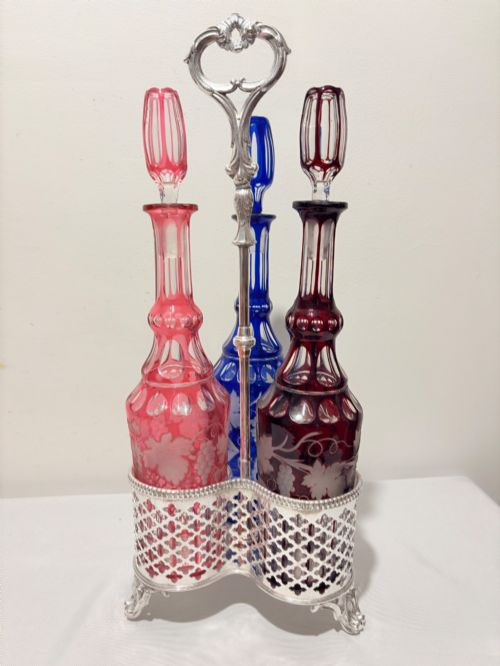
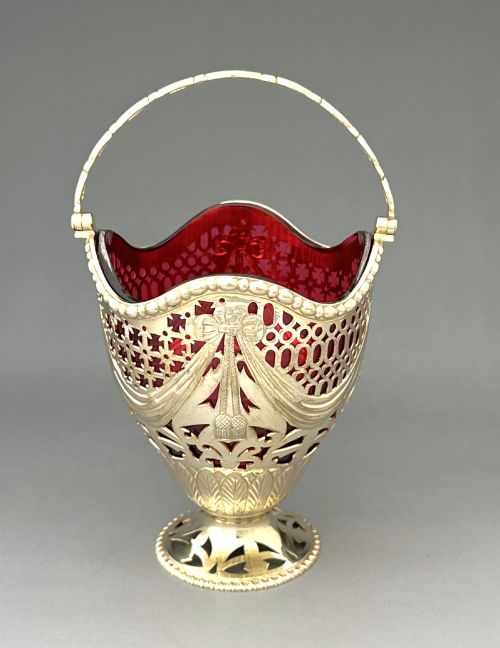
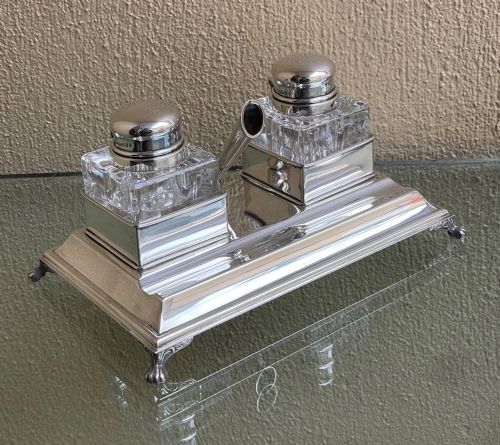
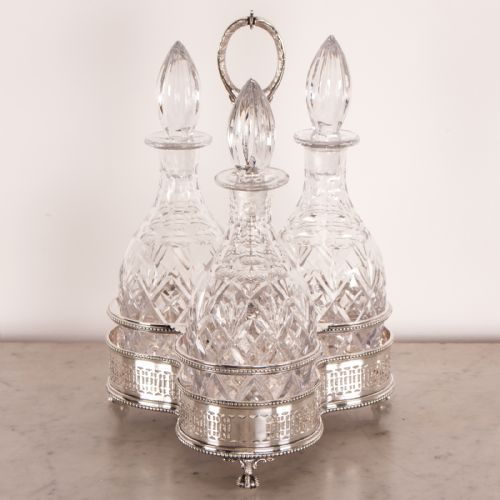
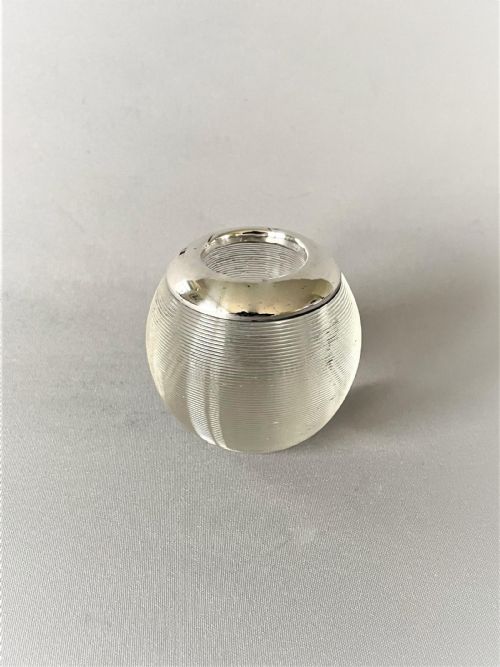
Object types on this page include cruet sets, inkstands, match strikers and preserve bowls alongside specialised glass holders. These pieces reflect the shift in interior display customs across successive decades.
Materials and technique
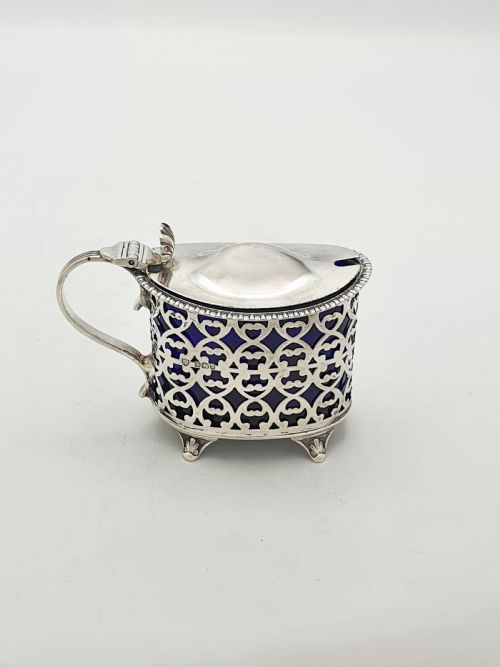
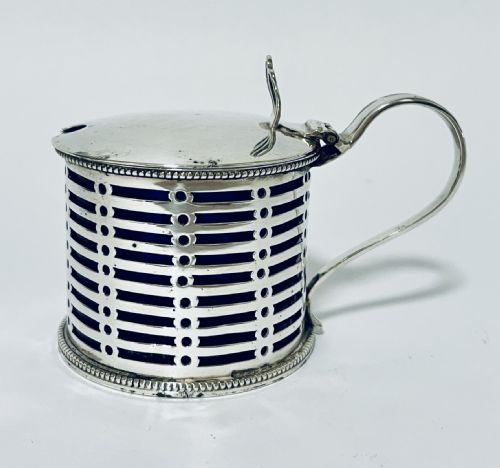
Makers combined sterling silver or silver plate with blown, cut or textured glass to form these pieces. Silver mountings were cast, pierced or stamped, then secured around glass liners, bottles and inkwells.
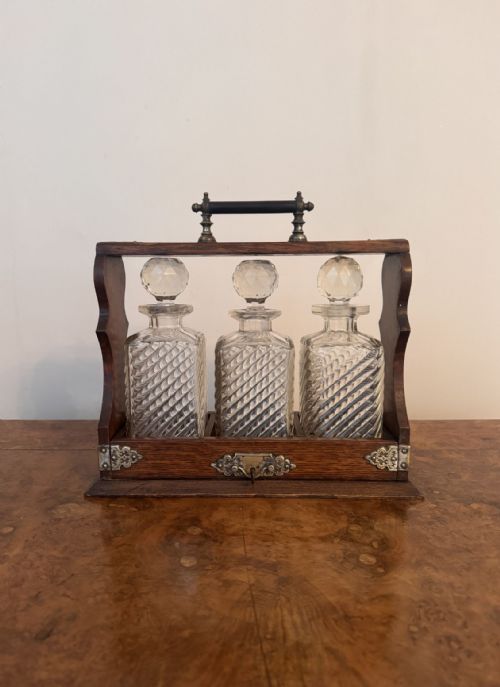
Oak frames also appear in structural stands alongside silver and glass elements. Metal components utilised silver plating techniques or solid sterling silver fabrication, paired with cranberry, ruby or clear glass elements.
Antique Silver Glasses Holder Retail Price Guide 2026
Typical asking prices for silver glasses holder among the pieces listed under this phrase on Sellingantiques today, from the lower quarter to the upper quarter. They describe what is for sale here now, not the wider market.
The object forms recorded on this page range from desk accessories and inkstands to cruet sets, condiment holders, and specialised glass baskets.
Distinctions in quality
Quality rests on the crispness of pierced metalwork, the weight of the sterling silver or silver plate, and the clarity of the glass insert. Superior items display well-defined cast ornamentation and secure structural joins.
The relationship between the metal mount and the glass vessel dictates the standard of manufacture. Well-made pieces ensure a precise fit between the glass liner and its silver or plated housing without undue movement.
Walker & Hall·Crisford & Norris·Hester Bateman·Levi & Salaman·Elkington·WMF
The Antique Silver Glasses Holder Glossary
- Sterling silver
- A metal alloy consisting of ninety-two point five percent silver by mass, with the remainder usually copper. This standard composition appears frequently in British hallmarks on desk and table items.
- Silver plate
- A base metal coated with a thin layer of silver through chemical or electrochemical processes. This technique provided the visual appeal of solid silver at a lower production cost.
- Cut glass
- Glassware shaped and patterned by abrasive wheels cutting deep facets into the surface. It is often combined with silver mounts to catch and reflect light.
- Cranberry glass
- A transparent pinkish-red glass created by adding gold chloride to the molten batch. It is frequently seen in Victorian liners and baskets.
- Cruet set
- A matched collection of bottles or containers for condiments, held within a metal frame or stand. These sets sit on dining tables for easy access to sauces and seasonings.
Antique Silver Glasses Holder: Frequently Asked Questions
What periods do these pieces date from?
The pieces span from the eighteenth century through the Victorian and Edwardian eras up to the Art Deco period and mid-century designs. Most examples originate from the late nineteenth and early twentieth centuries.
Craftsmanship styles shift across these decades, moving from ornate Victorian designs to cleaner Edwardian silver mounts and geometric Art Deco lines.
How were glass liners held securely in place?
Silver or plated mounts were fashioned with rims, collars or pierced galleries that conformed to the exterior shape of the glass vessel. This construction kept bottles, bowls and inkwells stable during use.
Makers ensured the metal housing gripped the glass firmly while allowing removal for cleaning.
How do I care for silver and glass pieces?
Silver components require gentle cleaning with appropriate polishes to maintain the metal surface without wearing down thin plating. Glass inserts can be washed separately in warm soapy water.
Harsh abrasives should be avoided on both the metal mounts and the glass surfaces to preserve original finishes.
Are hallmarks helpful for dating?
Hallmarks stamped on silver mounts provide town marks, date letters and maker's marks that identify the origin and year of manufacture. These small stamps offer precise chronological information for sterling silver items.
Silver-plated pieces often feature maker's marks or registration numbers rather than official assay office hallmarks.