



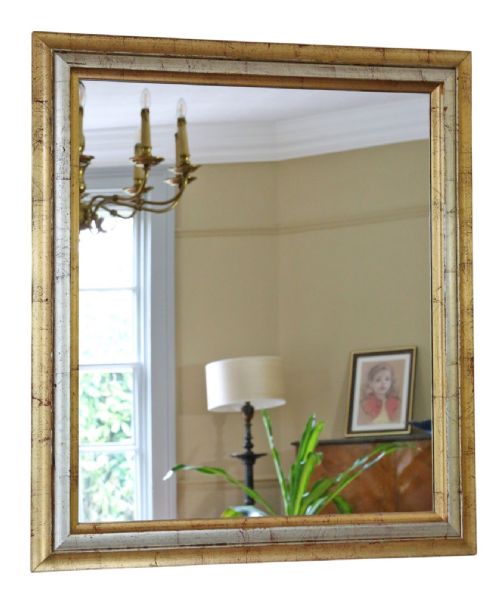


Antique Silver Gilt Framing
Antique silver gilt framing brings together brilliant metallic leaf and rich timber, offering a luminous border that lifts any interior.
Antique Silver Gilt Framing
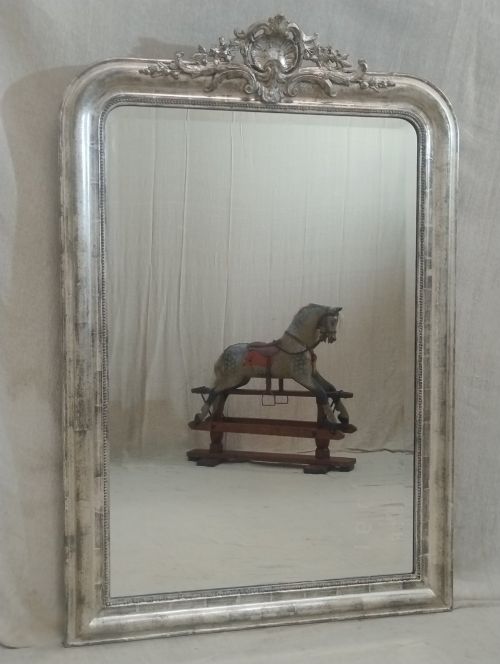
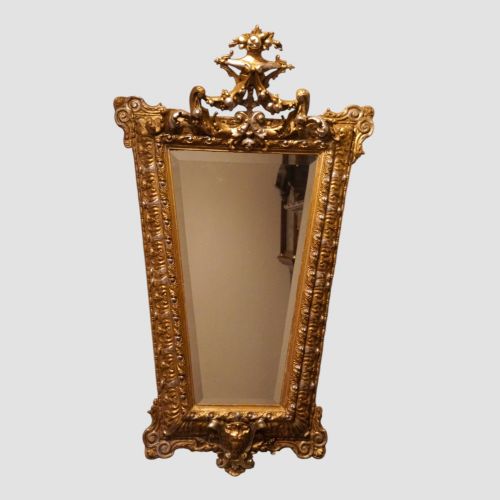
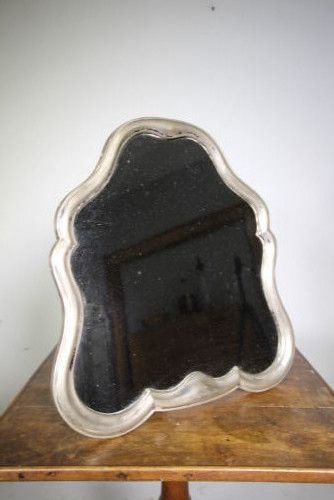
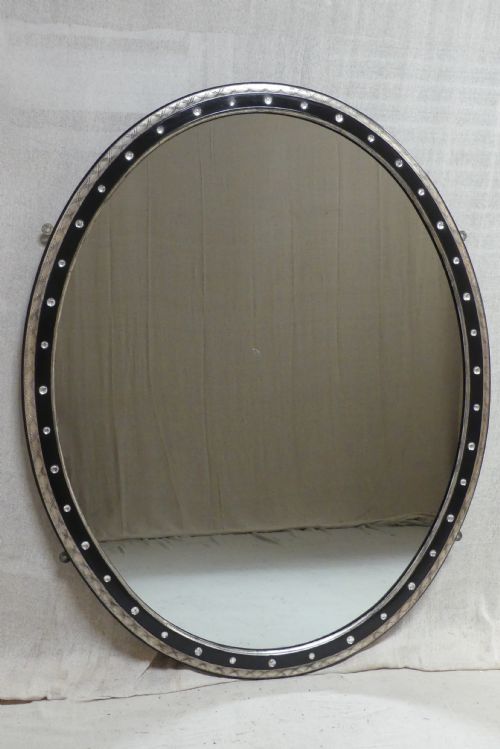
You are most likely to meet nineteenth century mirrors and frames on this page, often featuring carved wood, gesso, and silver leaf finishes. These items combine reflective glass and painted panels with metallic surfaces.
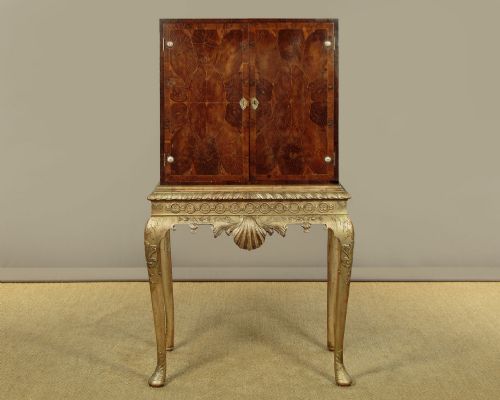
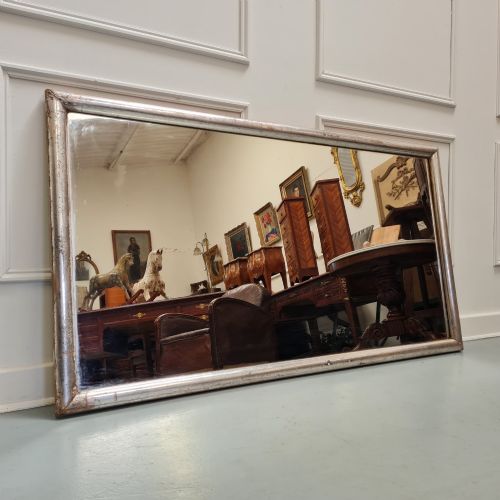
The selection includes specific forms such as French bistro mirrors, overmantle mirrors, and small cabinets on stands. Each object uses silver and gold leaf surfaces to create distinct decorative presence.
How they were made
Maker's workshops built these frames using carved wood and gesso as a base for the metallic leaf. Craftsmen applied layers of silver leaf and gold leaf over the prepared wooden structures to achieve complex reflective surfaces.
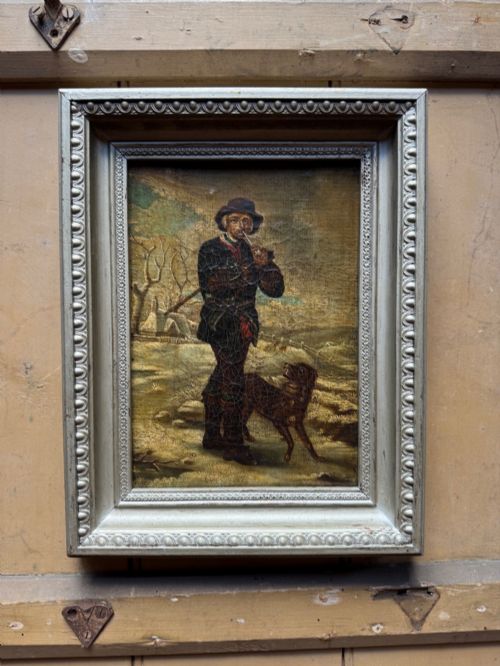
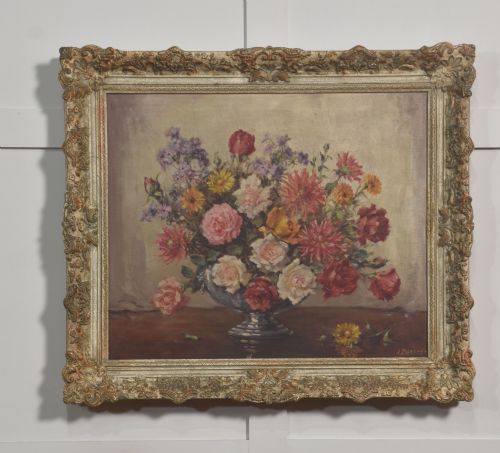
Surface finishes also incorporated oil paint on canvas and wood panels, as seen in the oil paintings and religious art included in the selection. Glazing and silvering techniques on glass completed the wall mirrors.
What varies in quality
Quality rests in the depth and precision of the carved wood and gesso moulding beneath the leaf. Finer pieces demonstrate crisp detail in the ornamentation and expert application of silver and gold leaf.
The integrity of the original surface finish defines the standard of the piece. Better examples retain their historic gilding and glass without excessive intervention or loss to the metallic layers.
MINSHULL & LATIMER·A.J Rowley·Ernest Higgins Rigg·Joseph Vickers de Ville
The Antique Silver Gilt Framing Glossary
- Silver gilt
- Silver that has been coated with a thin layer of gold, combining the cool tone of silver with the warmth of gold.
- Gesso
- A plaster mixture applied to wood frames to create a smooth surface for carving and gilding.
- Giltwood
- Wood that has been covered with gold or silver leaf.
- Overmantle mirror
- A large mirror designed to hang above a fireplace mantel.
- Parcel gilt
- An object that is only partially gilded, leaving portions of the underlying material exposed.
Antique Silver Gilt Framing: Frequently Asked Questions
How do I clean antique silver gilt framing?
Dust the surface gently with a soft, dry brush to remove particles without disturbing the metallic leaf. Avoid liquid cleaners and harsh chemicals that strip the delicate silver and gold layers.
Keep the pieces away from direct sunlight and damp environments to protect the underlying wood and gesso from cracking or warping.
Are these frames all from the Victorian period?
The selection spans several centuries, including seventeenth, eighteenth, nineteenth, and twentieth century pieces. Victorian examples sit alongside earlier Baroque items and later twentieth century designs.
Stylistic revivals appear frequently, meaning nineteenth century makers often drew inspiration from Italian and British Baroque traditions.
What is the difference between silver gilt and silvered glass?
Silver gilt involves applying metal leaf directly to the carved wooden frame or moulding. This creates a textured, metallic border around the glass or canvas.
Silvered glass refers to the reflective backing applied to the mirror plate itself, which provides the image reflection rather than the frame decoration.
Can I hang an overmantle mirror on any wall?
Overmantle mirrors are constructed with substantial wood and glass components, making them heavier than standard wall mirrors. They require secure fixings anchored directly into structural wall supports.
Check the weight and the hanging hardware on the back of the frame before installation to ensure safe wall mounting.