



Carved Silver Leaf Mirror
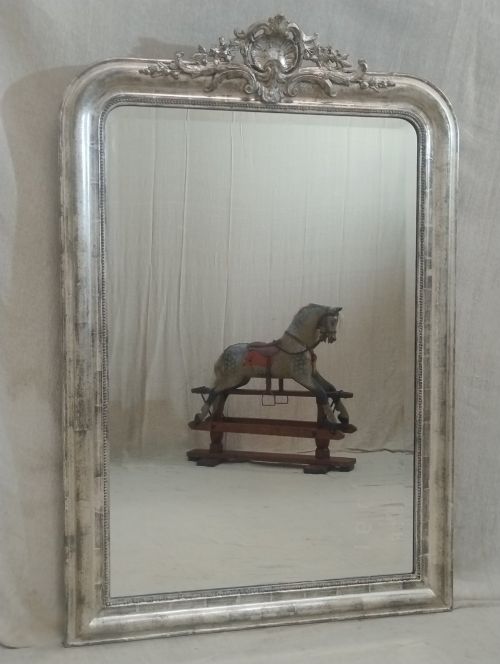
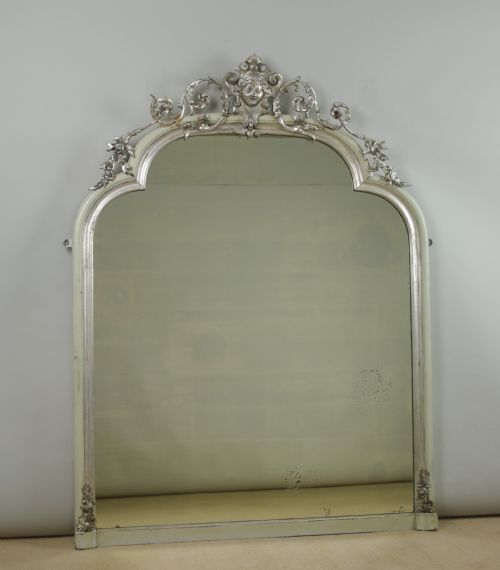
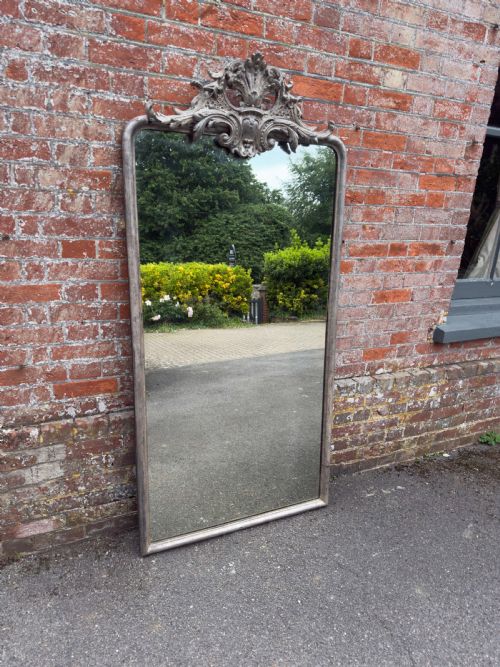
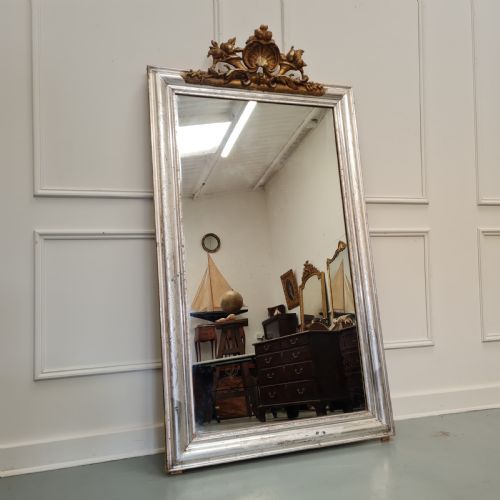
A carved silver leaf mirror brings genuine reflection and historic character to a room, ranging from grand Victorian overmantels to intricate continental wall pieces.
Carved Silver Leaf Mirror
A carved silver leaf mirror provides an ornamental reflective surface designed for domestic interiors across multiple periods. When searching for a carved silver leaf mirror, buyers encounter a variety of forms including large overmantel mirrors and wall mirrors originating from England, France, and Italy.
The pieces listed on this page span several eras, reaching from the seventeenth century through the eighteenth and nineteenth centuries into the early twentieth century. Victorian English examples and French nineteenth-century pieces appear most frequently, often displaying substantial scale and decorative presence.
Continental pieces bring distinct regional characteristics, such as Italian Baroque influences or Venetian Rococo detailing. Makers utilised traditional forms like arched tops and shaped frames to suit drawing rooms and grand reception spaces.
How they were made
The construction of these mirrors relies upon carved wood frames built up with gesso to create crisp relief details before the application of silver leaf. Artisans also combined silver leaf with gold leaf surfaces to achieve nuanced metallic tones on the timber mouldings.
Mirror glass sits within these handmade wooden frames, often retaining original characteristics developed over centuries of age and use. French and English workshops employed skilled woodcarvers to shape the scrolls, foliage, and architectural motifs seen across the styles.
Silver leaf frames possess a quiet habit of absorbing room candlelight, glowing softly long after the hearth fire settles.
What varies in quality
Quality in these mirrors rests primarily upon the depth and definition of the woodcarving beneath the gesso and silver leaf. Superior examples show confident hand-carved detail in the foliage and structural ornaments rather than simplified or mechanical moulding.
The preservation of the original silver leaf and gesso surface contributes significantly to the character of each piece. Retaining the authentic metal leaf layer and early mirror glass distinguishes a more substantial historical object from a later adaptation.
The Carved Silver Leaf Mirror Glossary
- Silver Leaf
- Extremely thin sheets of beaten silver applied to a prepared surface. This material provides the bright, reflective metallic finish characteristic of these frames.
- Gesso
- A plaster-like mixture applied to wood frames to create a smooth base for carving and gilding. It allows artisans to achieve sharp relief details.
- Overmantel Mirror
- A large mirror designed specifically to hang above a fireplace mantelpiece. These pieces often feature wide horizontal proportions suited to domestic hearths.
- Giltwood
- Timber that has been coated with gold or silver leaf over a gesso ground. This treatment gives the wooden frame its luminous metallic appearance.
- Baroque
- An ornate artistic style spanning the seventeenth and eighteenth centuries. It is characterised by dramatic movement, rich detail, and exuberant carving.
Carved Silver Leaf Mirror: Frequently Asked Questions
Where should I hang a large overmantel mirror?
These large mirrors sit naturally above a fireplace mantelpiece where their generous proportions reflect light and anchor the room.
They also function effectively on principal walls in reception rooms to add a sense of depth and architectural scale.
How do I identify a nineteenth-century French mirror?
French nineteenth-century pieces frequently display carved wood and gesso construction with arched or shaped tops.
Stylistic influences such as French Rococo Revival often appear in the flowing scrollwork and symmetrical floral motifs.
What is the difference between silver leaf and gold leaf?
Silver leaf creates a cooler, brighter metallic tone compared to the warmer yellow hue of gold leaf.
Certain period pieces combine both metals on the same frame to produce a varied surface finish.
Are the mirror plates original?
Many antique mirrors retain their early glass, which can exhibit subtle foxing and age spots.
Original glass contributes to the historical authenticity and visual character of the piece.