



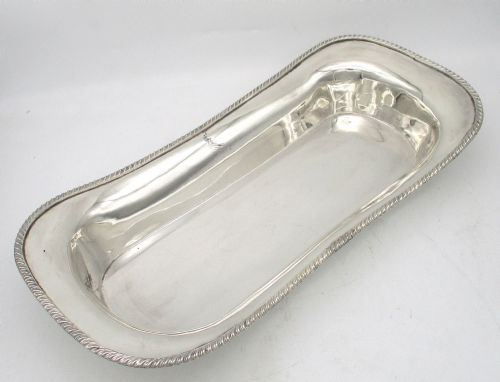

Antique Silver Desk Tray
An antique silver desk tray organises writing implements while anchoring a writing surface with substance and historic detail.
Antique Silver Desk Tray
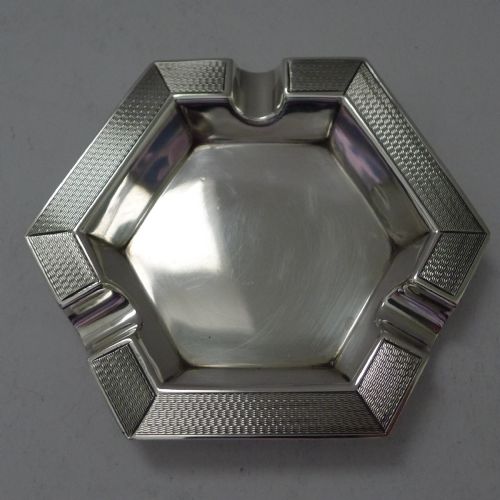
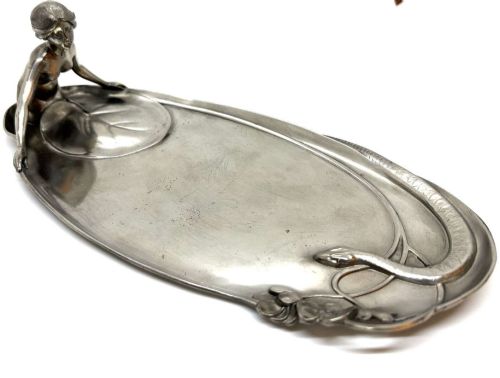
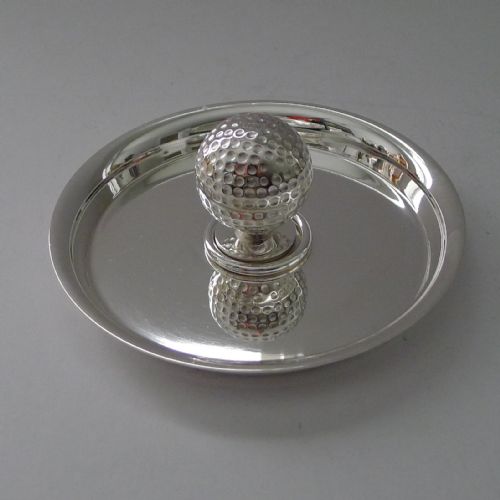
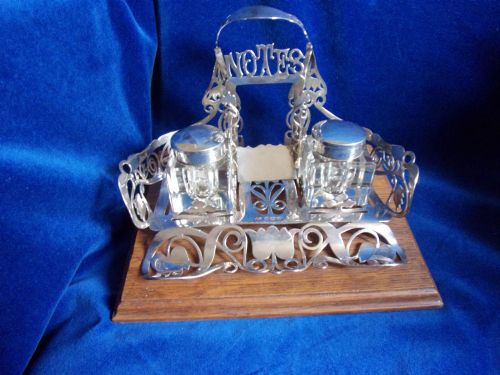
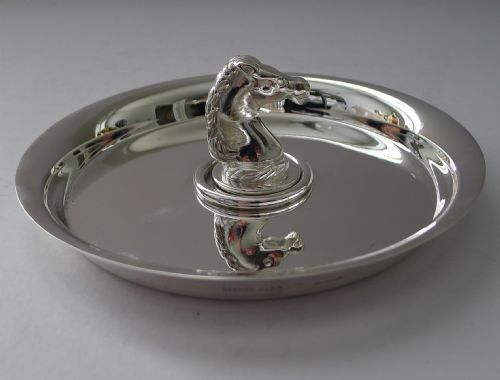
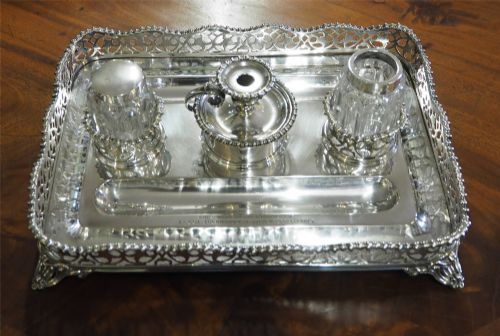
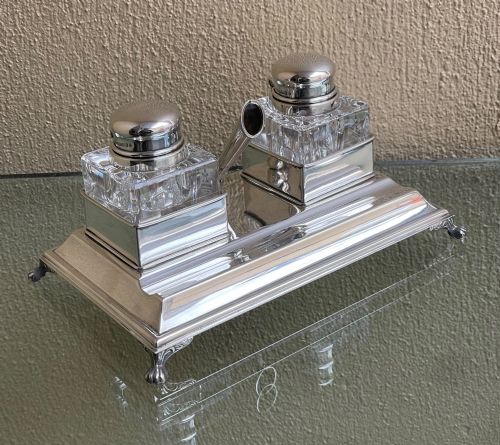
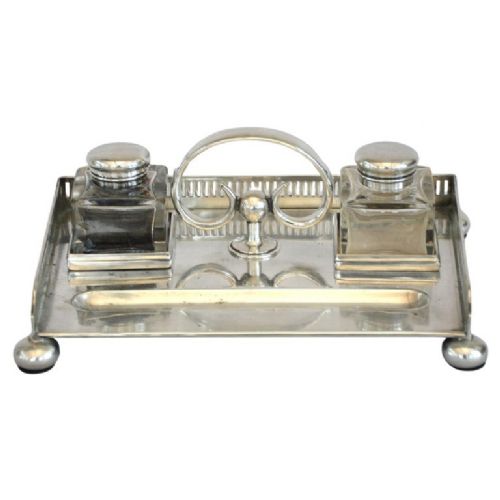
An antique silver desk tray encompasses varied writing furniture, ranging from simple pen trays to large double inkstands fitted with glass bottles, chambersticks, and pen rests. These pieces emerge across the eighteenth, nineteenth, and twentieth centuries, spanning the Georgian, Victorian, and Edwardian eras alongside Art Nouveau and Art Deco designs.
Buyers most frequently encounter silver-plated and sterling silver items produced by major makers and silversmiths during the Victorian and Edwardian periods. These everyday desk accessories often incorporate materials like cut glass, brass, copper, and wood alongside metal elements.
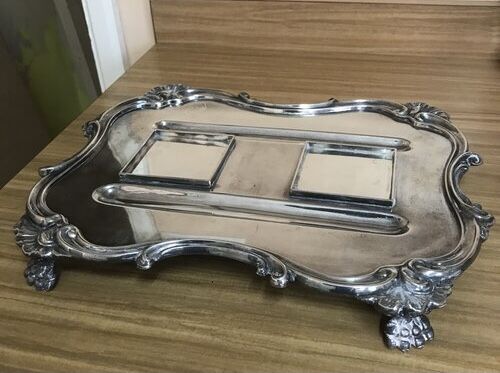
Formations extend to related desk accessories such as inkwells, cigar lighters, card trays, and knife trays adapted for stationary use. Pieces take both simple rectangular shapes and elaborate Rococo revival or organic Art Nouveau silhouettes.
Distinctions in manufacture
Quality rests upon the weight of the metal, the precision of the joinery in fitted wooden and metal bases, and the crispness of chased or cast ornamentation. Finer examples display deep relief work, robust gauge silver, and undamaged original cut glass inserts rather than replacement components.
The reputation of the maker and silversmith, combined with clear hallmarks or maker marks, dictates the standing of a desk tray. Superior construction shows in balanced proportions, secure pen rests, and harmonious integration of mixed materials like exotic woods and inlaid stone.
Antique Silver Desk Tray Retail Price Guide 2026
Typical asking prices for silver desk tray among the pieces listed under this phrase on Sellingantiques today, from the lower quarter to the upper quarter. They describe what is for sale here now, not the wider market.
Listings feature items spanning the eighteenth century through the twentieth century, encompassing Georgian, Victorian, Edwardian, Art Nouveau, and Art Deco design periods.
William Neale·Elkington·Walker And Hall·Harrods·Creswick·Walker Knowles·Robert Garrard·Rupert Favell·Daniel Holy·Zimmermann·Maurice Dufrene
The Antique Silver Desk Tray Glossary
- Inkstand
- A fitted tray or stand holding one or more inkwells, sanders, and pen rests. These assemblies form the central apparatus of a formal nineteenth century desk.
- Old Sheffield Plated
- An early method of fusing a thin sheet of sterling silver to a thicker copper base ingot before rolling. This technique produces distinct edge seams visible upon close examination.
- Pen Tray
- A shallow oblong dish specifically shaped to hold dipping pens and quills. They appear in sterling silver, silver plate, pewter, and inlaid wood.
- Hallmark
- An official stamp applied to precious metals indicating the standard of purity, the assay office, and the date letter. English pieces carry these marks to verify metal quality.
- Chamberstick
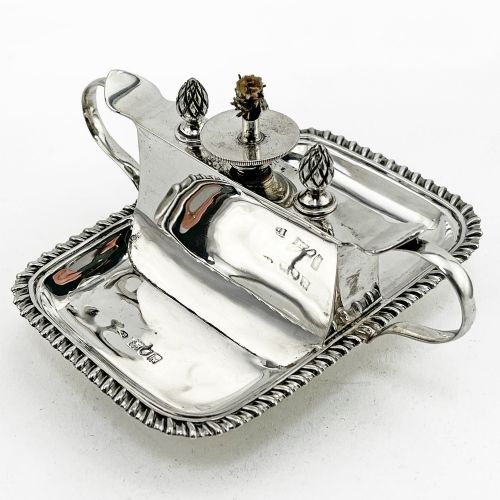
- A small portable candlestick fitted with a handle and saucer base, occasionally incorporated into large Victorian desk stands for sealing correspondence.
Antique Silver Desk Tray: Frequently Asked Questions
What is an antique desk stand?
An antique desk stand is a portable tray or base designed to keep writing equipment orderly. It typically holds inkwells, pen rests, and sometimes sanders or tapersticks in one consolidated unit.
These pieces sat upon writing tables in studies and offices during the eighteenth, nineteenth, and twentieth centuries. They provided a stable platform for ink bottles and prevented dipping pens from rolling onto papers.
How do I clean silver desk trays?
Cleaning requires a soft microfibre cloth and a mild silver cream applied gently along the grain. Avoid abrasive polishes that wear away thin plating on Old Sheffield plate or silver plated items.
Removable glass inkwells and liners should be washed separately in warm soapy water. Care must be taken around wooden bases, inlaid stones such as onyx or lapis, and felt undersides to prevent moisture damage.
What is the difference between sterling and plate?
Sterling silver consists of solid precious metal meeting a specific legal purity standard, usually marked with a lion passant on English items. It carries value throughout its entire thickness and bears hallmarks.
Silver plate involves a thin layer of silver bonded to a base metal like copper, Britannia metal, or nickel silver. Old Sheffield plate uses a mechanical fusion method, whereas later electroplate applies silver via an electrical current.
Can I still use antique inkstands?
Antique inkstands function well for modern desk organisation, holding pens, small stationery, or business cards. Using them for actual liquid ink requires caution due to potential leaks and the corrosive nature of modern inks on historic glass and metal.
Glass inkwells should be checked for hairline cracks before filling with fluid. Many collectors prefer to display these pieces dry to preserve original interior residues and delicate components.