


Antique Silver Dangle Earrings
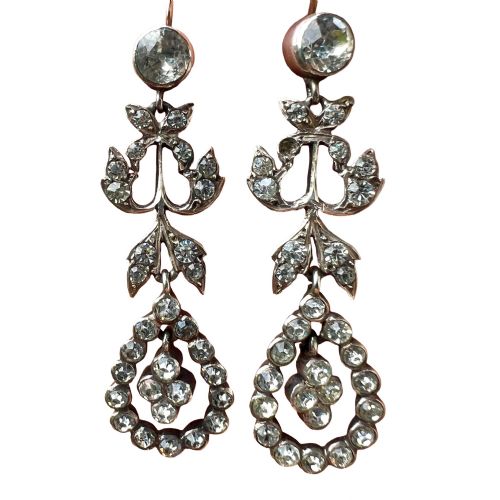
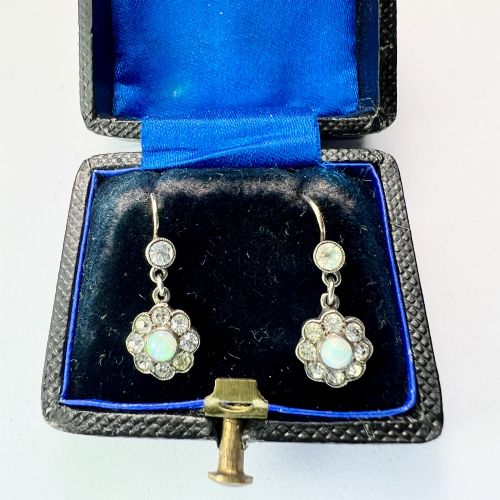
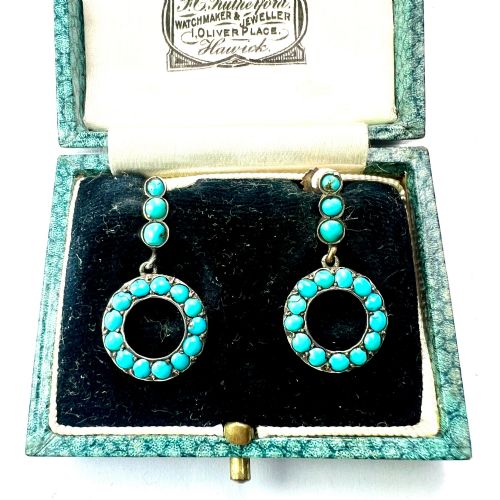
These antique silver dangle earrings bring movement and light to the ear, spanning Georgian, Victorian, and later eras in rich mixed metals.
What these antique silver dangle earrings are
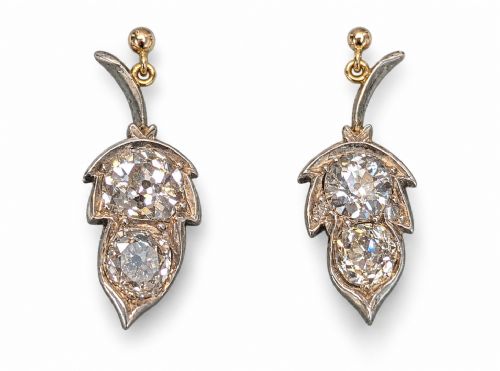
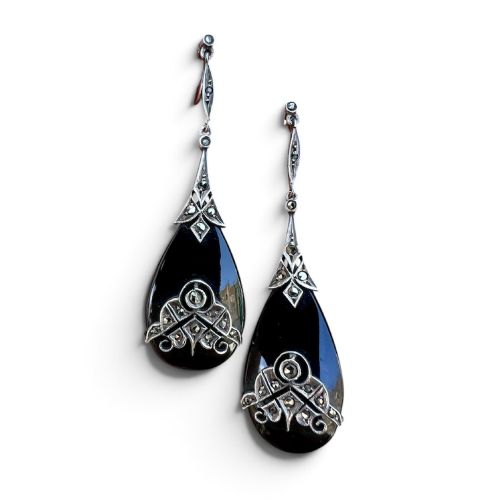
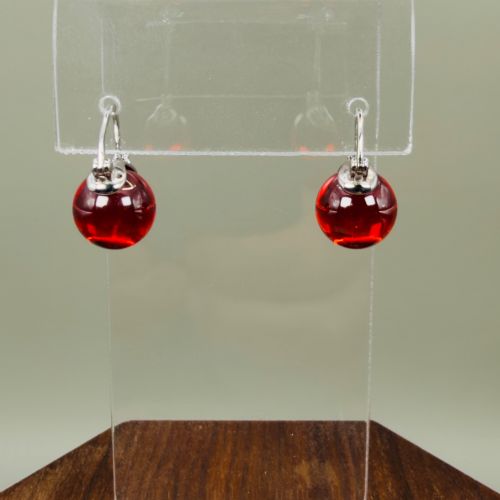
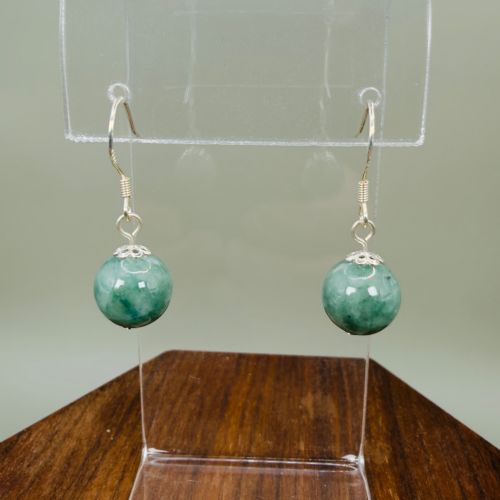
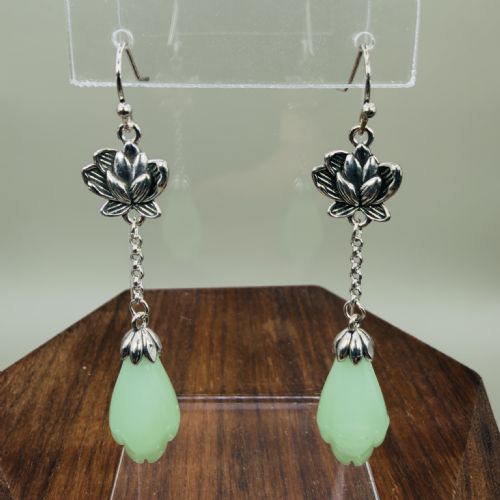
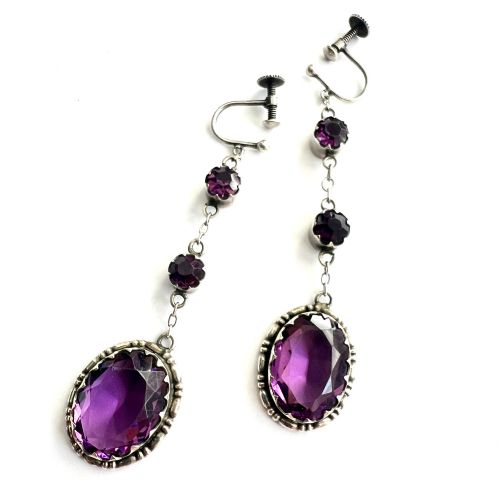
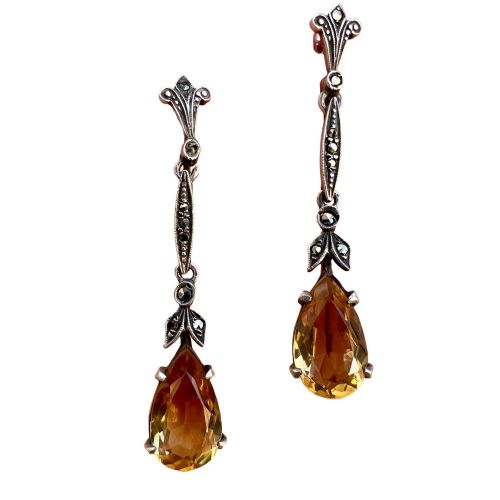
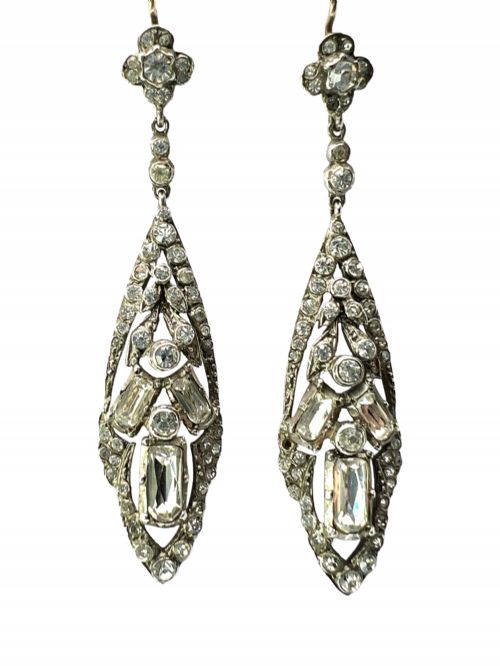
Antique silver dangle earrings span several distinct historical periods, with Victorian examples appearing most frequently alongside Georgian and early twentieth-century pieces. Buyers browsing these items encounter hanging designs that incorporate drop, tassel, and pendant configurations attached securely to hooks or screwbacks.
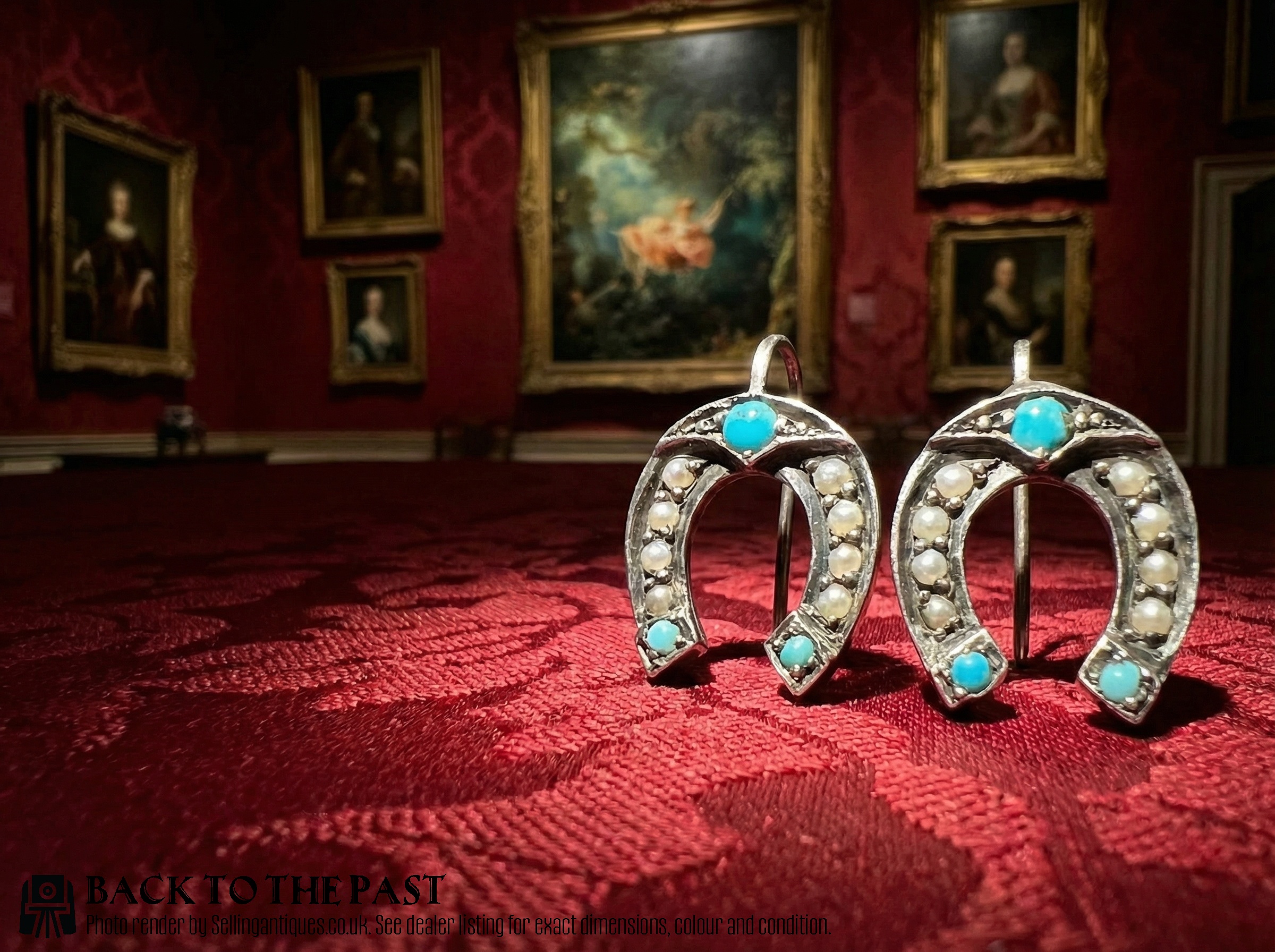
The decorative vocabulary draws heavily from nature and symbolism, featuring motifs such as swallows, floral sprays, fern leaves, acorns, horseshoes, bows, and sunbursts. Aesthetic Movement and Art Deco pieces also surface, demonstrating the shifting tastes in ornamentation across the nineteenth and twentieth centuries.
Materials and construction
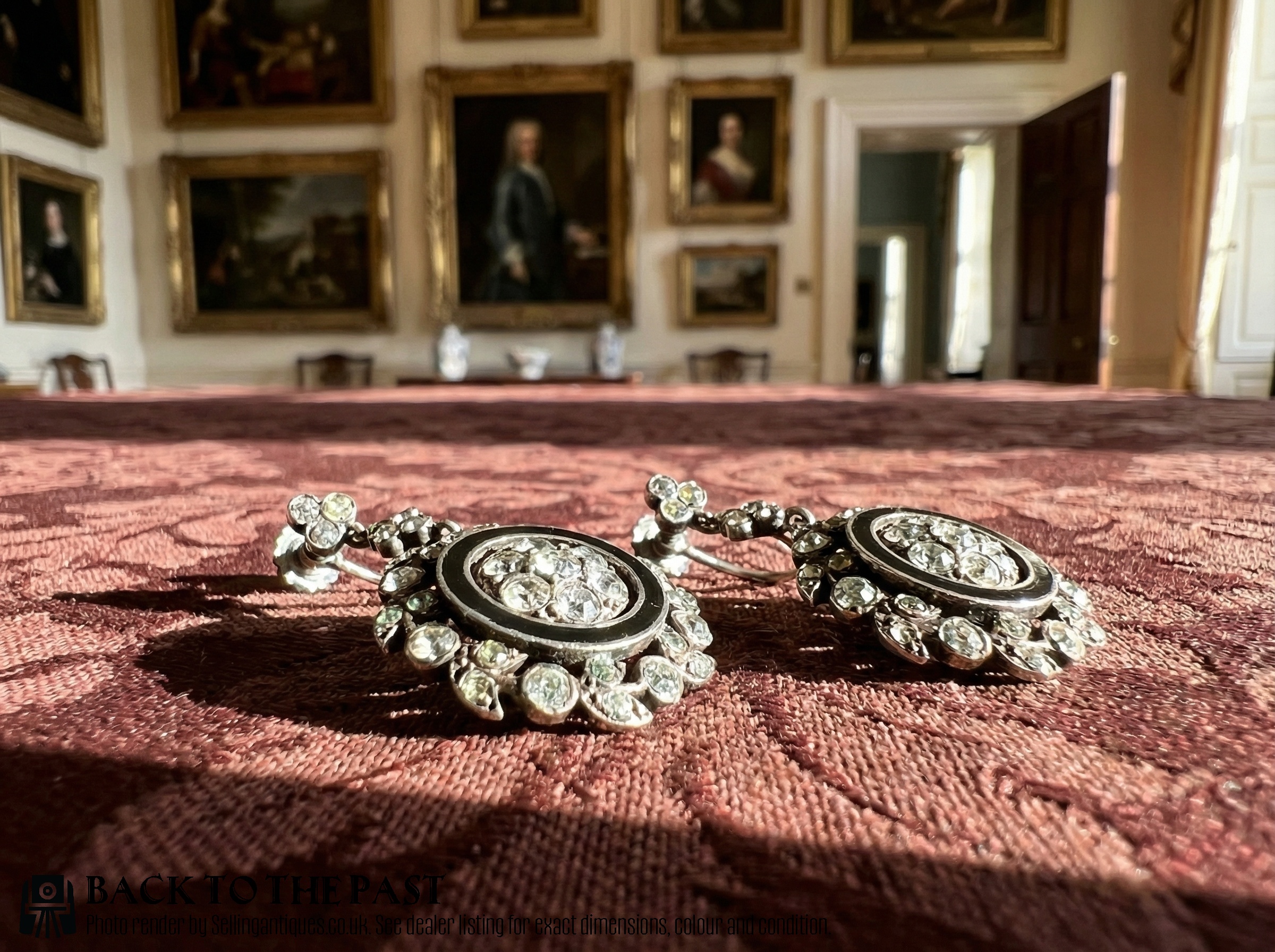
Silversmiths and jewellers combined sterling silver with gold, frequently utilising nine-carat, fifteen-carat, or eighteen-carat yellow gold alongside silver settings to mount stones effectively. This dual-metal technique, common in antique jewellery, allowed white silver to showcase stones whilst gold provided structural strength.
Settings accommodated a diverse range of materials including paste glass, rock crystal, moonstone, turquoise, pearl, diamond, emerald green stones, pink topaz, and enamel. Drop components and tassels were articulated to catch the light with every movement of the wearer.
Retail Price Guide 2026
Typical UK retail prices for silver dangle earrings, calculated from the Sellingantiques database of over a million retail prices indexed since 2003. This retail price guide relies exclusively on Sellingantiques data; no external sources or auction records are used, so the figures do not describe the wider market.
Listings combine silver with paste glass, rock crystal, moonstone, and enamel across Victorian and Georgian forms.
Distinctions in quality
Quality rests upon the fineness of the metalwork and the precision with which stones are cut and secured within their bezels or claw settings. Hand-cut paste and genuine gems display superior depth and light refraction compared to simpler glass alternatives.
The Antique Silver Dangle Earrings Glossary
- Paste glass
- High-refraction lead glass hand-cut and polished to imitate gemstones in antique jewellery. It allows for vibrant colour and sparkle.
- Screwback
- A mechanical fastening type utilising a threaded screw to secure an earring to the earlobe without requiring a pierced piercing.
- Aesthetic Movement
- A late nineteenth-century style prioritising visual beauty and nature-inspired motifs over narrative or moral content.
- Rock crystal
- Colourless, transparent quartz utilised in historical jewellery as a durable alternative to diamond.
- Tassel drop
- A fringe of small metal chains or suspended elements hanging from a cap, creating constant fluid movement.
Frequently Asked Questions
How do I date antique drop earrings?
Dating relies on examining the metal alloys, the cut of the stones, and the mechanics of the fixings. Victorian and Georgian pieces often show distinct hand-assembled components.
Design motifs also offer strong chronological clues, matching the prevailing artistic movements of their respective decades.
Are these earrings meant for pierced ears?
Many historical pairs feature traditional hooks designed for pierced lobes, reflecting the dominant practice of the nineteenth century.
Other examples utilise screwback mechanisms, which were manufactured to accommodate non-pierced ears comfortably.
Why use both gold and silver together?
Jewellers frequently mounted diamonds and paste in silver because the white metal enhanced the brilliance of the stones.
Backings and wires were often formed in gold to add durability and prevent tarnishing against the skin.
How should I clean my silver drops?
Gentle dusting with a soft microfiber cloth is generally sufficient to remove surface debris without damaging fragile stones.
Liquid dips must be avoided, as harsh chemicals can seep into foil-backed paste or discolour delicate enamel work.