




Antique Non Pierced Earrings
These antique non pierced earrings span the Victorian, Edwardian, and Art Deco eras, offering timeless lobe adornment without the need for pierced ears.
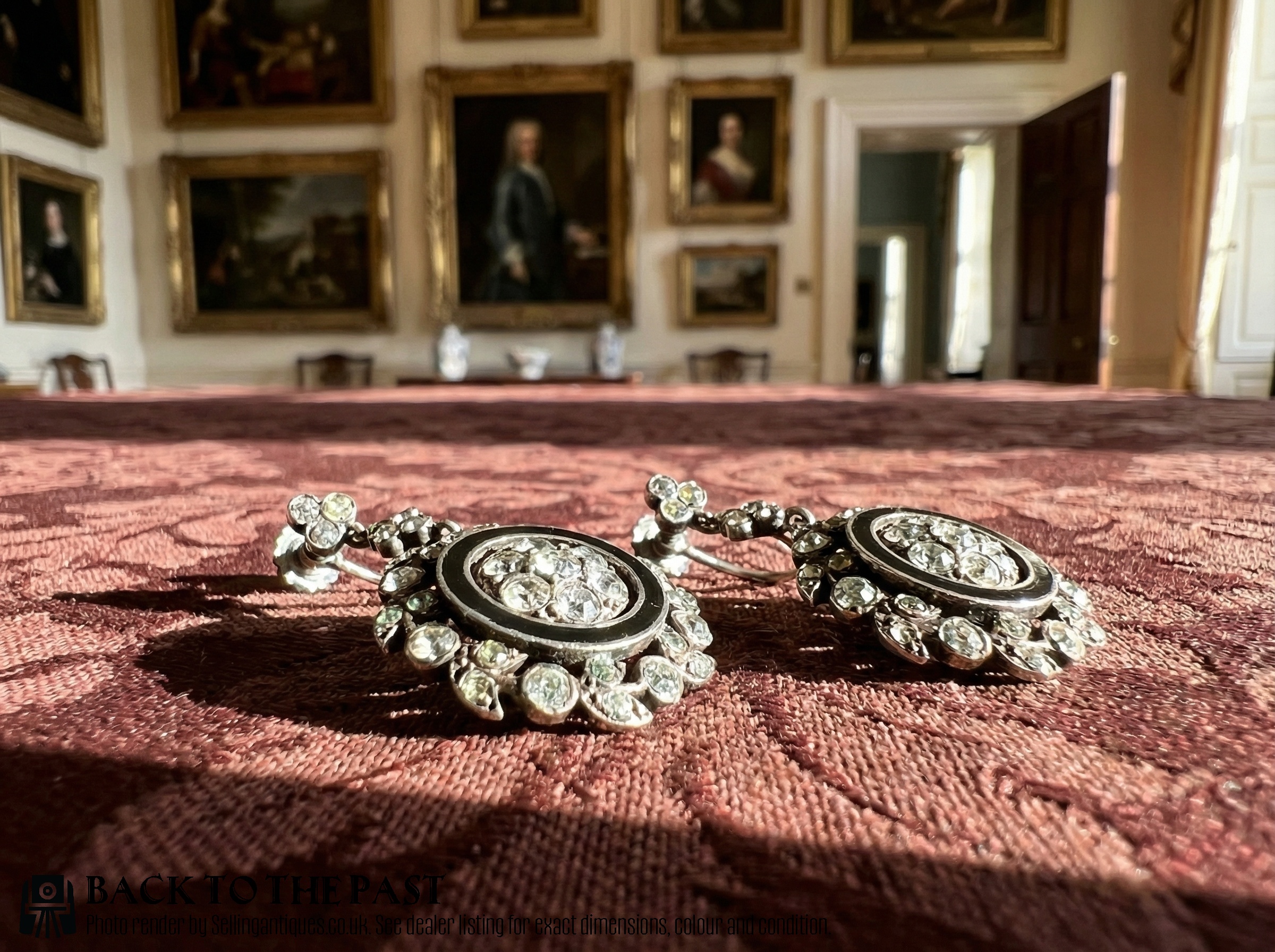
Antique Non Pierced Earrings
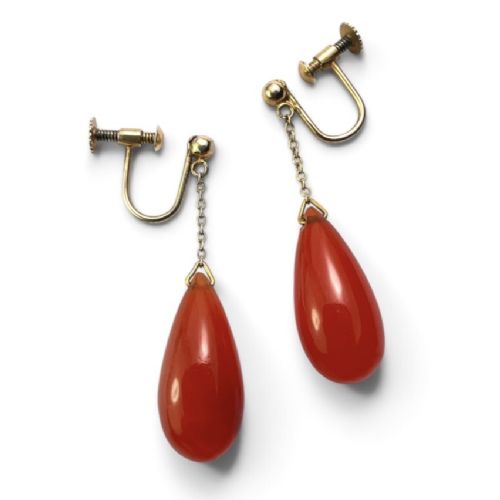
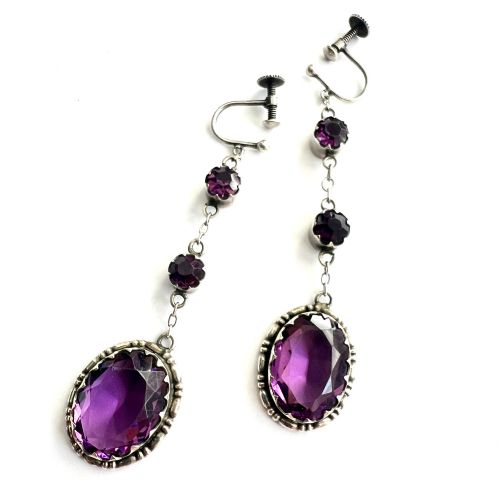
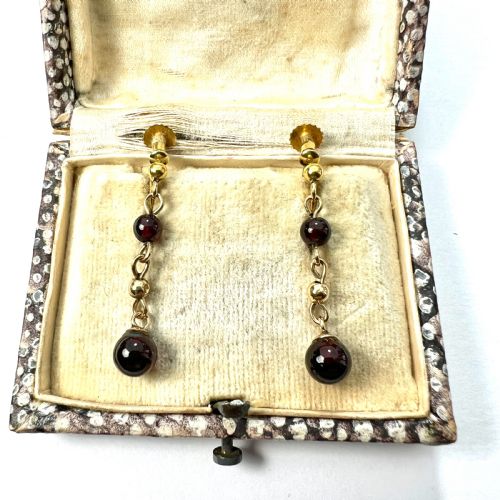
Antique non pierced earrings encompass a variety of historical styles designed for unpierced lobes, ranging from Victorian silver clip-on coral studs to elaborate Edwardian chain drop designs in nine-carat gold. Buyers searching this phrase encounter numerous functional fastening mechanisms from past centuries, primarily screwbacks, clip-on findings, and specialised earring clips.
How they were made
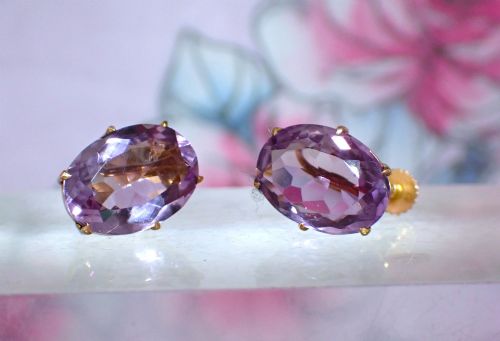
The construction relies heavily on precious metals like nine-carat gold, eighteen-carat white gold, platinum, and silver to form secure settings and functional screwback or clip mechanisms. Stones and organic materials are meticulously set by hand, incorporating bezel or prong techniques to secure amethysts, garnets, pearls, coral, and paste.
Specialised metalwork defines the era, from Victorian sunburst motifs to Edwardian chain drops and Art Deco marcasite arrangements. The integration of the screw mechanism or clip finding is soldered directly onto the reverse of the primary decorative element, ensuring durability during wear.
These clever screwbacks let anyone wear vintage sparkle without committing to a needle.
What varies in quality
Quality differences emerge in the precision of the metalwork and the complexity of the chosen gemstones, such as natural tourmaline, diamonds, or moonstones versus glass and paste. The sophistication of the period setting, whether an intricate Arts and Crafts silver frame or a simple nine-carat gold stud, dictates the refinement of the piece.
The mechanical integrity of the screwback or clip-on finding also influences overall merit, ensuring the tension mechanism functions smoothly while preserving the original historical components of the mount.
The Antique Non Pierced Earrings Glossary
- Screwback
- A mechanical earring finding utilising a threaded post and a small thumb screw to secure the piece gently to the lobe without piercing. This mechanism allows the wearer to adjust the pressure precisely for comfort.
- Clip-on
- A hinged fastening method that snaps closed against the back of the earlobe to hold non-pierced earrings in place. It became widespread in the twentieth century for speed and ease of use.
- Paste
- Hand-cut lead glass used to imitate precious gemstones in antique jewellery. High-quality paste stones are individually foiled and set to maximise brilliance.
- Marcasite
- Small, faceted pieces of iron pyrite polished and set closely together in silver mounts to create a sparkling, metallic frame. This technique is particularly prominent in Art Deco designs.
- Chain drop
- A design feature where the decorative lower portion of the earring hangs from a fine metal chain, creating movement when worn.
Antique Non Pierced Earrings: Frequently Asked Questions
How do screwback earrings work?
Screwback earrings utilise a small threaded screw mechanism on the back of the finding. The wearer adjusts the screw to tighten or loosen the tension against the earlobe until the earring is held securely in place without discomfort.
This design allows individuals without pierced ears to wear substantial drop and cluster earrings safely. The pressure can be precisely regulated to match the thickness of the lobe.
Are these earrings comfortable for daily wear?
Most antique non pierced earrings are designed for comfortable wear, provided the screwback or clip mechanism is adjusted correctly. Lighter designs distribute weight evenly across the lobe.
Heavier gemstone drops require proper tension on the screw mechanism to prevent slipping during movement. Periodic checking ensures the fastening remains secure throughout the day.
How can I date my earrings?
Dating relies heavily on the stylistic hallmarks of periods such as Victorian, Edwardian, and Art Deco, alongside the specific metal alloys and stone cuts used. Aesthetic Movement pieces often display distinct geometric or natural motifs from the late nineteenth century.
Fastening types also provide clues, as early mechanical screwbacks and specific clip-on patents evolved across decades. Examining the construction of the setting helps align the piece with a precise historical era.
What materials are commonly found?
Common materials include precious metals such as nine-carat gold, silver, and occasionally platinum paired with eighteen-carat white gold. Gemstones range from natural pearls, red agate, amethysts, and tourmalines to decorative paste and glass.
Organic elements like coral and faux pearls also appear frequently across Victorian and Edwardian examples. Each material reflects the prevailing tastes and manufacturing capabilities of its specific period.