

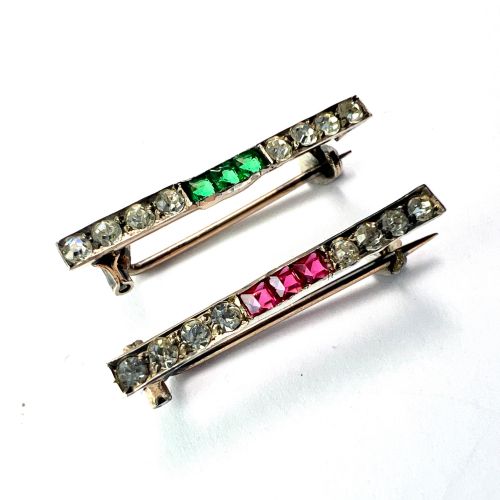


Antique Silver Costume Jewellery
Antique silver costume jewellery brings together brilliant paste glass and silver work across periods from Georgian shoe buckles to Art Deco sets.
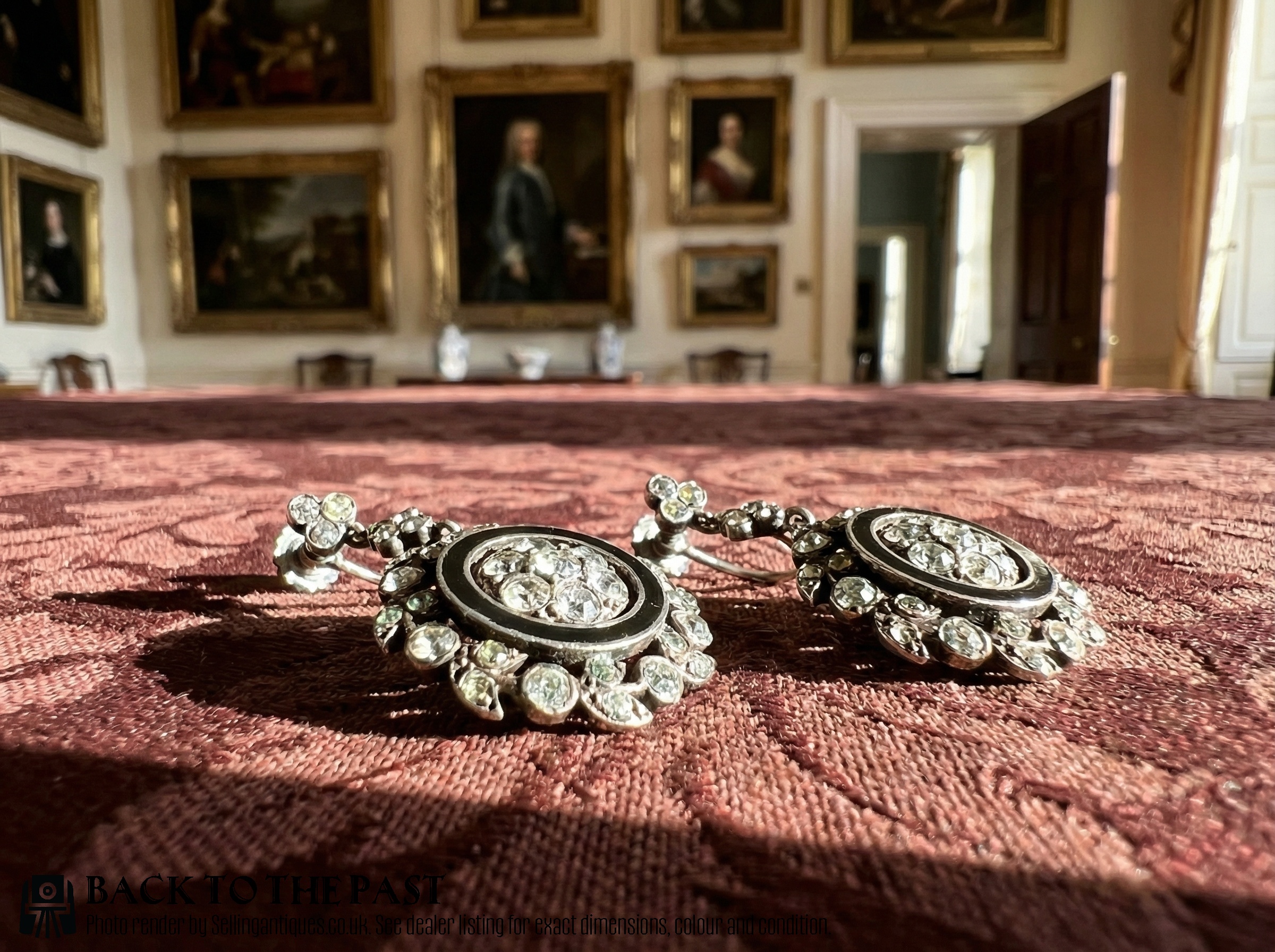
Antique Silver Costume Jewellery
Art Deco examples dominate the available styles, often pairing geometric metalwork with colourful glass paste. Earlier Georgian and Victorian items lean towards intricate paste settings and steel filigree work.
How they were made
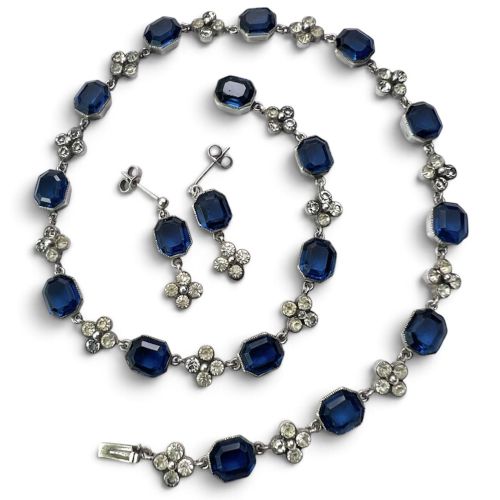
Maker construction relies heavily on silver settings combined with glass paste stones to simulate precious gems. Craftsmen also utilise chrome, enamel, bakelite, and steel filigree depending on the period of manufacture.
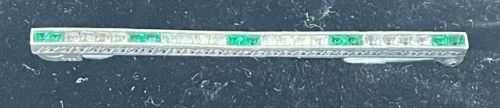
Art Deco pieces frequently employ chromium framing alongside colourful enamel and glass paste components. Jakob Bengel items showcase distinctive industrial metalwork with brickwork and geometric designs.
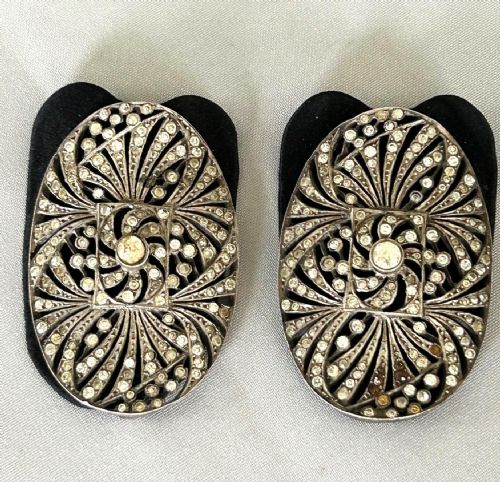
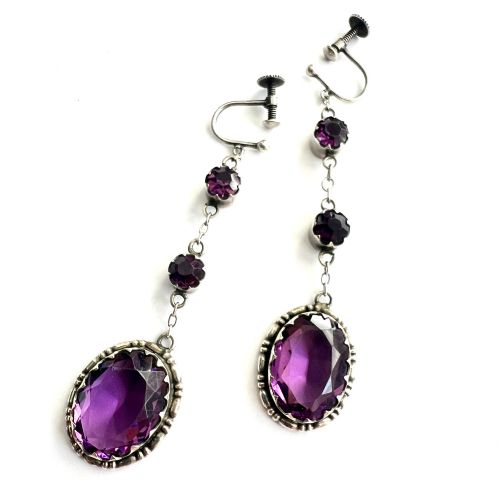
Earlier Georgian and Victorian pieces utilise hand-set paste stones in silver mounts, sometimes paired with steel filigree or faux pearls. Screwback and standard earring mechanisms appear alongside traditional brooch pins and buckle fasteners.
Shoe buckles once graced elegant footwear before finding new life as eccentric decorative brooches.
What varies in quality
Quality differences lie in the precision of the stone setting and the complexity of the metal framework. Hand-cut paste stones with crisp facets display a superior play of light compared to simpler moulded glass.
The sophistication of the design dictates the upper range, such as signed Jakob Bengel chrome and enamel work or intricate Georgian filigree. Lesser pieces rely on standard stamped metal with basic enamel or plain glass insertions.
Condition of the silver and security of the paste stones influence overall appeal. Intact enamel work and secure screwback or clasp mechanisms represent higher manufacturing standards.
Jakob Bengel
The Antique Silver Costume Jewellery Glossary
- Paste
- Hand-cut glass designed to imitate gemstones with high refractive brilliance. It forms the primary decorative element in many period pieces.
- Filigree
- Delicate openwork metal threads soldered together to form intricate patterns. It appears frequently in Georgian and nineteenth-century designs.
- Screwback
- An early mechanical earring fastening using a threaded screw to secure the piece without pierced ears. This mechanism is common in twentieth-century designs.
- Chromium
- A corrosion-resistant metal finish utilised extensively during the Art Deco period. It provides a bright, industrial sheen to bracelets and necklaces.
- Marcasite
- Small faceted pyrite stones set into silver mounts to provide a metallic sparkle. This material complements silver settings in various period brooches and earrings.
Antique Silver Costume Jewellery: Frequently Asked Questions
Are these pieces made of real silver?
Many items utilise silver alongside other materials like chrome, steel, and base metals. The metal content varies depending on whether the piece originates from the Georgian era or the Art Deco period.
Descriptions specify the primary metals used, distinguishing solid silver mounts from chromium frames and steel components.
How do I date antique paste jewellery?
Dating relies on stylistic markers such as Georgian filigree work, Victorian stone settings, and Art Deco geometric chromium designs. Materials like bakelite and specific screwback mechanisms also point to distinct decades.
Examining the construction methods and fastener types helps place an item within the nineteenth or twentieth century.
Can I wear these pieces every day?
Historic costume pieces require gentle handling due to their age and delicate paste settings. Items with screwback fastenings or delicate enamel work benefit from careful storage and occasional wear.
Avoiding moisture and harsh chemicals preserves the silver mounts and keeps the glass paste secure in its setting.
What is the difference between paste and glass?
Paste refers specifically to high-lead glass that has been hand-cut and polished to imitate fine gemstones. It differs from ordinary moulded glass through its brilliant facets and higher refractive index.
Jewellers set paste stones into silver or metal mounts just as they would precious rubies, sapphires, or diamonds.