



Antique Silver Cupping Bowl
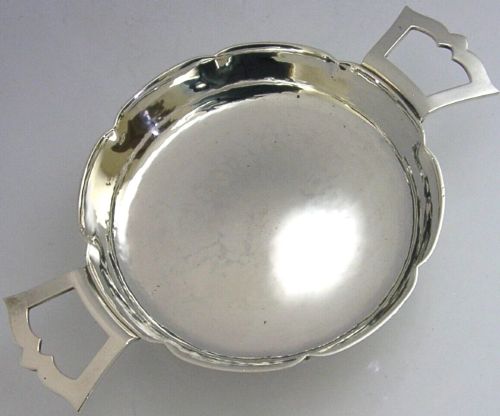
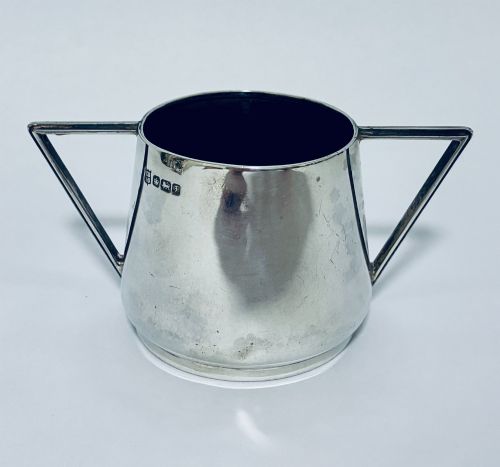
An antique silver cupping bowl brings functional medical history to the table, taking the form of low, twin-handled vessels crafted to measure blood.
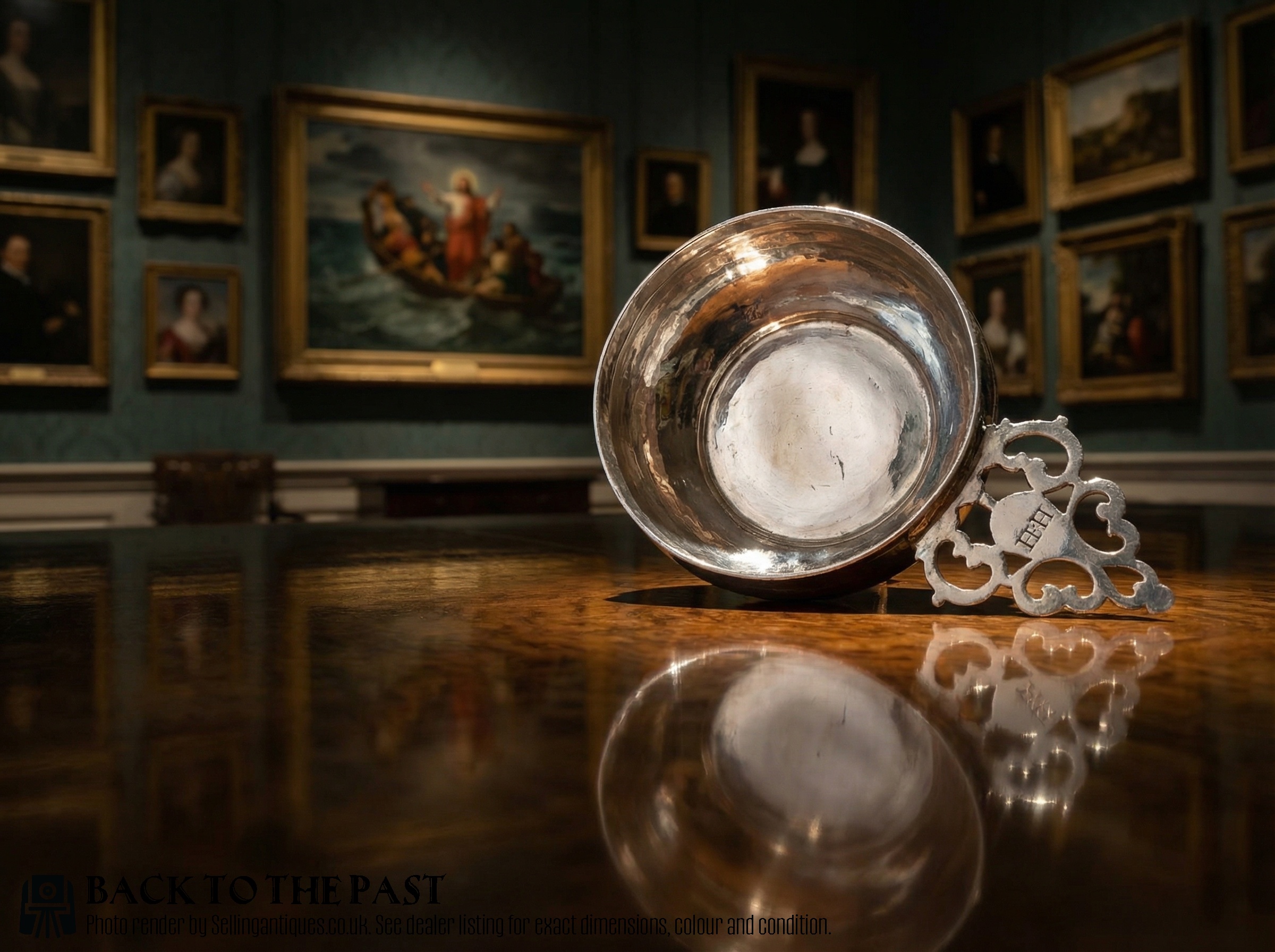
Antique Silver Cupping Bowl
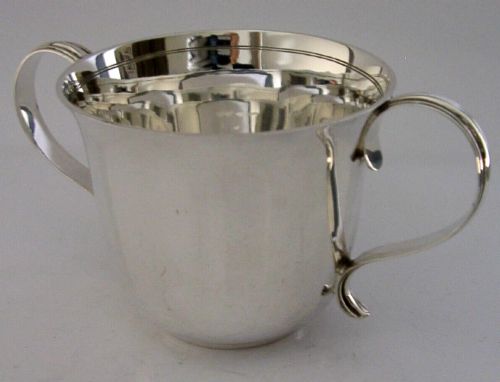
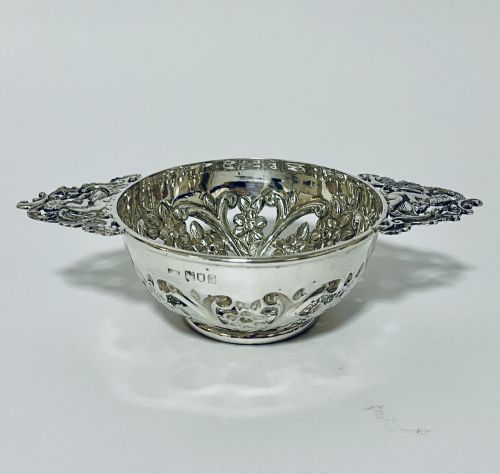
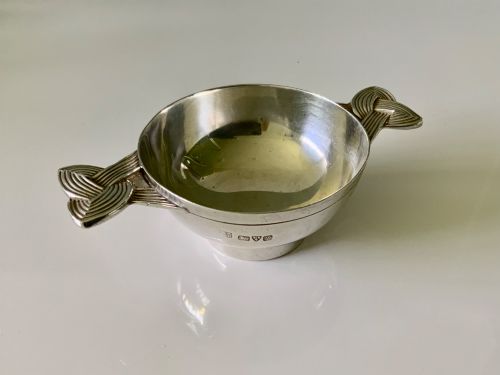
An antique silver cupping bowl encompasses historical bleeding vessels, porringers, wine tasters, and quaichs spanning from the seventeenth century through the Edwardian and Art Deco periods.
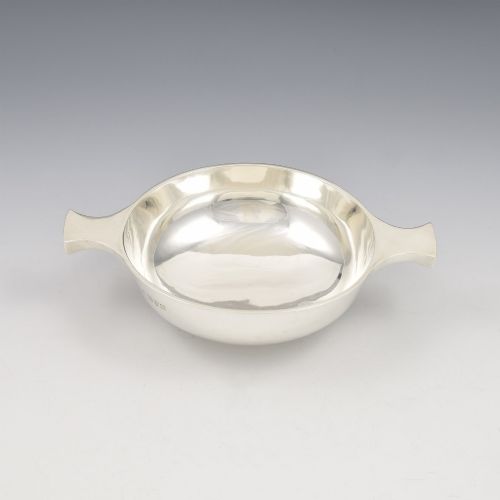
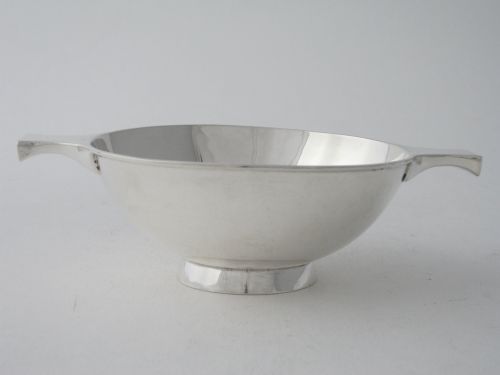
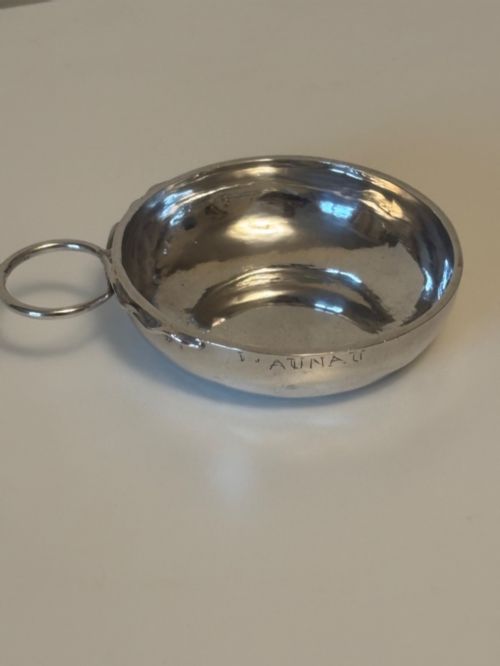
Buyers most frequently encounter twentieth-century sterling silver quaichs and porringers alongside nineteenth-century French wine tasters and earlier British bleeding bowls.
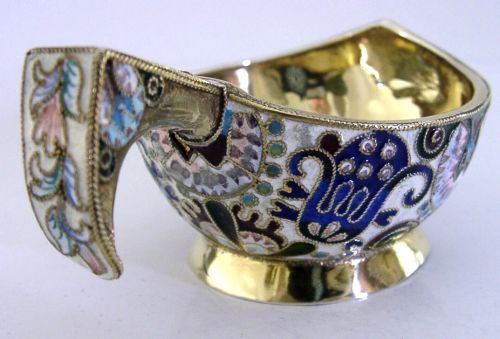
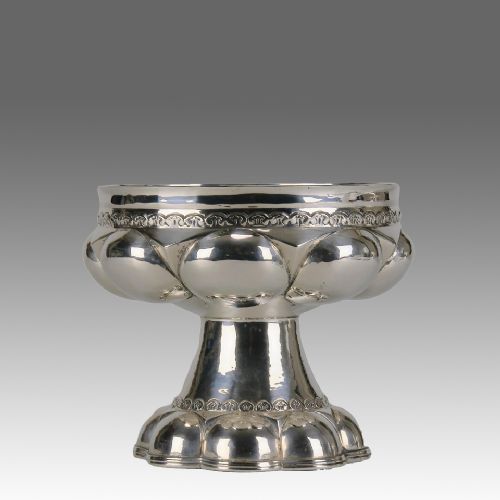
These vessels draw on diverse regional traditions, including Scottish two-handled drinking cups, Russian cloisonné enamel kovsh designs, and traditional English pedestal dishes.
Materials and Technique
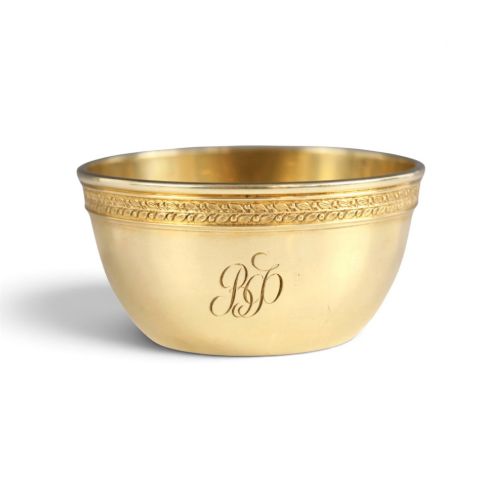
Maker techniques rely heavily on solid sterling silver, Britannia standard silver, and silver-gilt, often paired with contrasting interior gilding or vermeil finishes.
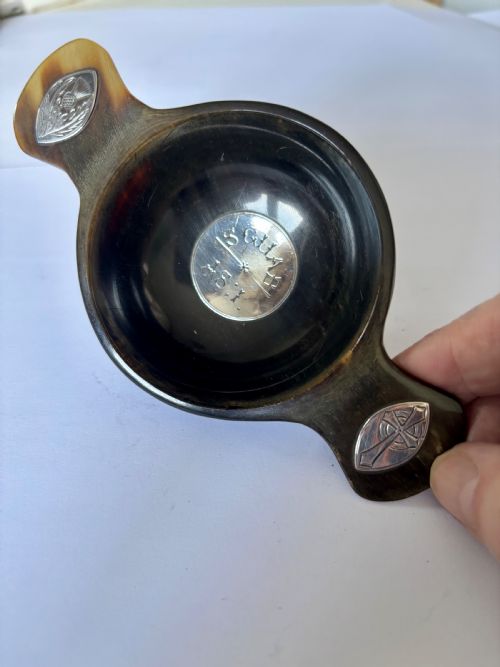
Surface decoration ranges from smooth planished finishes to intricate cloisonné enamel work, natural horn mounts, and cast figural elements.
Construction methods unite traditional hammering and hand-raising with applied twin handles, pedestals, and fitted covers.
Current listings feature pieces spanning the seventeenth century to the Art Deco period, utilising sterling silver, vermeil, cloisonné enamel, and natural horn.
Qualities of Distinction
Differentiation across the range depends on the crispness of maker punches, the integrity of planished surface textures, and the survival of original gilding.
Early seventeenth-century examples derive distinction from historical benchmark standards and untouched maker culls, whereas later pieces rely on balanced weight and clean modernist lines.
R E Stone·Nathan and Hayes·Fabergé·Mackay and Chisholm·Pierre Fournerot·William Padley
The Antique Silver Cupping Bowl Glossary
- Cupping bowl
- A shallow medical vessel historically used for bloodletting, featuring flat bases and symmetrical side handles for secure holding.
- Porringer
- A small, shallow two-handled bowl used for porage or broth, which shares a nearly identical form with early bleeding vessels.
- Quaich
- A traditional Scottish two-handled drinking vessel originating from wooden prototypes, adapted by silversmiths into handled silver bowls.
- Wine taster
- A small, shallow taste-vin bowl designed for sampling wine, frequently decorated with embossed repoussé dimples and serpents.
- Planished
- A metalworking finish achieved by hammering the surface with a round-headed hammer to create a faceted, shimmering texture.
Antique Silver Cupping Bowl: Frequently Asked Questions
What was an antique silver cupping bowl used for?
These shallow vessels served medical practitioners during bloodletting procedures to catch and measure blood extracted from patients.
Over time, many similar porringer and quaich shapes transitioned into domestic use for broth, christening gifts, or decorative table service.
How do you tell a cupping bowl from a porringer?
True medical bleeding bowls often feature graduated scale lines or specific capacity markings on the interior to measure fluid loss.
Porringers and quaichs generally omit these clinical indicators in favour of decorative handles or plain presentation surfaces.
Are these vessels made from solid silver?
Many examples are fashioned from sterling silver or higher Britannia standard metal, though items finished in silver-gilt, vermeil, or silver plate also appear.
Some unusual Scottish and continental variations incorporate natural horn bodies mounted with solid silver rims and handles.
How should I clean my silver bowl?
Maintenance requires gentle washing in warm soapy water with a soft cloth to protect antique patination and delicate gilt interiors.
Harsh abrasive dips and aggressive polishing pastes should be avoided to preserve original maker marks and planished tool textures.