

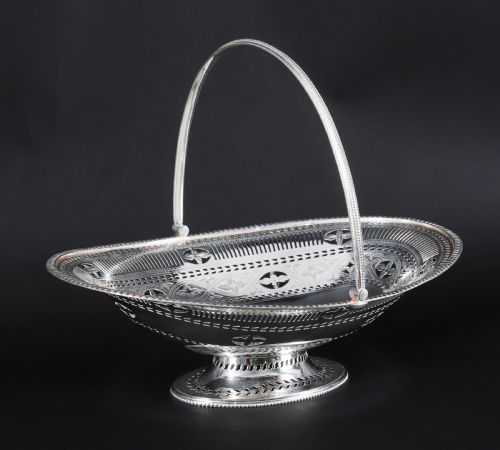


Antique Silver Cake Pedestal
An antique silver cake pedestal elevates your table spread with time-honoured craftsmanship, offering a raised platform designed to present pastries and fruit with understated elegance.
Antique Silver Cake Pedestal
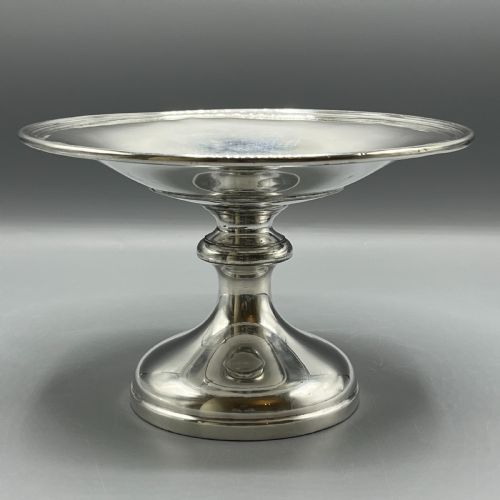
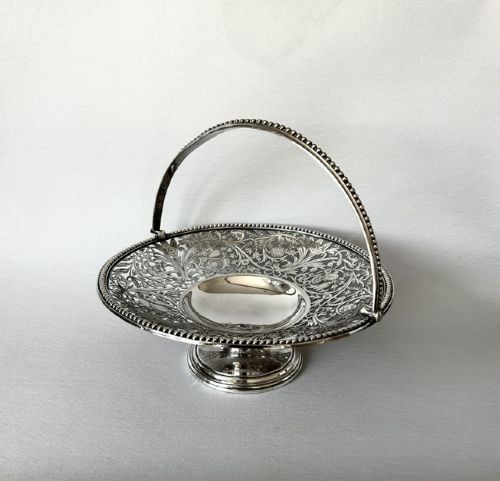
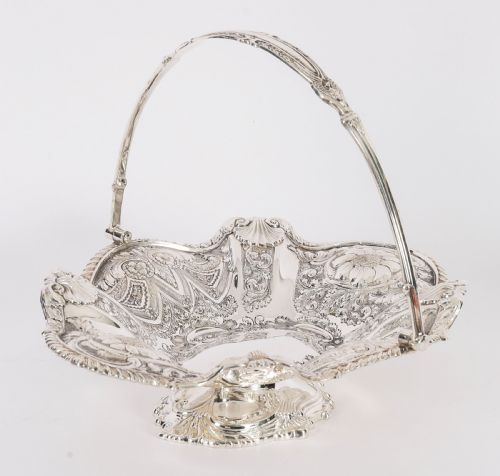
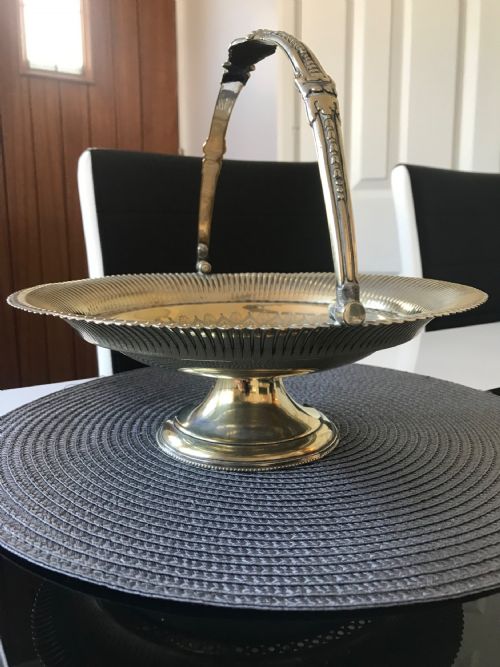
When you search for an antique silver cake pedestal, you find raised serveware designed to present baked goods and fruit at the centre of a table. The selections on this page span the nineteenth century into the Edwardian and Art Deco periods, encompassing various forms of silver baskets and tazzas.
Most items you meet here are silver plated or sterling silver pieces taking the form of cake stands, fruit baskets, and decorative centrepieces. Victorian and Edwardian examples predominate, often featuring elevated pedestals or loop handles suited for formal tea services and dining displays.
How they were made
Makers shaped these pedestals and baskets using sterling silver or through silver plating over base metals like electroplated nickel silver and brass. Silversmiths employed techniques such as piercing, fretwork, and lattice construction to create lightweight yet robust vessels.
Many items incorporate embossed detailing and cast mounts applied to the rims and feet. Workshops utilised specialised stamping and soldering methods to join the basket bowls securely to their supporting pedestals.
Antique Silver Cake Pedestal Retail Price Guide 2026
Typical asking prices for silver cake pedestal among the pieces listed under this phrase on Sellingantiques today, from the lower quarter to the upper quarter. They describe what is for sale here now, not the wider market.
What varies in quality
Quality in these pieces rests upon the crispness of the pierced or fretwork detailing and the structural integrity of the pedestal joint. Finer examples display deeply struck hallmarks and precise, hand-finished piercing rather than shallow machine stamping.
The weight of the metal and the preservation of the original silver plating or solid silver surface define the upper tier of the range. Substantial gauge metal ensures the pedestal supports weight without bending, while refined chasing demonstrates superior silversmithing.
George W. Scott & Sons Ltd·Mappin and Webb·Hammond, Creake and Co Sheffield·James Deakin and Sons Sheffield·James Dixon and Sons
The Antique Silver Cake Pedestal Glossary
- Sterling silver
- A silver alloy containing 92.5 percent pure silver and 7.5 percent other metals, usually copper, ensuring durability for tableware.
- Silver plate
- A thin layer of silver bonded to a base metal core, such as copper or nickel silver, providing the appearance of solid silver.
- Pierced work
- A decorative technique where metal is cut through to create openwork patterns, lattice designs, or geometric friezes.
- Tazza
- A shallow bowl or plate mounted on a stem and foot, commonly used for serving small cakes or fruit.
- Centrepiece
- A large ornamental object placed in the middle of a dining table for display during meals.
Antique Silver Cake Pedestal: Frequently Asked Questions
How were cake pedestals used?
These vessels served to elevate cakes, pastries, and fruit above the surface of the dining table during formal meals and afternoon tea.
Their elevated design improved visibility and allowed guests to reach folded napkins or confections easily among other table service items.
How do I clean an antique silver pedestal?
Maintenance requires gentle washing with warm water and mild soap, followed by thorough drying with a soft cloth to protect the metal finish.
Avoid harsh abrasive dips, particularly on silver plated items, to prevent wearing away the thin precious metal layer over the base metal.
How can I tell Victorian from Edwardian pieces?
Victorian examples often display heavier ornamentation, including ornate Rococo Revival curves or formal Neoclassical swags dating from the nineteenth century.
Edwardian pieces tend to feature lighter fretwork, delicate pierced lattice patterns, and simpler lines reflecting changing tastes around the turn of the twentieth century.
Can I use these for serving food today?
Most solid silver and silver plated pedestals remain suitable for presenting dry baked goods, fresh fruit, or wrapped confections during gatherings.
Ensure the surface is cleaned properly before use, and avoid placing highly acidic foods directly onto older plated metals for extended periods.