

Antique Silver Barrel
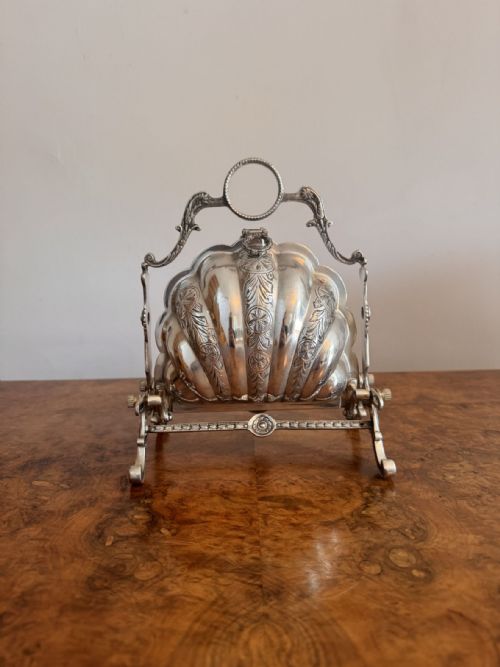
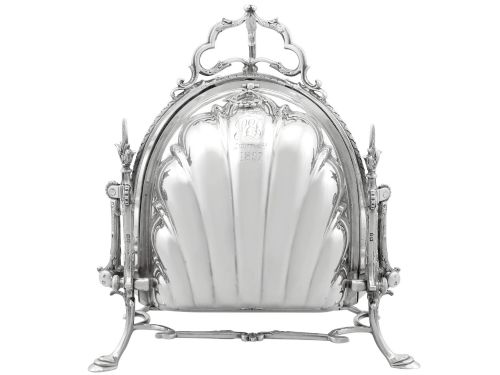
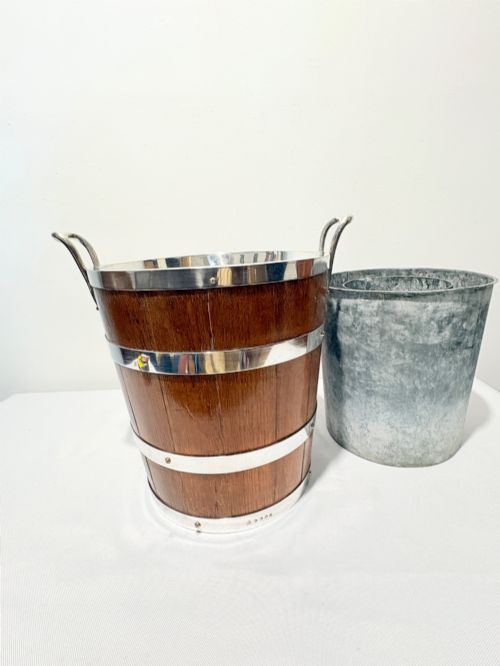
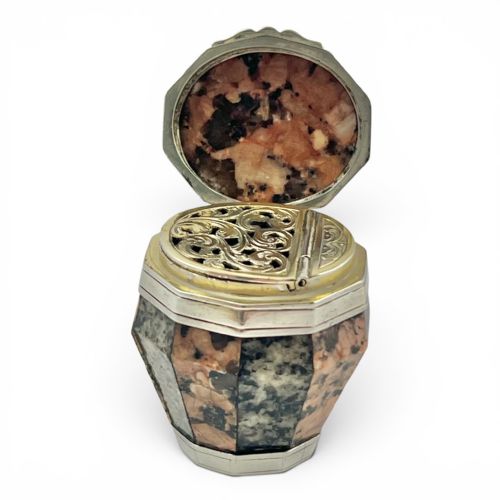
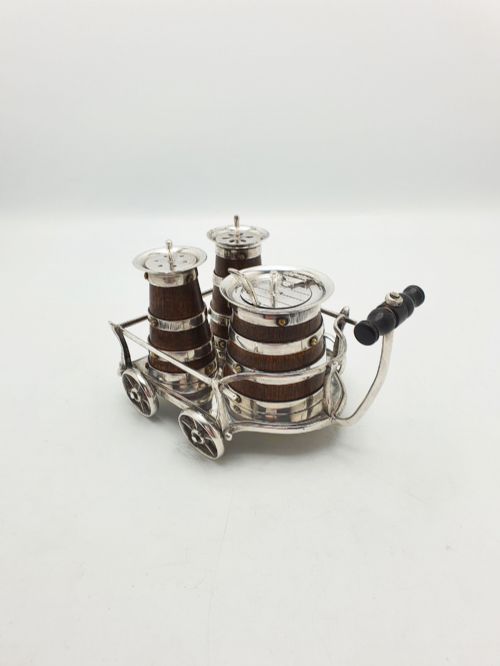
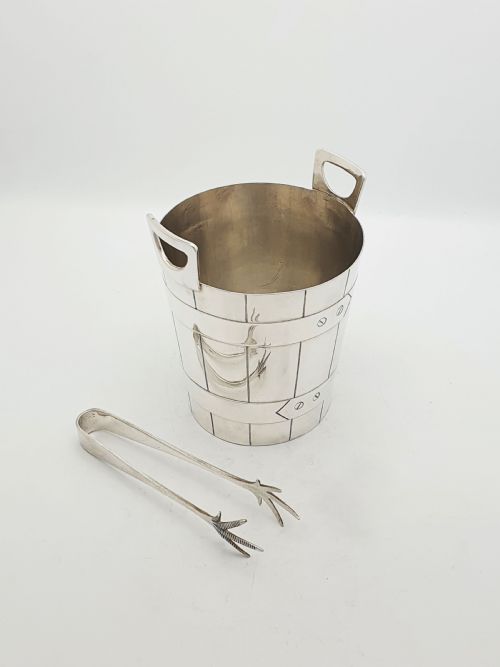
An antique silver barrel brings domestic elegance and purposeful utility to the table, taking the form of biscuit boxes, ice buckets, and distinctive firearms.
Antique Silver Barrel
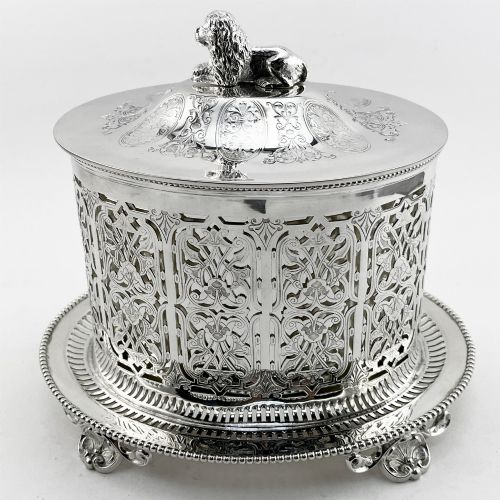
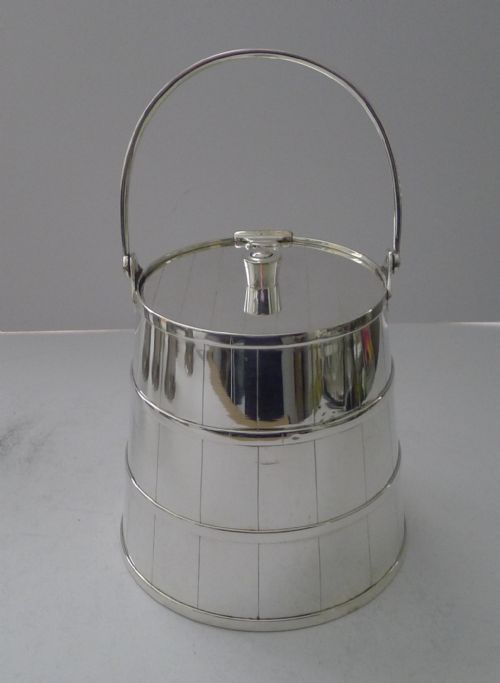
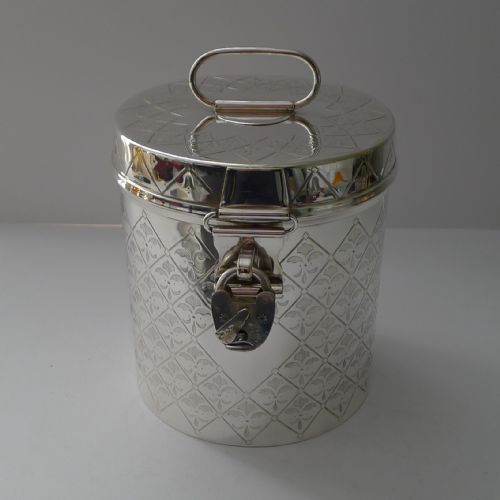
When you search for an antique silver barrel, you encounter a diverse group of items spanning tablewares and historic weaponry. The selection ranges from Victorian and Edwardian silver-plated biscuit boxes to Georgian flintlock pistols with canon or cast decorated barrels.
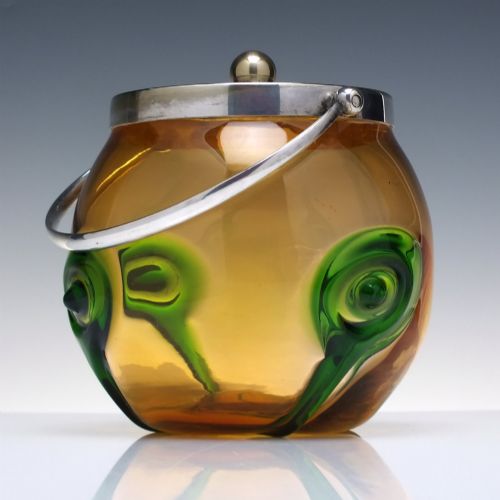
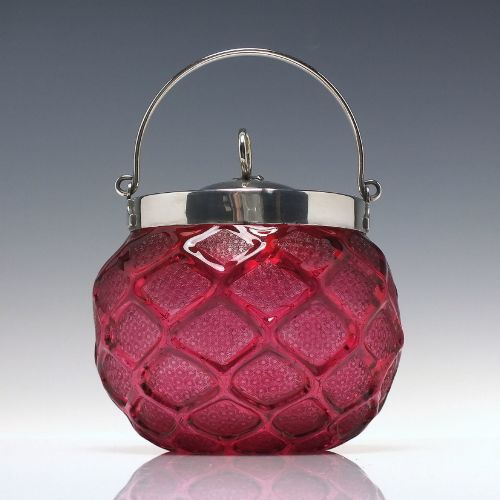
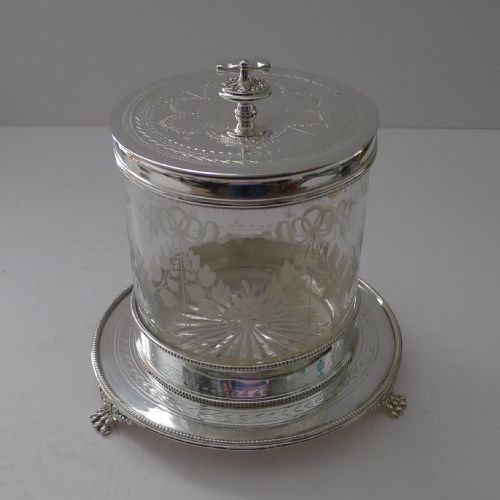
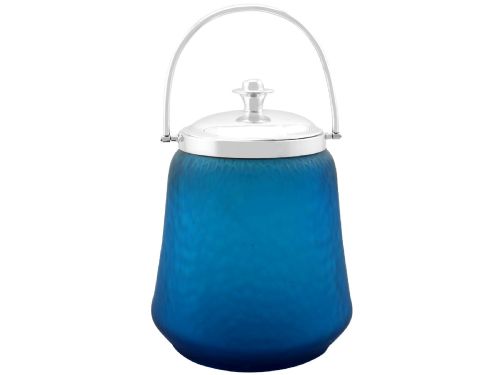
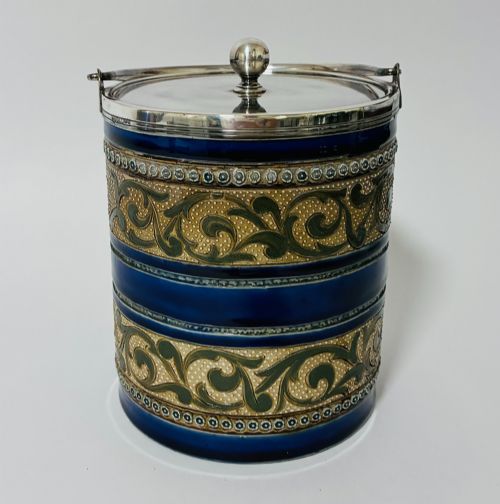
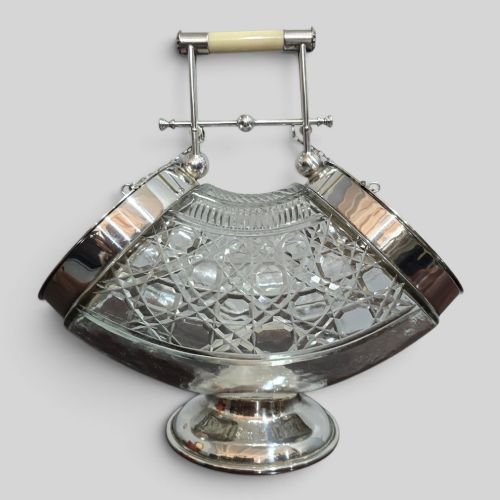
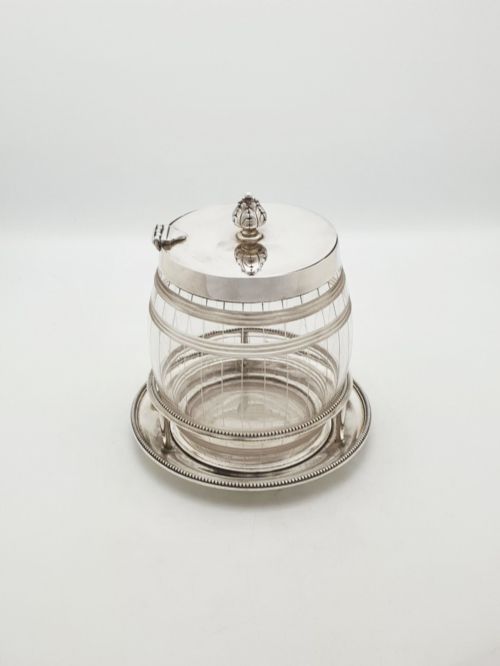
Tableware examples dominate the available forms, particularly ceramic and cut glass biscuit barrels housed in silver-plated mounts. These containers often feature swing handles, lids, and stands dating primarily from the nineteenth century.
The firearm category introduces an entirely different scale, encompassing eighteenth-century pocket and holster pistols featuring silver-wire inlay and distinct barrel shapes. These diverse objects share a cylindrical or barrel-form motif executed in silver, plate, and allied materials.
Materials and construction
The construction of these pieces relies on combinations of sterling silver, silver plate, oak, walnut, and cut glass. Metal mounts and frames secure ceramic bodies, such as Doulton Lambeth, Jasperware, and Crown Devon, within protective frameworks.
Firearms utilise forged steel barrels enhanced with cast decorative elements, gilt inlay, and silver-wire inlaid wooden stocks. Tablewares combine precision glass cutting, ceramic moulding, and plated metalwork to achieve durable domestic vessels.
Antique Silver Barrel Retail Price Guide 2026
Typical asking prices for silver barrel among the pieces listed under this phrase on Sellingantiques today, from the lower quarter to the upper quarter. They describe what is for sale here now, not the wider market.
Listings feature items spanning the eighteenth, nineteenth, and early twentieth centuries, incorporating materials from cranberry glass to solid walnut.
What separates the fine examples
Quality reveals itself in the crispness of casting, the depth of cut glass hobnails, and the integration of diverse materials. Maker attribution to notable firms such as Mappin and Webb or Walker & Hall adds distinction to plated wares.
The precision of silver-wire inlay on pistol grips and the intricacy of heraldic finials indicate higher execution standards. Intact liners, functional locking mechanisms, and clear hallmarks elevate individual pieces within their respective categories.
Mappin and Webb·Elkington·WMF·Robert and Belk·Walker and Hall·James Barber·R. Willoughby
The Antique Silver Barrel Glossary
- Biscuit barrel
- A covered container designed to hold dry biscuits at the dining table. These vessels became popular in the Victorian era and frequently incorporated ceramic bodies with silver-plated mounts.
- Canon barrel
- A rounded firearm barrel shaped like a cannon, featuring a stepped or flared muzzle. This style appears frequently on eighteenth-century pocket and holster pistols.
- Silver plate
- A base metal, often copper or Britannia metal, coated with a thin layer of silver. This technique allowed Victorian manufacturers to produce ornate tablewares at a more accessible scale than solid sterling.
- Jasperware
- A type of pottery developed by Wedgwood characterised by its unglazed matte finish and applied white reliefs. Examples frequently served as the ceramic bodies for nineteenth-century biscuit containers.
- Silver-wire inlay
- A decorative technique where fine strands of silver are embedded into channels carved within wood or metal. This method adorns the grips and stocks of antique flintlock pistols.
Antique Silver Barrel: Frequently Asked Questions
How were biscuit barrels used?
These containers rested on the dining or drawing-room table during afternoon tea and formal dinners to serve biscuits and dry sweets.
Servants or hosts would lift the plated lid to offer guests refreshments, keeping the contents fresh within glass or ceramic liners.
What is the difference between silver plate and sterling?
Sterling silver is a solid precious metal alloy containing a fixed proportion of pure silver and other metals, marked with official assay stamps.
Silver plate consists of a secondary metal core coated with a thin outer layer of silver, a method widely utilised by nineteenth-century manufacturers.
How do I date an antique barrel pistol?
Dating relies on mechanical characteristics, proof marks, and stylistic indicators such as the shape of the stock and butt cap.
Maker signatures engraved on the lockplate provide additional documentary evidence to narrow the period of manufacture.
Can I use an antique biscuit barrel daily?
These containers function adequately for holding dry foods provided the interior ceramic or glass liners remain clean and sound.
Gentle hand washing protects the silver-plated mounts and delicate ceramic bodies from modern dishwasher detergents.