


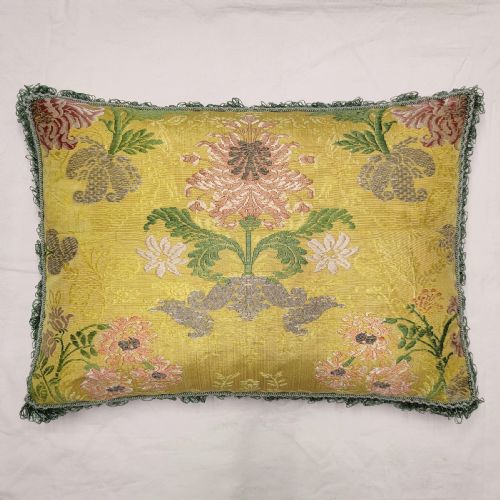


Antique Silk Textile Throw
An antique silk textile throw brings rich Central Asian and European craftsmanship into a room, offering tactile warmth and historic pattern.
Antique Silk Textile Throw
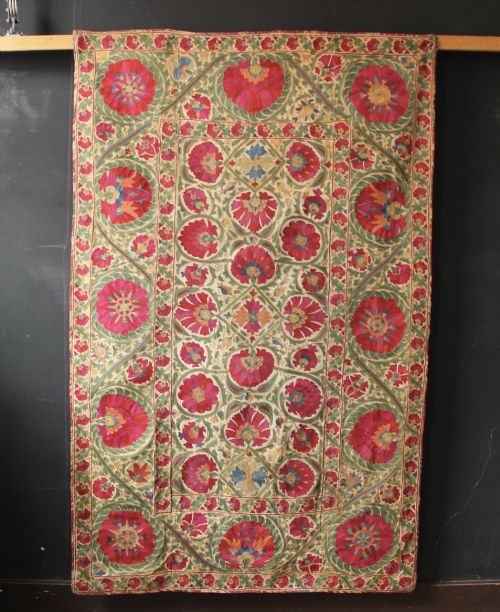
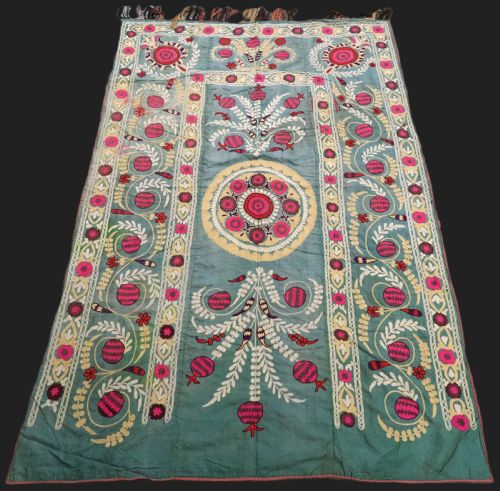
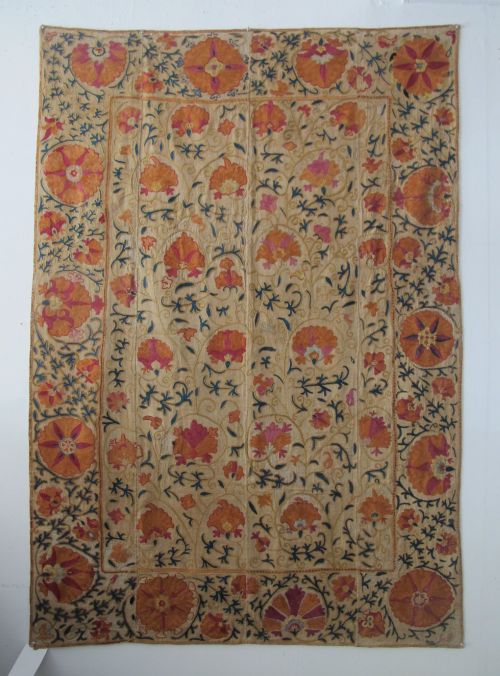
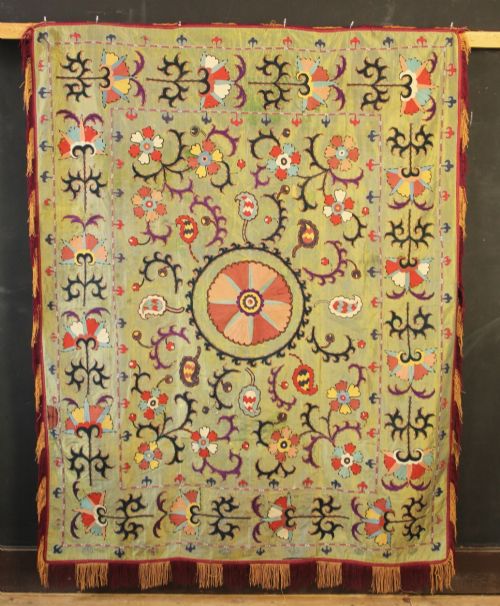
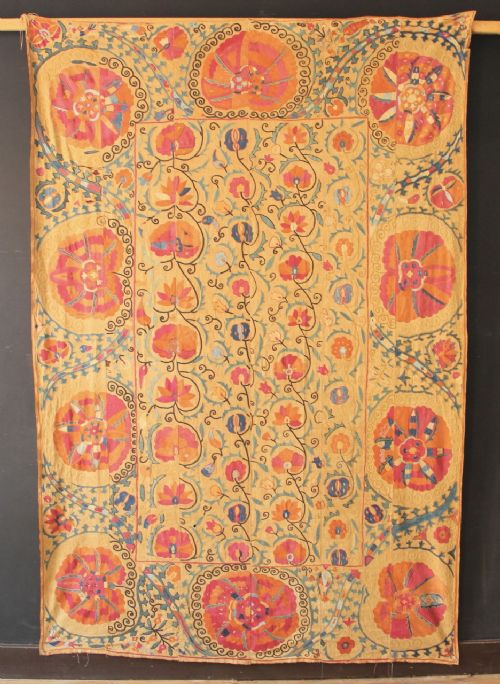
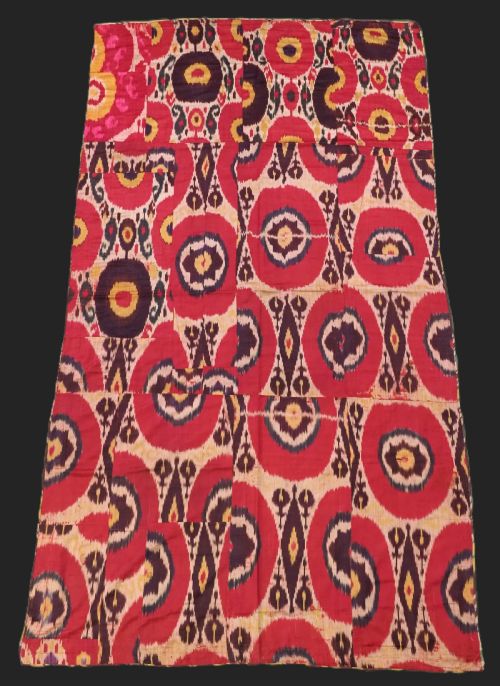
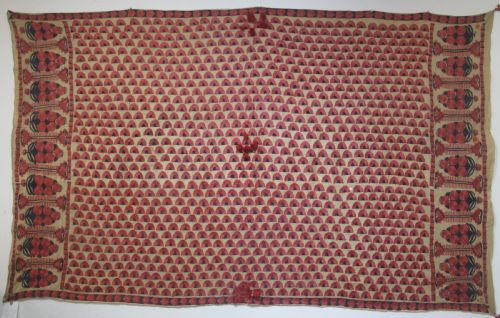
An antique silk textile throw encompasses richly embroidered Central Asian suzanis, vibrant Uzbek ikat panels, and decorative European silk cushions from the seventeenth to the early twentieth century. These textiles served traditionally as bed covers, wall hangings, and ceremonial hangings before finding new life as decorative interior throws.
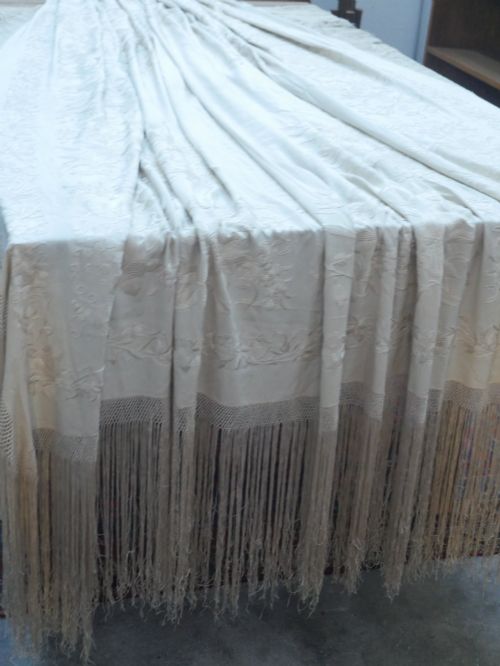
Buyers browsing this selection will most frequently encounter nineteenth and early twentieth century Uzbek suzanis alongside French silk cushions and silk piano shawls. The Central Asian pieces display bold medallion layouts, floral motifs, and tribal variants created across regional centres such as Bukhara, Tashkent, and Samarkand.
How they were made
Maker communities worked fine silk thread by hand, applying dense embroidery stitches directly onto woven foundations of cotton, wool, velvet, or mixed adras silk and cotton grounds. Needlework traditions relied upon specialised local methods, resulting in textured surfaces where individual stitches create dense, sculptural patterns.
Ikat panels required meticulous resist-dyeing of warp threads before weaving, a precise technique that produced characteristic blurred edges along geometric and floral designs. Artisans then assembled these panels or embroidered textiles into substantial decorative covers, occasionally finishing edges with fabric fringe.
Materials across this selection include velvet, wool, adras, and fabric fringe alongside primary silk grounds.
What varies in quality
Quality separates through the density of the needlework and the complexity of the design layout, with full-work suzanis displaying significantly more hand labour than nim suzanis or partial panels. The visual impact depends heavily on the vibrancy of the original dyed silk threads and how well the primary ground fabric retains its structural integrity.
Regional distinction and execution fineness also dictate the upper tiers of the range, particularly pieces attributed to specific groups like the Lakai tribe or urban workshops in Tashkent and Bukhara. Strong colour saturation and well-balanced medallion structures elevate certain examples well above standard decorative pieces.
The Antique Silk Textile Throw Glossary
- Suzani
- An embroidered Central Asian hanging or cover worked in silk thread on a cotton, wool, or silk ground. The word derives from the Persian term for needle.
- Ikat
- A dyeing technique where yarn bundles are resist-dyed prior to weaving to create intricate patterned fabrics. The process produces signature soft, feather-like boundaries along the motifs.
- Nim Suzani
- A smaller or half-embroidered version of a standard suzani textile. These pieces feature less dense overall needlework than full-work equivalents.
- Adras
- A traditional Central Asian mixed fabric woven from silk and cotton warps and wefts. This hybrid material provided a sturdy yet lustrous base for heavy embroidery.
- Palak
- A large Central Asian suzani type distinguished by a dominant central star motif and fully covered embroidered background. These grand panels represent some of the most elaborate regional needlework.
Antique Silk Textile Throw: Frequently Asked Questions
How do I style a suzani throw?
Drape these substantial textile panels across the back of a sofa or lay them flat over a bed to let the central medallions and embroidered borders remain visible. Their rich palette and intricate needlework work effectively as soft furnishings or when mounted carefully as wall hangings.
Ensure the textile is kept away from direct sunlight to protect natural silk dyes from fading over time. Pairing them with neutral interior elements allows the historical patterns to act as the primary focal point.
Can these antique textiles be used daily?
These pieces function well as decorative interior throws in areas with moderate foot traffic and gentle handling. Their historic construction requires thoughtful placement rather than heavy everyday wear.
Positioning them on guest beds or formal seating areas minimises physical stress on the antique silk threads and woven foundations. Regular gentle shaking helps remove dust without resorting to abrasive cleaning methods.
What is the difference between a suzani and an ikat?
A suzani is a textile defined by hand embroidery stitched onto a woven ground fabric, creating a textured and raised surface. Artisans build the design stitch by stitch using coloured silk threads.
An ikat is a woven textile where the pattern is dyed directly onto the threads before the weaving process begins. This technique produces flat patterned cloth with characteristic hazy outlines along the colour boundaries.
How do I identify a Lakai piece?
Lakai textiles originate from nomadic Uzbek tribal groups and typically feature smaller, highly graphic geometric motifs rather than expansive floral sprays. The embroidery often employs bold, unconventional colour combinations on contrasting wool or cotton grounds.
These works possess a spontaneous artistic energy that distinguishes them from more formal urban workshop productions found in centres like Tashkent or Bukhara.