
Antique Silk Textile Art
Antique silk textile art brings centuries of hand needlework, weaving, and global craftsmanship into a room through framed panels, wall hangings, and tapestries.
Antique Silk Textile Art
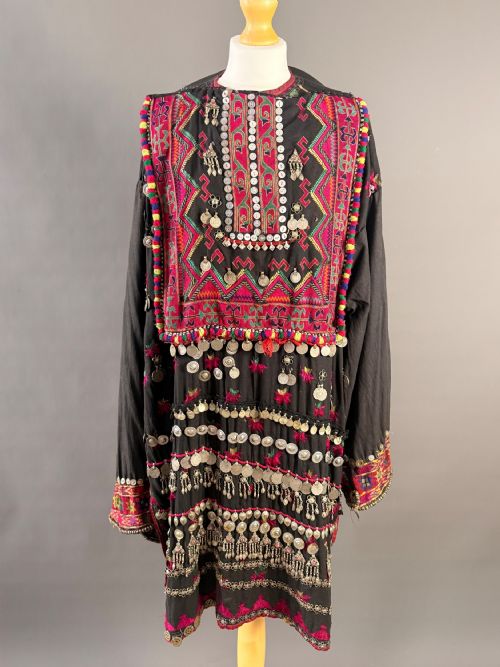
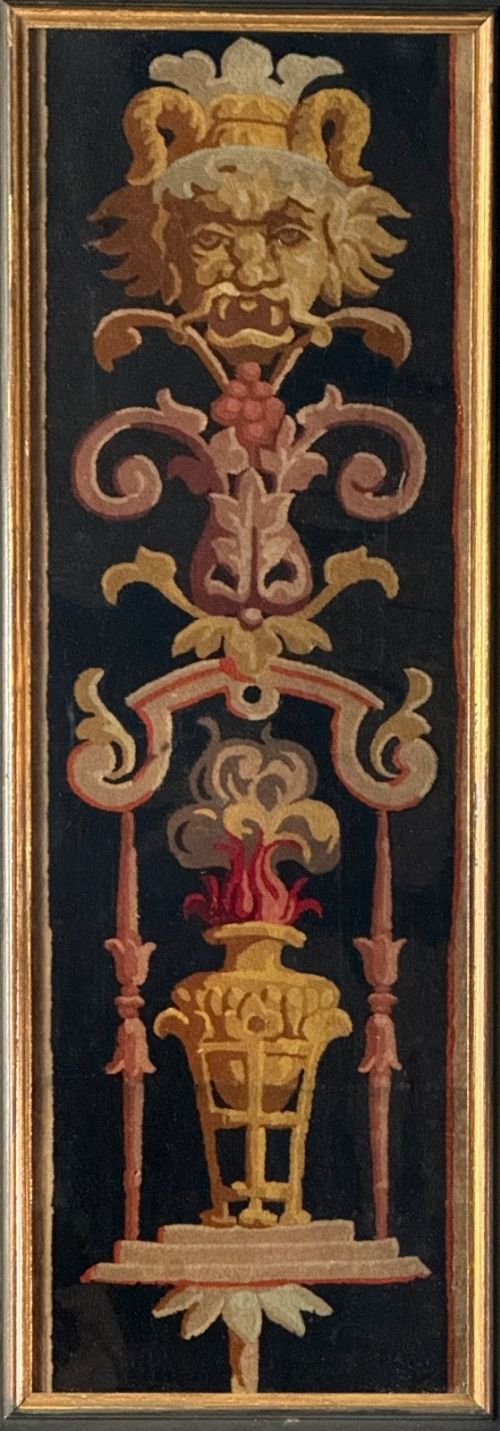
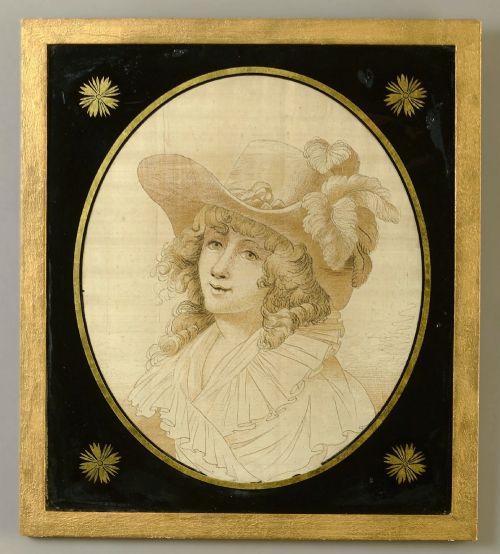
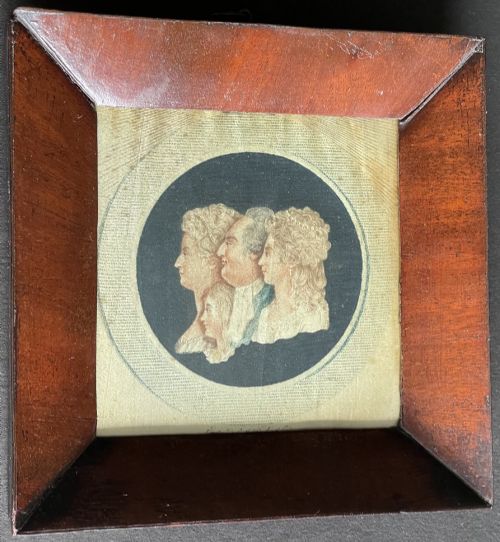
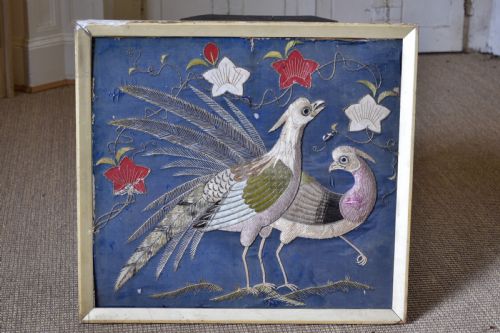
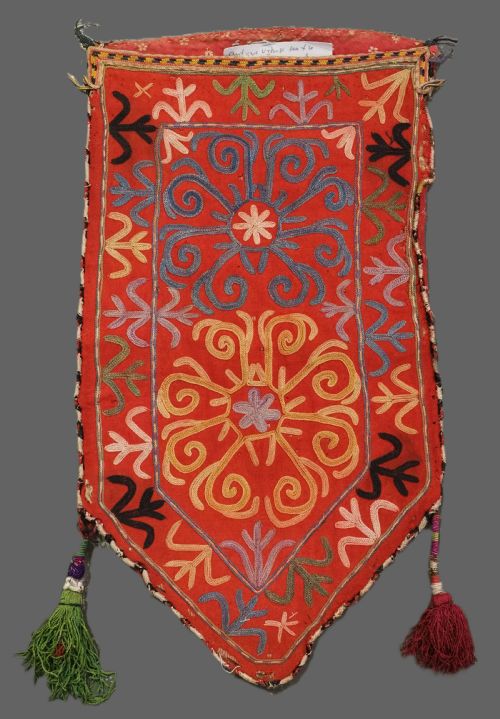
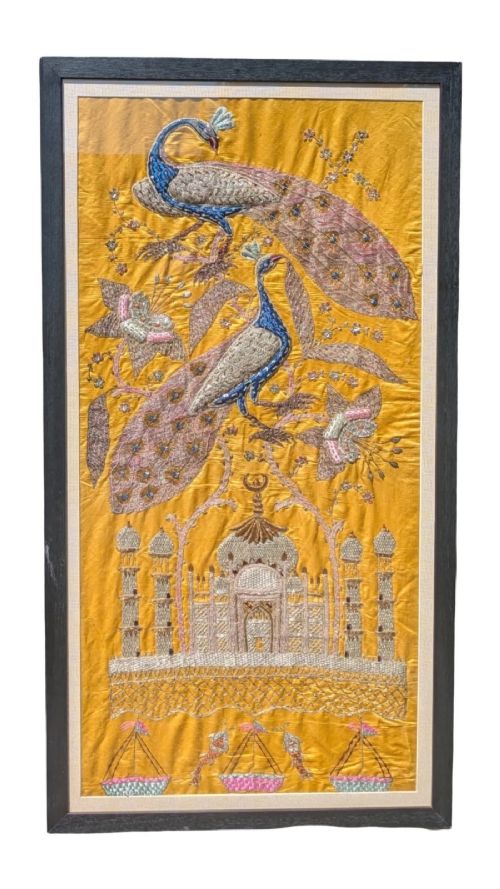
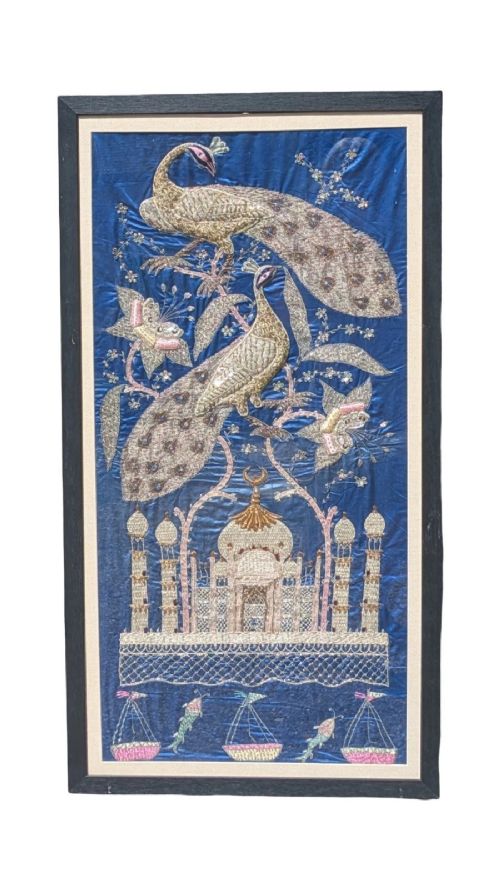
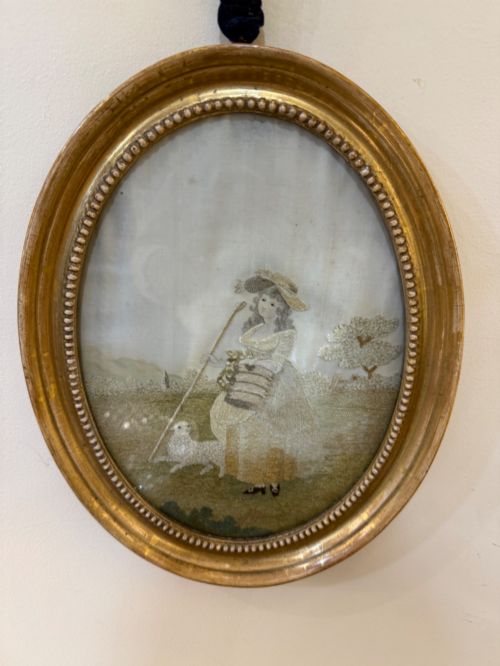
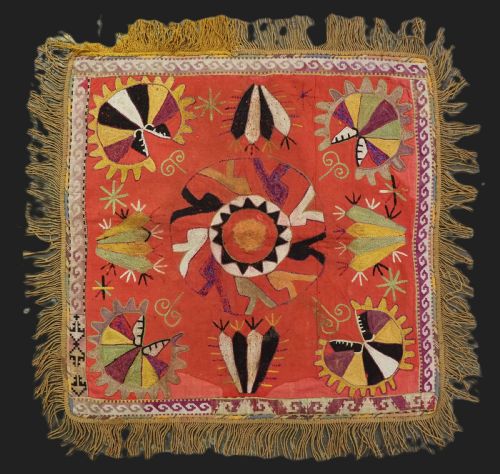
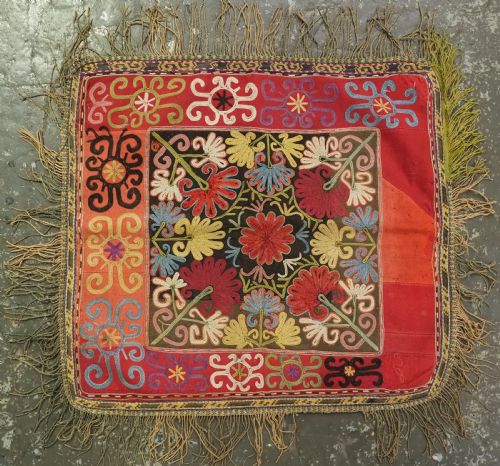
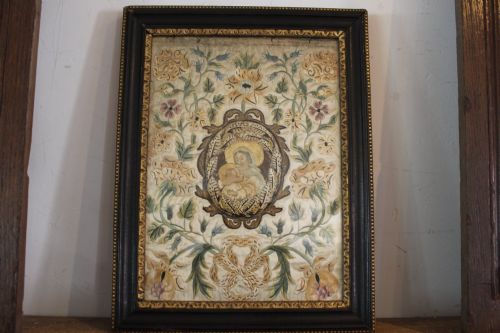
When you search for antique silk textile art, you encounter a diverse range of historic needlework, woven panels, and wall hangings spanning multiple centuries. The selection includes 17th century stumpwork panels, Georgian needlework and samplers, 19th century Uzbek Suzanis and tribalilgich pieces, and framed Chinese embroideries.
The most common forms on this page are wall hangings, framed panels, tapestries, and dowry embroideries. Pieces originate from diverse traditions such as Central Asian tribal workshops, English needlework schools, French ateliers, and Chinese textile traditions.
Many works incorporate specialised formats like rank badges, ceremonial saddle covers, and printed silk pictures. Each object reflects the decorative tastes and textile techniques of its specific period and origin.
Factors that define quality
Quality rests in the precision of the needlework, the complexity of the design, and the condition of the delicate silk fibres. Finely executed stitching and intricate pictorial details distinguish superior examples.
The survival of original materials, including metallic threads and hand-painted elements under glass, influences the standing of a piece. Authenticity of period context and the integrity of the textile mounting also separate standard examples from exceptional ones.
Listings feature periods spanning from the 16th century through the 19th century, incorporating Georgian, Regency, and Victorian examples.
Stevens of Coventry
The Antique Silk Textile Art Glossary
- Suzani
- A type of embroidered and decorative tribal textile from Central Asia, often worked with silk on a cotton or linen foundation.
- Stumpwork
- A raised embroidery style popular in the 17th century that uses padding and wire to create three-dimensional figures and motifs.
- Sampler
- A piece of needlework produced by individuals to demonstrate skill in various stitches, frequently including alphabets, maps, or pictorial scenes.
- Rank badge
- A square embroidered patch worn on official robes in imperial China to designate the social standing of the wearer.
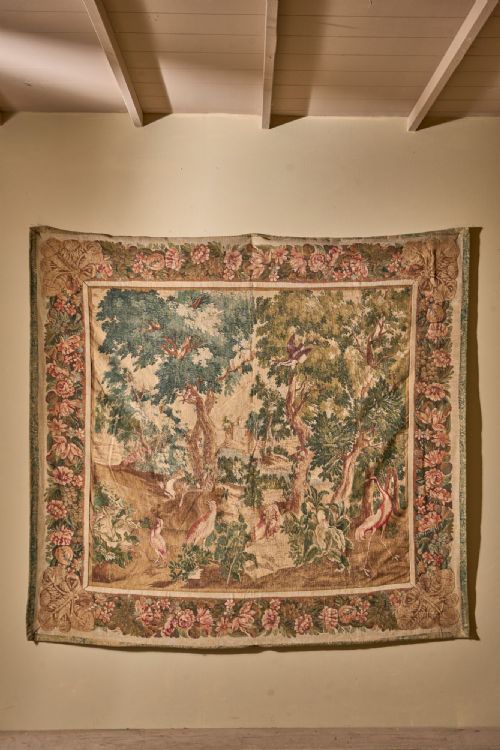
- Verdure tapestry
- A wall tapestry woven with a dominant landscape motif featuring trees, foliage, and plants, typically originating in European workshops.
Antique Silk Textile Art: Frequently Asked Questions
How do I hang antique textiles safely?
Protect delicate silk and embroidery from direct sunlight to prevent fading and fibre degradation. Mount pieces using archival methods that distribute weight evenly across the backing rather than hanging them entirely by suspension loops.
Keep textiles away from high moisture areas and fluctuating temperatures. Consult a professional textile conservator if mounting large tapestries or fragile tribal embroideries.
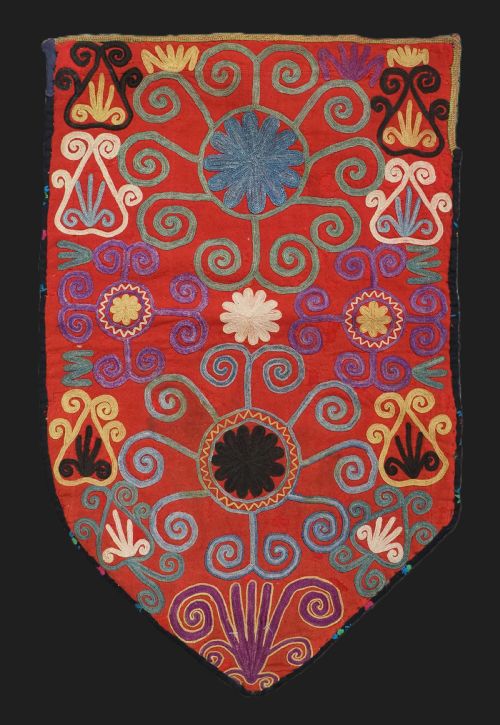
What is an ilgich?
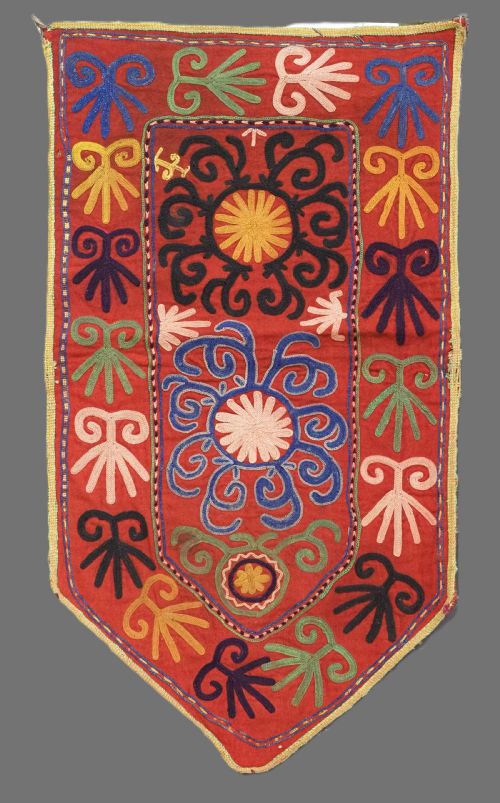
An ilgich is a traditional embroidered dowry hanging produced by the Lakai tribe in Central Asia. These pieces feature geometric and symbolic motifs worked in vibrant silk floss.
They were originally created as part of a bride's dowry and displayed within nomadic dwellings. Today, they function as striking wall art due to their bold patterns and rich colour palettes.
How do I date a silk embroidery?
Examine the style of the figures, clothing, and motifs, as these often align with specific periods like the Georgian era or the 17th century. Material analysis of the silk threads, backing fabrics, and framing techniques also provides clues to the century of origin.
Compare the stitching technique and design layout with documented examples from known cultural traditions. Expert appraisal helps confirm whether a piece dates to the 18th century or later periods.
Are framed silk panels fragile?
Historic silk textiles require careful handling because aged fibres lose tensile strength over centuries. Framing under glass protects the delicate surface from dust and physical contact.
Avoid placing framed pieces in areas prone to heavy vibrations or damp conditions. Proper framing with conservation-grade materials ensures the textile remains stable for display.