



Silk Needlework Wall Art
Silk needlework wall art brings centuries of hand-stitched craft into modern rooms, offering textured portraits, vivid birds, and tribal panels ready to hang.
Silk Needlework Wall Art
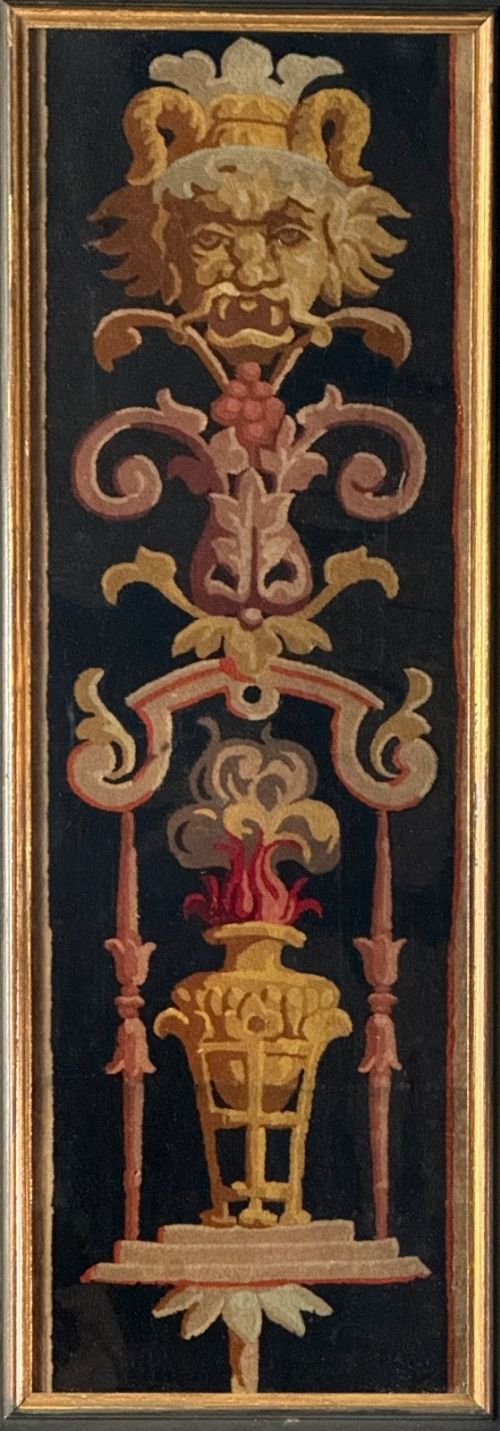
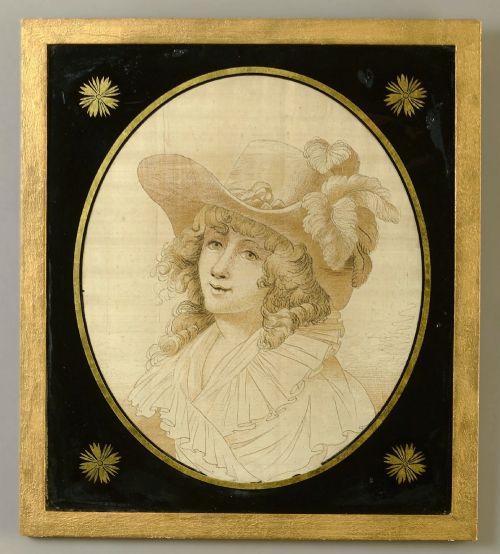
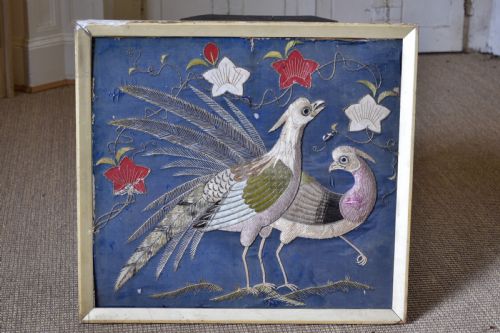
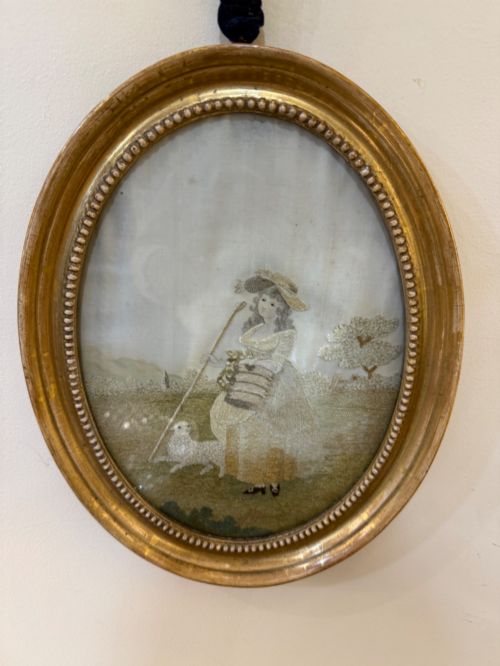
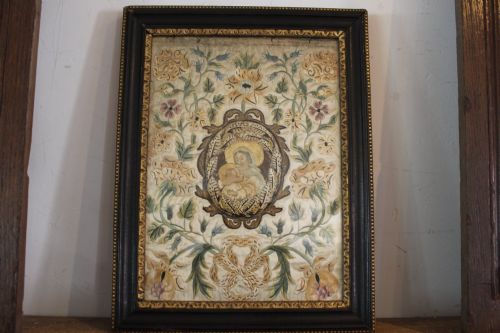
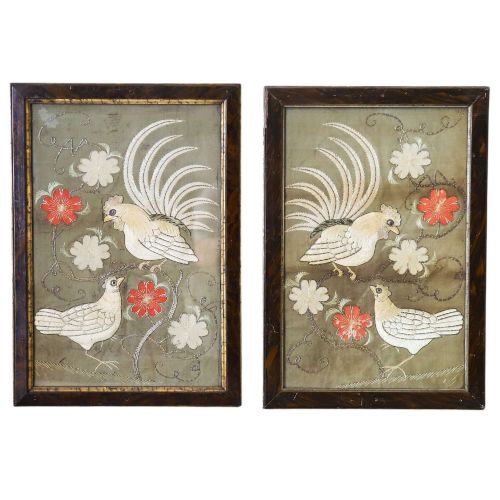
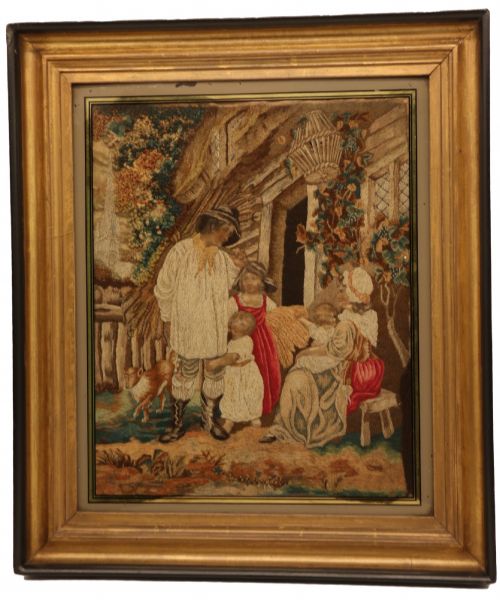
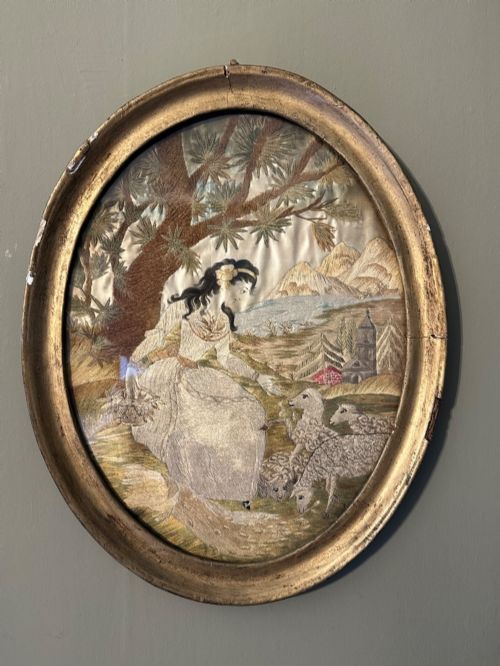
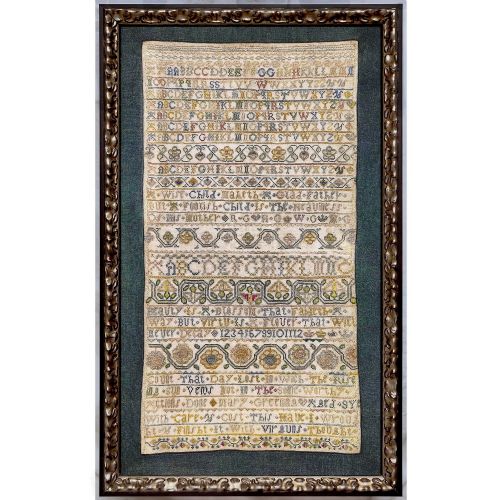
Silk needlework wall art spans framed pictorial scenes, band samplers, and large tribal textiles originating from the seventeenth century through to the early twentieth century. Buyers encounter English pastoral pictures, Central Asian Suzanis, and French bird studies framed behind glass in period wood or gilt mouldings.
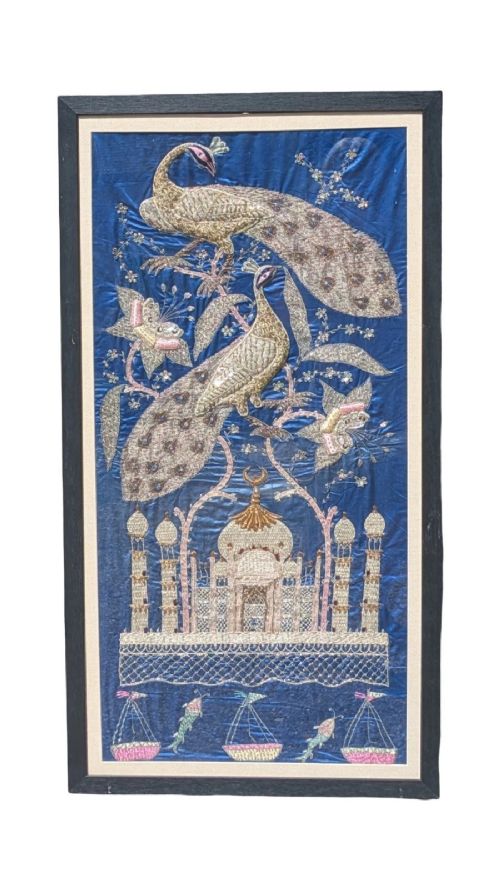
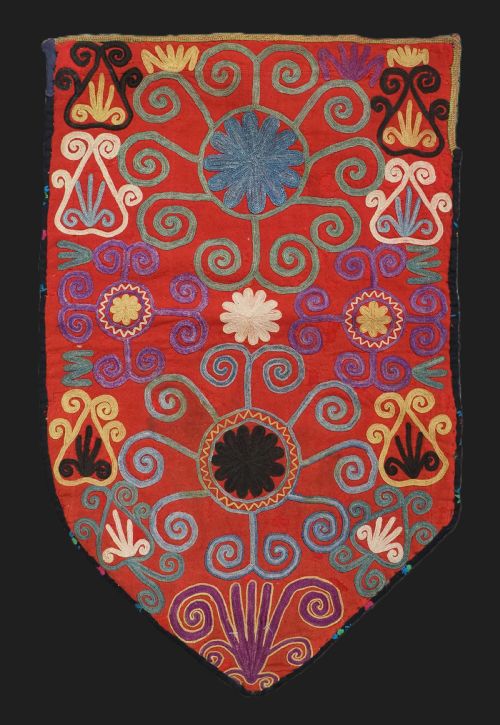
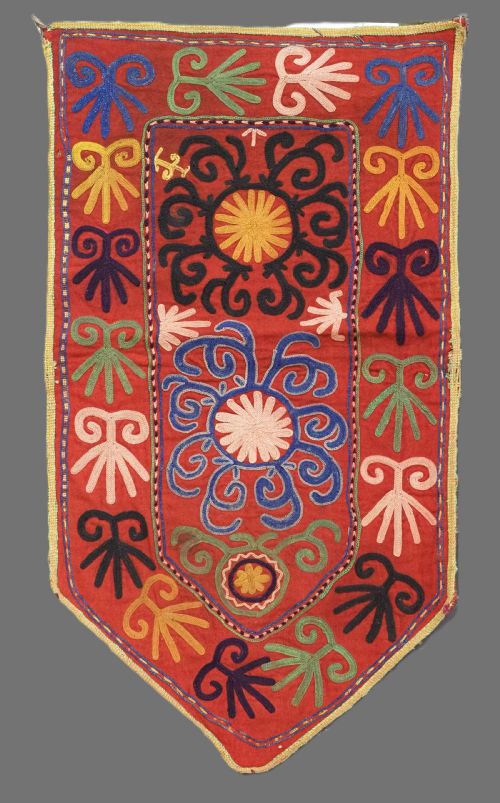
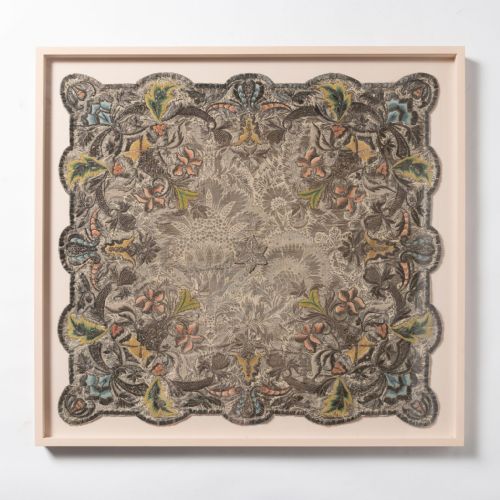
The domestic English items include needlework samplers and hand-painted silk pictures alongside Stuart stumpwork depicting historical figures. Meanwhile, international examples provide striking contrast through Central Asian Lakai tribe horse covers and Persian Rasht embroidery worked on felt grounds.
Domestic and regional pieces share a foundation in textile art, often mounted as wall hangings or framed panel pictures. The selection on this page leans heavily into nineteenth-century British needlework and traditional Central Asian embroideries.
How they were made
Framing methods protect these delicate surfaces using wood, giltwood, or faux tortoiseshell frames enclosing glass panels, with specific pieces utilising verre églomisé techniques. Tribal wall hangings and Suzanis are constructed from heavy textiles designed to function as ceremonial covers or domestic wall decorations.
Stitchers included domestic makers recording fairy tales like Jack and the Beanstalk alongside traditional pastoral farming scenes.
What varies in quality
Quality rests in the precision of the stitch work, the complexity of the design, and the survival condition of the delicate silk threads. Pieces executed in fine silk floss with intricate detail and secure mounting represent the upper tier of the range.
The integrity of the original frame and the preservation of the textile ground also determine overall standard. Strong colour retention in the threads and minimal degradation of the silk distinguish superior examples from heavily worn specimens.
The Silk Needlework Wall Art Glossary
- Stumpwork
- A raised embroidery style popular in the seventeenth century that utilises padding over wooden moulds or wire foundations to create three-dimensional figures.
- Suzani
- A type of embroidered tribal textile originating from Central Asia, typically featuring bold floral motifs worked in silk on a cotton or linen ground.
- Verre Églomisé
- A process of applying gold leaf and painting on the reverse side of glass, frequently used for decorative borders on historical picture frames.
- Sampler
- A piece of needlework produced to demonstrate proficiency in various stitches and alphabets, often including names and dates by the maker.
- Applique
- A needlework technique where smaller pieces of fabric, such as felt or silk, are stitched onto a larger foundational ground to form a pattern.
Silk Needlework Wall Art: Frequently Asked Questions
How do I hang silk needlework safely?
Mount these textiles away from direct sunlight to prevent the silk threads from fading and the ground fabrics from degrading. Use stable wall fixings that support the weight of the frame without transmitting vibrations to the delicate stitches inside.
Keep pieces clear of damp areas and fluctuating heat sources to protect organic materials like wool, cotton, and linen. Professional framing with UV-filtering glass ensures the textile remains secure against atmospheric dust.
What is a Suzani?
A Suzani is a large embroidered textile created in Central Asia, traditionally used as part of a bride's dowry or as a domestic wall hanging. These pieces display large-scale floral designs worked in vibrant silk thread.
Artisans stitch these panels on cotton or linen foundations, often joining multiple strips together. They serve as dramatic focal points when mounted on interior walls.
How do I date a needlework picture?
Examine the style of the figures, the framing materials, and any inscribed dates or makers' names included within the composition. Seventeenth-century examples often feature raised stumpwork and formal portraiture, while Georgian and Regency pieces favour pastoral scenes and detailed samplers.
Material analysis provides further clues, as nineteenth-century works frequently incorporate machine-spun threads or specific glass framing styles. Comparing the stitch density against known historical examples confirms the period of production.