


Antique Silk Panel
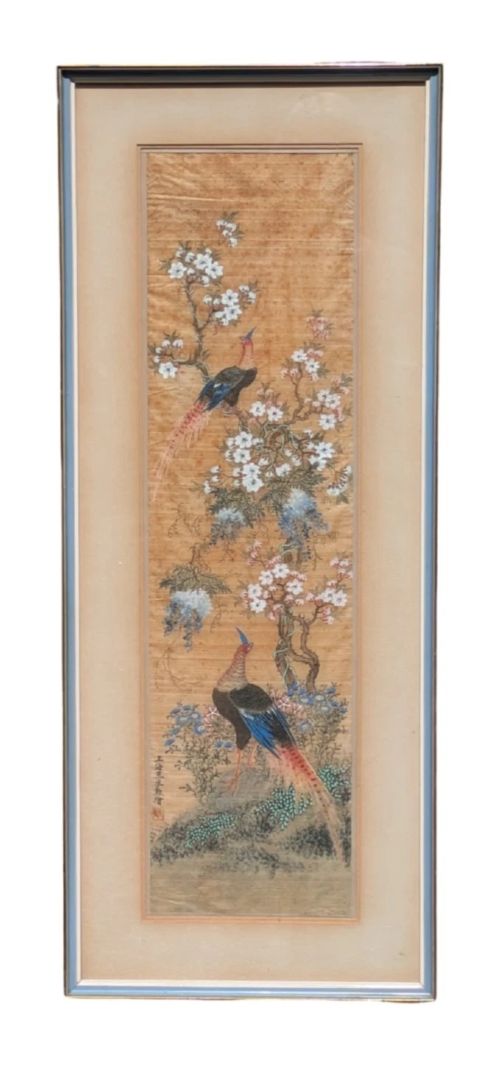
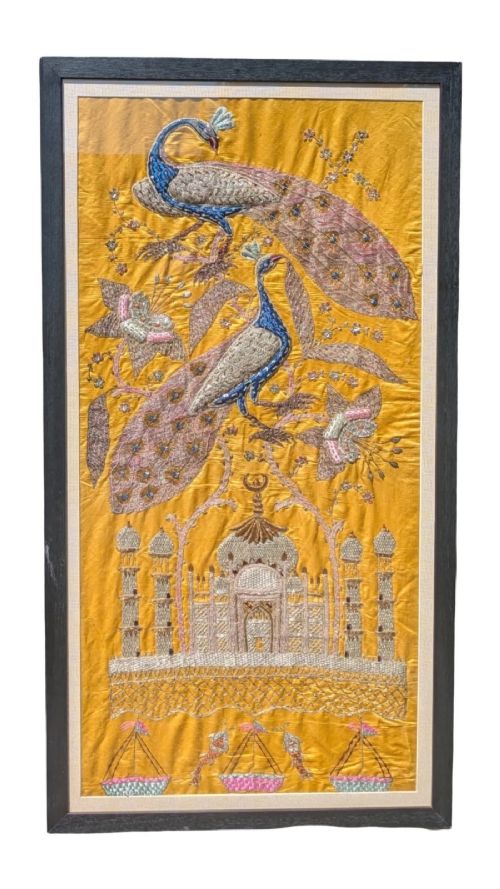
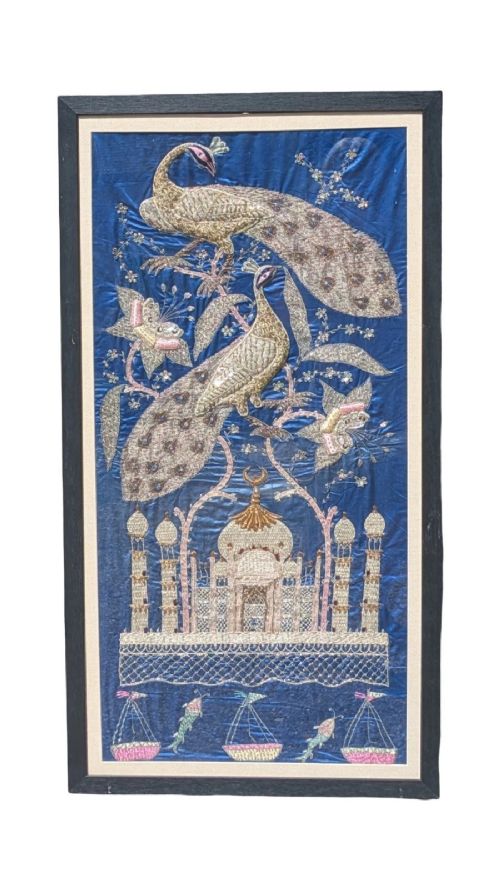
An antique silk panel brings textile art and historic needlework into a room as a focal point, offering centuries of global craftsmanship.
Antique Silk Panel
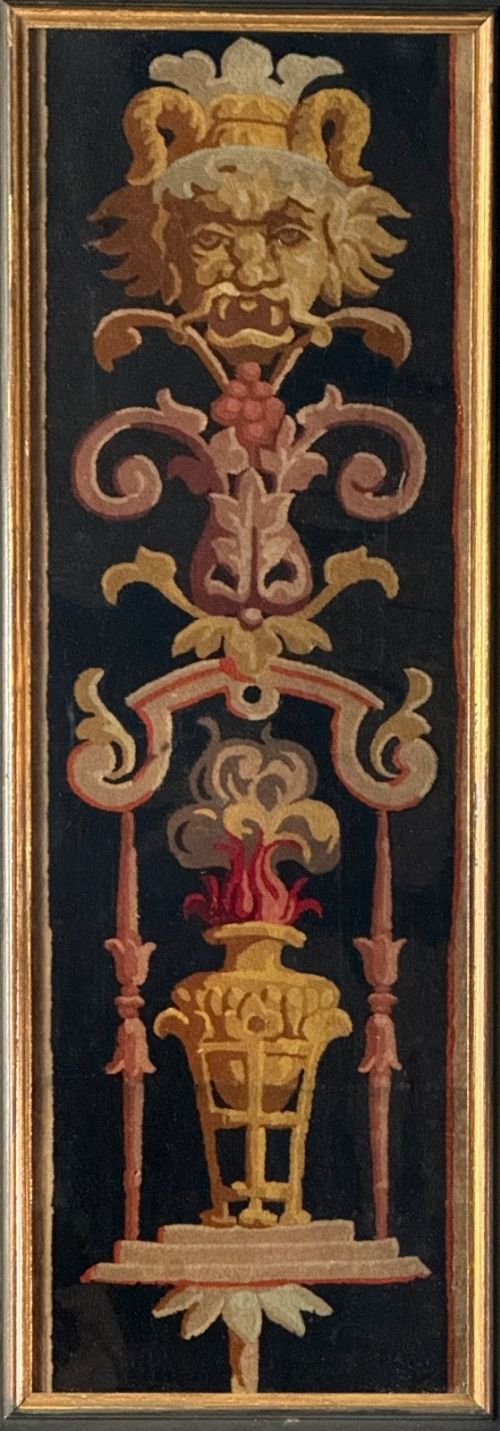
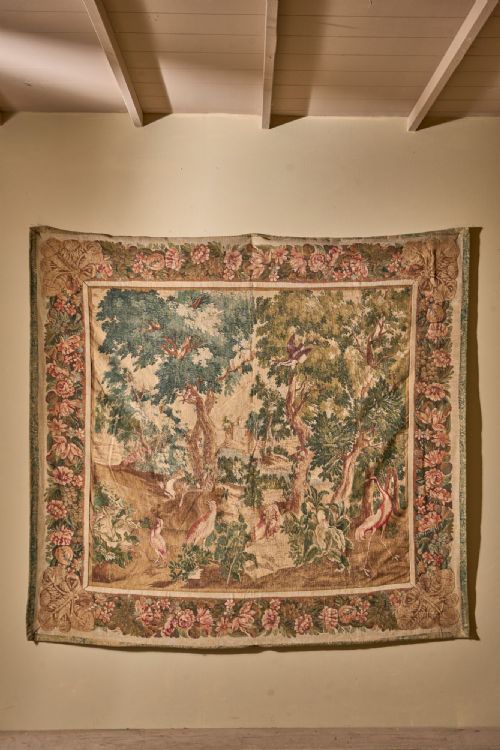
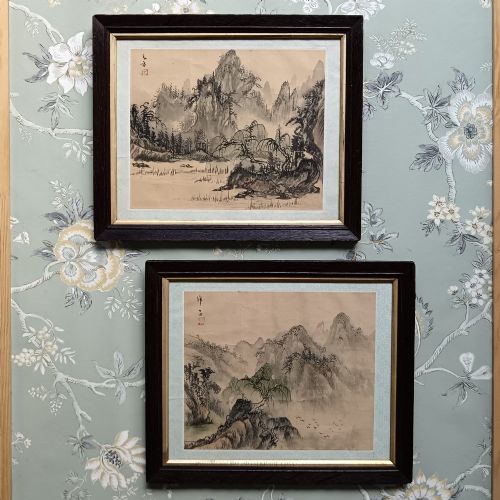
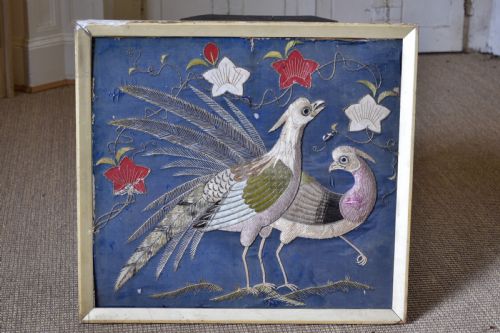
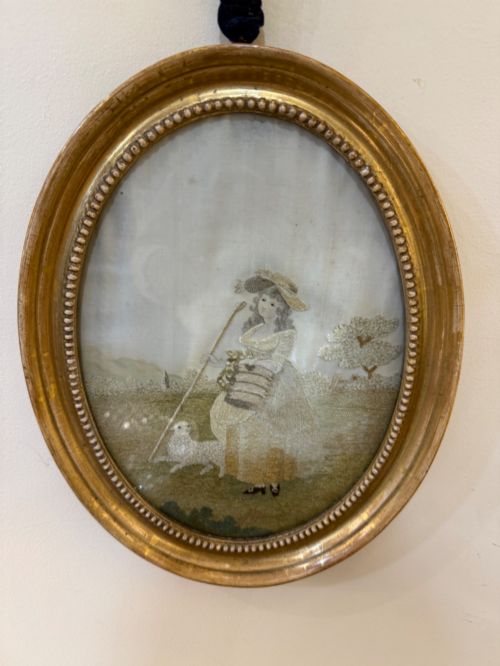
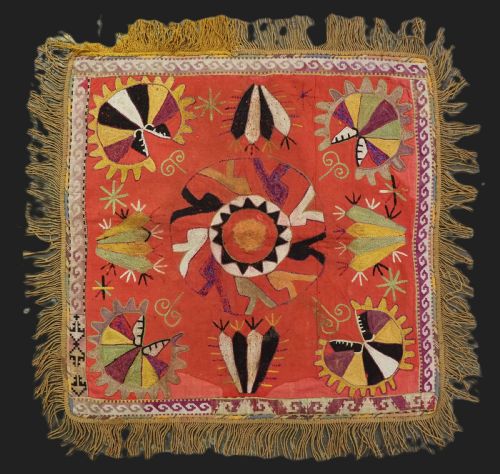
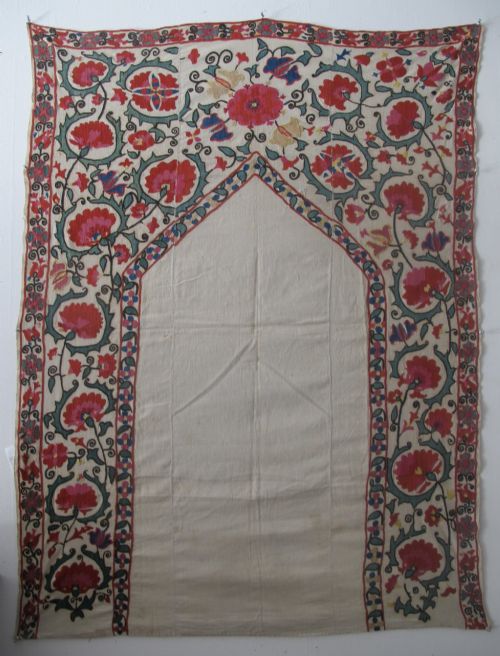
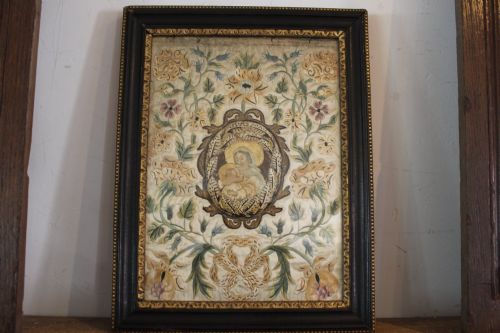
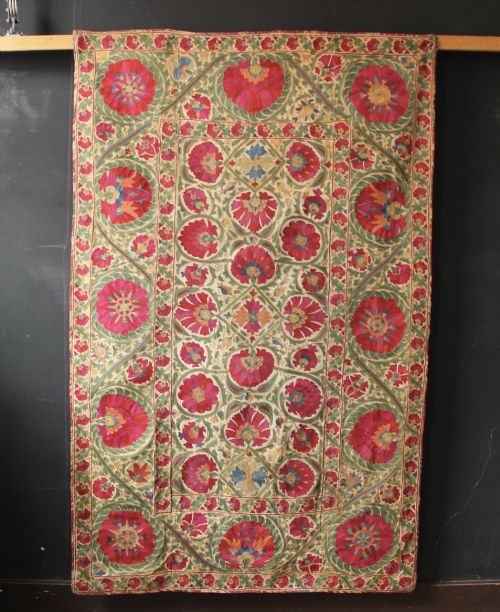
An antique silk panel encompasses embroidered textiles, wall hangings, and framed fragments originating from European, Asian, and Central Asian traditions. Buyers encounter everything from Chinese needlework and Uzbek suzanis to English stumpwork and French tapestries.
The selections span centuries, including 17th-century devotional work, Georgian samplers, and 19th-century decorative pieces. Many function as wall art, while others emerge as elements within folding screens, mirrors, and cabinetry.
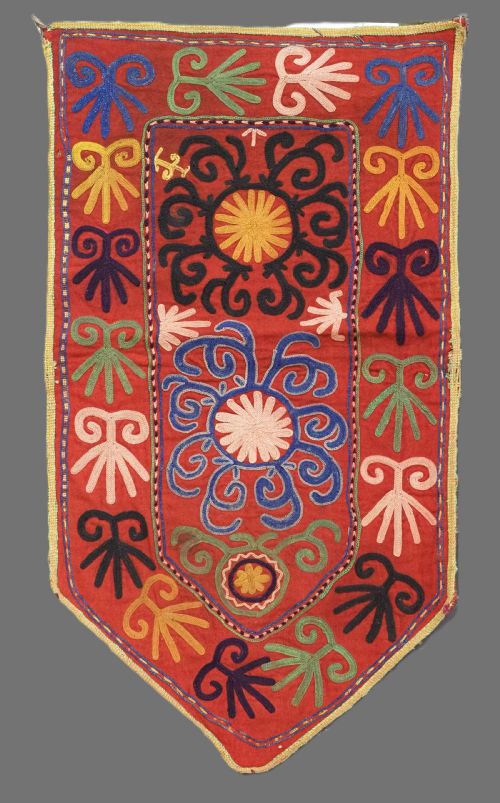
Regional styles dictate the visual language, ranging from Qajar motifs and Qing dynasty imagery to Greek island embroidery and Central Asian tribal designs. These textiles reflect the specific domestic and ceremonial contexts of their making.
How they were made
Needlework and embroidery form the core technique, executed using silk thread, wool, cotton, and metallic thread upon grounds of linen, cotton, or silk. Artisans employed specialised stitches to build texture and pictorial depth, sometimes combining hand-painted elements with stitching.
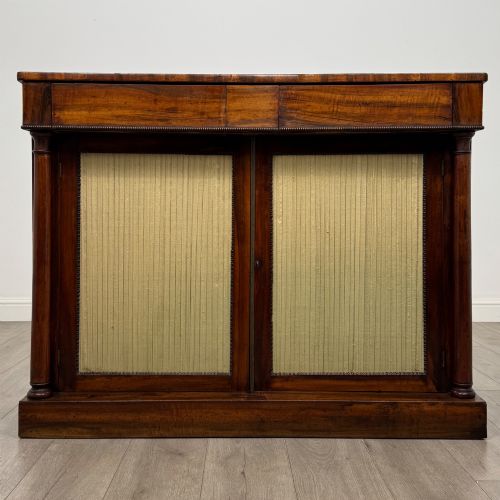
Support structures varied widely, from original wooden frames and giltwood folding screens to domestic furnishings like cupboards and side cabinets incorporating silk inserts. Many panels retain their original glass covers, protecting delicate embroidery from environmental wear.
A pair of French silk embroideries immortalises domestic poultry, capturing the distinct expressions of local cockerels and hens beneath faux tortoiseshell.
What varies in quality
The refinement of the needlework and the complexity of the design dictate the standing of a piece, with dense pictorial compositions requiring significant skill. The purity and retention of the original silk threads and metallic elements also influence the visual impact.
Context matters considerably, as pieces retaining their period frames, glass, or structural furniture housings demonstrate greater integrity. The survival of vibrant natural dyes across centuries marks the distinction between standard domestic handwork and masterworks.
The Antique Silk Panel Glossary
- Suzani
- An embroidered tribal hanging from Central Asia, traditionally worked in silk on a cotton or linen ground with bold floral and geometric motifs. These large textiles served functional and ceremonial roles within domestic spaces.
- Stumpwork
- A raised embroidery style popular in 17th-century England, using padded underlays to create high relief figures and landscapes. It frequently depicted historical or biblical scenes incorporating silk and metal threads.
- Ikat
- A dyeing technique where yarns are tie-dyed before weaving to create intricate patterns with characteristic blurred edges. Semi-silk adras fabrics utilise this method across Central Asian regions.
- Rank badge
- A square insignia worn on Qing dynasty official robes to denote civil or military status, worked in fine silk and metallic thread. These embroidered textiles often appear framed as decorative panels.
- Sampler
- A piece of needlework produced by individuals to demonstrate proficiency in various stitches and alphabets. Georgian and earlier examples frequently incorporate moral verses alongside stylised flora and fauna.
Antique Silk Panel: Frequently Asked Questions
How were antique silk panels used historically?
These textiles served multiple domestic and ceremonial functions, acting as wall hangings, dowry items, or decorative room dividers. Many were integrated directly into furniture such as screens, mirrors, and cupboard doors.
Others functioned as garments, rank badges, or domestic embroideries meant to display needlework proficiency within the home.
How do I identify the period of a silk panel?
Dating relies on examining the stitching techniques, material composition, and stylistic conventions characteristic of specific eras. Seventeenth-century pieces often feature stumpwork or heavy metal thread embroidery, while 19th-century works frequently display machine assistance or distinct regional motifs.
Original framing, mounting methods, and documentary evidence embedded in the stitching further help establish the date of creation.
How should I care for a textile panel?
Protecting silk embroidery from direct sunlight prevents the fading of natural and synthetic dyes over time. Displaying panels away from excessive moisture and fluctuating temperatures preserves the integrity of delicate protein fibres.
Professional mounting behind UV-filtering glass ensures the textile remains secure without putting undue tension on the historic ground fabric.
What is the difference between a suzani and an ilgich?
A suzani is a large embroidered textile from Central Asia traditionally created as part of a bride's dowry. They typically feature expansive floral roundels and botanical symbolism.
An ilgich or uut kap represents specific smaller embroidery forms or bag faces associated with nomadic Lakai and Uzbek traditions, executed in distinct geometric styles.