



Antique Sideboard Lamps
Antique sideboard lamps bring focused light and period presence to a room, combining practical illumination with sculptural weight.
Antique Sideboard Lamps
When you search for antique sideboard lamps, you encounter a varied selection of electrified lighting and converted vessels designed to stand on a sideboard, console or large table. These pieces draw from nineteenth-century oil lamps, classical candlesticks, and decorative vases adapted for interior lighting over successive generations.
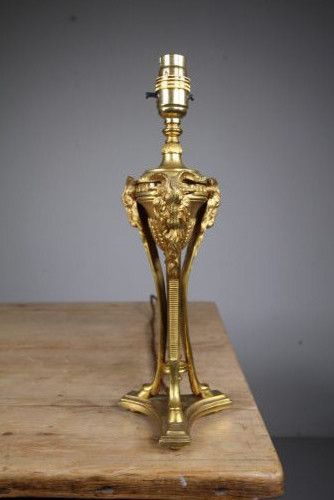
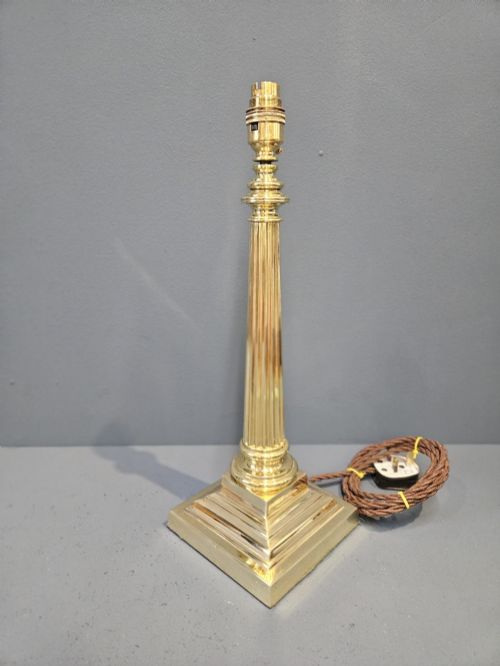
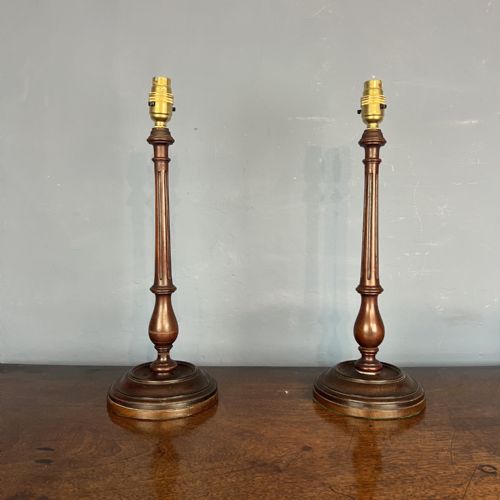
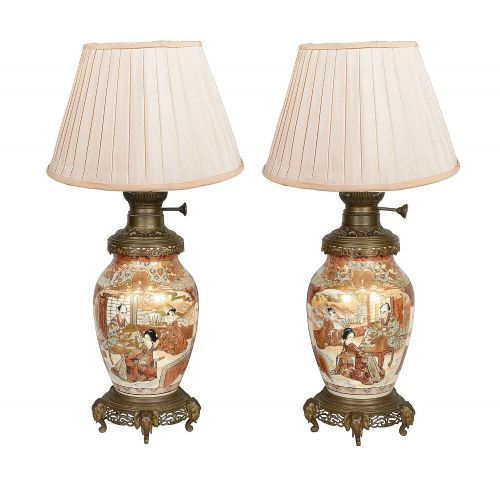
The objects on this page span several distinct design traditions, including Victorian and Edwardian column lamps, French gilt bronze and ormolu mounts, and Asian ceramic vases mounted as lamps. You also find pairs of heavy brass, cut glass, and crystal fixtures that reflect light across a room.
The domestic role of these lamps has shifted from functional oil burning to ambient decorative lighting. Their physical scale and substantial materials make them natural focal points for heavy timber furniture and formal dining rooms.
How they were made
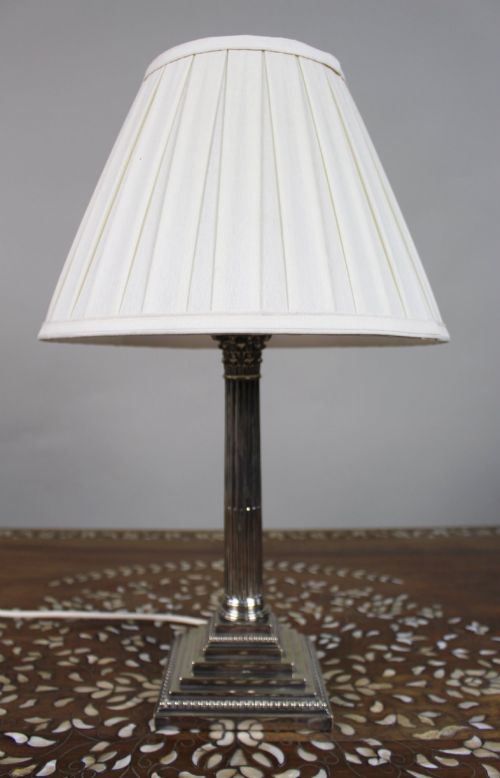
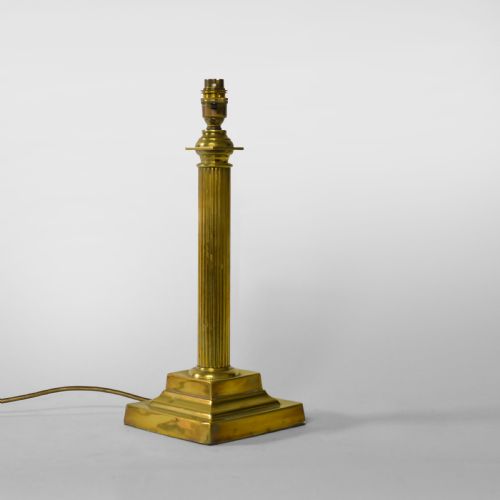
Makers utilised cast brass, bronze, and ormolu to build structural columns and heavy bases, often employing classical orders such as Corinthian, ionic, and reeded shafts. These metal elements were cast, chased, and gilded or silver-plated to achieve a bright or patinated finish.
Fabric shades and intricate crystal drops complete many of these assemblies, combining textile arts with metalwork and glassblowing. The structural joins frequently reveal threaded brass stems, weighted bases, and hand-cut threads characteristic of period workshop production.
Several lamps double as architectural textbooks, faithfully shrinking Greek temples into domestic lighting.
What varies in quality
The standard of a piece rests heavily on the crispness of its casting and the depth of its chasing in metal components. Superior ormolu and bronze show sharp relief in acanthus leaves and fluting, whereas lesser examples rely on soft, mass-produced casts with blurred detail.
Material integrity marks another division, seen in the clarity of cut crystal, the weight of solid brass versus plated alternatives, and the hand-painted execution on porcelain vase conversions. Original matched pairs carry greater weight than assembled components or later marriages of different bases and mounts.
The Antique Sideboard Lamps Glossary
- Ormolu
- Gilt bronze, typically involving a mercury gilding technique applied to cast bronze objects during the eighteenth and nineteenth centuries. This finish gives a warm, deep gold lustre that ages with a distinct patina.
- Corinthian column
- A classical architectural column style featuring an ornate capital decorated with acanthus leaves. Many Victorian and Edwardian lamps replicate this order in solid brass or silver plate.
- Imari
- Japanese porcelain decorated in underglaze blue and iron red, often highlighted with gold. These exported vessels frequently find new life as converted table lamps.
- Famille Rose
- A major palette of Chinese ceramic glazes distinguished by opaque pink enamel introduced in the eighteenth century. Vases decorated in this style were frequently adapted into lamps.
- Opaline glass
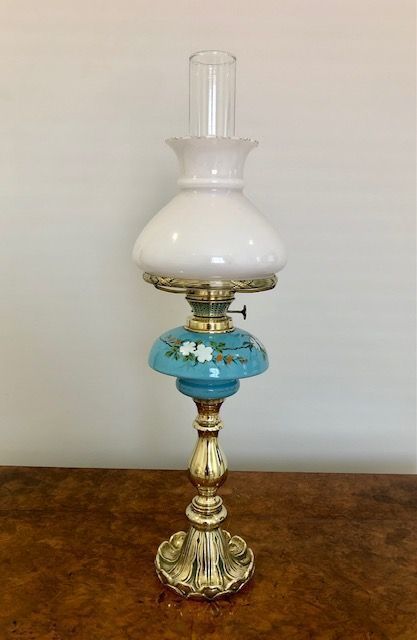
- An opaque or translucent pale glass developed in the nineteenth century, ranging from white to soft pastel shades. It diffuses light gently when used for lamp bodies and shades.
Antique Sideboard Lamps: Frequently Asked Questions
How do I date an antique brass lamp?
Dating relies on stylistic clues, manufacturing techniques, and electrical fittings. Earlier nineteenth-century examples often retain heavy cast components and hand-cut threads, while Edwardian and later pieces show standardised machine milling.
Examine the base weight, patination on the metal, and any registry marks or stamps left by the original manufacturer.
Can I use antique lamps safely today?
Most period lamps require rewiring to meet current electrical standards. A qualified electrician can replace old perished wiring while preserving the original metal body and switches.
Ensure the lamp is properly earthed, particularly if the body is made entirely of brass or bronze.
What is the difference between an oil lamp conversion?
An oil lamp conversion started life as a burning lamp featuring a reservoir and burner mechanism. These were later adapted to take an electrical bulb holder, often retaining their original glass fonts and heavy brass collars.
They generally sit lower and wider than lamps built originally as candlesticks or columns.
How do I match a shade to a period lamp?
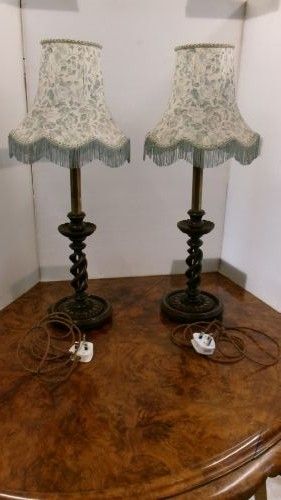
Proportion dictates the choice of shade, balancing the heavy visual weight of brass or ceramic bases. Fabric shades with subtle pleats or simple drum shapes suit Edwardian and Victorian columns without overwhelming them.
Consider the colour temperature of your bulbs to complement the specific metal or glass tone of the base.