

Antique Side Server
When searching for an antique side server, you enter a lineage of timber furniture built to aid dining and display.
Antique Side Server
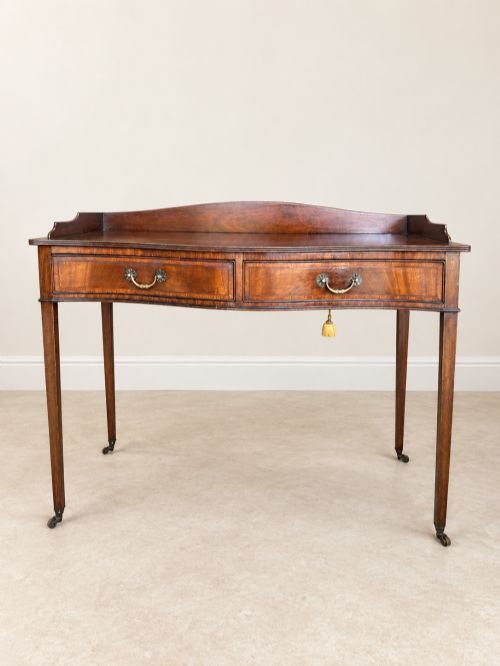
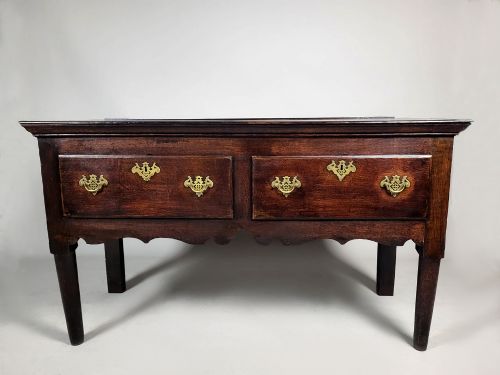
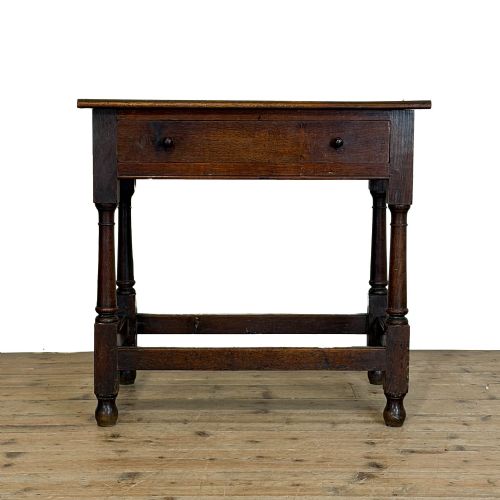
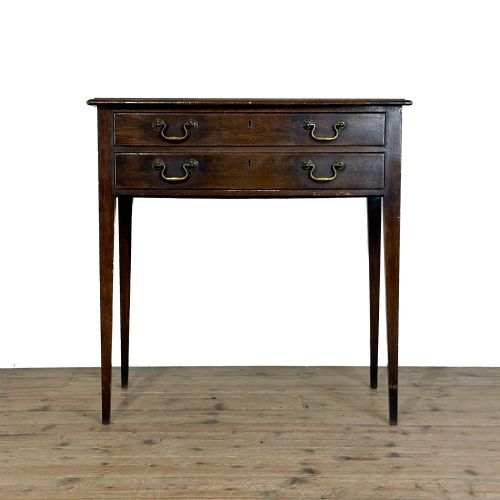
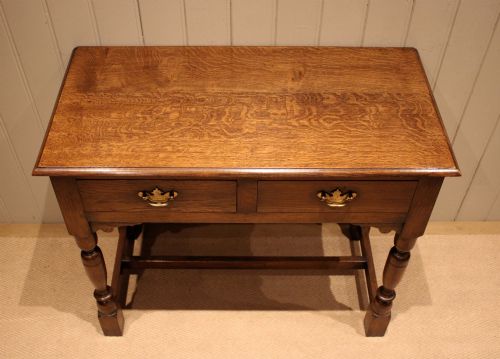
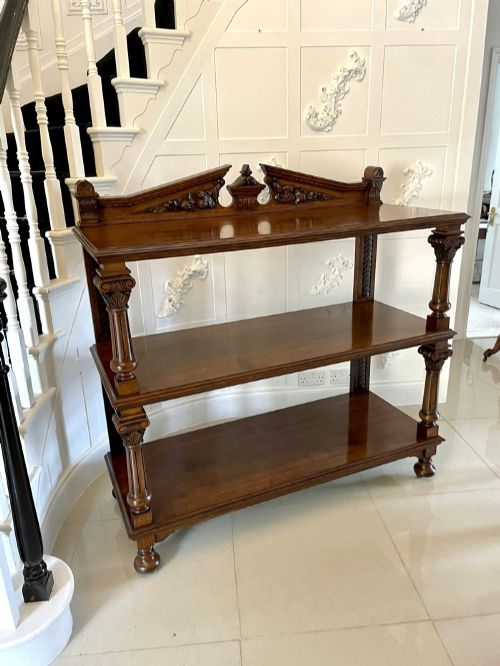
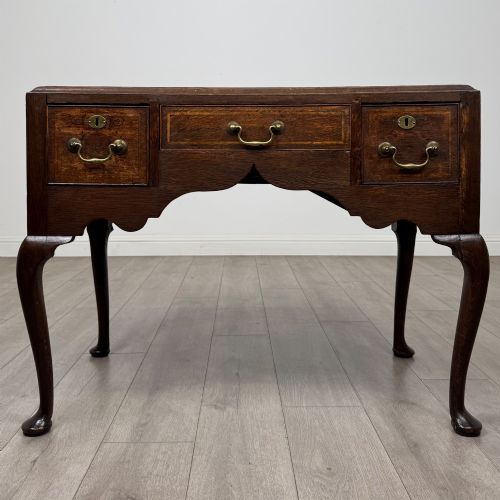
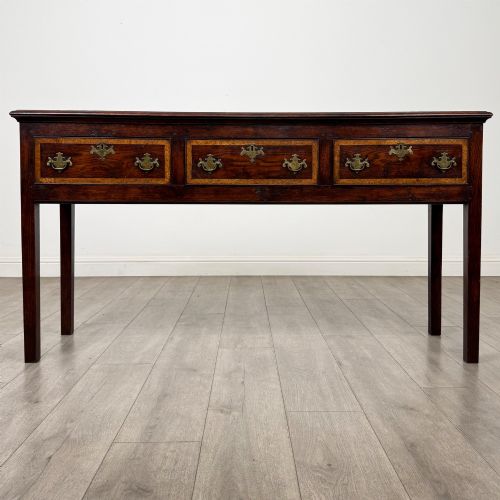
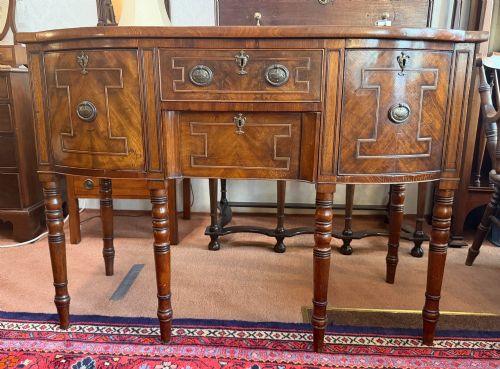
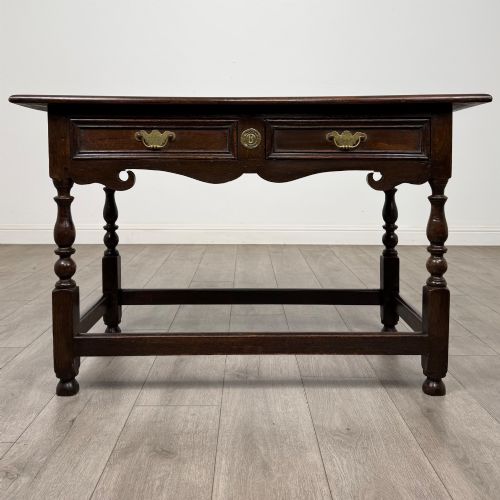
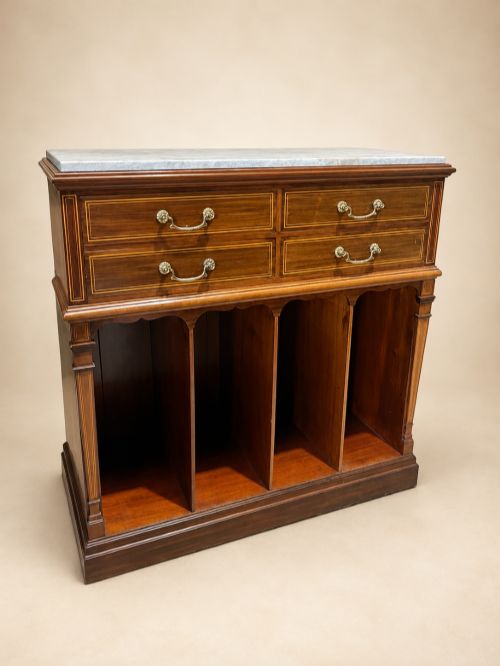
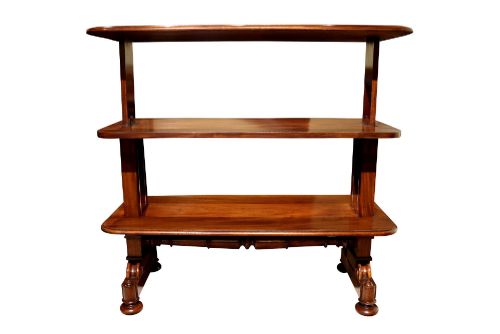
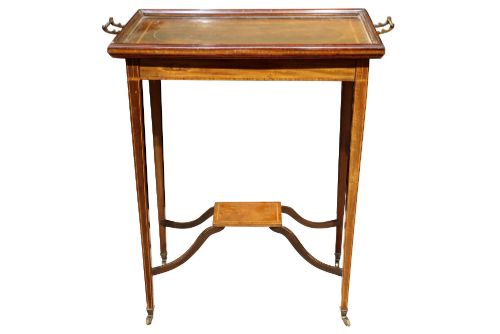
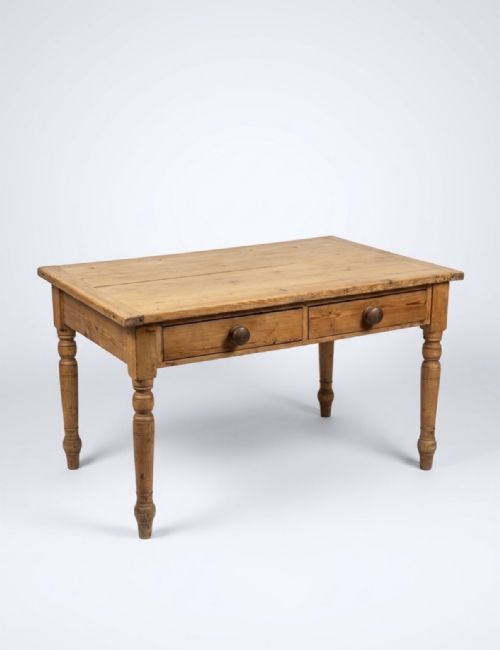
An antique side server covers a broad group of dining room and hallway timber furniture designed for serving food, holding tableware, or displaying decorative items. Pieces listed under this description span centuries of British and continental design, ranging from straightforward country oak lowboys to formal Georgian flame mahogany servers with gallery rails.
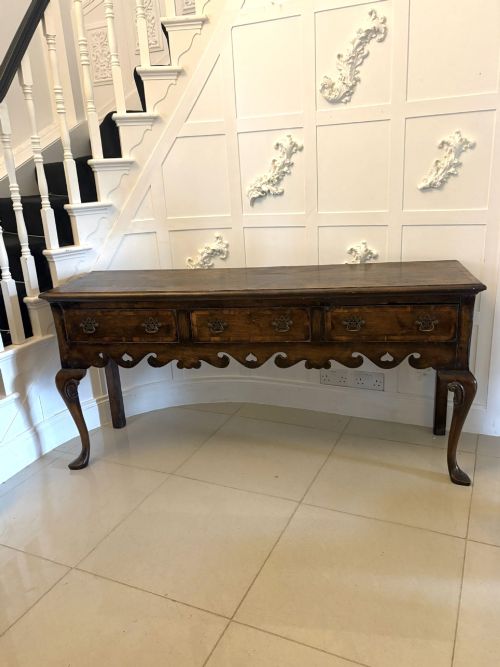
The most common forms you will encounter on this page include sturdy oak dresser bases, mahogany sideboard servers, and smaller side tables or console pieces. These utilitarian yet decorative items served domestic spaces primarily for food preparation and storage before dedicated dining rooms became standard.
Origins stretch from the 18th century through the Victorian era and into the early 20th century, capturing shifts in domestic life from utilitarian country house requirements to refined urban dining. Oak dominates the earlier periods, while mahogany and burr walnut define the grander formal iterations of the Regency and Victorian periods.
How They Were Made
Cabinetmakers relied heavily on solid hardwoods like oak, mahogany, and walnut, often selecting figured veneers such as flame mahogany or burr walnut for decorative impact on primary surfaces. Pine and pitch pine served frequently for secondary framing, interiors, or painted country pieces.
Joinery methods reflect the period of origin, utilising hand-cut dovetails for drawer construction and traditional mortise and tenon joints for structural frames. Decorative treatments ranged from restrained brass gallery rails and inlay work to deep hand-carving in the Jacobean or Gothic revival styles.
Listings feature oak, mahogany, walnut, and pine across periods from the 18th century to the 1930s.
What Varies in Quality
Quality rests significantly on the selection of timber and the preservation of its natural grain, particularly where striking flame mahogany or burr walnut veneers are employed. Superior examples display thoughtful book-matching and uninterrupted surfaces that show deep regard for the raw material.
The integrity of the construction and the crispness of any carved detailing further separate ordinary pieces from exceptional ones. Hand-cut joinery that remains tight and smooth-running drawers without excessive replacement timber indicate superior workshop standards from the outset.
The Antique Side Server Glossary
- Lowboy
- A small oak or walnut table featuring one or more rows of drawers beneath the working surface. These pieces typically date from the 18th century and served various domestic functions.
- Dresser base
- A robust lower sideboard or console unit featuring cupboards and drawers, historically used in kitchens and dining spaces. They are most commonly encountered in solid oak.
- Chiffonier
- A compact Victorian sideboard equipped with enclosed lower cupboards and often a raised shelf or gallery back. They became essential in 19th-century drawing rooms for storing servingware.
- Gallery rail
- A raised brass or timber barrier fitted to the top rear or sides of a server. This feature prevented dishes and silver from sliding off during busy dining service.
- Flame mahogany
- A highly decorative wood veneer displaying distinctive flickering flame-like patterns. Cabinetmakers utilised this timber on prominent surfaces during the Georgian and Regency periods.
Antique Side Server: Frequently Asked Questions
What is the difference between a side server and a sideboard?
A side server generally refers to a lighter, more open console or serving table, sometimes equipped with a gallery rail or tiered shelving. They were specifically intended for staging dishes during meals rather than heavy storage.
Sideboards, by contrast, tend to be larger and heavier enclosed cabinet structures with multiple doors and drawers designed to hold extensive sets of crockery and cutlery.
How do I use a side server in a modern home?
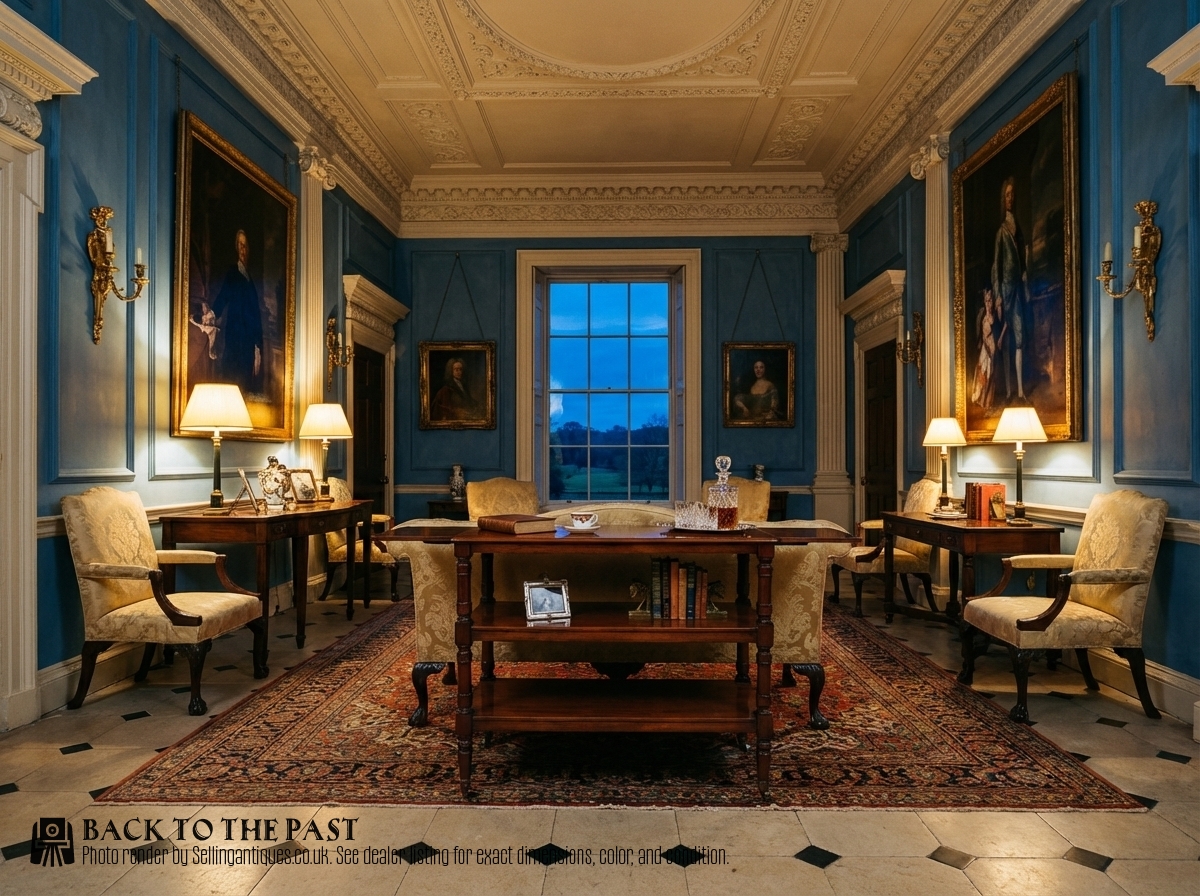
These pieces fit naturally into dining rooms as serving surfaces during meals or as handsome storage units for table linens. Their narrow footprints also make them exceptionally useful in hallways as console tables or in living spaces for display.
The varied drawer configurations and flat tops provide practical storage and display space without overwhelming modern room dimensions.
How can I tell a Georgian server from a Victorian one?
Georgian pieces, dating roughly from the 18th to early 19th century, frequently exhibit restrained classical proportions, lighter wood tones, and subtle inlay work. Oak lowboys and flame mahogany servers with delicate brass rails are typical of this era.
Victorian iterations, appearing from the mid-19th century onward, often feature heavier proportions, darker mahogany or burr walnut timbers, and deeper hand-carved ornamentation such as scrolling foliage or gallery backs.
Did country pieces differ from urban furniture?
Country pieces were built for utility and endurance, relying heavily on solid local timber like oak or pine with minimal ornamentation. They often embraced simpler lines and painted finishes suited to rural farmhouses.
Urban pieces commissioned for townhouses utilised exotic imported timbers like mahogany and walnut, showcasing advanced veneering techniques, fine brass hardware, and formal stylistic revivals.