



Antique Ship Seascape Art
Antique ship seascape art captures the drama of maritime history through sailing vessels and coastal waters.
Antique Ship Seascape Art
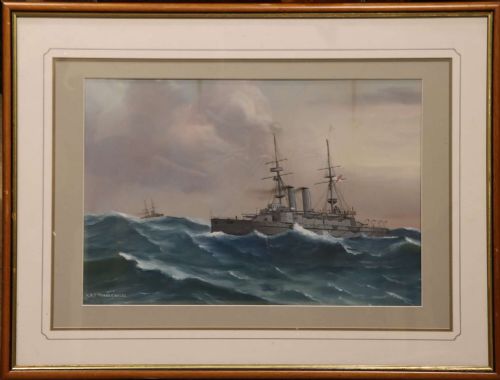
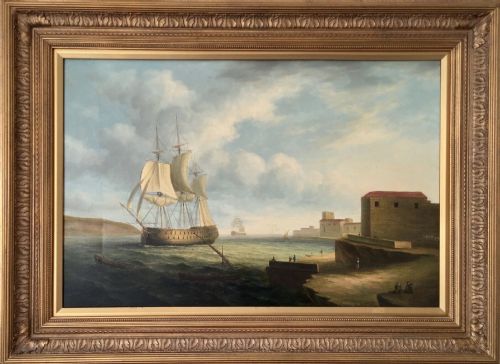
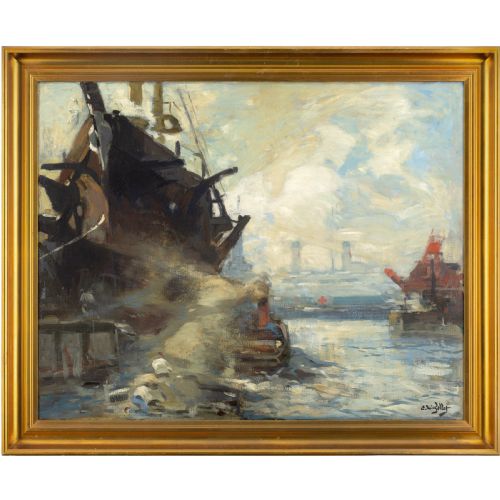
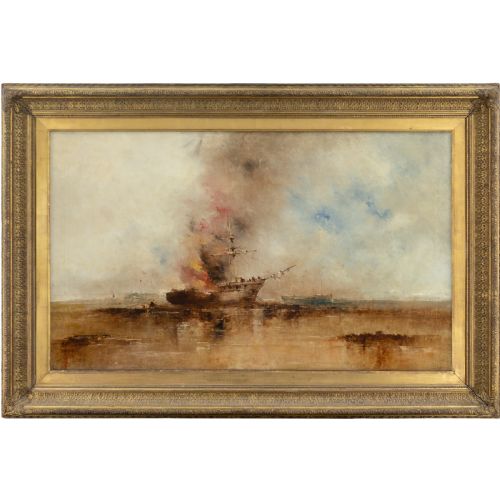
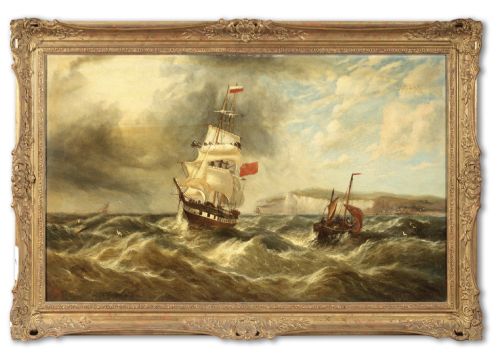
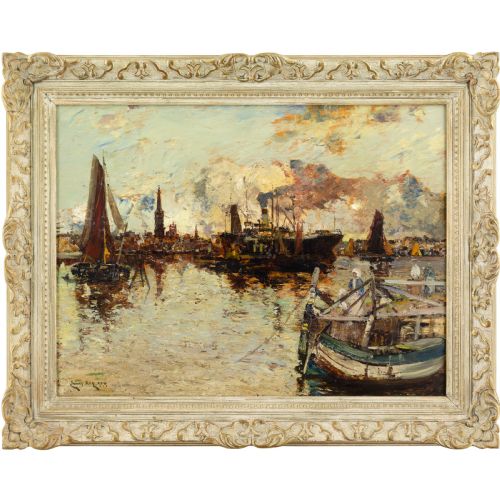
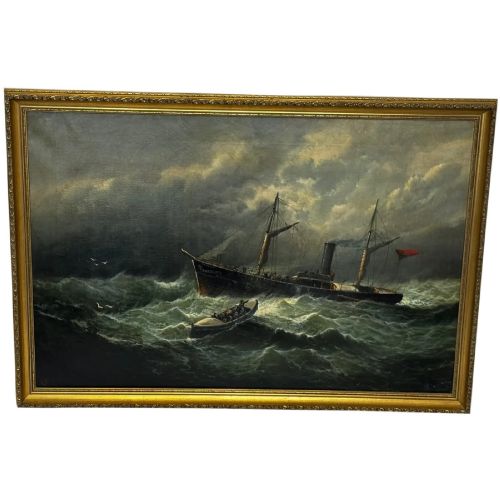
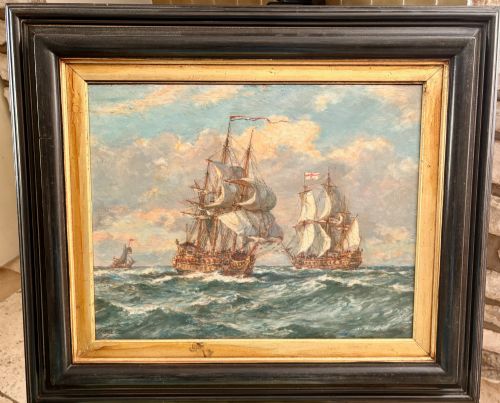
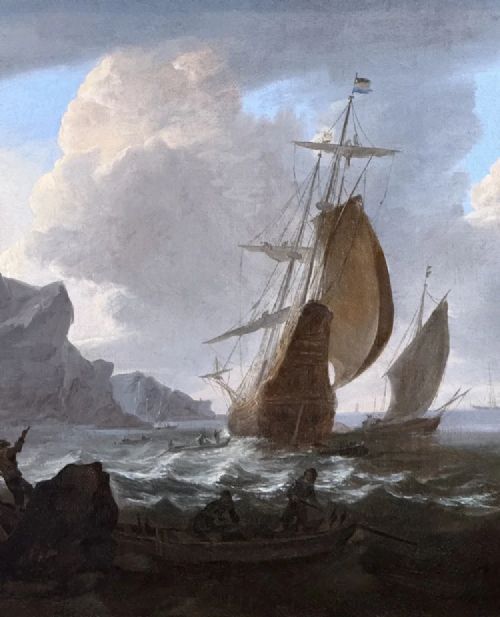
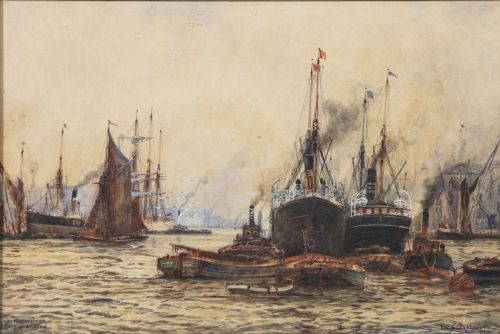
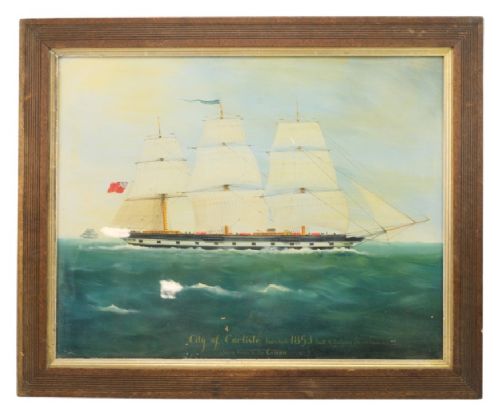
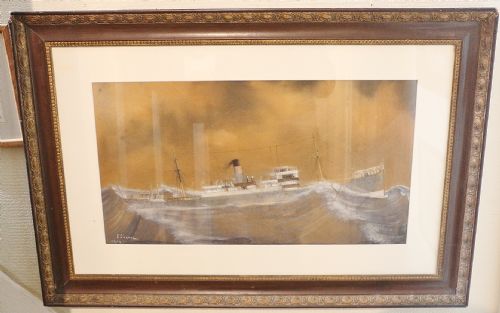
Antique ship seascape art encompasses paintings, watercolours, and framed works depicting naval vessels, merchant ships, and coastal scenes. Buyers searching this phrase meet nineteenth-century works alongside Edwardian and early twentieth-century examples.
The selections feature oil on canvas, oil on board, and watercolour paintings. Common subjects range from gale-driven gales and shipwrecks to peaceful harbour anchorages.
How they were made
Artists utilised oil paint on canvas or board to build rich textures and deep water tones, often housing the finished works in gilt frames. Watercolours on paper capture lighter atmospheric effects, frequently supported by gouache highlights.
Framed artwork and maritime shadow boxes combine painted elements with physical materials such as wood and glass to create depth.
Listings feature oil on canvas, watercolour, and gouache across periods from the seventeenth century to the mid-twentieth century.
What varies in quality
The skill in rendering rigging, hull construction, and water movement distinguishes superior maritime works from simpler decorative pieces. Accurate vessel proportions and atmospheric light handling elevate an artist's output.
Provenance and clear attribution to documented marine painters add historical weight to individual canvases and watercolours.
James Hardy·Eugène-Louis Gillot·William McAlpine·Charles Edward Dixon·John Rose Miles·James Kay·William Broome·Bernard Gribble·Bonaventura Peeters·Frank William Scarbrough·F. Corpuz·Bernard Benedict Hemy·Thomas Bush Hardy·John Wilson Carmichael·Lai Fong·Nicholas Condy·Abraham Hulk I·William Frederick Settle·Charles William Wyllie·Charles William Adderton·Vincenzo D’Esposito·Ernest Dade·W. Collard·William Henry Williamson·Martin Snape
The Antique Ship Seascape Art Glossary
- Seascape
- A painting or other work of art depicting the sea. These pieces focus primarily on ocean waves, coastal views, and marine weather.
- Gouache
- An opaque method of watercolour painting. It utilises heavier pigments to create solid areas of colour and sharp light effects.
- Maritime shadow box
- A three-dimensional display incorporating model ships or dioramas behind glass. They often feature painted backgrounds to create realistic depth.
- Gilt frame
- A wooden picture frame coated with gold leaf or metallic paint. Many nineteenth-century marine paintings retain these ornate original surrounds.
- Barque
- A sailing vessel with three or more masts. This specific rigging configuration appears frequently in nineteenth-century shipping art.
Antique Ship Seascape Art: Frequently Asked Questions
What periods do these artworks cover?
The pieces span from the seventeenth century through to the mid-twentieth century, with a strong concentration of nineteenth-century and Edwardian examples.
Victorian maritime paintings and later watercolour works form the core of the available artistic record.
How do I identify a ship type in a painting?
Look closely at the number of masts and the arrangement of the sails to distinguish between barques, schooners, and steamships. Contemporary rigging details often help pinpoint the exact era of the vessel.
Artists frequently painted specific local craft, such as Dutch boats or British merchant ships, reflecting active trade routes.
Where should I hang maritime art?
These framed works suit studies, living rooms, and hallways where adequate wall space allows the detail of the rigging and water to be appreciated. Avoid placing oil paintings or watercolours in direct sunlight to protect the pigments.
Pairing works with traditional wooden furniture enhances the historic character of the room.
Are watercolours as durable as oil paintings?
Watercolours on paper require framing behind glass with acid-free mounts to protect them from environmental moisture and light degradation. Oil on canvas or board offers greater inherent resilience against fading.
Both mediums benefit from stable indoor humidity levels.