

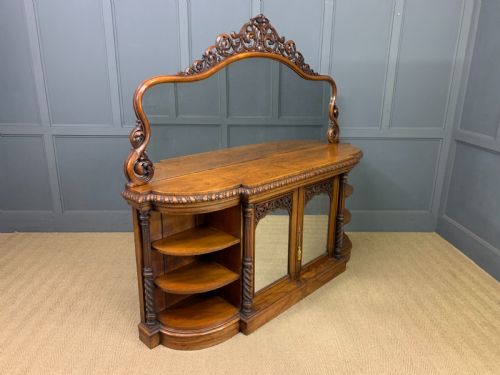


Antique Shelf Back Cabinet
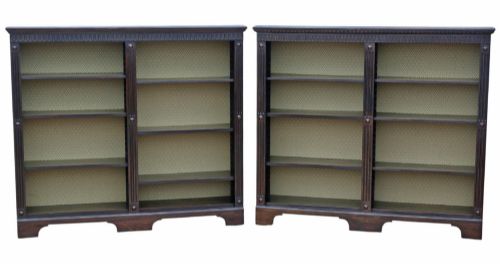
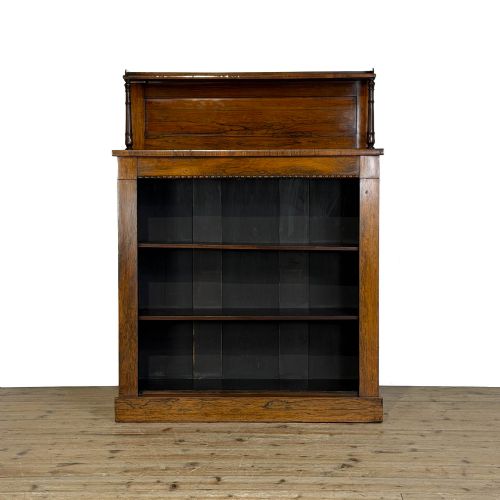
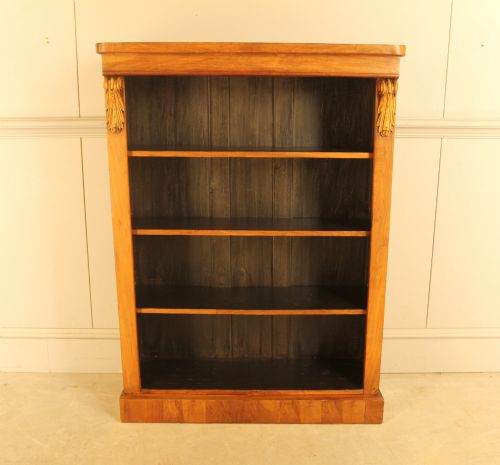
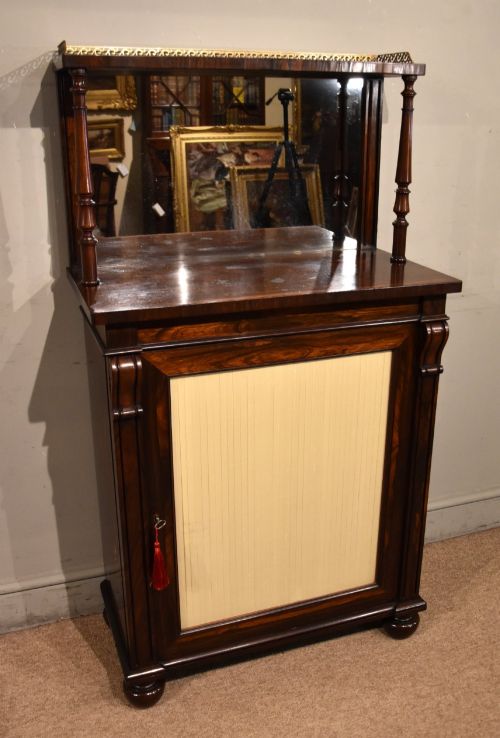
An antique shelf back cabinet provides open display and enclosed storage, bringing rich timber grain and useful tiering to a room.
Antique Shelf Back Cabinet
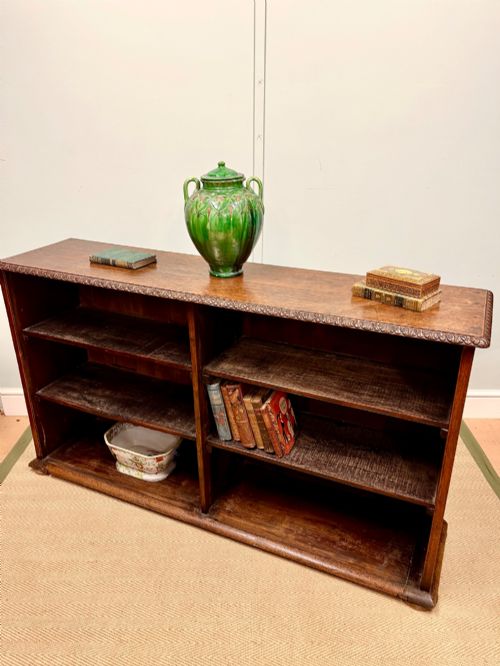
When you search for an antique shelf back cabinet, you encounter pieces designed to hold books, display ceramics or organise daily items upon tiered shelving and within closed cupboards. These storage forms span the Georgian, Regency, Victorian and Edwardian periods, appearing as chiffoniers, sideboards, open bookcases and credenzas with integrated upper shelves.
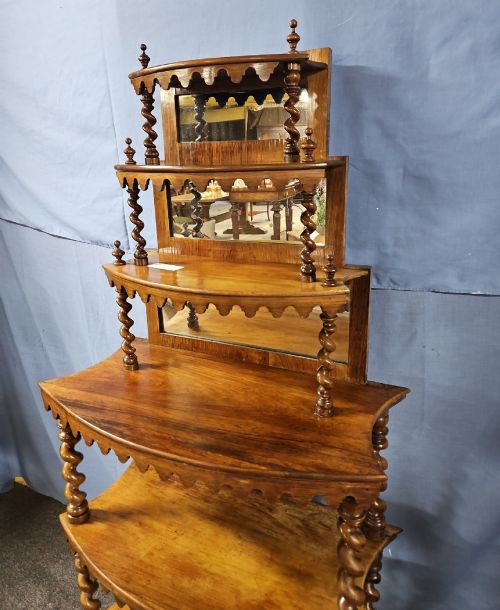
The most common examples on this page are Victorian and nineteenth-century pieces in mahogany, rosewood and walnut. Many incorporate mirror backs, marble tops or multiple display tiers above a lower cabinet base.
Makers such as Edwards and Roberts produced refined examples of these multi-tier storage units, while other pieces reflect specific regional or architectural influences such as Gothic Revival or Anglo-Indian design.
How they were made
Cabinet makers utilised dense hardwoods including mahogany, rosewood, walnut and burr walnut, often applying finely figured veneers to flat surfaces. Structural carcassing frequently relied on secondary timbers such as pine.
Decorative detailing involved carved mouldings, brass mounts, porcelain plaques, ormolu enrichments and intricate inlay work. Backs often incorporated silvered mirror glass or raised display tiers supported by turned columns and barley twist uprights.
Listings feature woods including rosewood, mahogany, walnut, burr walnut, pine, teak, and oak across the Georgian, Regency, and Victorian periods.
What varies in quality
Quality rests upon the selection of timber veneers and the crispness of any carved ornament or inlay. Pieces displaying deeply figured burr walnut or richly grained rosewood sit at the upper end of the range.
Construction methods determine durability, visible in the precision of the joinery, the inclusion of adjustable shelving, and the quality of secondary materials used in the interior drawers and backingboards.
George Edmund Street·Edwards & Roberts·Pauly et Cie
The Antique Shelf Back Cabinet Glossary
- Chiffonier
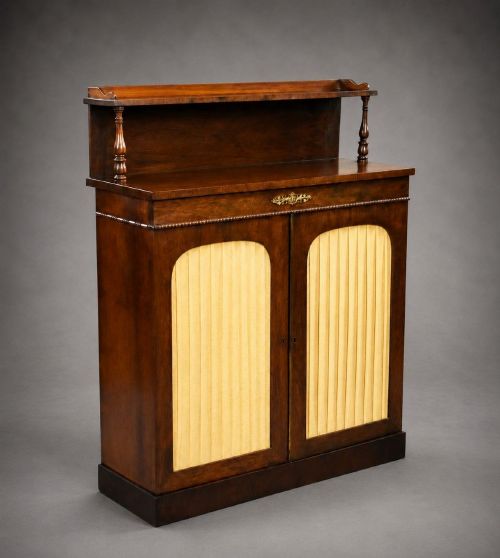
- A low sideboard cabinet featuring a raised shelf back or tier system above enclosed lower cupboards. It developed during the Regency and Victorian periods for dining rooms and drawing rooms.
- Credenza
- A low cabinet for display and storage, often mounted with ormolu and porcelain panels in the nineteenth century. It sits flat against a wall and frequently incorporates glass doors.
- Whatnot
- A piece of furniture consisting of open shelves for displaying ornaments, books or curiosities. It can stand independently or form the upper section of a chiffonier.
- Ebonisation
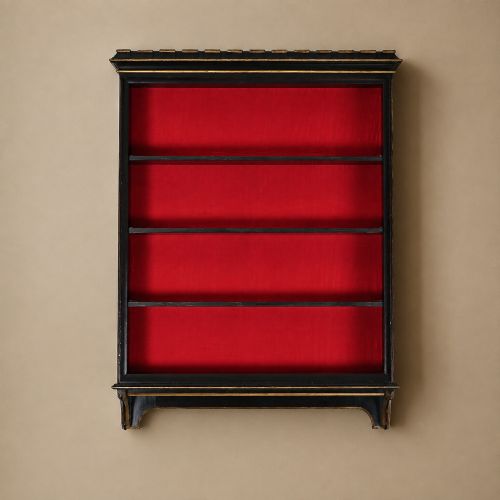
- The process of treating timber such as fruitwood or beech to imitate solid ebony. It became popular during the Victorian Gothic Revival period.
- Ormolu
- Gilded bronze mountings applied as decorative ornaments to furniture surfaces. It appears on nineteenth-century credenzas and display cabinets.
Antique Shelf Back Cabinet: Frequently Asked Questions
What is a shelf back cabinet used for?
These cabinets serve dual functions by providing an enclosed lower cupboard for concealed storage alongside open upper shelves for displaying books and decorative objects.
They sit against living room or dining room walls to hold tableware, volumes or ceramics.
How do I identify a Victorian chiffonier?
A Victorian chiffonier typically combines a lower two-door cupboard with one or two raised display shelves supported by scrolling brackets or turned columns.
They frequently feature mahogany, walnut or rosewood timbers, sometimes paired with a mirror back or marble top.
What is the difference between a chiffonier and a credenza?
A chiffonier generally includes an upright shelf superstructure attached to the back of a low sideboard base. It evolved primarily for British domestic dining and drawing rooms.
A credenza tends to be a lower, heavier format without an upper shelf back, often associated with continental styles and decorative ormolu mounts.
Are shelf back cabinets suitable for modern homes?
Their vertical storage footprint makes them practical for contemporary rooms that require display space without occupying a large floor area. The upper tiers hold small objects while the lower cupboards conceal clutter.
They integrate easily into traditional or mixed interiors alongside contemporary seating and lighting.