





Antique Shahsavan Textile
An antique shahsavan textile brings bold geometric design and flatweave mastery straight from the nomadic tents of Northwest Persia and the Caucasus.
Antique Shahsavan Textile
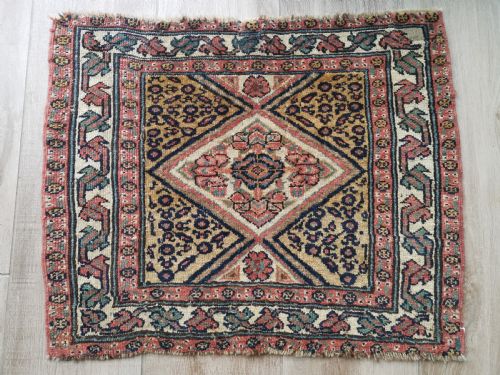
When you search for an antique shahsavan textile, you encounter vibrant tribal weavings created by nomadic and village communities inhabiting the borderlands between Persia and the Caucasus. These works include complete saddle bags, individual bag faces, mafrash panels, rug fragments, and kilim adaptations dating from the mid-nineteenth century up to nineteen hundred.
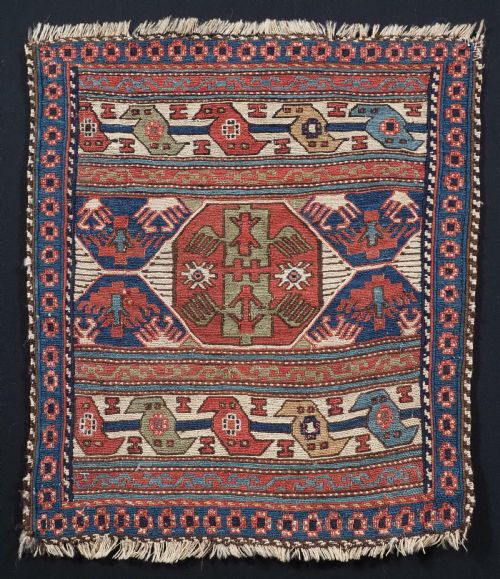
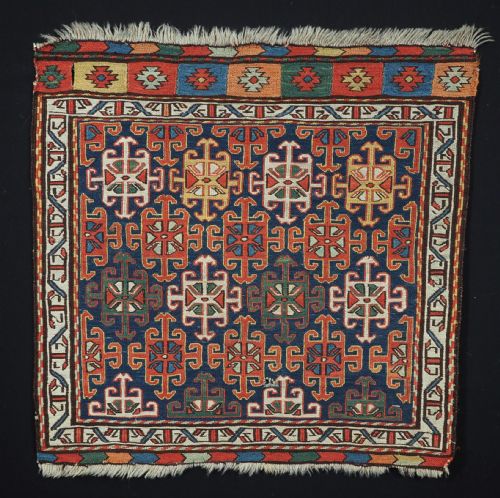
You are most likely to meet soumak weave bag faces and khorjin components on this page, often featuring distinctive geometric bird and dragon motifs. The pieces range from functional nineteenth-century storage gear to decorative panels repurposed into small kilims or textile art.
What varies in quality
The distinction between average and superior examples rests upon the crispness of the soumak technique and the complexity of the design layout. Pieces displaying well-rendered animal motifs like birds and dragons command closer attention.
Condition and completeness also dictate distinction, separating intact pairs of saddle bags or complete mafrash panels from fragmented or heavily altered panels.
Antique Shahsavan Textile Retail Price Guide 2026
Typical asking prices for shahsavan textile among the pieces listed under this phrase on Sellingantiques today, from the lower quarter to the upper quarter. They describe what is for sale here now, not the wider market.
The listings span from eighteen-fifty to nineteen hundred, encompassing nineteen-century nomadic production from Northwest Persia and the Caucasus.
The Antique Shahsavan Textile Glossary
- Soumak
- A flatweave textile technique where supplementary decorative threads are wrapped around the warp yarns to create a textured surface. This method produces durable structures with clear, sharp geometric patterns.
- Khorjin
- The traditional Persian term for a double saddle bag used by nomads for transport and storage. These items typically feature two rectangular pouches connected by a central web.
- Mafrash
- A large rectangular storage bag or bedding chest panel woven in soumak or kilim technique. These panels are frequently separated and traded individually today.
- Kilim
- A flatwoven textile made by tightly interweaving warp and weft strands to produce a smooth surface without pile. This structure forms the foundation of many nomadic covers and bags.
Antique Shahsavan Textile: Frequently Asked Questions
What is a shahsavan textile?
A shahsavan textile is a flatwoven nomadic item originating from Northwest Persia or the Caucasus, made primarily during the nineteenth century. These pieces include saddle bags, storage panels, and fragments.
They are celebrated for their intricate geometric patterns, soumak weaving technique, and natural vegetable dyes.
How were saddle bags used?
Saddle bags served as practical storage containers for nomadic tribes travelling across Persia and the Caucasus. They were loaded onto pack animals to carry household goods and personal belongings.
Over time, many of these functional items were separated into individual bag faces or converted into decorative wall hangings.
How do I care for a textile?
Caring for an antique flatweave requires gentle handling, minimal exposure to direct sunlight, and regular light vacuuming without a rotating brush. Keeping the wool clean and dry preserves the natural vegetable dyes.
Professional textile conservationists can provide secure mounting options if you plan to display panels on a wall.
How do I date these pieces?
Dating relies on examining the wool quality, dye palette, and structural characteristics typical of nineteenth-century tribal production. Natural dyes and hand-spun materials point towards the period before synthetic aniline dyes became widespread.
Stylistic elements like traditional bird and dragon motifs help contextualize pieces within specific decades between eighteen-fifty and nineteen hundred.